In 2026, Altech (as a core brand within the Altron Group) leads the future of IoT connectivity by integrating 5G-Advanced networks, Low-Earth Orbit (LEO) satellite clusters, and AI-driven edge computing. This multi-layered approach ensures seamless, high-bandwidth, and ultra-reliable communication for industrial telematics, smart city infrastructure, and cross-border logistics across global markets.
The Evolution of Altech in the IoT Ecosystem
The landscape of the Internet of Things (IoT) has shifted from simple sensor reporting to complex, real-time autonomous systems. Altech, historically a powerhouse in telecommunications and radio electronic components, has successfully transitioned into a software-defined connectivity provider. By 2026, the company’s focus has moved beyond providing the "pipes" for data to orchestrating the entire lifecycle of a connected device.
In the early 2020s, the primary challenge was fragmentation—disparate networks that could not communicate with one another. Altech addressed this by developing hardware-agnostic platforms that bridge the gap between legacy GSM systems and modern Narrowband IoT (NB-IoT). Today, the focus is on "Hyper-Connectivity," where devices automatically switch between cellular, satellite, and local mesh networks without user intervention or data loss.
This evolution is driven by the necessity of "Critical IoT." Unlike "Massive IoT" (which covers simple applications like smart meters), Critical IoT requires 99.999% reliability. For Altech's primary sectors—such as fleet management via Netstar and smart utility provisioning—this reliability is the difference between operational efficiency and catastrophic system failure.
Key Connectivity Technologies Driving 2026
The technical backbone of IoT in 2026 is no longer a single technology but a hybrid stack. Altech has been instrumental in deploying these technologies to provide comprehensive coverage in both urban centers and remote industrial sites.
5G-Advanced and the Rise of RedCap
By 2026, 5G-Advanced (3GPP Release 18) has become the global standard for industrial connectivity. A significant development within this framework is 5G RedCap (Reduced Capability).
RedCap serves as the "middle ground" of connectivity. It offers higher data rates than NB-IoT but consumes significantly less power and costs less than full-scale 5G NR (New Radio). Altech utilizes RedCap for applications like high-definition surveillance in smart cities and wearable industrial sensors that require constant throughput without the bulk of traditional 5G modems. The technical advantage lies in its ability to operate on a single-antenna design, reducing the device footprint while maintaining low latency.
Non-Terrestrial Networks (NTN) and LEO Satellites
Perhaps the most transformative shift in 2026 is the integration of Non-Terrestrial Networks. Altech has partnered with major Low-Earth Orbit (LEO) satellite providers to ensure that IoT devices remain connected even in "dead zones."
In the past, satellite connectivity was expensive and required bulky specialized equipment. Modern 5G NTN standards allow standard IoT chipsets to communicate directly with satellites. This is crucial for Altech’s logistics clients who track assets through transcontinental corridors where cellular towers are non-existent. The latency on these LEO networks has dropped to sub-50ms, making them viable for real-time asset monitoring and remote diagnostics.
LPWAN and the Sunset of Legacy Networks
As 2G and 3G networks reach their final sunset phases globally in 2026, Altech has spearheaded the migration to LTE-M and NB-IoT. These Low-Power Wide-Area Networks (LPWAN) are essential for deep-indoor penetration (such as underground water meters) and long-battery-life applications. The "Future of IoT" relies on these devices lasting 10 to 15 years on a single charge, a feat only possible through the optimization of the physical layer (PHY) and Media Access Control (MAC) protocols that Altech’s engineers have refined.
Smart Cities and Industrial Applications
The practical application of Altech’s connectivity solutions is most visible in the maturation of "Cognitive Cities" and "Industry 5.0."
Smart Utility Management
In 2026, Altech’s IoT ecosystem handles millions of data points per second for electricity and water grids. The shift here is from "monitoring" to "predictive orchestration." By using bidirectional IoT connectivity, utilities can not only read a meter but also remotely throttle load during peak demand or isolate leaks automatically. This requires a level of security and low-latency response that legacy networks simply could not provide.
The New Era of Telematics (Netstar)
Under the Altech/Altron umbrella, Netstar has evolved from a vehicle recovery service into a data-as-a-service (DaaS) provider. Modern fleet connectivity in 2026 involves:
- V2X (Vehicle-to-Everything): Vehicles communicating with traffic lights and other cars to optimize fuel efficiency.
- Edge Telematics: Analyzing driver behavior (fatigue, distraction) locally on the device using AI, and only sending relevant alerts to the cloud to save bandwidth.
- Cold Chain Integrity: Sensors that use a mix of Bluetooth Low Energy (BLE) and NB-IoT to ensure pharmaceutical and food shipments stay within exact temperature ranges.
Security and the Edge: The New Frontiers
As the number of connected devices surpasses 30 billion globally in 2026, the attack surface for cyber threats has expanded exponentially. Altech has responded by shifting security from the centralized cloud to the Edge.
Edge AI and Local Processing
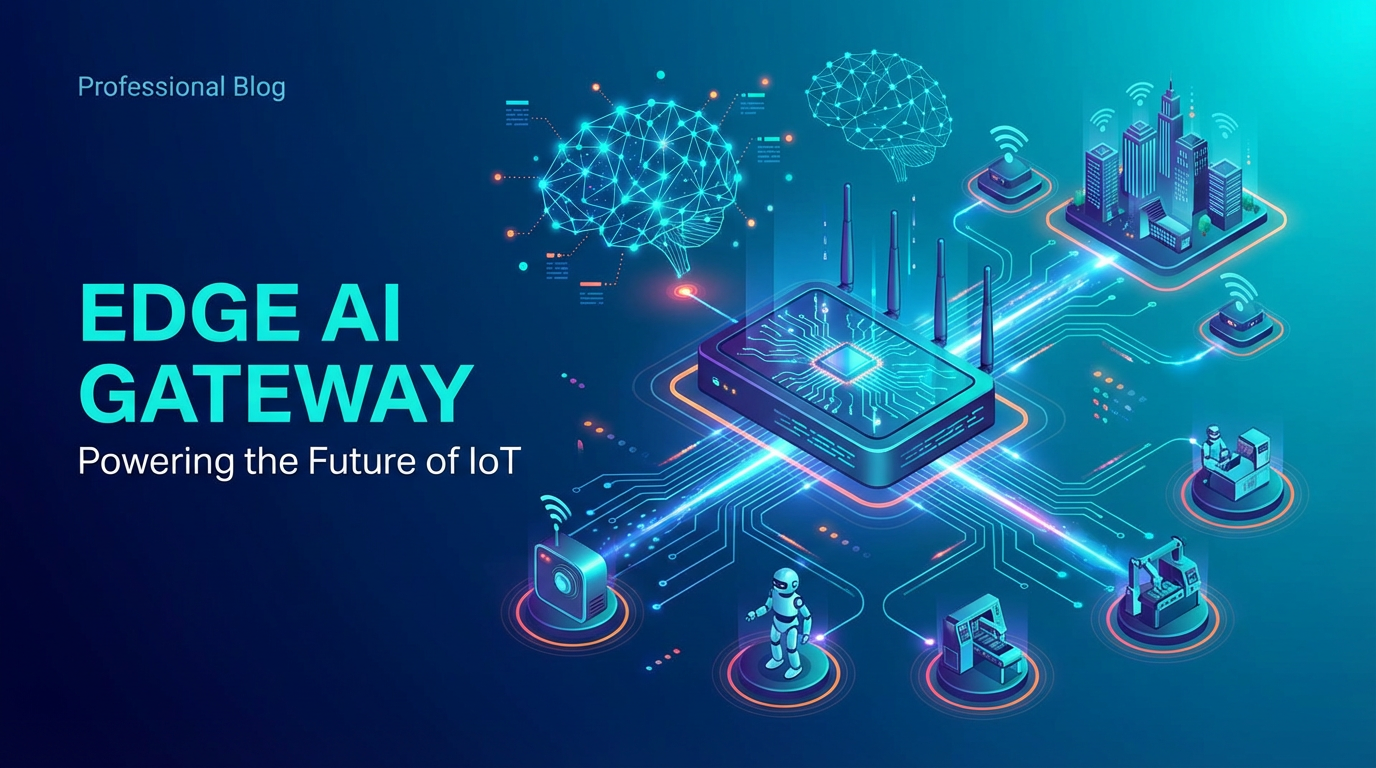
The future of IoT connectivity is paradoxically about less connectivity—or rather, more efficient connectivity. By processing data at the edge (on the device or at a local gateway), Altech reduces the amount of sensitive data transmitted across the network. This "Edge AI" filters out noise. For instance, a security camera doesn't need to stream 24/7 footage; it only connects and transmits when its onboard AI identifies a specific threat signature.
Zero Trust IoT Architecture
Security in 2026 is built on the principle of Zero Trust. Every IoT device must continuously verify its identity before it is allowed to communicate with the rest of the network. Altech utilizes "SIM-as-a-Root-of-Trust," where the secure element within the SIM card or eSIM generates cryptographic keys that are nearly impossible to forge. This prevents "man-in-the-middle" attacks, which were common in earlier, less sophisticated IoT deployments.
Comparing IoT Connectivity Standards in 2026
Choosing the right connectivity protocol is a matter of balancing power, range, and cost. The following table summarizes the primary options Altech utilizes for various client needs.
| Technology | Data Rate | Battery Life | Primary Use Case | Range/Coverage |
|---|---|---|---|---|
| NB-IoT | < 150 kbps | 10-15 Years | Smart Meters, Soil Sensors | Excellent (Indoor/Underground) |
| LTE-M | ~1 Mbps | 5-10 Years | Asset Tracking, Wearables | Great (Mobile Support) |
| 5G RedCap | 150-250 Mbps | 3-5 Years | HD Video, Industrial Tools | Urban/Industrial Cells |
| 5G-Advanced | 10 Gbps+ | 1-2 Years | Autonomous Vehicles, VR | High-Density Urban |
| Satellite NTN | 100 kbps - 2 Mbps | 2-5 Years | Maritime, Remote Mining | Global (Sky-view required) |
Challenges and Implementation Strategies
While the technology is more robust than ever, implementing a future-proof IoT strategy remains complex. Altech identifies three primary hurdles for organizations in 2026:
- Interoperability and Standards: Even with the rise of the Matter protocol in consumer IoT, industrial IoT still struggles with proprietary silos. Altech advocates for the use of open APIs and standard MQTT/CoAP protocols to ensure that data can flow between different vendor platforms.
- Sustainability (Green IoT): With billions of devices in the field, the environmental impact of batteries and e-waste is a major concern. Altech is increasingly moving toward energy harvesting—IoT devices that power themselves via solar, thermal, or kinetic energy, eliminating the need for traditional lithium batteries.
- Data Sovereignty: As IoT data becomes the "new oil," countries are tightening regulations on where data is stored and processed. Altech’s localized cloud nodes allow businesses to keep their IoT data within national borders while still benefiting from global connectivity.
How to Begin Transitioning to Next-Gen Connectivity
For businesses looking to integrate Altech's 2026-era connectivity, the recommended path is a phased migration:
- Audit Legacy Hardware: Identify which 2G/3G devices will be bricked by upcoming network sunsets.
- Pilot Hybrid Connectivity: Test LEO satellite fallbacks for critical assets that move through remote areas.
- Implement Edge Processing: Move from simple data logging to edge-based analytics to reduce rising cloud egress costs.
Frequently Asked Questions
Does Altech provide IoT connectivity for small businesses or only large enterprises?
Altech offers scalable solutions that cater to both. While their heritage is in large-scale industrial and automotive deployments, their modular software platforms allow smaller firms to utilize the same high-security connectivity infrastructure for smaller fleets or smart building management.
How does 5G RedCap differ from standard 5G for IoT?
Standard 5G is designed for maximum speed and capacity (like streaming 8K video), which is overkill and too power-hungry for most IoT devices. 5G RedCap "reduces capabilities" to lower cost and power consumption while still providing the low-latency benefits and security of the 5G core network.
Is satellite IoT connectivity expensive in 2026?
Costs have decreased significantly compared to 2021 levels due to the massive increase in LEO satellite density. While still more expensive than NB-IoT per kilobyte, the "cost of disconnection" for high-value assets makes satellite NTN a standard part of most industrial connectivity packages.
How does Altech ensure IoT devices stay secure over long periods?
Security is managed through over-the-air (OTA) updates. Altech’s connectivity management platforms allow for the bulk deployment of security patches to millions of devices simultaneously, ensuring that even a 10-year-old sensor can be protected against the latest identified threats.
Can Altech’s IoT solutions work in regions with poor cellular coverage?
Yes. By utilizing a hybrid approach that combines LPWAN for range and Satellite NTN for total global coverage, Altech ensures that connectivity is maintained regardless of the local terrestrial infrastructure.
Practical Recommendations for 2026
To stay ahead in the evolving IoT landscape, stakeholders should prioritize flexibility over fixed-tech solutions. The current pace of innovation means that a hardware-locked strategy will likely be obsolete within three to five years. By adopting Altech’s software-defined connectivity approach, organizations can swap carriers, update security protocols, and integrate new satellite constellations via software updates rather than expensive physical hardware replacements.
The immediate next step for industrial operators is to evaluate their Edge-to-Cloud ratio. In 2026, the most successful IoT deployments are those that minimize data transmission through intelligent edge filtering, thereby reducing latency and operational costs while maximizing the actionable value of the data collected.