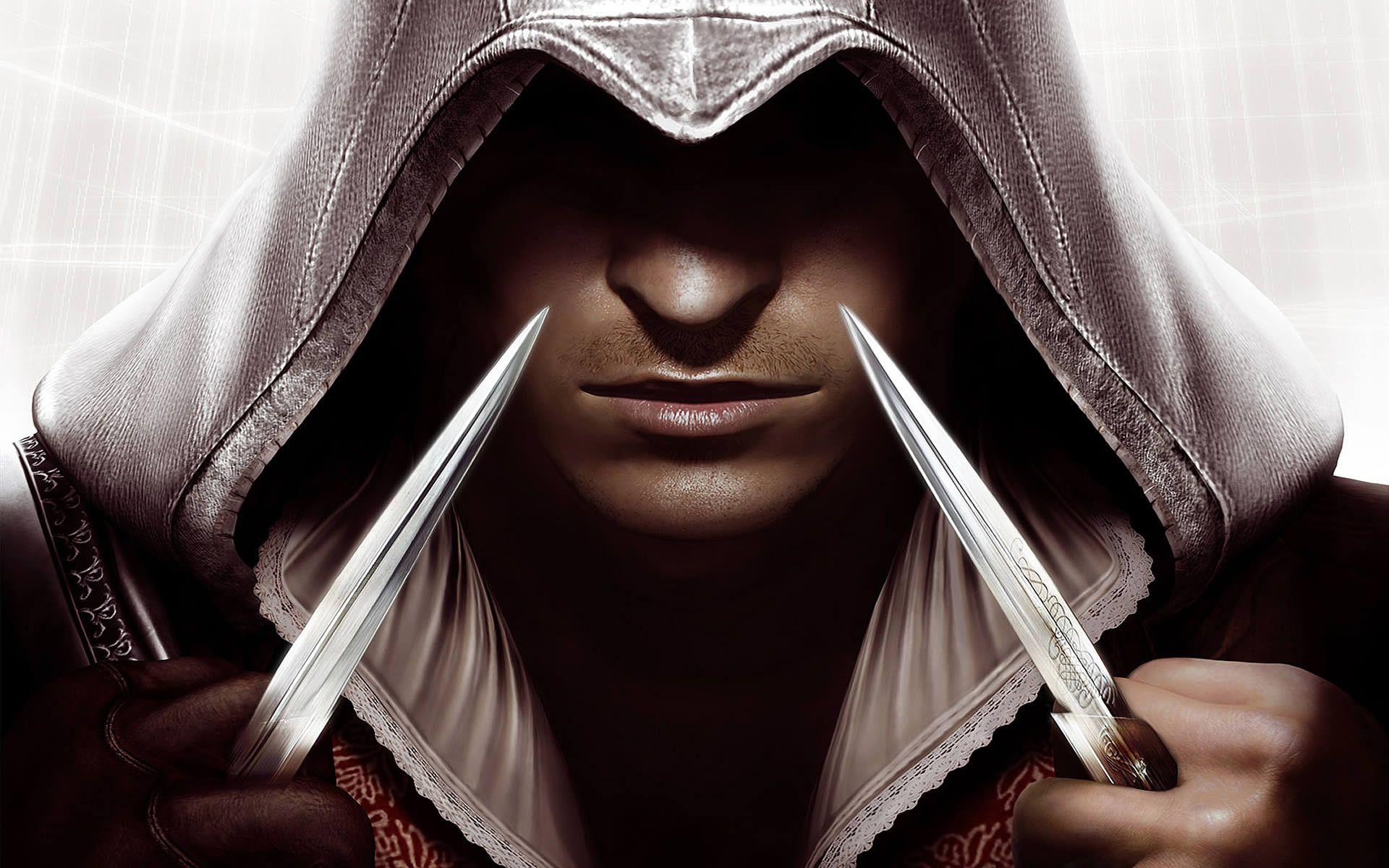
Altaïr Ibn-La'Ahad, the legendary Master Assassin, has been portrayed by two primary voice actors: Philip Shahbaz in the original 2007 Assassin's Creed and the spin-off Bloodlines, and Cas Anvar in Assassin's Creed: Revelations. The transition between actors reflected a shift in Ubisoft’s creative direction toward historical authenticity and regional accents.
The Genesis of a Legend: Philip Shahbaz and the Original Altaïr
When the first Assassin's Creed launched in 2007, it redefined the action-adventure genre. At the heart of this success was its protagonist, Altaïr Ibn-La'Ahad. The task of bringing this 12th-century Syrian Assassin to life fell to American actor Philip Shahbaz.
Shahbaz's portrayal is often remembered for its distinct lack of a Middle Eastern accent. In the original game, Altaïr speaks with a neutral, slightly detached American accent. This creative choice was a point of significant discussion among fans and critics at the time. While some felt it stripped the character of his cultural identity, others appreciated the stoic, almost cold nature Shahbaz brought to the role, which perfectly suited Altaïr’s initial arrogance and subsequent fall from grace.
The Narrative Justification for the American Accent
Ubisoft provided a specific lore-based reason for Altaïr’s voice in the first game. Within the Assassin's Creed universe, the memories of ancestors are accessed via a machine called the Animus. The version used in the first game—the Animus 1.0—was technically limited. The software "translated" the genetic memories into the language and dialect most comfortable for the user, who was Desmond Miles, a modern-day American.
Consequently, the American accent wasn't technically "Altaïr’s" voice in 1191; it was a processed output for Desmond's benefit. Shahbaz’s delivery focused on the discipline and lethality of the Assassin, providing a voice that was authoritative and steady, even if it didn't align with the geographical setting of Masyaf or Damascus.
Philip Shahbaz’s Performance in Bloodlines
Shahbaz returned to voice Altaïr in the 2009 PlayStation Portable (PSP) title Assassin's Creed: Bloodlines. This game acted as a direct bridge between the first game and the events leading into the later years of Altaïr’s life. In Bloodlines, Shahbaz maintained the same vocal profile, further cementing his version of the character during the peak of Altaïr's physical prowess. His performance helped bridge the gap as the franchise began to expand its narrative scope beyond the main console releases.
The Shift Toward Authenticity: Cas Anvar in Assassin's Creed: Revelations
As the franchise matured, Ubisoft’s approach to historical immersion evolved. By the time Assassin's Creed: Revelations was released in 2011, the developers decided to revisit Altaïr's story through the eyes of Ezio Auditore. For this pivotal return, Ubisoft cast Canadian actor Cas Anvar to take over the mantle.
Why the Change Was Made
The decision to replace Philip Shahbaz with Cas Anvar was driven by a desire for greater cultural and historical accuracy. Fans had long requested that the characters in the series sound more like the people of the regions they inhabited. In Revelations, the Animus 2.0 (and its various updates) was framed as being more sophisticated, capable of rendering more accurate vocal nuances.
Cas Anvar brought a rich, Middle Eastern-inflected accent to the role, which immediately resonated as more authentic to the Levant setting. Unlike the singular "warrior" tone of the first game, Revelations required an actor who could portray Altaïr across several decades of his life—from his late 20s to his final moments in his 90s.
Portraying the Stages of Life
Anvar’s performance is widely praised for its emotional range. In Revelations, players see Altaïr as:
- The Reformer: A leader in his middle years trying to rebuild the Order.
- The Exile: A man who has lost his family and his position.
- The Mentor: An elderly, wise, and physically frail man who has finally understood the true nature of the Creed.
Anvar adjusted his vocal rasp and tempo to reflect these ages. His performance in the final scene of the game—Altaïr’s quiet passing in his library—is considered one of the most moving moments in the entire franchise. It provided a sense of closure that felt grounded in the character's heritage and long journey of self-discovery.
Comparing the Two Interpretations
The debate between Philip Shahbaz and Cas Anvar often comes down to personal preference and the value one places on "classic" nostalgia versus "immersive" realism. Both actors contributed significantly to the identity of the character.
| Feature | Philip Shahbaz | Cas Anvar |
|---|---|---|
| Primary Game(s) | Assassin's Creed, Bloodlines | Assassin's Creed: Revelations |
| Accent Style | American / Neutral | Middle Eastern / Inflected |
| Character Tone | Stoic, arrogant, disciplined | Wise, weary, authoritative |
| Lore Reason | Animus 1.0 translation limits | Animus upgrades for authenticity |
| Key Strength | Established the original "badass" persona | Humanized the character across a lifespan |
While Shahbaz provided the foundation for who Altaïr was as a master of the blade, Anvar provided the depth required for Altaïr to be a philosopher and a leader. In the years since 2011, Anvar has generally become the voice most associated with Altaïr in retrospective media and franchise celebrations, largely due to the gravity he brought to the character’s final years.
The Technical Evolution of Voice and Motion Capture
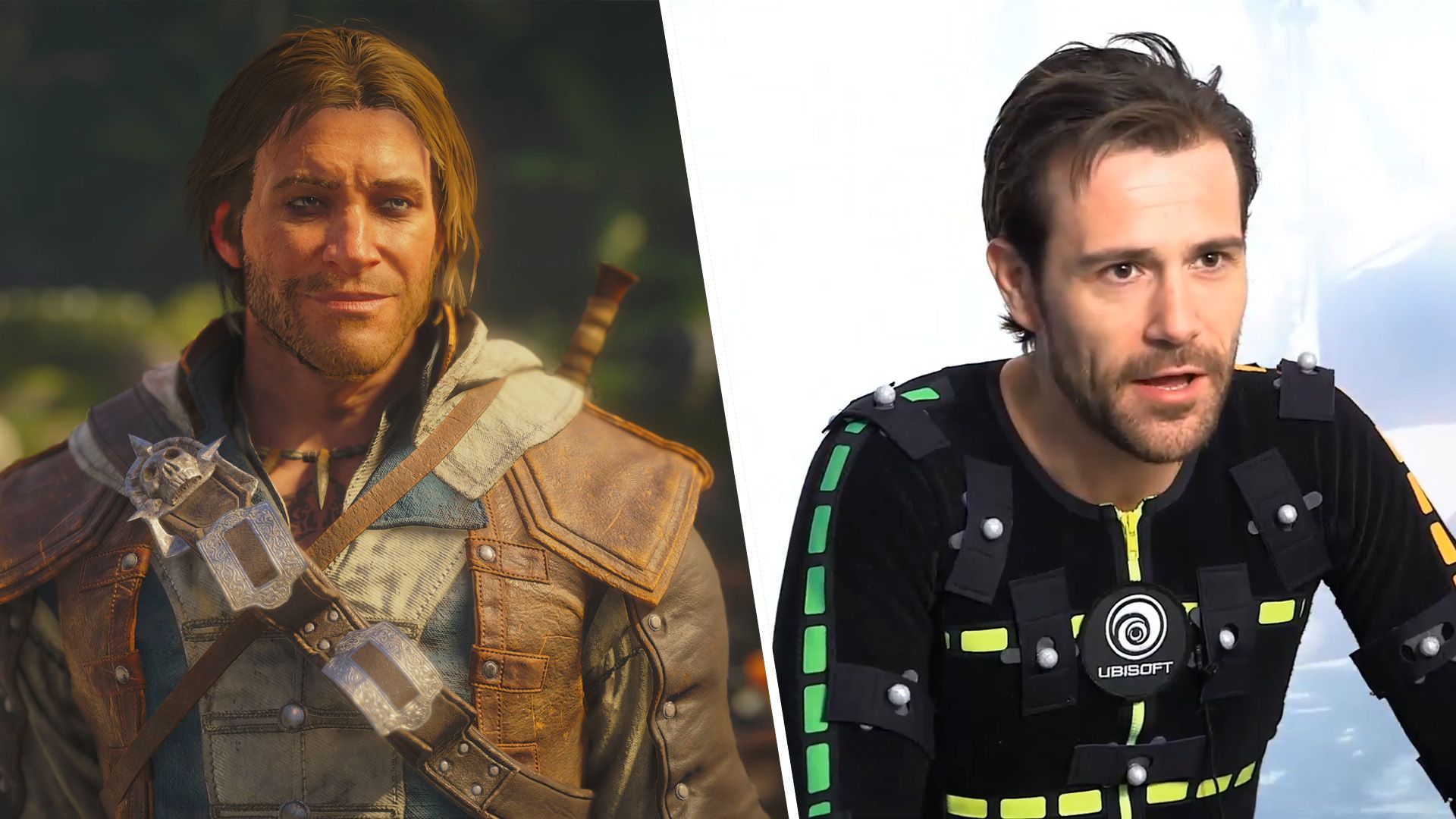
In 2026, looking back at the early days of the franchise, the difference in voice acting also reflects the massive leap in technology. During the production of the first Assassin's Creed, voice recording and motion capture were often handled separately. The "stiff" delivery of early characters was partly a result of these technical constraints.
By the time Revelations was in production, "performance capture"—the process of recording voice, facial expressions, and body movements simultaneously—was becoming the standard. This allowed Cas Anvar to infuse more physicality into his vocal performance. The subtle breaths, the hesitation in the voice of an older Altaïr, and the synchronization with the character's facial animations created a much more cohesive experience than was possible in 2007.
The Impact on Future Assassin's Creed Protagonists
The shift from Shahbaz to Anvar set a precedent for the entire Assassin's Creed series. Following the criticism of the American accent in the first game, Ubisoft leaned heavily into regional accents for all subsequent protagonists.
- Ezio Auditore: Voiced by Roger Craig Smith with a distinct Italian accent.
- Connor (Ratonhnhaké:ton): Voiced by Noah Watts, using an authentic Indigenous American cadence.
- Bayek of Siwa: Voiced by Abubakar Salim, who utilized an accent inspired by East African and Egyptian influences.
Altaïr’s vocal evolution was the "test case" that proved fans valued cultural immersion over the "standard" Hollywood-style American accents that dominated the mid-2000s gaming landscape.
Altaïr's Voice in Modern References and Remakes
As of 2026, Altaïr has appeared in various forms, including cameos in games like Assassin's Creed Mirage (via costumes and legacy mentions) and the mobile title Assassin's Creed Rebellion. In most modern iterations where Altaïr has spoken lines, Ubisoft has remained consistent with the direction established by Cas Anvar.
The community often discusses whether a full remake of the original Assassin's Creed should feature a redubbed Altaïr. While some purists want to keep Philip Shahbaz’s original lines for the sake of history, the consensus among modern developers is that a re-imagining would require a voice that aligns with the character's actual Syrian roots, likely following the path blazed by Anvar.
FAQ: Frequently Asked Questions About Altaïr's Voice Actor
Why did Altaïr have an American accent in the first game?
The American accent was a conscious design choice by the developers, later justified in the lore as a translation by the Animus 1.0. At the time, Ubisoft's leadership believed a familiar accent would make the character more relatable to a global audience and highlight the "modern technology" aspect of the game's frame story.
Does Philip Shahbaz still voice characters in Assassin's Creed?
No, Philip Shahbaz has not voiced Altaïr since Bloodlines. While he remains a respected figure in the fan community for originating the role, the franchise moved toward different vocal styles after 2009.
Is Cas Anvar the same actor from The Expanse?
Yes, Cas Anvar is well-known for his role as Alex Kamal in the television series The Expanse. His ability to handle complex characters and various accents made him an ideal fit for the more nuanced version of Altaïr seen in Revelations.
Which voice actor is considered "canon"?
Both are technically canon. The American accent of Philip Shahbaz is the canon representation of how the Animus 1.0 translated Altaïr's memories for Desmond Miles. The Middle Eastern accent of Cas Anvar is the canon representation of Altaïr's actual voice as it sounded in history, rendered more accurately by later Animus versions.
Was Altaïr's voice changed in the Ezio Trilogy remasters?
No. In The Ezio Collection (which includes Revelations), the original audio files were preserved. Players still hear Cas Anvar’s performance in the Altaïr sequences within that collection.
Final Recommendation for Fans
If you are interested in experiencing the full evolution of Altaïr Ibn-La'Ahad, it is highly recommended to play the games in their release order: starting with the original Assassin's Creed to appreciate Philip Shahbaz’s stoic introduction, followed by Assassin's Creed: Revelations to witness the depth and cultural resonance added by Cas Anvar. For those looking for the most "historically accurate" feel, focusing on the Revelations memories provides the definitive version of the character's legacy.