An Allstate umbrella policy acts as a secondary layer of liability coverage that triggers once the limits of your underlying auto insurance policy are exhausted. It provides supplemental protection against catastrophic lawsuits and major accidents that could otherwise jeopardize your personal assets, including savings, investments, and future wages.
Understanding the Role of Umbrella Insurance
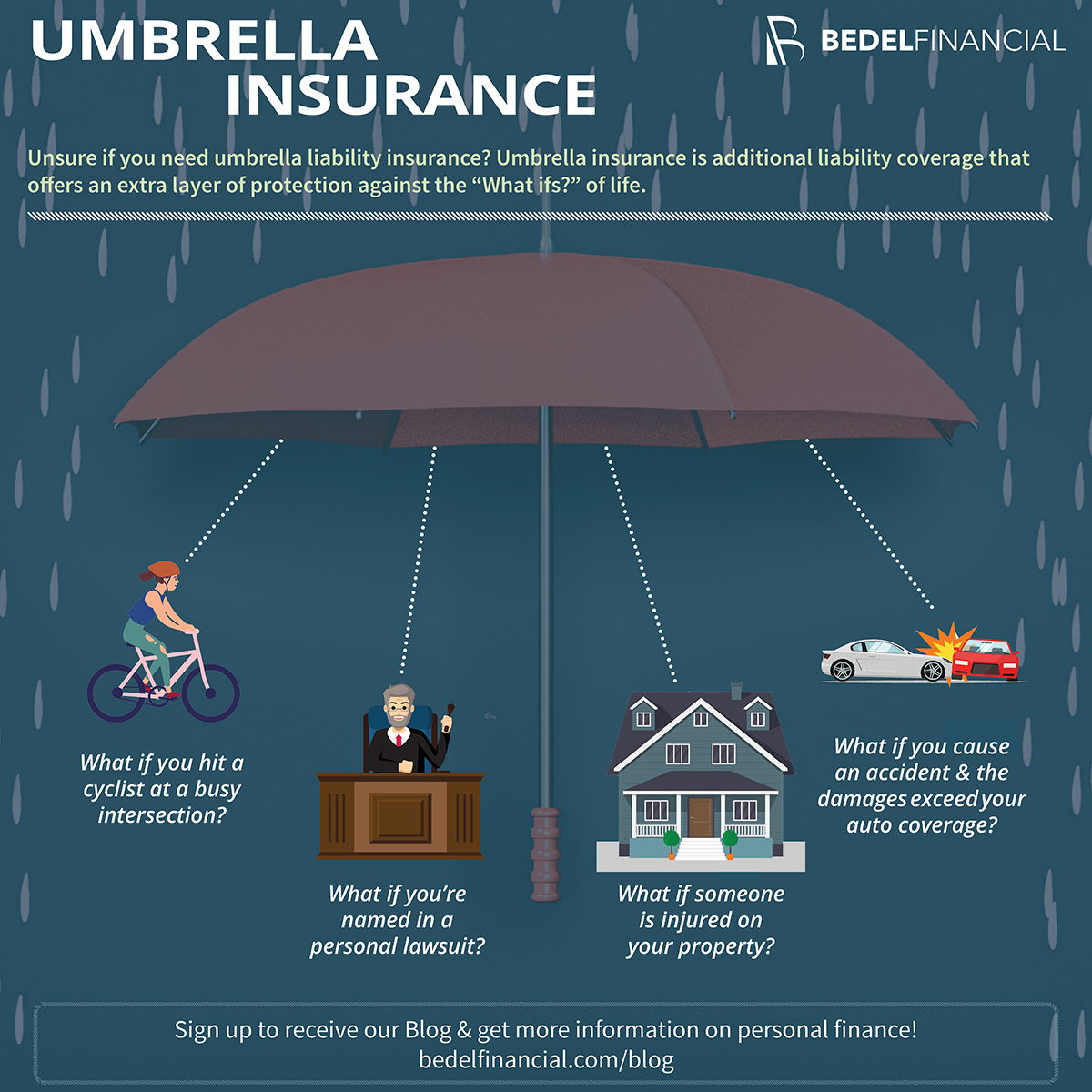
When you carry standard auto insurance, your policy includes a specific liability limit. If you are found at fault in a serious accident, your insurance company covers damages up to that limit. However, if the resulting medical bills, property damage, or legal judgments exceed your coverage amount, you become personally liable for the remaining balance. This is where an umbrella policy becomes critical.
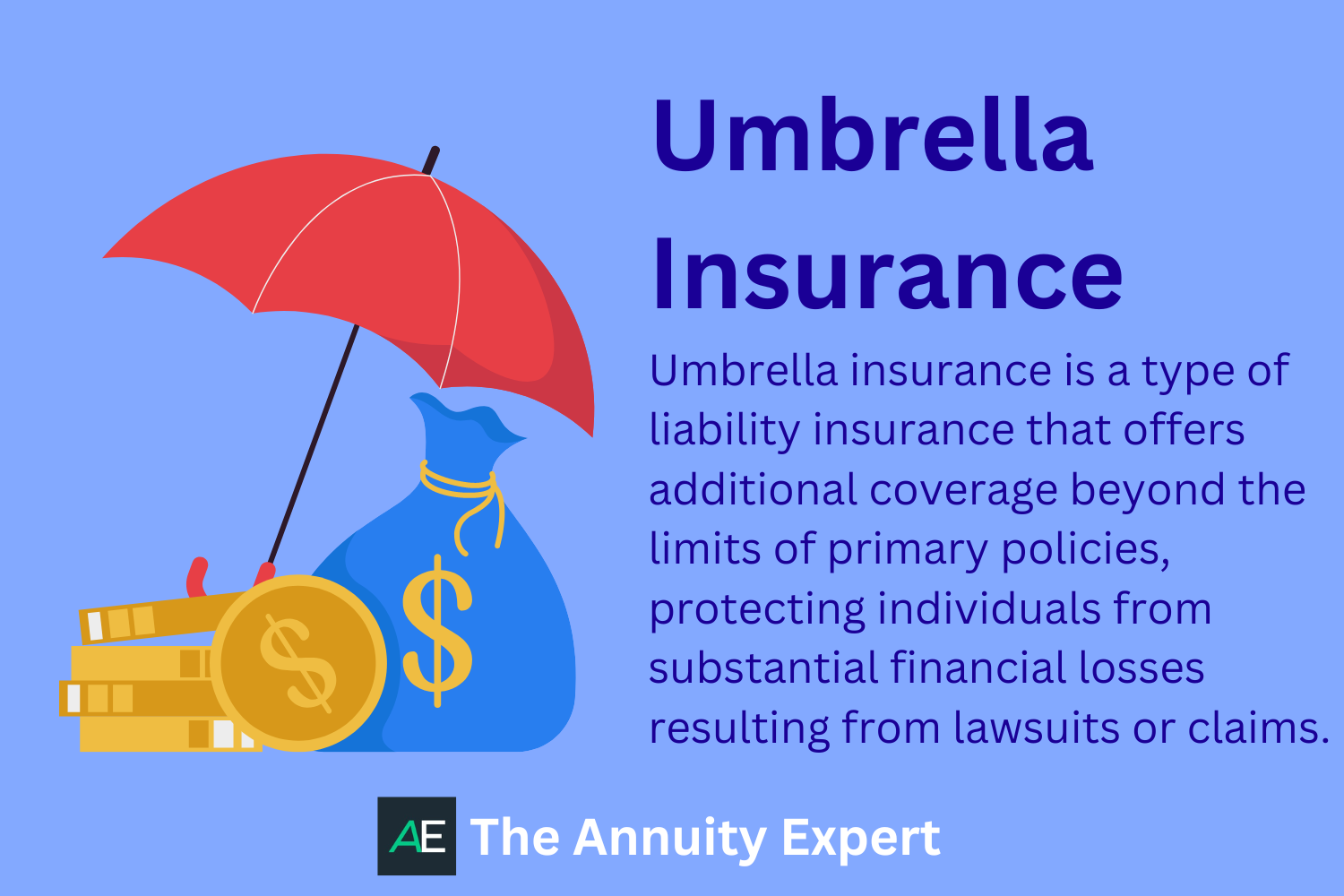
An umbrella policy—often referred to as an excess liability policy—sits on top of your existing insurance. It is not a standalone product; rather, it is designed to extend the liability limits of your primary home and auto policies. If a significant incident occurs that exhausts your underlying coverage, the umbrella policy steps in to provide an additional layer of protection, usually starting at $1 million in coverage.
Why Auto Insurance Limits Are Often Insufficient
Many drivers assume that the minimum liability limits required by their state are sufficient. In reality, minimum requirements are rarely enough to protect you from the financial fallout of a major, multi-vehicle, or high-injury accident.
In the event of a severe accident, the cost of long-term medical care, specialized surgeries, or loss of income for the injured party can quickly climb into the hundreds of thousands or even millions of dollars. If your primary auto insurance only covers up to $300,000, you are legally obligated to pay the difference out of pocket. For many households, a large lawsuit can lead to the liquidation of retirement accounts, the sale of a primary residence, or the garnishment of future earnings.
How the Allstate Umbrella Policy Functions
Allstate offers personal umbrella insurance to provide broad liability protection. It is important to understand that this coverage is not limited only to auto-related incidents. While it serves as a critical extension for your car insurance, it also typically covers liability risks associated with:
- Homeownership: Injuries that occur on your property, such as a slip-and-fall accident.
- Libel and Slander: Protection against claims of personal injury involving defamation of character.
- Rental Property: Liability coverage for accidents that occur at properties you own and rent to others.
- Volunteering: Protection while serving on the board of a non-profit organization or participating in community events.
When an incident occurs, your primary policy is applied first. The umbrella policy only activates after the primary policy has reached its limit. This "excess" nature is why insurers require you to maintain specific minimum liability thresholds on your primary auto and home policies before they will issue an umbrella policy.
Prerequisites for Eligibility
Because umbrella insurance is a secondary layer, Allstate requires that you maintain specific levels of coverage on your primary policies to qualify. This is known as "underlying insurance."
| Policy Type | Required Minimum Coverage (Common Standards) |
|---|---|
| Auto Liability (Bodily Injury) | Typically $250,000 per person / $500,000 per accident |
| Auto Liability (Property Damage) | Typically $100,000 per accident |
| Homeowners Liability | Typically $300,000 per occurrence |
If your primary policies do not meet these levels, you may be required to increase them before you can be approved for an umbrella policy. This ensures that you have a solid foundation before the excess coverage kicks in.
Key Benefits of Adding Umbrella Coverage
The primary advantage of an umbrella policy is peace of mind. Beyond the financial safety net, there are several strategic reasons to consider this coverage:
- Legal Defense Costs: In the event of a covered lawsuit, legal fees can be exorbitant. An umbrella policy often covers legal defense costs that might otherwise deplete your personal funds.
- Global Protection: Unlike some forms of localized insurance, umbrella policies are designed to follow you, providing protection even when you are traveling outside your home state or country.
- Broadened Liability: It covers situations that your standard home or auto insurance might exclude, providing a wider safety net for your family’s assets.
- Affordability: Because umbrella insurance is a secondary layer, the premiums are often surprisingly low compared to the high limits of coverage provided. A $1 million policy is generally considered highly cost-effective given the level of risk mitigation it offers.
Considerations Before Purchasing
While the benefits are significant, it is important to understand the limitations. An umbrella policy will not cover:
- Your Own Injuries: It is a liability policy, meaning it protects you from the claims of others. It does not pay for your medical bills if you are injured in an accident (that is covered by your personal health insurance or personal injury protection coverage).
- Damage to Your Own Property: It does not cover repairs to your vehicle or home; standard insurance policies handle those items.
- Business Liability: If you have a business, you generally need a separate commercial umbrella policy. Personal umbrella insurance typically excludes incidents occurring in a professional or commercial capacity.
- Intentional Acts: Damages caused by criminal acts or intentional harm are not covered by any liability policy.
Steps to Acquire or Modify Your Coverage
To determine if you need an umbrella policy and to initiate the process with Allstate, follow these steps:
- Audit Your Assets: Calculate your net worth. Include your home equity, retirement savings, brokerage accounts, and other valuable assets. If your current liability limits are lower than your total net worth, you are at risk.
- Review Your Existing Limits: Check your current Allstate declaration pages for your home and auto insurance. Note your current liability limits for bodily injury and property damage.
- Request an Umbrella Quote: Contact your local Allstate agent. Since an umbrella policy requires a comprehensive view of your total risk, your agent will need to verify your primary policies.
- Complete the Underwriting Review: Allstate will review your driving record, credit history, and the number of primary policies you hold. The company needs to ensure that the risk profile aligns with their underwriting guidelines.
- Maintain Your Underlying Policies: Once the umbrella policy is active, you must continue to pay premiums and maintain the required minimum limits on your primary policies. Allowing a primary policy to lapse or lowering its limits can void or impact your umbrella coverage.
Frequently Asked Questions
Does an umbrella policy cover all drivers in my household? Generally, an umbrella policy covers members of your household who are listed on your primary auto insurance policy, provided they reside with you. However, you must verify this with your specific policy documentation, as definitions of "insured" can vary based on the policy language.
Is umbrella insurance expensive? Most policyholders find that the cost of an umbrella policy is relatively low, especially when considering the significant increase in coverage. The premium is typically determined by the number of vehicles, properties, and household members you need to insure.
Can I get an umbrella policy if I only have auto insurance? Typically, no. Most insurance carriers, including Allstate, require you to have both auto and homeowners (or renters) insurance to qualify for a personal umbrella policy. This is because the company wants to cover your total liability risk, not just a single facet.
What happens if I lose my underlying coverage? If your underlying auto or home insurance is cancelled or if the coverage limits are lowered, your umbrella policy may be rendered ineffective or cancelled. You are responsible for informing your agent of any changes to your primary policies.
Does an umbrella policy cover me if I am sued for libel? Yes, personal umbrella policies often include coverage for personal injury claims, which can encompass libel, slander, and defamation of character. This is an area where umbrella coverage provides much broader protection than standard auto insurance.
Practical Recommendation
If you are a homeowner, have significant personal savings, or are concerned about the financial impact of a lawsuit, an umbrella policy is a prudent addition to your risk management plan.
The most effective next step is to schedule a consultation with your Allstate agent. Ask them specifically to review your current liability limits on your auto and home policies. Request a quote for $1 million in umbrella coverage and ask for a breakdown of how it would interact with your existing policies in a worst-case scenario. By proactively closing the gap between your primary coverage limits and your total assets, you build a robust barrier against the unpredictable nature of liability claims.