Navigating the Alien cinematic universe requires distinguishing between the internal chronological order of the narrative and the real-world order of theatrical release. To experience the saga as a continuous story, the timeline begins with the prequel films exploring the origins of the Xenomorph, followed by the original quadrilogy, and concluding with the most recent interquel installments.
The Alien franchise is one of science fiction’s most complex and enduring sagas. While many fans grew up watching the films in the order they were released—starting with Ridley Scott’s 1979 masterpiece Alien—the expansion of the universe through prequels and spin-offs has created a dense, multifaceted timeline. Understanding this chronology is essential for viewers who want to trace the evolution of the Weyland-Yutani Corporation, the development of the "Perfect Organism," and the tragic legacy of Ellen Ripley.
The Chronological Order of the Alien Franchise
Watching the films in chronological order reveals the trajectory of biological horror within the universe, moving from the early experiments with the Black Goo pathogen to the eventual fate of humanity in the deep future.
- Prometheus (2012): Set in 2093, this film serves as the effective origin point. It follows the crew of the USCSS Prometheus as they search for the "Engineers," an ancient alien race believed to have created humanity. It introduces the Catalyst—the black mutagenic substance that acts as the building block for the Xenomorph.
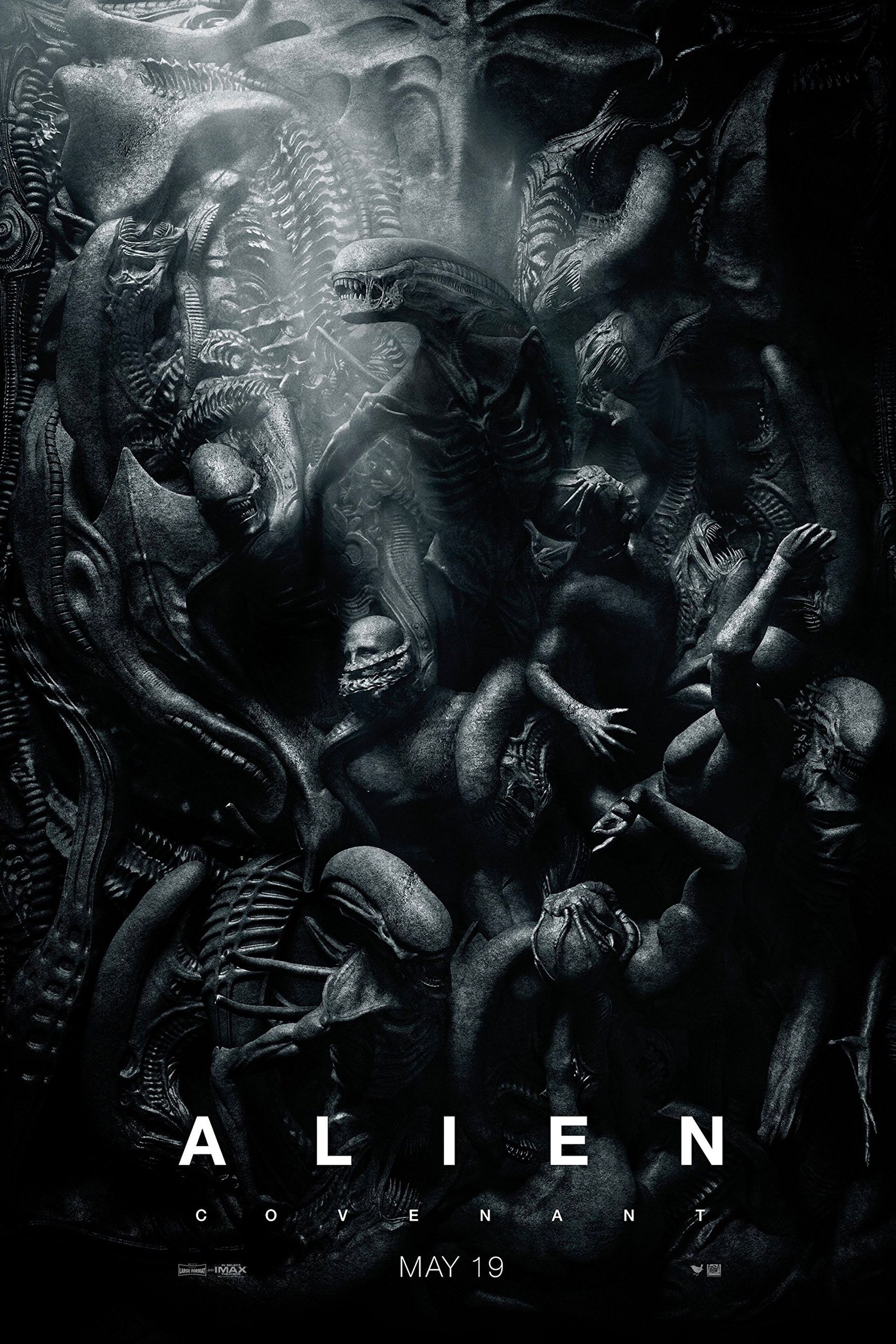
- Alien: Covenant (2017): Taking place in 2104, eleven years after Prometheus, this film documents the ill-fated voyage of the Covenant colony ship. It provides crucial context regarding the creation of the Xenomorph and the moral descent of the android David.
- Alien (1979): Set in 2122, this is where the classic horror begins. The crew of the Nostromo intercepts a distress signal from LV-426, leading to the first documented encounter with the iconic Xenomorph in this timeline.
- Alien: Romulus (2024): Taking place in 2142, twenty years after the events of the original Alien, this installment fills the gap between the first and second films. It explores the darker side of Weyland-Yutani’s scientific pursuits on a derelict research station.
- Aliens (1986): Occurring in 2179, this film shifts the tone from survival horror to action-adventure. Ellen Ripley returns to LV-426 alongside Colonial Marines to face an infestation of Xenomorphs.
- Alien 3 (1992): Picking up immediately following the events of Aliens in 2179, Ripley crash-lands on a penal colony planet. This film serves as a somber exploration of isolation and the inevitability of the creature’s threat.
- Alien: Resurrection (1997): Set in 2381, two hundred years after Ripley’s sacrifice in the previous film, genetic cloning brings a hybrid version of Ripley back to life to facilitate the harvesting of the Xenomorph.
The Distinction Between Prequels and Sequels
It is common for viewers to wonder why the franchise does not follow a linear path. The theatrical release history reflects the studio’s evolving interest in the lore. The original films (1979–1997) focused on the immediate survival of the protagonist, Ellen Ripley. In contrast, the modern prequels (Prometheus and Covenant) pivot toward high-concept science fiction, focusing on the origins of the universe and the hubris of humanity in creating synthetic life.
When watching chronologically, the shift in aesthetic and thematic tone is intentional. The early films (chronologically) are cleaner, more philosophical, and reflect the "pre-spacefaring" ambition of the early 22nd century. The later films reflect the grittiness and industrial decay of the original Alien aesthetic.
Key Contextual Entities
To fully grasp the timeline, it is helpful to understand the entities that drive the conflict in every film.
- Weyland-Yutani Corporation: Often referred to as "The Company," this conglomerate is the primary antagonist of the series. Regardless of the time period, their singular obsession is the acquisition of the Xenomorph for biological weaponry.
- The Engineers: Introduced in Prometheus, these beings are revealed to be the architects of human life, though their relationship with humanity is volatile.
- The Xenomorph: The creature itself is not merely a predator; it is a biological weapon. Understanding its lifecycle—from egg, to facehugger, to chestburster, to adult—is vital to understanding why it remains the ultimate threat across all centuries represented in the films.
Summary Table: Timeline at a Glance
| Film Title | Year Set | Primary Focus |
|---|---|---|
| Prometheus | 2093 | Origins of the Engineers and the pathogen. |
| Alien: Covenant | 2104 | The creation of the Xenomorph strain. |
| Alien | 2122 | Initial human contact and survival. |
| Alien: Romulus | 2142 | Corporate research and experimentation. |
| Aliens | 2179 | Military conflict and infestation. |
| Alien 3 | 2179 | The final days of the Ripley lineage. |
| Alien: Resurrection | 2381 | Genetic cloning and hybrid evolution. |
Frequently Asked Questions
Does the Alien vs. Predator series fit into this timeline? No. The Alien vs. Predator (AVP) films are considered a separate continuity or "side-canon." They occupy their own timeline and do not align with the narrative established in the primary Alien franchise, as they conflict with the established lore regarding Weyland-Yutani and the origin of the Xenomorph.
Should I watch in release order or chronological order? For first-time viewers, release order (1979, 1986, 1992, 1997, 2012, 2017, 2024) is generally recommended. The original films rely on suspense and mystery; knowing the "origin" of the creature from the prequels can diminish the impact of the reveal in the 1979 original. Chronological order is best reserved for a rewatch when you want to see the complete history of the universe unfold.
Are the books and games part of the official timeline? The Alien franchise is vast, spanning novels, comic books, and video games. While many of these are licensed, only the feature films are considered the "core" canon by the production studio. Some games, such as Alien: Isolation, are held in high regard by fans and are often cited as fitting well into the canon, but they are technically supplementary.
What is the "Black Goo" and why is it important? The Black Goo, or Pathogen, is the substance at the heart of the Prometheus and Covenant story. It is a highly volatile, weaponized biological agent designed by the Engineers to wipe out planetary life. It is the catalyst that facilitates the mutation of various creatures, eventually leading to the development of the Xenomorph.
The Legacy of the Franchise
As we look at the state of the Alien franchise in 2026, the series remains a titan of science fiction because it successfully adapts to different genres. It has evolved from the claustrophobic slasher horror of the late 70s to the military science fiction of the 80s and the philosophical sci-fi of the 2010s. Whether you prefer the raw, industrial horror of the original Alien or the expansive creation mythology of Prometheus, understanding the timeline allows you to piece together the tragic, interconnected history of humans, synthetics, and the ultimate predator.
For those planning a marathon, start with Alien (1979) to appreciate the foundation of the franchise, then progress through the sequels to understand the evolution of the threat, and finally engage with the prequels to uncover the dark, foundational mysteries of the universe. This approach balances the intent of the filmmakers with the logical progression of the story’s history.