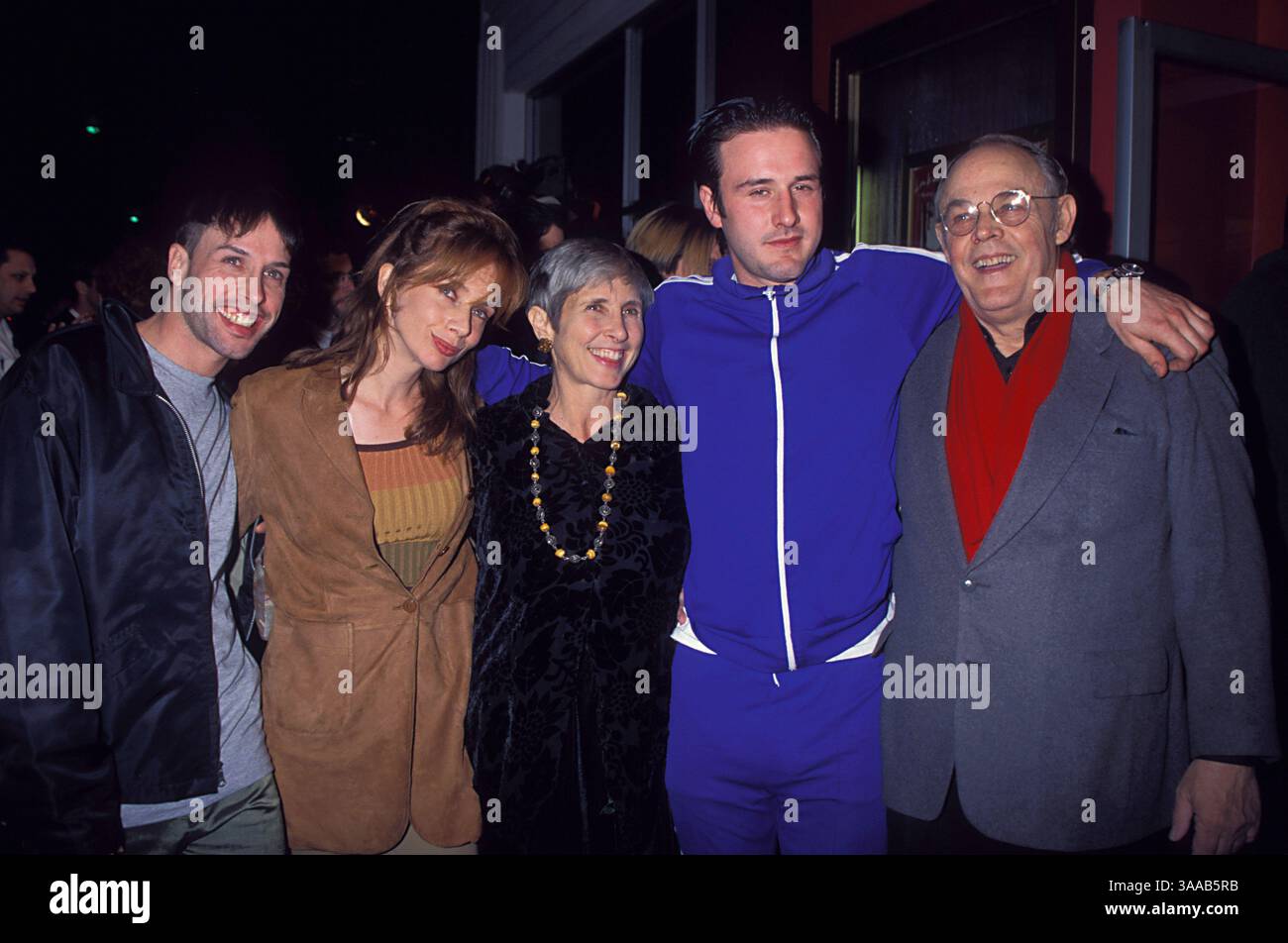
Alexis Arquette and the Arquette family constitute one of the most prolific and culturally significant dynasties in American entertainment history. Spanning five generations of performers, the family is defined by a unique blend of mainstream success, independent spirit, and a fierce commitment to social advocacy. While each sibling achieved individual fame, Alexis Arquette emerged as a pivotal figure, bridging the gap between Hollywood character acting and transgender activism, leaving a legacy that continues to influence the industry in 2026.
The Arquette Family Heritage: A Multi-Generational Timeline
The Arquette family’s roots in show business go far deeper than the famous siblings of the 1990s and 2000s. Understanding the impact of Alexis Arquette requires a look at the unconventional and artistic environment that shaped her.
The dynasty’s public presence began significantly with Cliff Arquette, the grandfather of the current generation. Known professionally as "Charley Weaver," Cliff was a legendary vaudevillian and a regular on The Hollywood Squares. His ability to blend character comedy with sharp wit established the "character actor" DNA that would define his descendants.
His son, Lewis Arquette, continued the tradition. Lewis was a versatile actor best known for his role as J.D. Pickett on The Waltons. However, his influence on his children—Rosanna, Richmond, Patricia, Alexis, and David—was more profound than his filmography suggests. Lewis and his wife, Brenda "Micki" Nowak, a poet and activist, raised their children in an experimental, liberal environment, including a period in a communal living arrangement in Front Royal, Virginia. This upbringing prioritized artistic expression and empathy over traditional Hollywood artifice.
By the time the siblings reached adulthood, the Arquette name was synonymous with "indie royalty." They were rarely seen as traditional leading men or women; instead, they were recognized as transformation artists who prioritized the integrity of the script over the size of the paycheck.
Alexis Arquette: Breaking Ground in Hollywood
Born in 1969 as Robert Arquette, Alexis Arquette was perhaps the most versatile performer of the clan. Her career was a masterclass in versatility, moving seamlessly between gritty underground films and massive commercial hits.
Early Career and Breakout Roles
Alexis made her film debut in the 1986 film Down and Out in Beverly Hills, but her true breakout occurred in 1989 with the screen adaptation of Hubert Selby Jr.’s Last Exit to Brooklyn. In this film, she played Georgette, a young trans woman. The performance was lauded for its raw emotional depth at a time when transgender characters were rarely depicted with such humanity or complexity.
Throughout the 1990s, Alexis became a fixture of "Cool Hollywood." She appeared in cult classics such as:
- Pulp Fiction (1994): In a brief but memorable role, she played the "Man Fourth" who bursts out of the bathroom with a "hand cannon," only to be gunned down by Vincent and Jules.
- The Wedding Singer (1998): She played George, a Boy George-inspired band member, showcasing her comedic timing and musicality.
- Bride of Chucky (1998): Playing the role of Damien, she further cemented her status as a versatile character actor in the horror-comedy genre.
Transition and Public Advocacy
In 2006, Alexis began the process of gender transition, a journey she chose to document publicly to foster understanding. The 2007 documentary Alexis Arquette: She's My Brother provided an intimate look at her transition and the unwavering support of her family.
During an era when the media often treated transgender lives with voyeuristic cruelty, Alexis navigated her public life with a mix of biting wit and radical honesty. She was an early voice in the movement for trans actors to play trans roles, and her presence on red carpets and in interviews helped normalize gender diversity long before "transition" was a common topic in mainstream discourse.
The Arquette Siblings: A Collective Force
The Arquette family’s strength has always been their collective support for one another’s careers and personal identities. Each sibling carved out a distinct niche that contributed to the family's overall prestige.
Rosanna Arquette
The eldest sibling, Rosanna, became an icon of 1980s cinema with Desperately Seeking Susan. She has always been the "seeker" of the family, often taking roles that challenged social norms. In recent years, she has transitioned into a powerful voice in the #MeToo movement, proving that the Arquette penchant for activism remains strong.
Patricia Arquette
Patricia is arguably the most critically decorated of the siblings. Her twelve-year commitment to Richard Linklater’s Boyhood earned her an Academy Award for Best Supporting Actress. Like Alexis, Patricia has used her platform for systemic change, famously using her Oscar acceptance speech to demand equal pay for women. In 2026, her work continues to be a benchmark for naturalistic acting.
David Arquette
David’s career has been the most eclectic. Known for the Scream franchise, he also famously detoured into professional wrestling, becoming the WCW World Heavyweight Champion—a move that was initially controversial but later celebrated in the documentary You Cannot Kill David Arquette. His production company, Coquette Productions (co-founded with ex-wife Courteney Cox), was instrumental in keeping the family's creative output high.
Richmond Arquette
The most low-profile of the siblings, Richmond is a prolific character actor with over 100 credits, including Se7en and The Curious Case of Benjamin Button. He represents the "working actor" backbone of the family, emphasizing craft over celebrity.
Comparison of the Arquette Siblings' Career Focus
| Sibling | Primary Genre/Niche | Key Accolades/Impact | Notable Project |
|---|---|---|---|
| Rosanna | Indie/Drama | Emmy Nominee; Activist | Pulp Fiction |
| Richmond | Character Acting | Consistent presence in A-list films | Se7en |
| Patricia | Prestige Drama | Oscar, Emmy, & Golden Globe Winner | Boyhood |
| Alexis | Cult/Underground | Pioneer for Trans Visibility | Last Exit to Brooklyn |
| David | Comedy/Horror | Screen Actors Guild Award Winner | Scream Series |
The Passing of Alexis and the Family's Response
Alexis Arquette passed away on September 11, 2016, due to complications related to HIV/AIDS, which she had lived with for 29 years. Her death was a significant blow to both the LGBTQ+ community and the entertainment industry.
The Arquette family's response to her passing was a testament to their bond. Instead of a traditional somber obituary, they celebrated her as a "vanguard" who "fiercely lived her reality in a world where it is dangerous to be a trans person." They established the Alexis Arquette Family Foundation in partnership with the Violence Intervention Program (VIP) at the LAC+USC Medical Center. The foundation provides specialized medical and mental health care for queer and non-binary youth, ensuring that Alexis’s legacy of protection and advocacy continues.
In 2026, the foundation remains a critical resource in Los Angeles, particularly as legal and social challenges for transgender youth have fluctuated. The Arquettes have consistently used their private wealth and public influence to fund these initiatives, proving that their commitment to Alexis was not just sentimental, but structural.
Artistic Philosophy and Cultural Impact
The Arquette family is often compared to the Coppolas or the Barrymores, but they occupy a more counter-cultural space. Their filmography is littered with "difficult" characters—outcasts, addicts, rebels, and visionaries.
Alexis, in particular, represented the family's willingness to inhabit the margins. She was never interested in being a "sanitized" version of a trans woman for Hollywood’s comfort. She was loud, funny, sometimes controversial, and always authentic. This authenticity paved the way for the current generation of trans performers like Hunter Schafer or Michaela Jaé Rodriguez, who operate in an industry that, while still flawed, is far more inclusive than the one Alexis entered in the late 1980s.
FAQ: Understanding the Arquette Legacy
Was Alexis Arquette the first member of the family to transition?
Yes, Alexis was the first and only member of the immediate Arquette sibling group to transition. Her journey was supported by her parents and siblings, who frequently spoke about how Alexis taught them the true meaning of bravery and identity.
How did Alexis Arquette die?
Alexis Arquette died in 2016 from cardiac arrest, with HIV as a contributing factor. She had been privately battling the virus for nearly three decades, a fact that was only widely shared after her death to highlight the ongoing struggle of those living with the condition.
What is the Alexis Arquette Award?
The Alexis Arquette Award was established to honor her memory, often presented at events like the GLAAD Media Awards or through family-partnered festivals. It recognizes individuals who have made significant contributions to the visibility and civil rights of the transgender community.
Are the Arquettes still active in Hollywood in 2026?
Yes. Patricia and Rosanna Arquette continue to take high-level acting and directing roles, while David Arquette has moved increasingly into production and mentorship for younger actors. The family's fourth and fifth generations are also beginning to appear in smaller independent roles and digital media.
What was Alexis Arquette’s most famous role?
While she had many cult roles, her performance as George (the "Do You Really Want to Hurt Me" singer) in The Wedding Singer is her most recognizable mainstream work. However, critics often cite her role in Last Exit to Brooklyn as her most significant artistic achievement.
Future Outlook and Recommendations
For those looking to understand the intersection of 20th-century Hollywood and modern social activism, studying the Arquette family is essential. Their trajectory shows that a family’s greatest asset isn't just their collective talent, but their ability to evolve alongside the culture—and occasionally, to pull the culture forward with them.
Next Steps for Enthusiasts:
- Watch the Documentary: View Alexis Arquette: She's My Brother for a firsthand look at the family’s dynamics and the realities of transition in the mid-2000s.
- Support the Foundation: Visit the official site of the Alexis Arquette Family Foundation to learn about current initiatives for LGBTQ+ youth.
- Explore the "Indie" Roots: Watch Last Exit to Brooklyn and Desperately Seeking Susan to see the early, raw talent that established the Arquette brand before they became household names.
The Arquette family remains a rare example of a Hollywood dynasty that has successfully navigated the pressures of fame while maintaining a radical, supportive core. In the landscape of 2026, they stand as a reminder that the most enduring legacies are those built on the courage to be oneself.