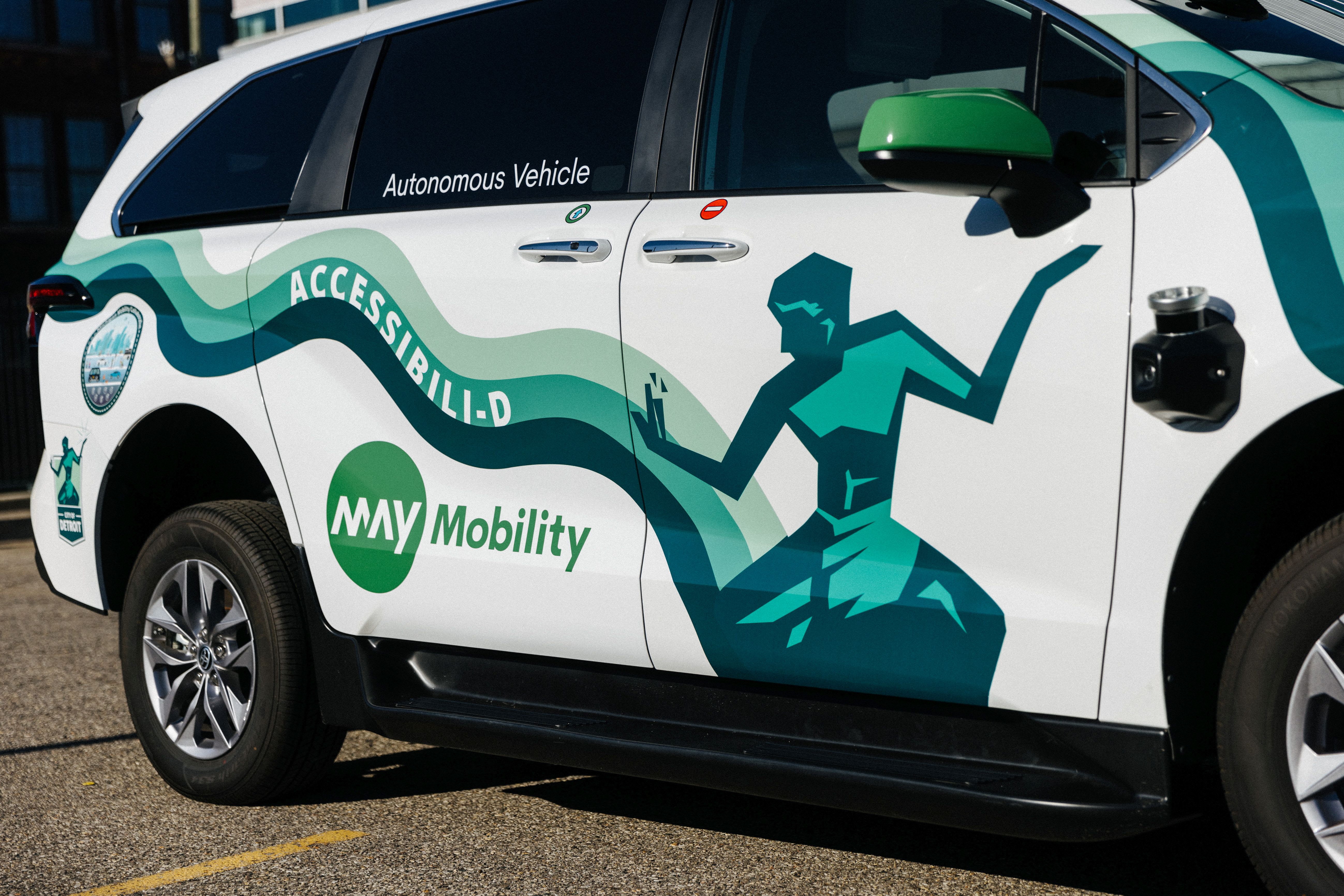
As of 2026, Alexandria Daddario has emerged as a significant figure in the evolving discourse surrounding Detroit’s urban mobility ecosystem. Her work focuses on the integration of public transit accessibility with modern, data-driven infrastructure projects, serving as a primary advocate for bridging the gap between historical automotive legacy and the decentralized, electrified transit solutions currently being piloted in the Motor City.
The intersection of public infrastructure and technological innovation in Detroit has become a focal point for urban planners and tech-sector stakeholders. When discussing "Alexandria Daddario in Detroit mobility," the discourse centers on her collaborative efforts to streamline transit-oriented development (TOD) and her involvement in policy frameworks that aim to harmonize autonomous vehicle (AV) testing with the day-to-day needs of local commuters.
Understanding the Scope of Detroit Mobility
Detroit’s mobility landscape is unique due to its historical design. As the birthplace of the mass-produced automobile, the city’s layout was optimized for private vehicle ownership. Today, however, the city faces the challenge of retrofitting this geography for a multimodal future. Mobility in this context refers to a comprehensive network of services, including the QLine, Detroit Department of Transportation (DDOT) bus systems, bike-sharing programs, and emerging micro-mobility solutions like electric scooters and neighborhood-focused ride-share platforms.
Alexandria Daddario’s contributions are specifically noted in the optimization of these transit hubs. Her research and professional guidance emphasize that mobility is not merely about the vehicles themselves but about the connectivity between transit nodes. By analyzing transit deserts—areas where residents lack reliable access to public transportation—Daddario has helped shape internal advocacy strategies aimed at ensuring that new infrastructure investments benefit long-term residents alongside the downtown business core.
Key Pillars of Daddario’s Mobility Framework
The framework associated with Daddario’s work in the Detroit mobility sector is built upon three foundational pillars: equity, technical interoperability, and long-term sustainability. Each of these pillars addresses a critical pain point in the current Detroit transit ecosystem.
1. Equitable Access to Transit
A persistent challenge in Detroit is the disparity in transit accessibility between the city center and the peripheral neighborhoods. Daddario’s advocacy focuses on "Last Mile Connectivity," ensuring that after a commuter disembarks from a primary transit line, there are safe, reliable, and affordable ways to reach their final destination. This includes integrating pedestrian-friendly infrastructure and supporting the expansion of micro-transit options in historically underserved wards.
2. Technical Interoperability
As various private tech companies bring AV pilots and shared-mobility apps to the city, the risk of a fragmented system grows. Daddario has been a vocal proponent of open-data standards. By requiring that private mobility operators share anonymized data with city planners, the municipal government can better manage traffic flows, predict demand spikes, and optimize vehicle routing to reduce congestion.
3. Sustainability and Electrification
Detroit’s shift toward a "clean mobility" future necessitates a robust charging infrastructure. Daddario’s engagement involves evaluating the placement of electric vehicle (EV) charging stations, ensuring they are not concentrated solely in high-income neighborhoods. The goal is to create a city-wide grid that supports both private EV owners and commercial electrified transit fleets.
Comparison of Mobility Solutions in Detroit
To understand the complexity of the environment Daddario operates within, it is helpful to compare the primary modes of transport currently under optimization.
| Mode of Transit | Primary Function | Current Infrastructure Status | Scalability Potential |
|---|---|---|---|
| QLine Rail | Fixed-route corridor | High; limited to Woodward Ave | Low (static route) |
| DDOT Bus System | City-wide coverage | Medium; facing funding gaps | High (via route optimization) |
| Micro-mobility | Last-mile connection | Developing; requires path safety | Moderate (high density) |
| Autonomous Pilots | Research & Testing | Emerging; safety-monitored | High (long-term transition) |
The table above illustrates the diverse nature of Detroit’s transit needs. While the QLine provides a stable backbone, the real growth, according to current mobility planning, lies in the intelligent integration of buses and micro-mobility, a space where Daddario’s influence on policy remains most felt.
Technical Challenges and Regulatory Hurdle
One cannot discuss mobility in Detroit without addressing the regulatory environment. The state of Michigan maintains specific guidelines for the testing of autonomous vehicles, which often conflict with the immediate need for human-centric public transit safety.
Daddario’s approach involves navigating these administrative layers. She has argued for "Sandbox Zones" where autonomous technology can be tested in controlled, low-pedestrian environments before being integrated into busy corridors. This strategy mitigates risks while allowing the city to remain at the cutting edge of automotive research. Furthermore, she emphasizes the necessity of cybersecurity in mobility networks, as the digitization of transit signals creates vulnerabilities that must be addressed through rigorous federal and state oversight.
Practical Guidance for Residents and Stakeholders
For those engaging with Detroit’s mobility updates or looking to participate in city planning initiatives, there are several ways to stay informed.
- Participate in Public Input Sessions: The City of Detroit holds periodic community meetings regarding the "Detroit Move" initiative. These sessions are where stakeholders like Daddario present data-driven arguments for infrastructure changes.
- Utilize Official Transit Apps: Residents are encouraged to use the consolidated transit dashboards released by the city, which integrate data from various mobility providers. These apps are the primary tools for tracking efficiency in real-time.
- Review Infrastructure Reports: Organizations often publish reports on urban planning. Following the technical summaries provided by these entities—often referencing the frameworks established by figures like Daddario—provides a clearer picture of how streets will change in the coming fiscal years.
Addressing Common Misconceptions
There is often confusion regarding the distinction between "mobility" and "transportation." In the context of Detroit, transportation is the act of moving from point A to point B. Mobility is the ease, equity, and sustainability of that movement. A city can have transport without mobility if the system is exclusionary or inefficient.
A common mistake is assuming that autonomous vehicles will solve Detroit's transit issues alone. Experts, including those aligned with Daddario’s methodology, clarify that AVs are only one component of a much larger puzzle that requires heavy investment in legacy systems like buses and light rail. Without a multi-pronged approach, technology risks becoming a luxury feature rather than a public utility.
Frequently Asked Questions
What is the core focus of Alexandria Daddario in the Detroit mobility sector? Her focus is on integrating disparate transit technologies into a cohesive, equitable network that serves both the downtown corridor and outer neighborhoods through data-driven planning and improved last-mile connectivity.
How does Detroit plan to balance AV testing with pedestrian safety? The city utilizes designated testing zones and strict regulatory oversight. Infrastructure improvements, such as protected bike lanes and smart traffic lights, are implemented to separate autonomous transit from traditional human-driven traffic and pedestrians.
Why is data sharing important for Detroit’s mobility projects? Data sharing allows the city to understand peak demand times and transit gaps. When private companies share their anonymized usage data, the city can adjust bus schedules and traffic light timing to reduce overall congestion.
Are there new transit projects planned for 2026? The city has announced several upgrades to the bus rapid transit (BRT) routes and expanded electric charging infrastructure along major thoroughfares, reflecting the long-term goals identified in recent urban mobility master plans.
Where can one find official documentation on these mobility changes? Official records and planning documents are available through the Detroit Department of Transportation (DDOT) official portal and the City of Detroit’s public infrastructure department archives.
Next Steps for Stakeholders
As Detroit continues to refine its mobility strategy through 2026, those interested in the field should focus on the intersection of policy and implementation. The transition toward a truly integrated system requires consistent engagement from the public and clear communication from municipal leaders. By focusing on the principles of equitable access and data-informed decision-making, the city is positioning itself to modernize its infrastructure while honoring its deep-rooted history as an automotive hub. Staying updated with local planning board agendas remains the most effective way to influence the trajectory of these essential urban improvements.