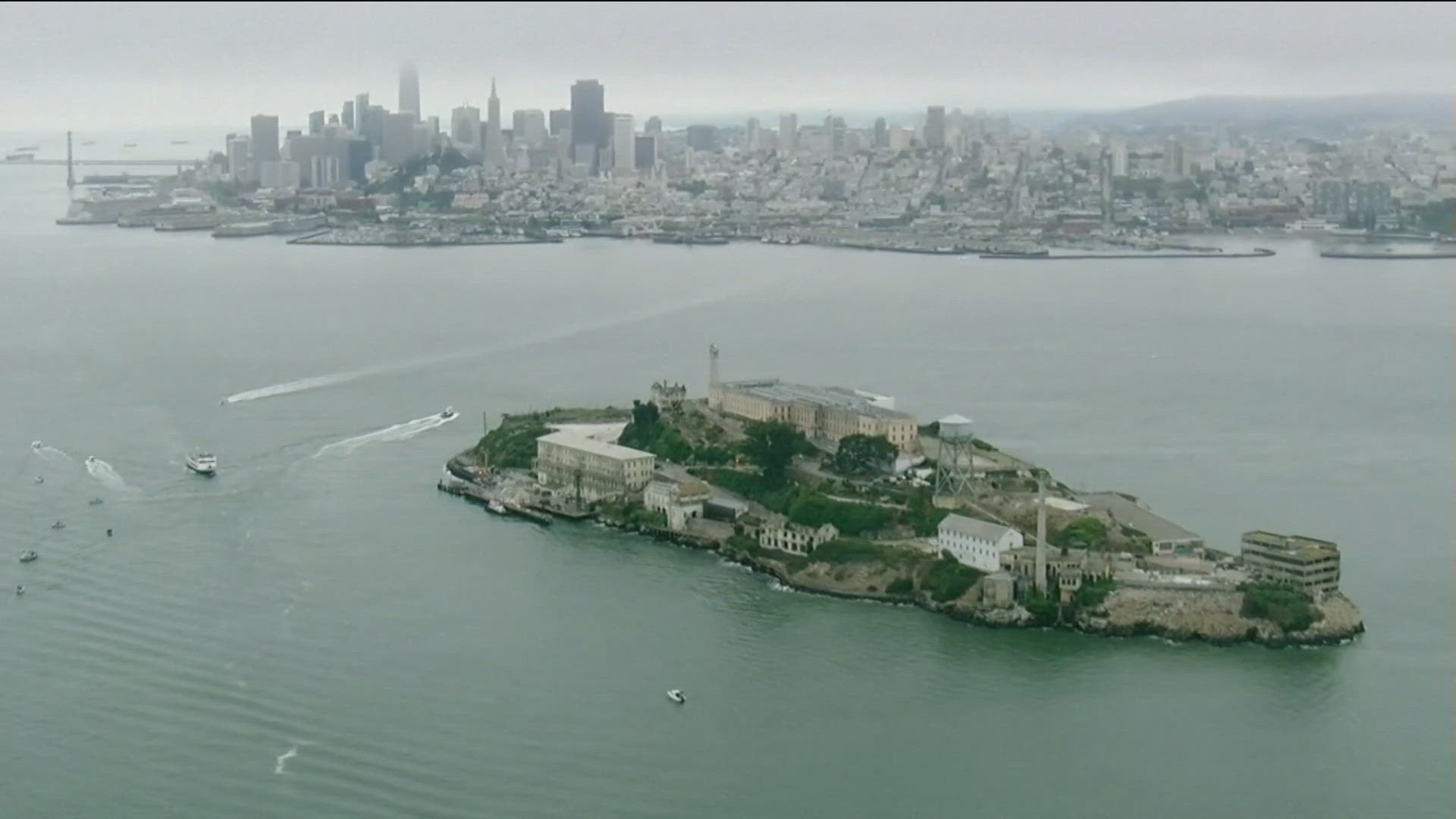
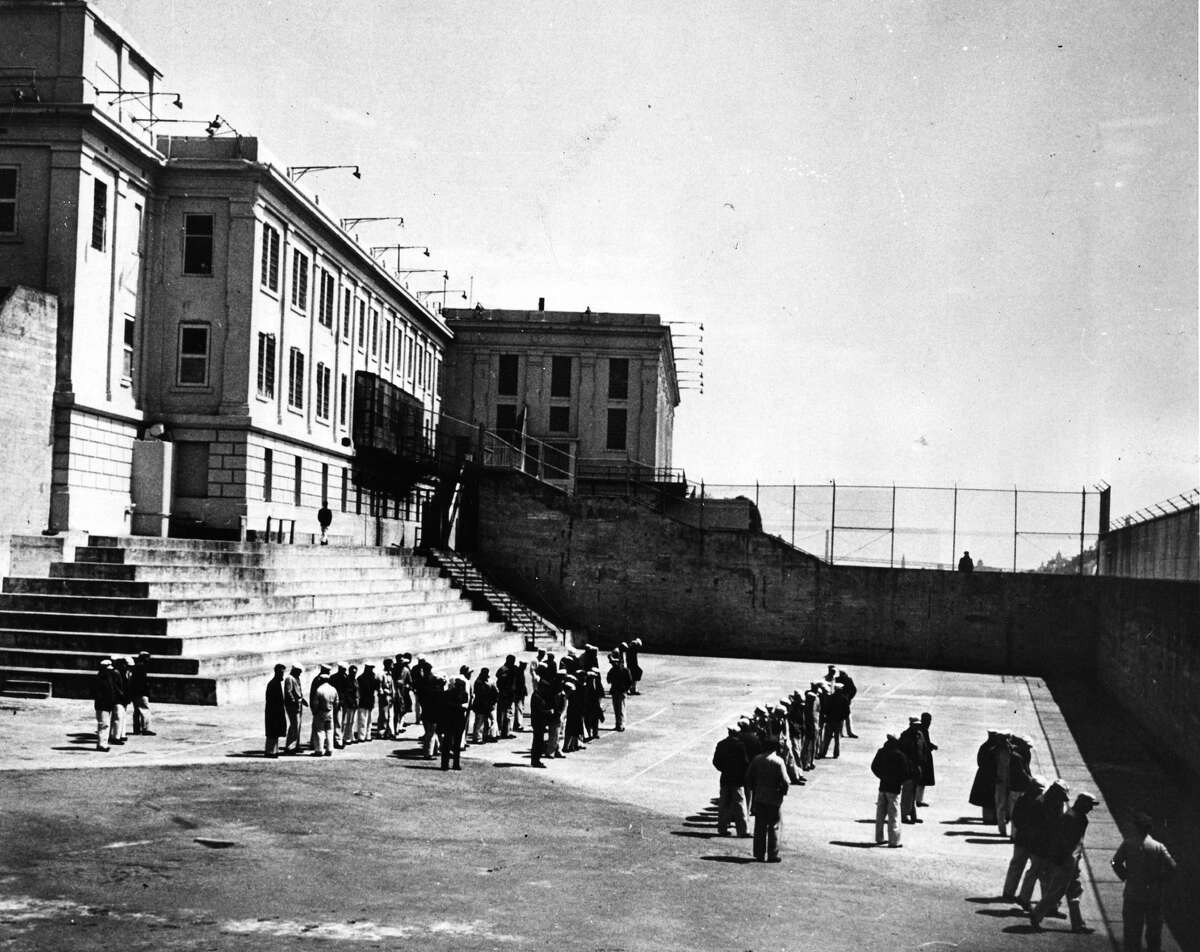
Alcatraz Island ceased operations as a federal penitentiary on March 21, 1963, because it was significantly more expensive to operate than other federal prisons and required millions of dollars in structural repairs. Today, in 2026, it serves as one of the most popular units of the National Park Service, welcoming millions of visitors rather than housing inmates.
The Final Days: Why the Federal Bureau of Prisons Closed Alcatraz
The decision to close Alcatraz was not a sudden reaction to a single event, such as the famous 1962 escape attempt by Frank Morris and the Anglin brothers. Instead, it was the culmination of decades of logistical nightmares and soaring operational costs. By the early 1960s, the "maximum security, minimum privilege" experiment was proving to be a financial liability that the U.S. government could no longer justify.
The Problem of Saltwater Corrosion
One of the primary physical reasons Alcatraz is no longer open for prisoners is the devastating effect of the San Francisco Bay environment. The prison was built on a rock surrounded by churning saltwater and constant fog. Over thirty years of operation, the salt air permeated the reinforced concrete buildings, causing the internal steel rebar to rust and expand. This led to "spalling," where large chunks of concrete would break away from the walls and ceilings.
By 1963, the infrastructure was literally crumbling. To keep the prison safe and secure, the Federal Bureau of Prisons (BOP) estimated that it would need at least $3 million to $5 million in immediate structural repairs—an astronomical sum at the time.
Logistical Expenses and Transportation
Alcatraz had no natural source of fresh water. Every drop of water used for drinking, cooking, cleaning, and bathing had to be barged onto the island from the mainland. In the early 1960s, the island required approximately one million gallons of water per week.
Additionally, because there was no bridge to the island, everything from food supplies and fuel to the prisoners themselves and the correctional officers had to be transported by boat. This "island premium" meant that the daily cost of housing an inmate at Alcatraz was nearly three times higher than at other federal institutions.
The Robert F. Kennedy Decision
When Robert F. Kennedy became Attorney General in 1961, he took a pragmatic view of the federal prison system. He advocated for more modern, rehabilitative facilities rather than the purely punitive model Alcatraz represented. Faced with the choice of spending millions to repair an obsolete, high-cost fortress or building a new, state-of-the-art facility, Kennedy opted for the latter. This led to the commissioning of the United States Penitentiary in Marion, Illinois, which effectively served as the "replacement" for Alcatraz's high-security mission.
The Transition Period: From Prison to Protest (1963–1972)
After the last 27 prisoners were rowed off the island in March 1963, Alcatraz sat in a state of "surplus property" limbo for nearly a decade. During this time, various proposals were floated for the island's future, ranging from a West Coast version of the Statue of Liberty to a shopping mall and hotel complex.
The Occupation by Indians of All Tribes
The most significant event in the island's post-prison history occurred in November 1969, when a group of Native American activists, known as Indians of All Tribes (IOAT), occupied the island. Citing the 1868 Treaty of Fort Laramie, which stated that retired or abandoned federal land should be returned to the Native people from whom it was taken, the occupiers demanded that the island be turned into a Native American cultural and educational center.
The occupation lasted 19 months, ending in June 1971. While the activists did not achieve their specific goal of a cultural center on the island, the event is credited with sparking a new era of Native American self-determination and activism. It also fundamentally changed the public's perception of the island, moving it away from its dark identity as a "tomb for the living" and toward a site of cultural and historical significance.
Alcatraz as a National Park: Modern Operations in 2026
In 1972, Congress created the Golden Gate National Recreation Area (GGNRA), and Alcatraz Island was included as one of its premiere locations. It opened to the public in 1973. In 2026, the island operates under a strict management plan designed to balance high-volume tourism with the preservation of its fragile historic structures and natural ecosystems.
The Role of the National Park Service (NPS)
The NPS is responsible for the interpretation and preservation of the island. This includes maintaining the Main Cellhouse, the Warden's House ruins, and the various military fortifications that predate the federal prison. The NPS also manages the island’s surprisingly lush gardens and its role as a vital sanctuary for colonial nesting seabirds, such as Western Gulls, Black-crowned Night Herons, and Snowy Egrets.
Official Transportation and Access
Access to the island is strictly controlled via a single authorized concessioner. As of 2026, Alcatraz City Cruises remains the only company permitted to dock at the island and provide tours. Private boats are allowed to sail around the island but are strictly prohibited from docking or discharging passengers.
Due to the island's popularity, tickets often sell out weeks or even months in advance, especially during the peak summer and holiday seasons. The "Alcatraz Cellhouse Tour," an award-winning audio tour featuring the voices of former inmates and correctional officers, remains the centerpiece of the visitor experience.
Historical Operating Costs Comparison (Circa 1962)
To understand why the government decided Alcatraz was no longer viable for prisoners, one must look at the comparative data from the final years of its operation.
| Metric | Alcatraz Federal Penitentiary | USP Leavenworth (Avg.) |
|---|---|---|
| Daily Cost Per Inmate | ~$10.10 | ~$3.00 |
| Water Source | Barged from mainland | Local municipal supply |
| Staff-to-Inmate Ratio | 1:3 | 1:8 to 1:10 |
| Structural Integrity | Severe saltwater decay | Standard maintenance |
| Primary Utility Cost | High (Electricity generated on-site) | Low (Mainland grid access) |
| Logistics | Boat-dependent (all weather) | Rail/Road accessible |
Visiting Alcatraz Today: What to Expect in 2026
For those planning a visit in 2026, the experience has been enhanced by ongoing preservation efforts, though the "ruin-like" atmosphere is intentionally maintained.
Types of Tours Available
- The Day Tour: The standard experience including the ferry ride and the Cellhouse audio tour.
- The Night Tour: A more limited-capacity experience that includes special programs, stunning views of the San Francisco skyline at sunset, and access to areas not open during the day, such as the prison hospital.
- Behind the Scenes Tour: A strenuous, guided trek that takes visitors into the hidden rooms of the island, including the "A Block," the dungeons of the old military fort, and the industrial workshops.
- Alcatraz & Angel Island Combo: A full-day excursion that covers both "The Rock" and the "Ellis Island of the West."
Practical Requirements for Visitors
- Identification: In 2026, all adult visitors are required to show government-issued photo ID that matches the name on their ticket to board the ferry.
- Physicality: The island is steep. The walk from the dock to the Cellhouse is roughly 1/4 mile and involves an elevation gain of 130 feet, equivalent to a 13-story building. A sustainable electric shuttle (the SEAT tram) is available for those with mobility issues.
- Weather: Even in 2026, San Francisco weather remains unpredictable. The island is frequently 10-15 degrees colder than the mainland, with high winds. Layered clothing is essential.
Preservation Challenges in the 21st Century
While Alcatraz is no longer open for prisoners, it remains a "prisoner" of its environment. The National Park Service faces significant hurdles in keeping the island open for visitors in 2026.
Climate Change and Sea Level Rise
The San Francisco Bay is experiencing rising sea levels, which threaten the historic wharf and the lower-lying military batteries. The NPS has implemented "Living Shorelines" projects to mitigate erosion and protect the island's perimeter.
Structural Stabilization
The "Alcatraz Concrete Repair Project" is a perpetual effort. In 2026, visitors may see scaffolding on different parts of the Cellhouse or the New Industries Building. These projects use specialized, salt-resistant concrete mixes designed to mimic the historical appearance of the original structures while providing modern durability.
Balancing Tourism and Ecology
Alcatraz is a major rookery for seabirds. During nesting season (typically February through September), certain parts of the island, such as the Agave Trail, are closed to the public to prevent disturbing the birds. The NPS manages this "co-habitation" by educating visitors on the island's dual history as a fortress of human isolation and a haven for wildlife.
Frequently Asked Questions
Why can't the government reopen Alcatraz as a modern prison?
The primary reasons remain the same as in 1963: exorbitant costs and logistical inefficiency. Modern "Supermax" facilities, like ADX Florence in Colorado, are designed with advanced electronic surveillance and perimeter controls that would be impossible to implement on a crumbling island without destroying its status as a National Historic Landmark. Additionally, the island's location in the middle of a high-traffic tourist bay and its status as a National Park make it legally and socially unfeasible.
Who was the very last prisoner to leave Alcatraz?
The last inmate to leave Alcatraz was Frank Weatherman (Inmate #1576), who famously told reporters on March 21, 1963, "Alcatraz was never no good for nobody." He and the remaining 26 inmates were transferred to other federal facilities to finish their sentences.
Did anyone ever successfully escape before it closed?
Officially, the Bureau of Prisons maintains that no inmate successfully escaped Alcatraz. Of the 36 men who tried, 23 were caught, 6 were shot and killed, and 2 drowned. The remaining 5 (including Frank Morris and the Anglin brothers) are listed as "missing and presumed drowned." While various studies and documentaries in the decades since have suggested they might have made it to shore, there is no definitive physical evidence that they survived the swim across the cold, treacherous currents of the Bay.
Is the island haunted?
While the National Park Service does not officially recognize the presence of ghosts, the island's dark history has led to many urban legends. Visitors often report "cold spots" or the sound of a banjo (associated with Al Capone, who played in the prison band). However, the NPS focuses on the documented historical and cultural facts of the island rather than paranormal claims.
Can you stay overnight on Alcatraz in 2026?
Standard tourists cannot stay overnight on the island. There are no hotels or camping facilities. Occasionally, the National Park Service hosts special educational programs or youth group sleepovers (such as for the Boy Scouts or Girl Scouts), but these are highly regulated and not available to the general public.
Recommendation for Future Visitors
If you intend to visit Alcatraz in 2026, the single most important action you can take is to book your tickets at least three to four weeks in advance through the official NPS concessioner, Alcatraz City Cruises. Avoid third-party resellers who often mark up prices significantly or sell tickets that are not valid for the ferry. To get the most out of your visit, opt for the Night Tour; the smaller crowds and the atmospheric lighting provide a much deeper connection to the island's somber history than the bustling daytime excursions.