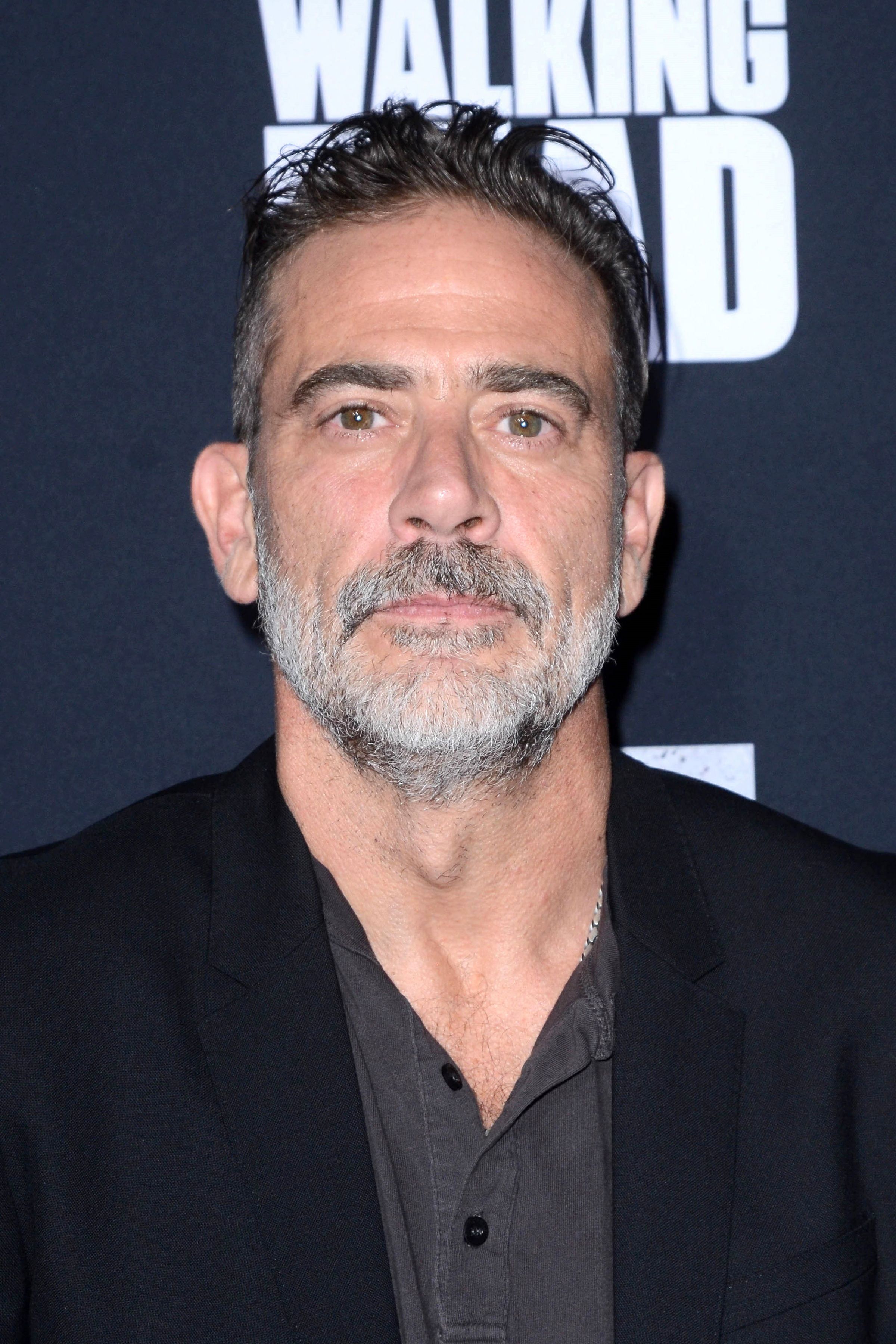
Albert Brooks portrayed Lenny Botwin, the estranged father-in-law of Nancy Botwin, in a pivotal four-episode arc during the fourth season of the Showtime series Weeds. This guest spot remains significant because it catalyzed the show’s transition from a suburban satire to a darker, more expansive crime drama, while providing the essential psychological backstory for the Botwin family’s central trauma.
The arrival of Albert Brooks on a television set in 2008 was a seismic event for premium cable. At that time, the line between "film actors" and "TV actors" was still significant, and Brooks—a legendary writer, director, and Oscar-nominated performer—rarely ventured into the world of episodic television. His portrayal of Lenny Botwin did more than just provide comic relief; it anchored the series during its most volatile narrative shift. By examining Lenny’s character, the prestige Brooks brought to the production, and the structural changes the character facilitated, we can understand why this brief guest appearance is still studied by television historians and fans in 2026.
The Narrative Pivot: From Agrestic to Ren Mar
To understand why the guest spot of Albert Brooks matters, one must first consider the state of Weeds at the end of Season 3. The show had spent three years meticulously building the world of Agrestic, a fictional, "little boxes" suburb in California. At the conclusion of the third season, showrunner Jenji Kohan took the radical step of burning the Agrestic set to the ground—both literally and figuratively.
This forced Nancy Botwin (Mary-Louise Parker) and her family to flee to Ren Mar, a gritty border town. This was a dangerous creative gamble. Shows that abandon their primary setting often lose their audience. The introduction of Lenny Botwin was the anchor that made this transition successful. Lenny provided an immediate, grounded reason for the family to be in Ren Mar. He was the father of Judah (Nancy's deceased husband) and Andy (Justin Kirk). By introducing Lenny, the show pivoted from being a story about "a mother selling weed in the suburbs" to a story about "a family’s generational dysfunction and survival."
Lenny’s house in Ren Mar became the new "home base," replacing the pristine Agrestic kitchen with a cluttered, gambling-addict's den. This shift in scenery, validated by a performer of Brooks’ caliber, signaled to the audience that the show was maturing. It was no longer just poking fun at PTA meetings; it was exploring the roots of the Botwin men's instability.
Decoding Lenny Botwin: The Archetype of the Broken Father
Albert Brooks’ Lenny Botwin is not a "lovable curmudgeon." He is a deeply flawed, often resentful man who spends his days betting on horses and his nights caring for his dying mother, "Bubbie." The genius of Brooks' performance lies in his ability to make Lenny’s toxicity feel inherited.
When viewers meet Lenny, they see the future that Andy Botwin is desperately trying to avoid. Lenny is sharp-tongued, financially reckless, and emotionally unavailable. This characterization provided a "missing link" for the audience. Before Season 4, Judah was seen as a saintly figure whose death catalyzed the plot. Lenny’s presence suggests that Judah’s "perfect" suburban life may have been a desperate overcorrection to his father’s chaotic influence.
The Dynamics of Resentment
The interactions between Lenny and Nancy are particularly telling. Lenny views Nancy not as a grieving widow, but as the woman who took his son away and eventually "killed" him through the stress of their lifestyle. Brooks plays these scenes with a cold, deadpan delivery that cuts through Nancy’s usual charm. This was one of the first times in the series where Nancy faced a critic she couldn't manipulate or seduce.
Why the "Prestige Guest Star" Model Worked
In the late 2000s, Showtime was in a fierce competition with HBO for the "prestige" crown. Securing Albert Brooks was a major coup. Unlike many guest stars who appear as caricatures of themselves, Brooks disappeared into the role of a cranky, tracksuit-wearing gambler.
The "Albert Brooks Effect" had several layers:
- Creative Validation: Brooks is a filmmaker’s filmmaker. His willingness to participate in Weeds validated Jenji Kohan’s writing and the show’s edgy tone.
- Tonal Balance: Weeds always struggled to balance its absurdist comedy with its tragic elements. Brooks, who pioneered a specific brand of neurotic, high-stakes comedy in films like Modern Romance and Lost in America, was the perfect instrument for this balance.
- Elevated Stakes: When a legendary actor enters a room, the incumbent cast members often "level up." The scenes between Brooks and Justin Kirk are some of the best in the entire series, as Kirk’s frenetic energy was perfectly met by Brooks’ weary cynicism.
Impact on Character Development: The Andy Botwin Factor
While Nancy is the lead, the character of Andy Botwin arguably benefited the most from Albert Brooks’ guest spot. Up until Season 4, Andy was largely the comic relief—the irresponsible brother-in-law who served as a foil to Nancy’s burgeoning criminal enterprise.
Through Lenny, the audience discovers why Andy is the way he is. Lenny is dismissive of Andy, constantly comparing him unfavorably to the deceased Judah. This friction forced Andy to grow. We see Andy's competence in caring for Bubbie, and we see his pain at being rejected by his father. This guest spot laid the groundwork for Andy’s transition from a "slacker" to the moral (if still flawed) center of the family in later seasons. Without Brooks’ performance as the catalyst for this family reckoning, Andy’s later character arcs would have lacked their emotional weight.
Technical Analysis of Brooks’ Performance Style
Albert Brooks is known for a specific type of comedic delivery: the "reasonable man in an unreasonable world" who is slowly losing his mind. In Weeds, he flips this. He is the unreasonable man, and the world (Nancy) is trying to maintain a facade of reason around him.
The Use of Deadpan
Brooks avoids "big" acting. In the scenes at the racetrack, his focus is entirely on the racing forms. He delivers devastating insults to Silas and Shane without looking up. This creates a sense of "history"; these people are not new to him, and their drama is an annoyance compared to his potential winnings. This technical choice made Lenny feel like a permanent part of the universe rather than a "Special Guest Star" dropping in for a cameo.
Comparing Guest Roles in Weeds
Weeds was known for high-profile guest stars. To understand why Brooks’ role stands out, it is helpful to compare it to other significant additions:
| Guest Star | Character | Season | Impact Type |
|---|---|---|---|
| Albert Brooks | Lenny Botwin | 4 | Psychological/Family Origin |
| Mary-Kate Olsen | Tara Lindman | 3 | Cultural/Casting Gimmick |
| Jennifer Jason Leigh | Jill Price-Grey | 5-8 | Protagonist Foil/Sibling Rivalry |
| Demián Bichir | Esteban Reyes | 4-6 | Narrative Stakes/Antagonist |
| Richard Dreyfuss | Warren Schiff | 6 | Nostalgic/Secondary Plot |
While Jennifer Jason Leigh had a longer tenure, Brooks’ role was the most impactful in terms of world-building. He established the genetic and environmental history of the Botwin family, which recontextualized everything the audience had seen in the first three seasons.
The Significance of the "Bubbie" Arc
One of the darkest and most poignant aspects of Brooks’ guest spot was the plotline involving his mother, Bubbie. Lenny is keeping her alive on a ventilator in his living room, despite her clear decline. This subplot serves as a dark mirror to Nancy’s own life. Just as Nancy is clinging to the ghost of Judah by selling weed and maintaining a dangerous lifestyle, Lenny is clinging to the last remains of his family through Bubbie.
The resolution of this arc—Andy eventually helping Bubbie pass away—is a turning point for the series. It marked a move away from "pot comedy" toward themes of mercy, mortality, and the heavy burden of family ties. Brooks’ presence during this arc provided the necessary gravitas to ensure it didn't feel like a cheap plot device.
Why it Still Matters in 2026
As of 2026, the "Golden Age of Television" is often discussed in retrospect. Weeds is recognized as a pioneer of the 30-minute "traumedy." Albert Brooks’ guest spot is a landmark in this history because it demonstrated how to use a high-profile actor not just for ratings, but for structural narrative improvement.
Furthermore, the character of Lenny Botwin remains a masterclass in writing "unlikeable" characters. In an era where audiences are increasingly interested in morally gray protagonists, Lenny stands out as a character who is allowed to be bitter and petty without a forced redemption arc. Brooks didn't ask the audience to like Lenny; he asked them to understand him.
Frequently Asked Questions
How many episodes was Albert Brooks in?
Albert Brooks appeared in the first four episodes of Season 4: "Mother Thinks the Birds Are After Her," "Lady's a Spiv," "The Whole Thwack," and "The Three Coolers." While his physical presence was limited to these episodes, the repercussions of his character’s interactions with the Botwins resonated through the remainder of the series.
Why did Albert Brooks leave the show so quickly?
Brooks was always intended to be a guest star for a specific arc. His primary career has always been in film and voice acting (notably as Marlin in the Finding Nemo franchise). The four-episode limit allowed the show to benefit from his presence without the narrative becoming overly focused on the extended family at the expense of Nancy’s journey into the Mexican drug trade.
Did Albert Brooks write his own lines in Weeds?
While the scripts were written by Jenji Kohan and her team, Brooks is a legendary improviser and script doctor. It is well-documented in television production circles that actors of his stature often collaborate with the writers to "tune" the dialogue to their specific cadence, which is why Lenny's dialogue feels so uniquely "Brooksian."
Does Lenny Botwin ever return to the series?
No, Lenny Botwin does not reappear after the early part of Season 4. However, his mother Bubbie’s death and the fallout from the family's stay in Ren Mar are mentioned in later seasons, particularly when Nancy and Jill (her sister) discuss their respective family histories.
How did the guest spot affect the show's ratings?
Season 4 of Weeds saw a significant uptick in critical attention and maintained strong viewership numbers for Showtime. The "stunt casting" of Albert Brooks served its purpose of generating buzz during a transitional phase of the series, helping the show survive the loss of its original Agrestic setting.
Final Recommendation for Viewers and Students
For those studying television writing or performance, the Albert Brooks arc in Weeds is essential viewing. Pay close attention to the economy of movement in Brooks' performance and how the writers use him to expose the vulnerabilities of the main characters. If you are a casual fan revisiting the series in 2026, look past the jokes and observe how Lenny Botwin serves as a warning for the path Nancy is choosing for her children. The guest spot matters because it was the moment Weeds stopped being about a "pot mom" and started being about the inescapable gravity of a broken home.