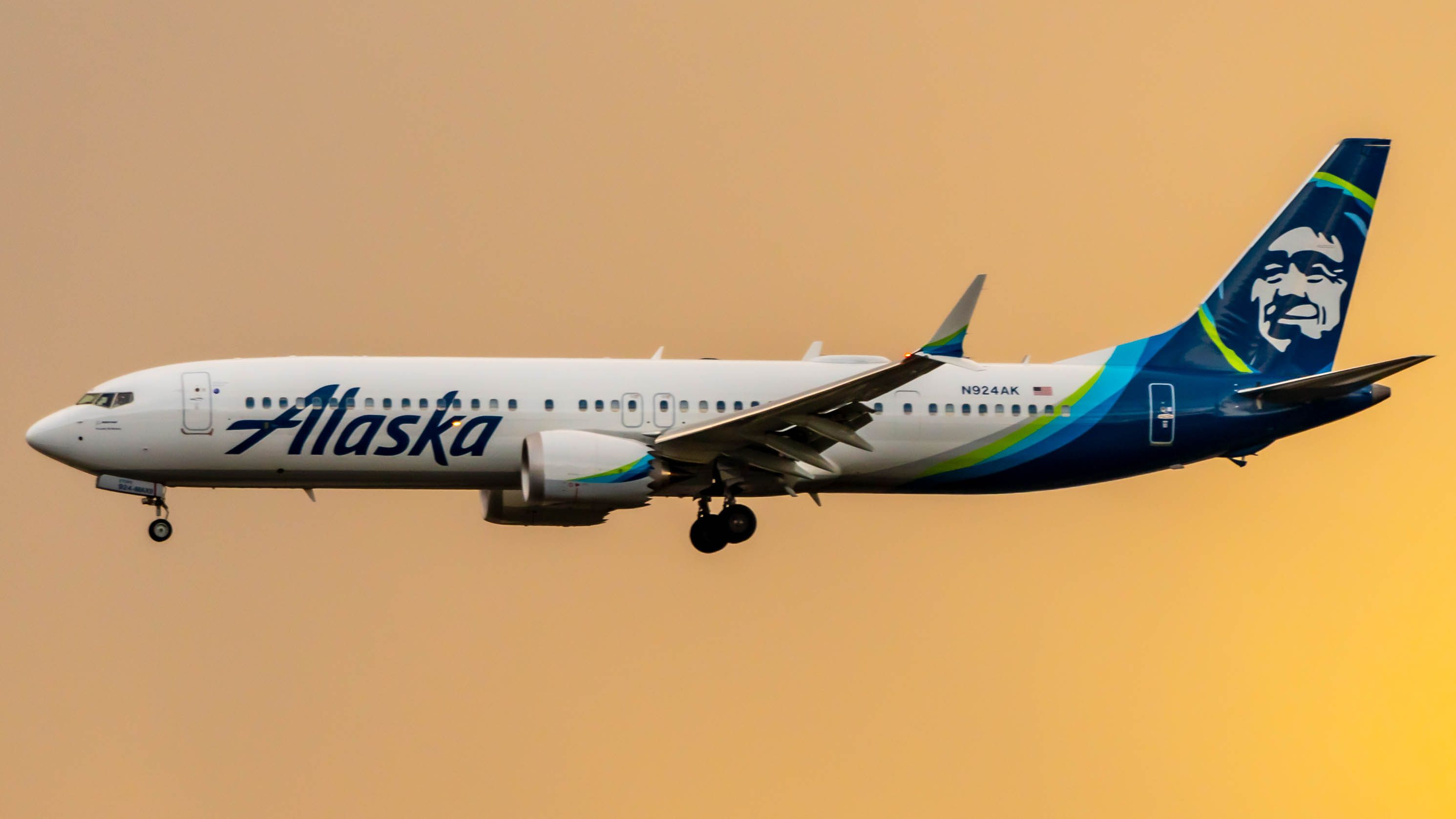
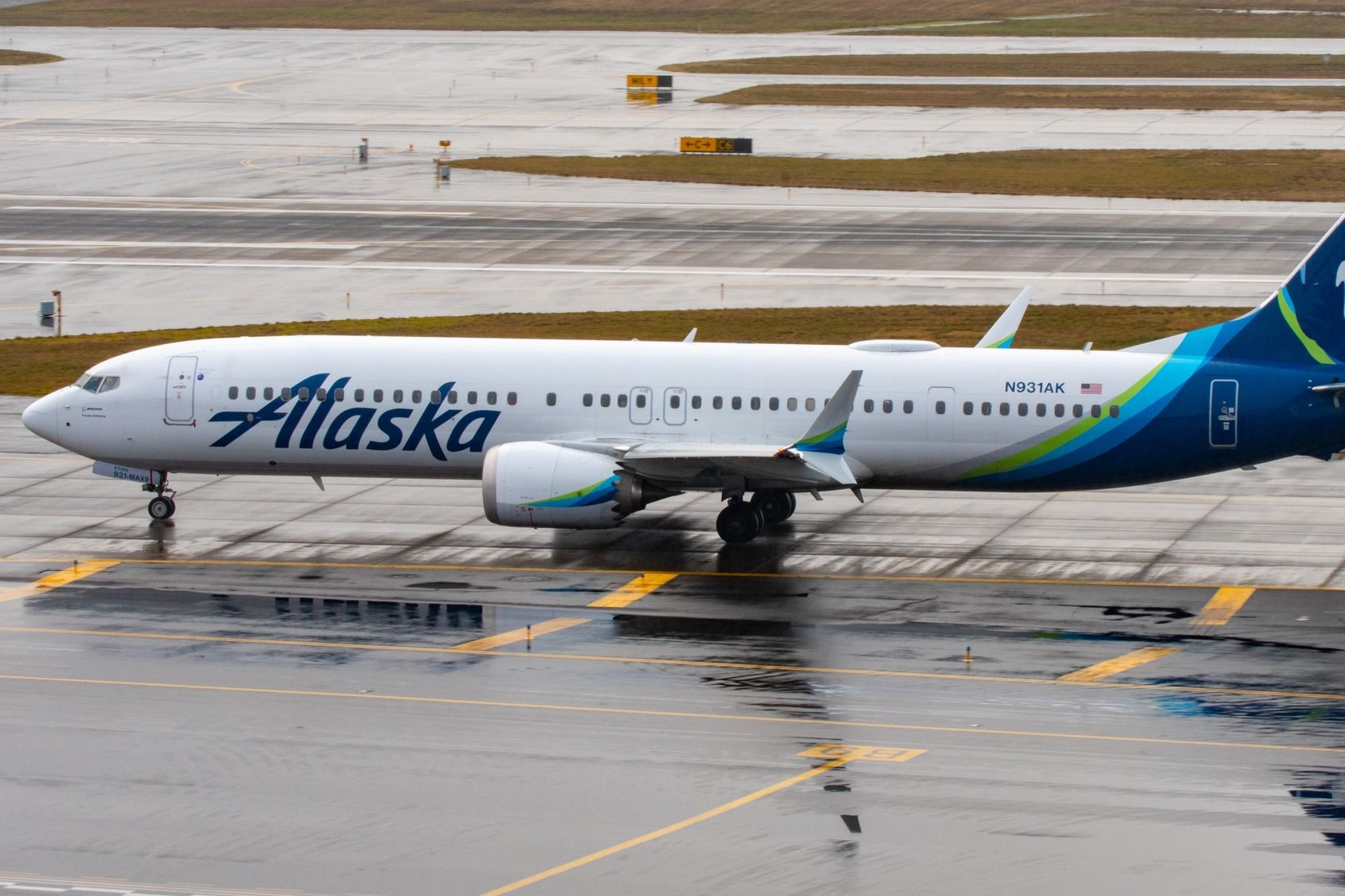
As of 2026, Alaska Airlines operates one of the most modern and efficient narrow-body fleets in the world, centered heavily on the Boeing 737 MAX family. Including the MAX 8, MAX 9, and the high-capacity MAX 10, these aircraft serve as the backbone of the airline’s "all-Boeing" mainline strategy, offering enhanced fuel efficiency, a refined passenger experience, and adherence to the industry's most rigorous safety oversight protocols.
The integration of the 737 MAX into Alaska Airlines' operations represents a pivotal era for the Seattle-based carrier. This transition followed a multi-year effort to streamline its fleet post-merger with Virgin America, moving away from Airbus aircraft to leverage the operational commonality of the Boeing 737 platform. For passengers and aviation enthusiasts in 2026, the 737 MAX is no longer just a "new" aircraft type but the standard for transcontinental and mid-range travel across the Alaska network.
Evolution of the Alaska Airlines 737 MAX Fleet
The journey of the 737 MAX at Alaska Airlines is characterized by aggressive growth and a commitment to modernization. After the global grounding of the MAX was lifted in late 2020, Alaska was among the first major U.S. carriers to begin large-scale deliveries. The airline initially focused on the 737-9 (MAX 9), which provided a perfect replacement for older 737-900ER models.
By 2026, the fleet composition has diversified to include:
- 737-8 (MAX 8): Introduced to handle longer, thinner routes where the higher capacity of the MAX 9 isn't required but the range is essential. This variant is frequently seen on routes to Hawaii and newer destinations in Latin America.
- 737-9 (MAX 9): The workhorse of the fleet, balancing passenger capacity with significant cargo room.
- 737-10 (MAX 10): The largest variant, which Alaska utilizes for its highest-density routes between major hubs like Seattle (SEA), Los Angeles (LAX), and New York (JFK).
This tiered approach allows Alaska to optimize its schedule based on demand while maintaining a single pilot pool, as the flight decks across all three variants are virtually identical. This commonality reduces training costs and increases scheduling flexibility, a key factor in Alaska's consistently high operational margins.
Technical Specifications and Performance Metrics
The 737 MAX series is distinguished from its predecessor, the 737 Next Generation (NG), by several key engineering advancements. The most notable are the CFM International LEAP-1B engines. These engines feature larger fans and advanced materials, such as carbon fiber and ceramic matrix composites, which allow them to operate at higher temperatures and pressures with greater efficiency.
Engine and Aerodynamic Efficiency
The LEAP-1B engines, combined with the Advanced Technology (AT) winglets, provide a roughly 15% to 20% reduction in fuel consumption and carbon emissions compared to the older 737-800 and -900ER models. The AT winglets are recognizable by their unique "split" design, which optimizes lift and reduces drag more effectively than the traditional blended winglets found on older aircraft.
Range and Payload
The MAX family has significantly expanded Alaska's geographical reach. With a range of approximately 3,500 to 3,550 nautical miles, the 737 MAX 8 and 9 can easily fly non-stop from the U.S. West Coast to the Caribbean or deep into Central America. This capability has allowed Alaska to launch "long-haul narrow-body" routes that were previously only possible with larger, less efficient twin-aisle aircraft.
| Feature | 737-8 (MAX 8) | 737-9 (MAX 9) | 737-10 (MAX 10) |
|---|---|---|---|
| Typical Seating | 159 - 162 | 178 - 184 | 190 - 204 |
| First Class Seats | 12 | 16 | 16 - 20 |
| Range (nmi) | 3,500 | 3,250 | 3,100 |
| Wingspan | 117 ft 10 in | 117 ft 10 in | 117 ft 10 in |
| Length | 129 ft 8 in | 138 ft 4 in | 143 ft 8 in |
| Engine Type | CFM LEAP-1B | CFM LEAP-1B | CFM LEAP-1B |
Safety Oversight and Post-2024 Maintenance Standards
The safety history of the 737 MAX is well-documented, and by 2026, the aircraft is subject to some of the most comprehensive maintenance and oversight programs in aviation history. Following the January 2024 mid-air door plug incident on flight 1282, Alaska Airlines, in conjunction with the Federal Aviation Administration (FAA), implemented an unprecedented level of quality control and inspection protocols.
Enhanced Quality Assurance
Alaska Airlines established an enhanced internal "Safety Management System" (SMS) that goes beyond federal requirements. This includes:
- In-person manufacturing oversight: Alaska stationed its own quality inspectors at Boeing’s Renton factory and Spirit AeroSystems in Wichita to oversee the assembly of their specific aircraft.
- Rigorous Inspection Cycles: The 737-9 fleet underwent exhaustive inspections of all exit door plugs and structural components. In 2026, these inspections are integrated into the standard "C-Check" and "D-Check" maintenance schedules, ensuring that every bolt and fitting meets revised torque and locking standards.
- Real-Time Data Monitoring: The MAX fleet utilizes advanced telemetry that transmits engine and systems performance data to Alaska’s maintenance centers in Seattle and Portland in real-time, allowing for predictive maintenance before issues arise.
Pilot Training and Software
The Maneuvering Characteristics Augmentation System (MCAS), which was central to the original 2019 grounding, was completely redesigned years ago to rely on two separate Angle of Attack (AOA) sensors and can only activate once. In 2026, Alaska's pilots undergo mandatory, recurring simulator training that focuses on these systems, ensuring that manual flight skills and system knowledge are top-of-mind for every crew member.
Passenger Experience: What to Expect Onboard
For the traveler, the Alaska Airlines 737 MAX offers a modernized cabin designed for comfort on long-duration flights. The interior features the Boeing Sky Interior, characterized by sculpted sidewalls, larger window reveals, and customizable LED lighting that mimics different times of day to help reduce jet lag.
Seating and Layout
Alaska has chosen a high-end narrow-body configuration for its MAX fleet:
- First Class: Features Recaro leather seats with a 40-inch pitch, dedicated footrests, and expansive legroom.
- Premium Class: Located at the front of the Main Cabin, offering 35 inches of pitch and complimentary alcoholic beverages.
- Main Cabin: Equipped with Recaro seats that include a "tablet holder" and a "personal device ledge" at eye level, acknowledging that most modern passengers prefer to use their own devices for entertainment.
Connectivity and Power
One of the most significant upgrades in the MAX fleet is the availability of high-speed satellite Wi-Fi. Alaska utilizes providers like Starlink or Intelsat (depending on the specific tail number's retrofit status in 2026) to provide gate-to-gate connectivity that supports streaming video. Every seat in the MAX fleet is equipped with both a standard 110V power outlet and a USB-C charging port, ensuring devices remain charged on six-hour transcontinental hauls.
Noise Reduction
Thanks to the "chevrons" on the back of the LEAP-1B engine nacelles, the 737 MAX is significantly quieter than previous generations. The noise footprint is approximately 40% smaller, which translates to a much quieter cabin environment, particularly for those seated in the forward sections of the aircraft.
Sustainability and Operational Efficiency
Alaska Airlines has set ambitious goals to reach net-zero carbon emissions by 2040. The 737 MAX is the primary tool for achieving these targets in the near term. Because the MAX is roughly 20% more fuel-efficient than the aircraft it replaces, Alaska is able to reduce its carbon footprint even as its flight schedule expands.
In 2026, Alaska frequently pairs the efficiency of the MAX with the use of Sustainable Aviation Fuel (SAF). The airline has invested in several SAF producers to ensure a steady supply at its major hubs. While SAF currently accounts for a small percentage of total fuel volume, the MAX engines are certified to run on a blend of SAF and traditional Jet A, with future certifications aiming for 100% SAF capability.
Furthermore, the MAX features a "flight profile optimization" software that helps pilots choose the most efficient altitudes and routes based on real-time weather and wind data. This minor adjustment, when scaled across a fleet of over 100 MAX aircraft, results in millions of gallons of fuel saved annually.
Identifying and Booking the 737 MAX
Many travelers in 2026 remain conscious of the aircraft type they are flying. Alaska Airlines provides full transparency regarding the aircraft scheduled for any given flight.
- During Booking: The Alaska Airlines website and mobile app clearly list the aircraft type (e.g., "Boeing 737-9") in the flight details section during the search process.
- Safety Cards: Once onboard, the safety briefing card in the seatback pocket will explicitly state "737-8," "737-9," or "737-10."
- Visual Cues: On the tarmac, the 737 MAX can be identified by its "sawtooth" engine nacelles and its unique split-tip AT winglets. Unlike the 737-800, the MAX also lacks the small "eyebrow" windows above the cockpit and sits slightly higher off the ground due to the larger engine diameter.
For those who still have concerns about flying on a MAX, Alaska’s flexible booking policies (established during the post-pandemic era) generally allow for changes, though the aircraft is now considered a standard and safe component of global aviation, used by nearly every major airline worldwide.
Frequently Asked Questions
Is the Alaska Airlines 737 MAX safe to fly in 2026?
Yes. Following years of intensive scrutiny by the FAA, EASA, and other global regulators, the 737 MAX is now one of the most monitored aircraft in service. Alaska Airlines' specific fleet has undergone additional structural inspections and quality control audits beyond standard requirements. The aircraft has logged millions of flight hours globally with a safety record that, in 2026, is comparable to or better than other modern narrow-body jets.
Does Alaska Airlines still fly the 737 MAX 9 after the door plug incident?
Yes, the 737-9 (MAX 9) returned to service shortly after the 2024 incident once the FAA-approved inspection process was completed across the entire fleet. All aircraft were retrofitted or inspected to ensure that the mid-cabin exit door plugs were secured according to revised engineering specifications. In 2026, these aircraft are a core part of the fleet and operate daily without restriction.
Does the 737 MAX have different Wi-Fi than older Alaska planes?
Generally, yes. Most Alaska 737 MAX aircraft are delivered with or have been retrofitted with the latest generation of satellite-based Wi-Fi. This system is significantly faster than the older air-to-ground (ATG) systems found on some older 737-800s, allowing for high-definition streaming and more reliable connectivity over the ocean on routes to Hawaii and Alaska.
How can I tell if my flight is on a 737 MAX vs. a 737NG?
When booking on the Alaska Airlines website, look for the aircraft designation. A "737-800" or "737-900" is an NG (Next Generation) aircraft. A "737-8," "737-9," or "737-10" is a MAX aircraft. Visually, the MAX has "zigzag" edges on the back of the engine covers and split winglets at the end of the wings.
What are the best seats on an Alaska 737 MAX 9?
For extra legroom without the First Class price, Premium Class (Rows 6-9) is highly recommended. If you prefer an exit row for maximum legroom, Rows 16 and 17 are the standard exit rows. However, note that Row 16 may not recline fully to avoid obstructing the exit path behind it.
Final Recommendation for Travelers
If you are flying Alaska Airlines in 2026, you will likely find yourself on a 737 MAX. These aircraft represent the pinnacle of current narrow-body technology, offering a quieter cabin, better power options, and superior environmental performance. While the aircraft's history was marked by challenges, the resulting safety and maintenance protocols have made it a exceptionally vetted platform. For the best experience, aim for the 737-10 on high-traffic routes for the newest cabin configurations, and always ensure you use the Alaska mobile app to track your aircraft's specific amenities before departure.