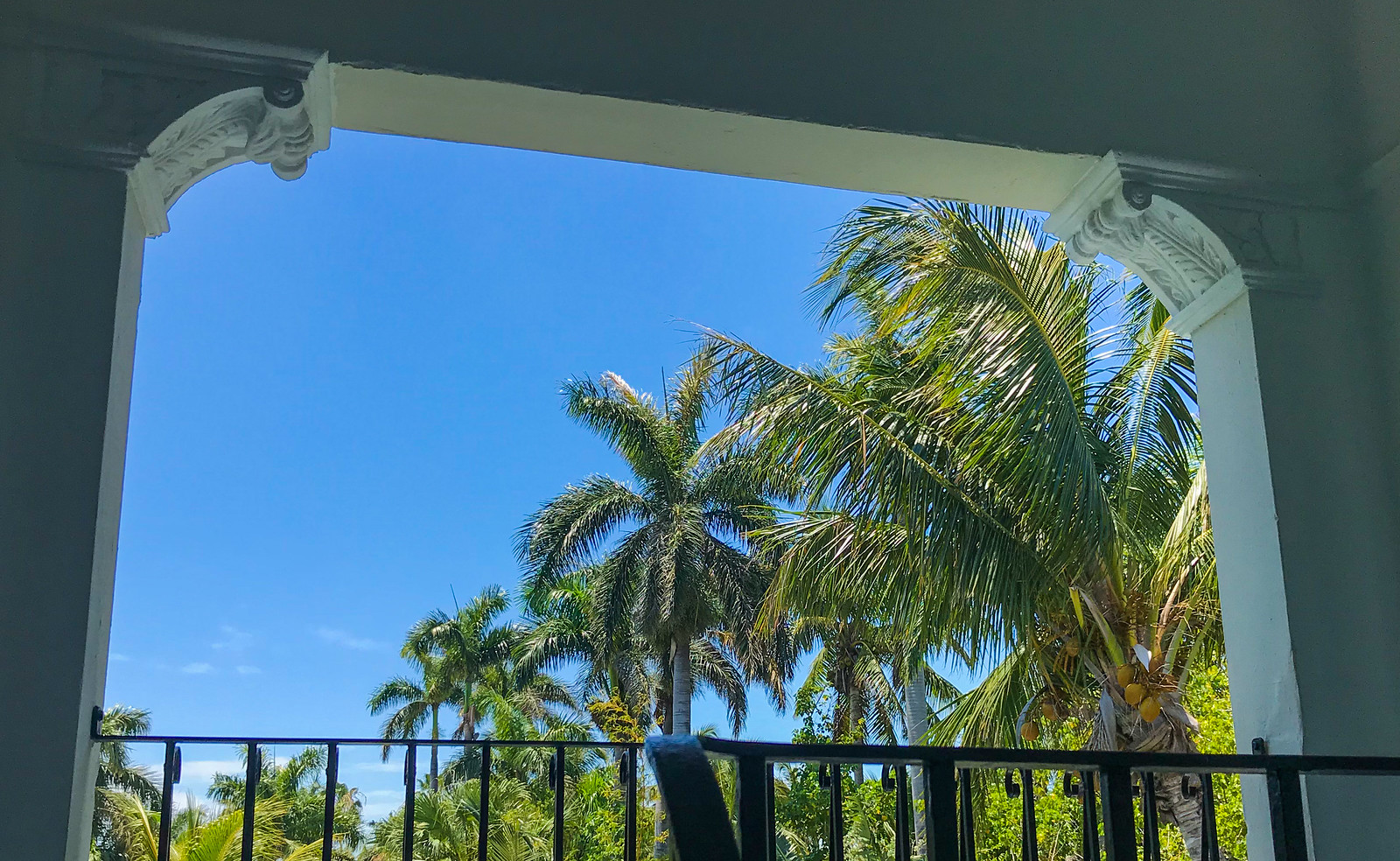
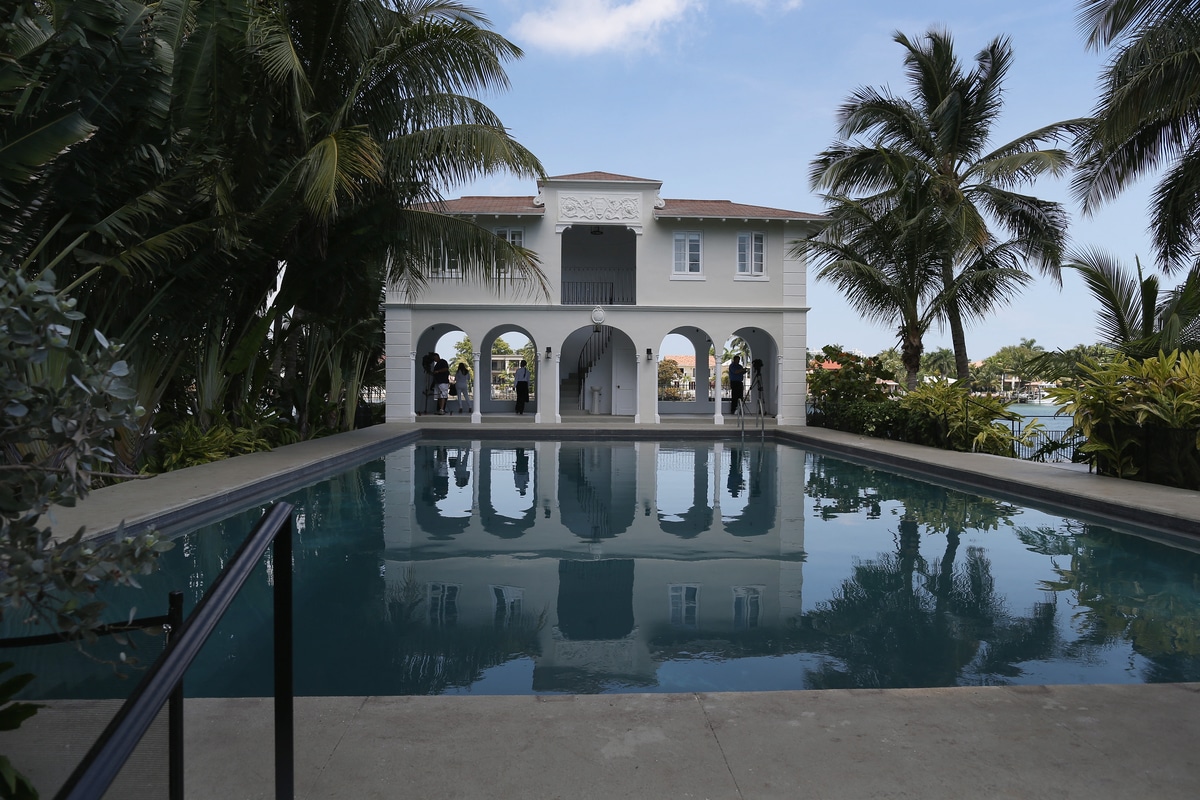
Al Capone’s former Miami mansion, located at 93 Palm Avenue on Palm Island in Miami Beach, was built in 1922 and purchased by the infamous mobster in 1928. Serving as his retreat, fortress, and eventual place of death in 1947, the historic waterfront estate generated intense public debate until its controversial demolition in late 2023.
The History of 93 Palm Avenue: From Beer Baron to Gangster Sanctuary
In May 1928, at the height of his power as the leader of the Chicago Outfit, Alphonse "Al" Capone purchased the waterfront property on Palm Island, a man-made barrier island in Biscayne Bay between downtown Miami and Miami Beach. He bought the estate for $40,000 (roughly equivalent to over $700,000 when adjusted for inflation) from Clarence Busch, a member of the Anheuser-Busch brewing dynasty.
At the time, Miami Beach was developing into an elite playground for Northern industrialists and wealthy socialites. Capone, seeking both a warm winter climate and a refuge from the intensifying violence and law enforcement scrutiny in Chicago, targeted the secluded island enclave for its privacy and deep-water access.
The acquisition immediately drew hostility from local residents, civic groups, and Florida government officials. Florida Governor Doyle E. Carlton famously denounced Capone's presence, instructing local law enforcement officers to arrest Capone whenever he set foot in Miami. Despite persistent harassment by local police, who repeatedly detained him on vagrancy charges or kept his house under surveillance, Capone established permanent legal residence in Florida.
The Palm Island estate served a vital strategic role in Capone's criminal career. It provided an alibi during the execution of the infamous St. Valentine’s Day Massacre in Chicago on February 14, 1929. While seven members of the North Side Gang were murdered in a Chicago garage, Capone was verifiably at his Palm Island home, hosting guests and taking calls from local authorities.
Following his 1931 conviction for federal income tax evasion and subsequent imprisonment in Atlanta Federal Penitentiary and Alcatraz, Capone returned to the Palm Island estate in 1939. Suffering from the late stages of neurosyphilis, he lived out his remaining years at the residence under the care of his wife, Mae Capone, and his medical team. On January 25, 1947, Al Capone died inside the home at the age of 48 after suffering a stroke and cardiac arrest.
| Year | Event |
|---|---|
| 1922 | Construction completed by original owner Clarence Busch |
| 1928 | Al Capone purchases estate for $40,000; installs security perimeter |
| 1929 | Capone uses property as alibi during St. Valentine's Day Massacre |
| 1939 | Capone returns to estate after release from Alcatraz |
| 1947 | Al Capone dies inside the residence on January 25 |
| 1952 | Mae Capone sells the estate to real estate investors |
| 2021 | Property purchased for $10.75M and resold for $15.5M |
| 2023 | Historic structures completely demolished following legal battles |
Architectural Features and Security Fortifications
The original estate at 93 Palm Avenue was designed in the Spanish Colonial Revival style, a dominant architectural trend in South Florida during the 1920s boom era. The property spanned roughly 30,000 square feet of prime waterfront land offering direct access to Biscayne Bay.
When Capone purchased the property, he immediately initiated substantial architectural additions, transforming a standard Mediterranean villa into a heavily fortified compound designed to deter rival gang members and surveillance teams.
- Biscayne Bay Waterfront
- Pool House & Cabana
- Two-Story Guesthouse
- 70' x 30' Swimming Pool
- Main Spanish Colonial Residence
- 7-Foot Coral Rock Wall & Gatehouse / Security
The Main Residence and Guest Facilities
The main house encompassed approximately 6,000 square feet of living space, featuring high ceiling beams, original Spanish tile floors, arched doorways, and wrought-iron detailing. Key architectural components included:
- The Main Villa: A two-story residence containing primary bedrooms, living quarters, a dining salon, and formal entertainment spaces overlooking the bay.
- The Guesthouse: A standalone two-story structure situated near the front of the property, which housed Capone’s bodyguards, security detail, and visiting associates.
- The Pool House and Cabana: A waterfront structure equipped with a bathroom and lounge space, designed to mirror the main villa's architectural motifs.
Security Modifications
Capone spent an estimated $100,000 on structural modifications and security enhancements—more than double the original purchase price of the property. Notable additions included:
- The Perimeter Wall: Capone constructed a 7-foot-tall, heavy-gauge concrete and coral rock wall around the entire street-facing boundary of the lot.
- The Gatehouse: A fortified security checkpoint was added at the front entrance, staffed around the clock by armed guards who monitored everyone entering or leaving Palm Island.
- Heavy Spotlighting and Landscaping: Strategic lighting and dense tropical vegetation were installed along the perimeter to eliminate shadow areas and prevent covert surveillance by law enforcement or rival syndicates.
The Historic Swimming Pool
One of the estate's most famous features was a 70-foot-by-30-foot heated concrete swimming pool, built by Capone in the late 1920s. At the time of its construction, it was touted as the largest private residential pool in South Florida. The pool was designed to rival the swimming facilities at luxury resort hotels nearby, such as the Biltmore Hotel in Coral Gables.
The Demolition Controversy: Preservation vs. Property Rights
The fate of 93 Palm Avenue became one of the most fiercely debated historical preservation battles in South Florida history, culminating in the home's destruction in late 2023.
- 2021: Developer buys estate for $10.75M; Files for initial demolition permit
- Public Outcry & Historic Preservation Campaign: Preservationists collect 25,000+ signatures to save it
- 2022-2023: Property resold for $15.5M; State legislative changes limit city power
- September 2023: Final Demolition Permit Approved
- November 2023: Structures completely leveled
The 2021 Acquisition and Initial Demolition Plans
After Mae Capone sold the property in 1952, the house passed through several private owners and fell into varying states of repair over the decades. In August 2021, real estate developer Todd Michael Glaser and business partner Jackie Soffer purchased the estate for $10.75 million with plans to clear the lot and construct a modern 18,000-square-foot luxury mansion.
The announcement sparked immediate backlash from preservation organizations, led by the Miami Design Preservation League (MDPL) and local historians. Opponents argued that despite Capone’s criminal background, the structure represented an irreplaceable physical connection to 1920s American history, Prohibition-era culture, and South Florida architectural heritage. An online petition to save the home gathered over 25,000 signatures.
The Legal Loophole and State Intervention
The core obstacle to saving 93 Palm Avenue lay in Florida's historic preservation laws and local municipal authority.
Under Miami Beach city regulations, historical designation for a single-family home required either owner consent or a complex administrative approval process. Because the owners opposed designation, local preservation boards faced high legal hurdles.
Furthermore, during the legal dispute, property owners pointed to flood damage, environmental degradation, and foundational instability, claiming the 100-year-old home had suffered severe water intrusion and mold infestation over decades of standing in a high-risk coastal flood zone.
The decisive shift occurred through state legislation. Florida lawmakers passed measures restricting municipal powers to block the demolition of single-family homes located in coastal flood zones if the structures failed to meet current Florida Building Code elevation requirements. Because the historic 1922 structure sat below modern flood elevations, local historic preservation ordinances could not legally override the property owner's right to pull a demolition permit.
Final Demolition in 2023
In September 2021, amidst intense media coverage, Glaser and Soffer resold the property for $15.5 million to an LLC controlled by developer Albert Claramonte. The new ownership maintained the plan to clear the lot.
Despite ongoing rallies, media campaigns, and attempts by civic groups to negotiate a land swap or relocation of the historic structures, municipal authorities issued the final demolition permit in September 2023. By late October and November 2023, heavy equipment leveled the main residence, guest house, security gatehouse, and pool cabana. By early 2024, the site was completely cleared for ground-up modern construction.
Comparative Overview: Historic vs. Modern Site Status
| Feature / Metric | Original Capone Estate (1928–2023) | Current Site Status (2026) |
|---|---|---|
| Address | 93 Palm Avenue, Miami Beach, FL 33139 | 93 Palm Avenue, Miami Beach, FL 33139 |
| Primary Architecture | Spanish Colonial Revival (1922) | Cleared / Modern Luxury Residential Site |
| Total Lot Size | ~30,000 sq. ft. (0.7 acres waterfront) | ~30,000 sq. ft. (0.7 acres waterfront) |
| Key Structures | Main villa, 2-story guesthouse, pool cabana | Original structures demolished late 2023 |
| Security Features | 7-foot concrete wall, gated guardhouse | Modern private gated perimeter |
| Historical Status | Unrated / Denied local historic landmark status | Private residential property; no historic marker |
| Public Access | Strictly private (never operated as a museum) | Strictly private active residential parcel |
Visiting Palm Island: Viewing Guidelines and Legal Limits
A common misconception among tourists visiting South Florida is that Al Capone’s Miami home operates as an accessible museum or public historical site. This has never been the case.
- Can You Visit the Site?
- By Land
- Gated access community
- Guard checkpoint on island
- Private property rules
- No public tours on land
- By Water
- Public Biscayne Bay waters
- Boat & jet ski tours pass the waterfront lot
- Sightseeing boats operate
- By Land
Land Access Rules and Security Constraints
Palm Island is a private, gated residential community connected to the MacArthur Causeway (U.S. Route 41) between mainland Miami and South Beach.
- Guard Gate Control: The entry bridge to Palm Island features a manned security gatehouse operated by the City of Miami Beach and private island security. Visitors who are not residents, registered guests, or authorized service contractors are regularly turned away at the gate.
- No Public Parking or Walking Tours: There are no commercial parking facilities, public walking tours, or historic markers anywhere on Palm Island.
- Trespassing Regulations: Property boundaries on 93 Palm Avenue are strictly monitored by private security personnel and remote surveillance cameras. Entering the private lot constitutes criminal trespassing under Florida Law (F.S. 810.09).
Water-Based Sightseeing Options
Because all navigable waterways in Florida are public transit corridors under state and federal law, viewing the site from Biscayne Bay remains legally permitted.
- Commercial Boat Tours: Multiple commercial sightseeing boats depart daily from Bayside Marketplace in downtown Miami and the Miami Beach Marina. Narrative tours detailing the history of Star Island, Palm Island, and Hibiscus Island routinely pass the waterfront boundary of 93 Palm Avenue.
- Private Watercraft and Kayaks: Independent boaters, jet ski operators, and kayakers can navigate Biscayne Bay to view the island perimeter. Boaters must adhere to local "Idle Speed / No Wake" zones enforced by the Florida Fish and Wildlife Conservation Commission (FWC) along residential island shores.
Frequently Asked Questions
Is Al Capone’s house in Miami still standing?
No. The entire historical compound at 93 Palm Avenue—including the 1922 main house, the gatehouse, the guest quarters, and the pool house—was completely demolished in late 2023 after local preservationists lost a multi-year legal battle to secure historic designation for the property.
Why was Al Capone’s Miami mansion demolished?
The estate was demolished by property developers who purchased the land for $15.5 million with plans to construct a contemporary luxury home. Because Florida state legislation limits municipal power to prevent the demolition of single-family structures located in designated coastal flood zones that do not meet modern code elevations, local historic preservation organizations could not block the permit.
Did Al Capone die in his Miami home?
Yes. Al Capone died inside the main residence of 93 Palm Avenue on January 25, 1947. After his release from Alcatraz Federal Penitentiary in late 1939, he lived at the Miami estate receiving treatment for advanced neurosyphilis until he suffered a stroke and cardiac arrest.
Can tourists take a guided tour of Al Capone's Miami house?
No. The property was never open to the public as a museum or historical landmark. It remained a private residential lot throughout its existence. Today, access by land is restricted by the gated entry on Palm Island, though commercial boat tours along Biscayne Bay pass by the waterfront edge of the lot.
How much did Al Capone pay for the house in 1928?
Al Capone bought the estate in May 1928 for $40,000 from Clarence Busch of the Anheuser-Busch family. He subsequently spent an estimated $100,000 installing a 7-foot coral rock wall, a heavy gatehouse, a guest quarters, and a 70-foot concrete swimming pool.
Next Actions for Historical Enthusiasts and Travelers
If you are researching South Florida's Prohibition-era history or planning a visit to view historical sites associated with 1920s Miami, consider the following next steps:
- Book a Biscayne Bay Architectural Water Tour: Choose a licensed boat tour operating out of Bayside Marketplace or Miami Beach Marina that specifically covers the Millionaire's Row islands (Star, Palm, and Hibiscus Islands) to view the location from the water.
- Explore Documented Archives: The Miami Design Preservation League maintains historical photographic archives, architectural records, and documentation of the 93 Palm Avenue site prior to its 2023 demolition.
- Visit Alternative Historic Sites: To experience intact 1920s Mediterranean and Spanish Colonial Revival architecture in South Florida, visit publicly accessible historical landmarks such as Vizcaya Museum and Gardens in Coconut Grove or the Biltmore Hotel in Coral Gables.