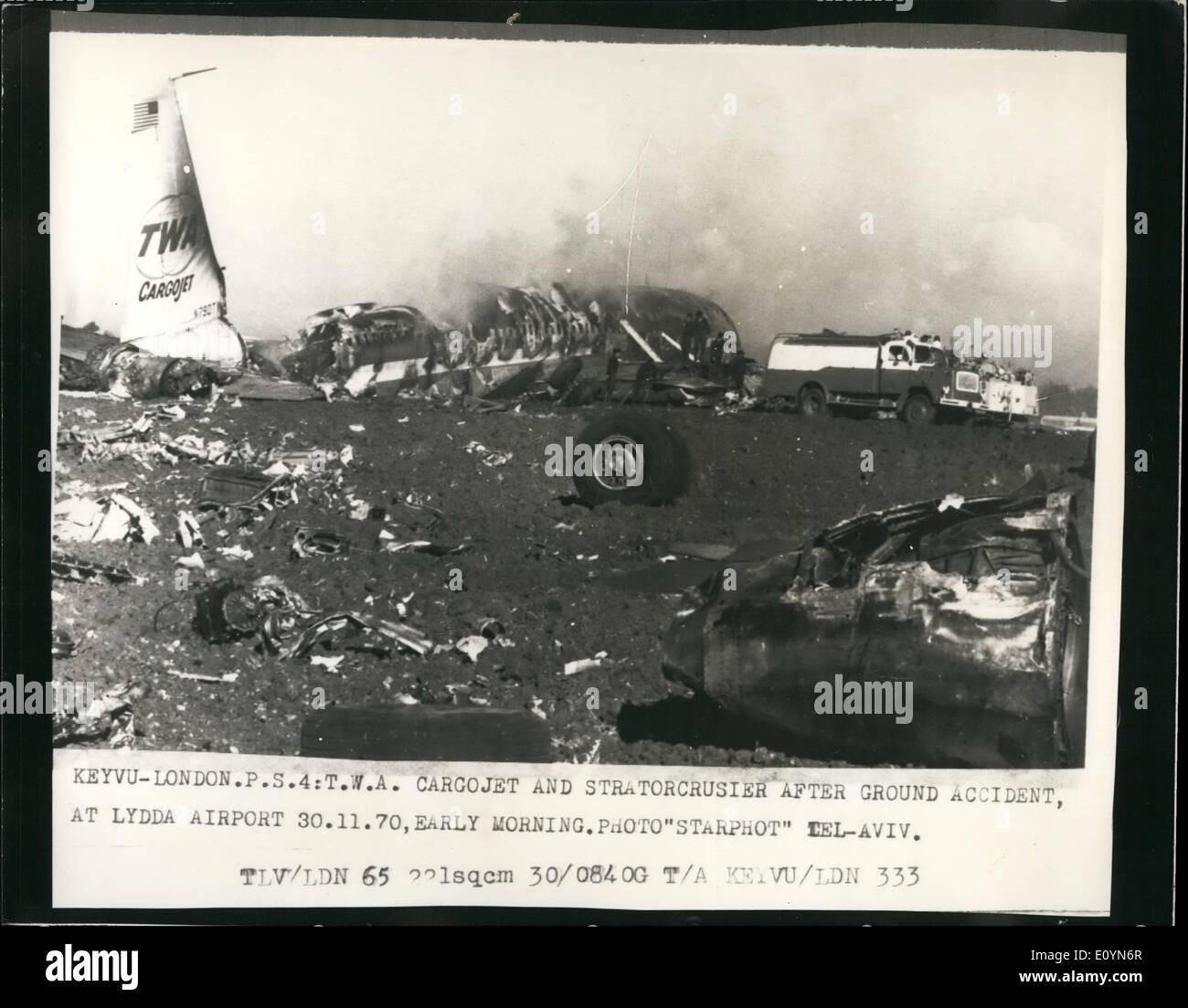
Airplane collisions, whether occurring in mid-air or on the runway, are extremely rare but high-consequence events prevented by a multi-layered safety net of technology and human oversight. Modern aviation relies on the Traffic Collision Avoidance System (TCAS), Global Positioning System (GPS) integration via ADS-B, and rigorous Air Traffic Control (ATC) protocols to maintain safe separation between aircraft at all times.
The Mechanics of Separation in Modern Aviation
To understand how an airplane might collide with another, one must first understand the concept of "separation." In the vastness of the sky, it might seem difficult for two objects to meet, but high speeds and concentrated flight paths around airports create significant risks. Aviation authorities like the Federal Aviation Administration (FAA) and the International Civil Aviation Organization (ICAO) define specific buffers—both horizontal and vertical—that must be maintained.
In controlled airspace, standard vertical separation is typically 1,000 feet for aircraft flying below 41,000 feet. Horizontally, this can range from 3 to 5 miles near airports to much larger distances over the ocean where radar coverage is limited. When these buffers are breached, it is termed a "loss of separation." If the breach is severe enough to present an immediate risk of contact, it is classified as a "near mid-air collision" (NMAC).
The primary challenge in avoiding a collision is the closure rate. Two jet aircraft flying toward each other at cruising speeds may have a combined closure rate of over 1,000 miles per hour. At this speed, visual detection by pilots is often insufficient to react in time, which is why electronic surveillance and automated warning systems are the primary line of defense in 2026.
The Traffic Collision Avoidance System (TCAS)
The most critical onboard technology designed to prevent an airplane from colliding with another is the Traffic Collision Avoidance System, specifically TCAS II. This system operates independently of ground-based Air Traffic Control, acting as a final fail-safe.
How TCAS II Works
TCAS works by "interrogating" the transponders of other nearby aircraft. By measuring the time between the interrogation signal and the reply, the system calculates the range, bearing, and altitude of the other plane.
- Traffic Advisory (TA): When another aircraft is predicted to enter a specific "caution" volume of airspace around the plane (usually 20 to 48 seconds from potential impact), the system issues a "Traffic, Traffic" voice alert. This alerts the pilots to look for the other aircraft but does not require an immediate maneuver.
- Resolution Advisory (RA): If the risk increases (usually 15 to 35 seconds from impact), TCAS issues an RA. This is a command to the pilot to "Climb," "Descend," or "Maintain Vertical Speed."
Crucially, TCAS II units "talk" to each other. If two planes are on a collision course, one TCAS will tell its pilot to climb while the other will tell its pilot to descend, ensuring they move in opposite directions. As of 2026, the latest software versions have refined these algorithms to reduce "nuisance alerts" in crowded terminal areas while maintaining a 100% success rate when followed correctly.
The Role of Air Traffic Control (ATC) and Surveillance
While TCAS is the last line of defense, Air Traffic Control is the first. ATC uses a combination of primary radar (which bounces signals off the aircraft's skin) and secondary surveillance radar (which communicates with the aircraft's transponder).
ADS-B: The Modern Standard
In 2026, the aviation world has fully transitioned to ADS-B (Automatic Dependent Surveillance-Broadcast). Unlike traditional radar, which can be slow to update, ADS-B allows aircraft to broadcast their precise GPS position, altitude, and velocity to both ground stations and other aircraft every second.
This technology provides controllers with a high-fidelity "picture" of the sky. For pilots, "ADS-B In" capabilities allow them to see the same traffic map that the controller sees on their cockpit displays, significantly improving situational awareness. This shared awareness is the primary reason why mid-air collisions involving commercial airliners have become almost non-existent in modern aviation.
Runway Incursions: The Danger on the Ground
Statistically, an airplane is more likely to collide with another on the ground than in the air. These events are known as "runway incursions." A runway incursion occurs when an unauthorized aircraft, vehicle, or person is on the runway surface intended for a landing or departing plane.
The 2024 collision at Haneda Airport in Tokyo served as a stark reminder of these risks. Despite advanced technology, human error in communication or situational awareness can lead to a plane entering a runway without clearance. To combat this, airports have implemented several key systems:
- ASDE-X (Airport Surface Detection Equipment, Model X): A radar and satellite system that tracks all movements on the airport surface and alerts controllers if it detects a potential collision.
- RWSL (Runway Status Lights): An automated lighting system that turns red if it is unsafe to enter or cross a runway, providing a direct visual signal to pilots that overrides or confirms ATC instructions.
- RAAS (Runway Awareness and Advisory System): A software-based system in the cockpit that provides aural callouts such as "On Taxiway, On Taxiway" or "Approaching Runway 24L" to help pilots maintain orientation.
Analyzing the Causes: Why Collisions Still Happen
Despite redundant systems, accidents can occur when multiple safety layers fail simultaneously. This is often described using the "Swiss Cheese Model," where the holes in various layers of defense line up.
Human Factors and Communication
The most common cause of collisions is a breakdown in communication. This can involve:
- Language barriers: Despite English being the international language of aviation, accents or non-standard phrasing can lead to misunderstandings.
- Frequency congestion: In busy airspace, multiple pilots trying to talk at once can lead to "blocked" transmissions, where critical instructions are missed.
- Fatigue and Distraction: Controllers or pilots under high stress or exhaustion may misinterpret a radar target or a clearance.
Technical Failures
While rare, the failure of a transponder can make an aircraft "invisible" to TCAS and secondary radar. If a plane loses its electrical system, it relies solely on primary radar, which provides less information (no altitude data) to the controller, making separation much harder to manage.
Prevention Systems Comparison
The following table compares the primary systems used to prevent airplane collisions as of 2026.
| System | Primary Function | Operational Phase | Interaction |
|---|---|---|---|
| ATC Radar | Long-range separation and sequencing | All phases of flight | Ground-to-Air (Voice/Data) |
| TCAS II | Short-range emergency collision avoidance | In-flight (Above 1,000ft) | Air-to-Air (Automated) |
| ADS-B | High-precision position broadcasting | All phases of flight | Air-to-Air & Air-to-Ground |
| ASDE-X | Ground movement tracking and alerts | Taxi, Takeoff, Landing | Ground-to-Controller |
| RWSL | Visual "stop" signals on runways | Taxi and Takeoff | Automated Visual Cues |
Critical Historical Lessons
Aviation safety is "written in blood," meaning every major collision in history has led to direct improvements in technology and regulation.
- The Grand Canyon Collision (1956): Two planes collided over the Grand Canyon in uncontrolled airspace. This tragedy was the catalyst for the creation of the FAA and the implementation of modern air traffic control systems.
- The Cerritos Mid-Air (1986): A private plane collided with a DC-9 over California. This led to the mandate that all aircraft in busy airspace must carry "Mode C" transponders, which broadcast altitude.
- The Überlingen Collision (2002): A mid-air collision occurred because a pilot followed ATC instructions instead of a TCAS Resolution Advisory. This resulted in a global rule: TCAS commands always supersede ATC instructions in an emergency.
- The Haneda Incursion (2024): This highlighted the need for better visual alerts for pilots and improved ground surveillance, leading to the widespread 2025-2026 rollout of enhanced Runway Status Lights at international hubs.
The Future of Collision Avoidance: 2026 and Beyond
As we move through 2026, the industry is focusing on integrating Unmanned Aircraft Systems (UAS) or drones into the same airspace as commercial airliners. This requires a new evolution of collision avoidance known as ACAS X.
ACAS X is designed to be more flexible than the original TCAS. It can handle different types of aircraft with varying speeds and maneuverability, including "Urban Air Mobility" vehicles (flying taxis). These systems use probabilistic models to determine the safest path, further reducing the risk of a collision while allowing for more efficient use of crowded airspace.
Furthermore, AI-assisted ATC tools are now being trialed to predict potential conflicts minutes earlier than traditional software. By analyzing flight plans, weather, and real-time performance data, these tools can suggest minor course corrections to controllers that prevent a conflict from ever developing, long before TCAS would need to intervene.
Frequently Asked Questions
Can two planes collide if they are both using TCAS?
It is extremely unlikely. TCAS II units coordinate with each other via radio links. If two aircraft are on a collision course, the systems will "negotiate" their maneuvers so that one plane is told to climb and the other is told to descend. For a collision to occur, one pilot would have to ignore the command or one of the aircraft would need a non-functioning transponder.
What happens if a pilot ignores a TCAS command?
Ignoring a TCAS Resolution Advisory (RA) is a major safety violation. In the Überlingen accident of 2002, a pilot followed ATC's instruction to descend while TCAS told him to climb, leading to a collision. Since then, international regulations strictly mandate that pilots must follow the TCAS RA even if it contradicts what the air traffic controller says.
Do birds colliding with airplanes count as a "collision"?
In aviation terminology, a bird hitting an aircraft is called a "bird strike." While technically a collision, the term "airplane collide" usually refers to aircraft-to-aircraft or aircraft-to-ground-vehicle contact. Bird strikes are common but rarely lead to the loss of an aircraft, thanks to rigorous engine ingestion testing and airframe reinforcement.
How do pilots see other planes at night or in clouds?
Pilots do not rely on their eyes in these conditions. They use the Traffic Display in the cockpit, which shows icons of nearby aircraft based on ADS-B and TCAS data. This display shows the relative altitude and distance of other planes, allowing pilots to maintain situational awareness even when they have zero visibility outside the window.
Is there a risk of collision on the runway?
Yes, runway incursions remain one of the top safety priorities for the FAA and EASA. While in-flight collisions are nearly impossible due to TCAS, the ground environment is complex and relies more heavily on human communication. However, systems like ASDE-X and red runway status lights have significantly reduced this risk in recent years.
Practical Recommendations for Travelers and Pilots
For the general public, it is important to recognize that commercial aviation remains the safest mode of transport. The rigorous requirements for TCAS, ADS-B, and ATC oversight ensure that the "big sky" theory is backed by even bigger technology.
For pilots, especially those in general aviation, the primary recommendation is to ensure your transponder is always in "Altitude" (Mode C or S) reporting mode and to invest in "ADS-B Out" technology. Maintaining a "sterile cockpit"—avoiding non-essential conversation during taxi, takeoff, and landing—is the most effective human intervention to prevent ground-based collisions. Always prioritize the "See and Avoid" principle in visual conditions, but never ignore an electronic warning from an onboard avoidance system.