The United States Air Force (USAF) uniform system in 2026 is defined by two primary color palettes: the deep "Air Force Blue" (Shade 1620) used for service and formal dress, and the multi-toned "Operational Camouflage Pattern" (OCP) used for daily utility work. A distinguishing feature of the modern Air Force OCP is the mandatory use of Spice Brown thread for all name tapes, branch tapes, and rank insignia, which differentiates Airmen from other military branches sharing the same camouflage pattern.
Understanding these colors requires a look at both the technical specifications mandated by Air Force Instruction (AFI) 36-2903 and the historical heritage that dictates why specific shades are chosen. Whether you are a new recruit, a family member, or a military enthusiast, this guide breaks down the complex color requirements of the Air Force uniform.
The Operational Camouflage Pattern (OCP): Earth Tones and Spice Brown
As of 2026, the OCP is the standard utility uniform for the Air Force, having fully replaced the pixelated Airman Battle Uniform (ABU) several years ago. The OCP is not a single color but a sophisticated 7-color geometry known as the Scorpion W2 pattern.
The 7-Color Camouflage Palette
The OCP utilizes a blend of cream, desert sand, dark grey, olive, dark green, brown, and dark brown. These colors are mathematically distributed to break up the human silhouette across various environments, including woodland, desert, and tropical settings. Unlike previous "digital" patterns, these colors are organic in shape, which better mimics the natural world.
The Significance of Spice Brown
The most common point of confusion for those looking at Air Force uniforms is the thread color for lettering. While the U.S. Army uses black thread for its OCP name tapes, the Air Force transitioned exclusively to Spice Brown.
- Why Spice Brown? The choice was made to maintain a distinct service identity while adopting a joint-service camouflage pattern. Spice Brown provides enough contrast against the OCP background for readability while remaining "subdued" for tactical purposes.
- Application: This color is used for the "U.S. AIR FORCE" branch tape, the individual’s last name tape, and the rank insignia of all enlisted personnel and most officers.
- Officer Exception: For certain officer ranks, specifically Second Lieutenant and Major, the insignia is embroidered in Black thread to denote the difference in grade, despite the rest of their tapes being Spice Brown.
Coyote Brown 499: The Accessory Standard
The Air Force is very specific about the shade of brown used for accessories. The standard is Coyote Brown 499. This applies to:
- Boots: Only Coyote Brown 499 suede or synthetic leather boots are authorized.
- T-Shirts: The undershirt must be Coyote Brown.
- Belts: The riggers belt or standard web belt must be Coyote Brown.
- Socks: DLA-issued green or Coyote Brown socks are the requirement.
The Service Dress "Blues": Shade 1620 and Silver Accents
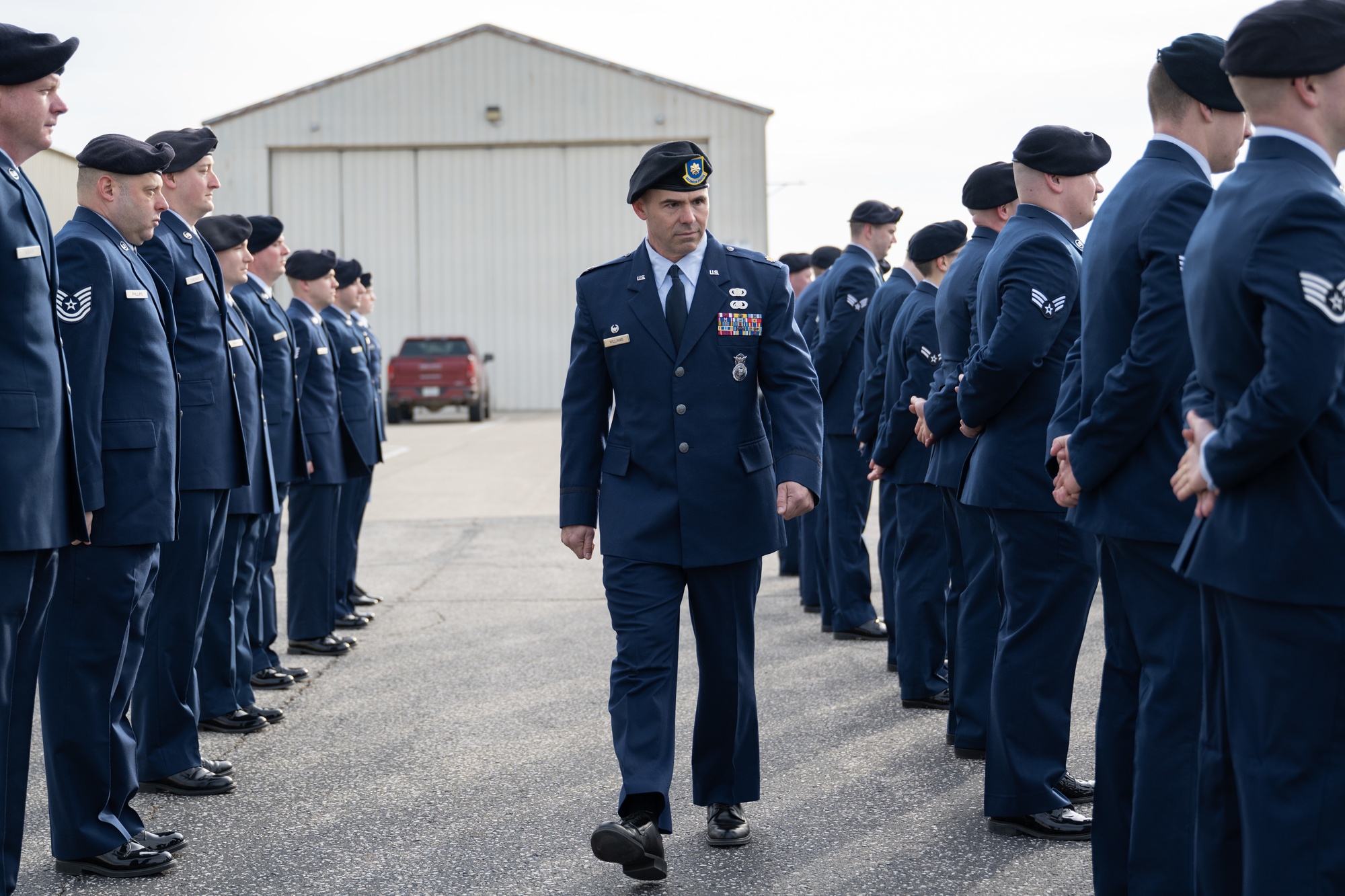
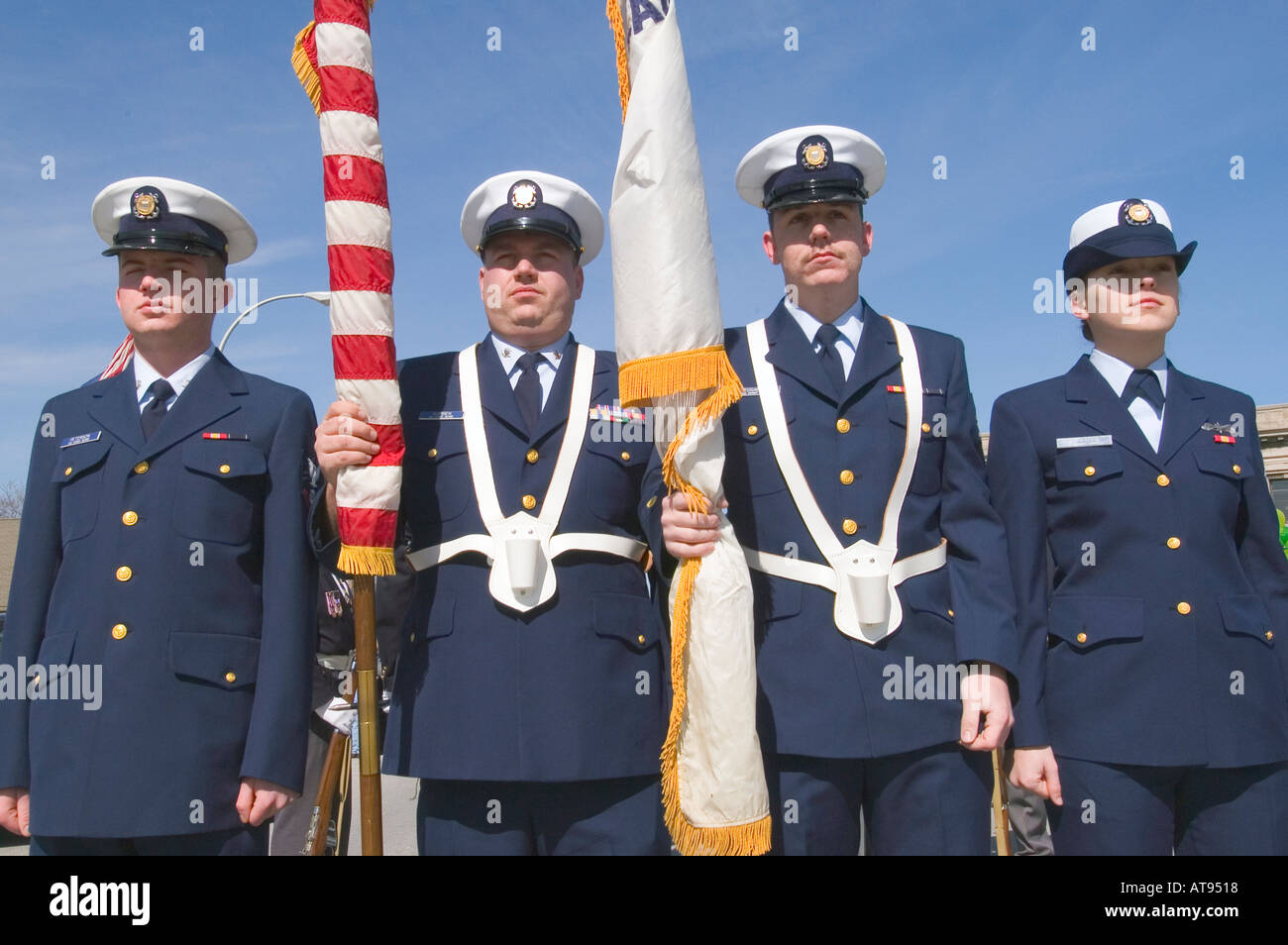
The Air Force "Blues" are the iconic representation of the branch's professional image. The color of this uniform is not just "blue," but a specific, regulated shade that has been the cornerstone of Air Force identity since the branch became independent in 1947.
Air Force Blue (Shade 1620)
The coat and trousers of the Service Dress uniform are made from a wool-blend fabric in Air Force Blue Shade 1620. This is a dark, navy-adjacent blue that provides a sharp, professional appearance. In 2026, the material is often treated with moisture-wicking and stain-resistant technologies, but the visual shade remains unchanged from historical standards.
The Light Blue Shirt (Shade 1550)
Underneath the service coat, Airmen wear a long-sleeved or short-sleeved shirt in Shade 1550 Light Blue. This color provides a high-contrast background for the dark blue necktie (Shade 1605) and the dark blue service coat.
Silver and Chrome Accoutrements
While the Army often utilizes gold or brass for its dress uniform buttons and pins, the Air Force is a "Silver" service.
- Buttons: The buttons on the service dress coat are oxidized silver featuring the "Hap Arnold" wings or the Air Force seal.
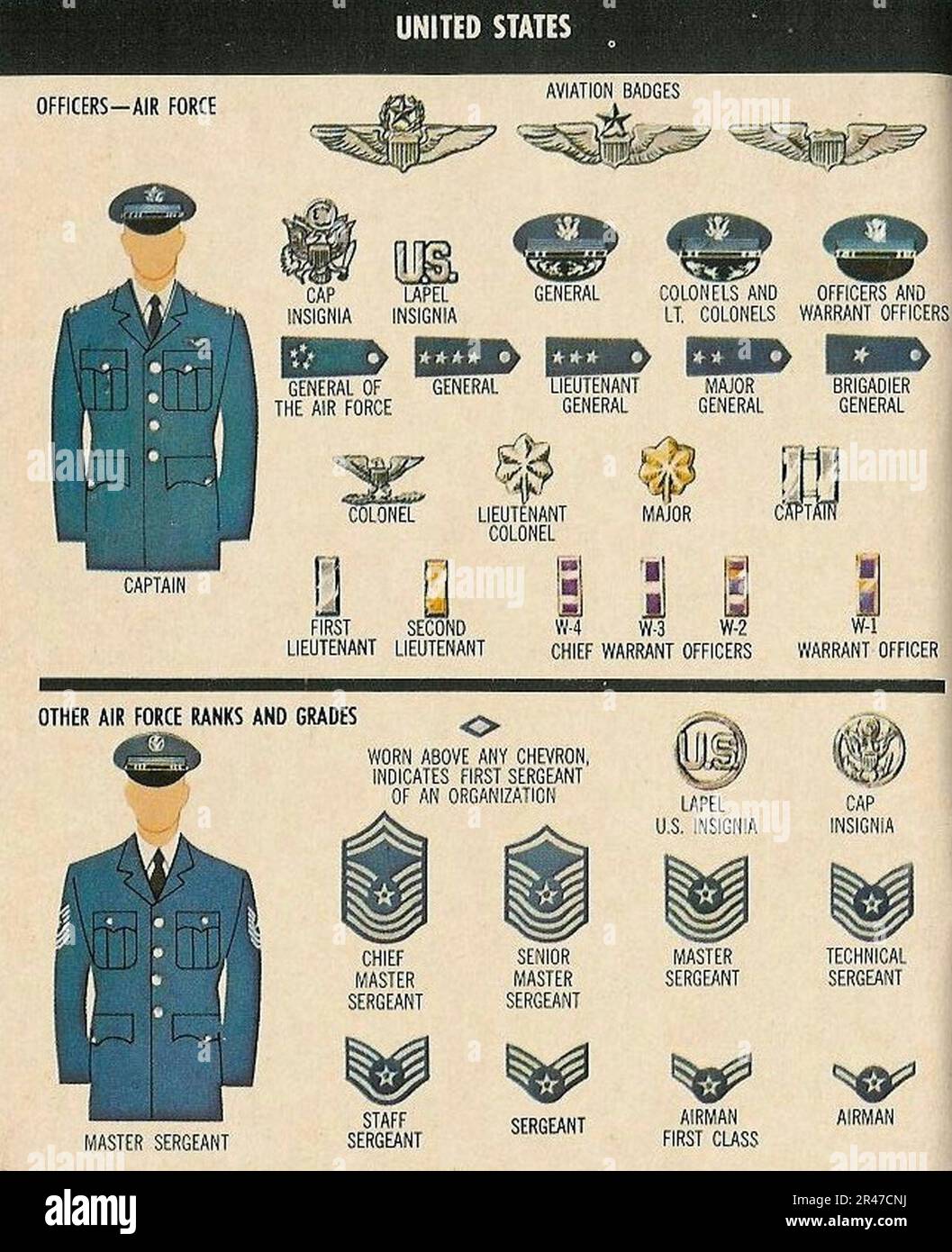
- Insignia: Enlisted rank chevrons for the blues uniform are blue and silver, and officer rank is typically high-gloss silver (chrome).
- Badges: Occupational badges and "U.S." lapel pins are finished in a polished silver or satin silver finish.
Formal Wear: Mess Dress and Midnight Blue
For formal events such as dining-ins, weddings, or Air Force Balls, the Mess Dress is the required attire. This uniform pushes the color palette toward even darker, more formal tones.
The Mess Dress coat is typically a very dark blue, often appearing nearly black, technically referred to as Midnight Blue. This uniform does not feature name tags or ribbons; instead, it uses miniature medals and high-polish silver buttons.
One of the most distinct color elements of the Mess Dress is the Cummerbund and Bow Tie. For general officers, these may have specific silver or gold piping, but for the majority of the force, they are matching dark blue. Female Airmen have the option of a floor-length skirt or slacks, both maintaining the Midnight Blue shade.
Technical Specifications and NIR Compliance
A critical but often overlooked aspect of Air Force uniform colors is their Near-Infrared (NIR) capability. The dyes used in the OCP are not merely for the human eye; they are designed to reflect infrared light at specific frequencies.
- Detection Avoidance: In modern combat (as seen through 2026), night vision technology is ubiquitous. If a uniform is washed with standard household detergents containing "optical brighteners," the colors will "glow" under infrared light.
- Color Fastness: The Air Force mandates that OCPs maintain their color profile through at least 50 industrial launderings. When the cream and olive shades begin to fade to a white or greyish hue, the uniform is technically no longer "serviceable" because its camouflage properties are compromised.
Physical Training (PT) Gear: The Blue and Silver Transition
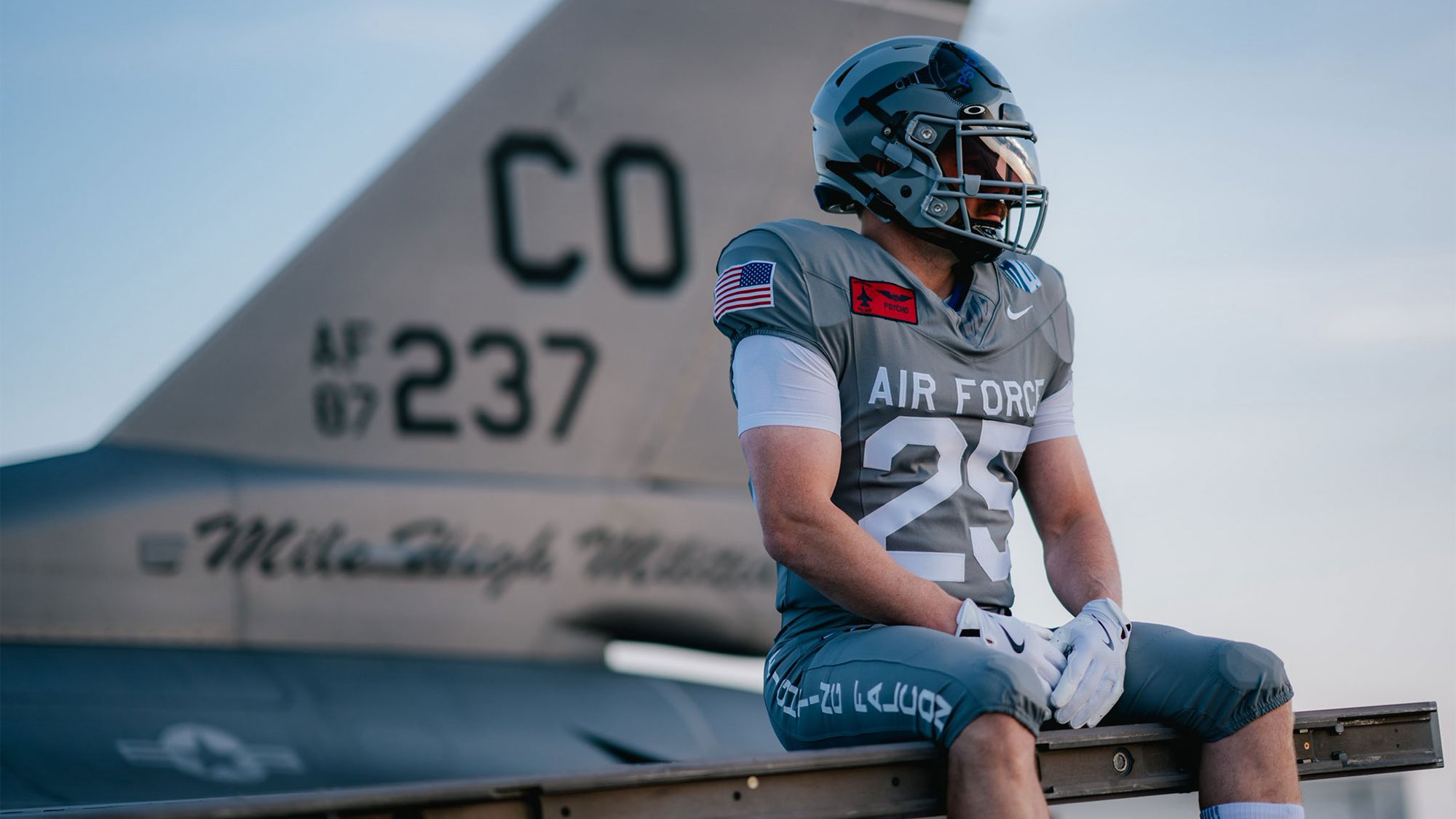
The Air Force PT uniform has undergone several color iterations. The version used in 2026 focuses on a palette of Deep Blue and Silver-Grey.
- The Jacket and Pants: These are typically dark blue with reflective silver accents. The reflective material is a safety requirement for Airmen running during low-light hours (dawn or dusk).
- The Shirt: Usually a light grey or moisture-wicking silver fabric with the Air Force logo in blue.
- The Shorts: Matching dark blue, designed for high-intensity movement.
- Socks and Shoes: While the socks are generally required to be white or black (depending on the specific local instruction), athletic shoes have more color flexibility, though they are encouraged to be "neutral" or "conservative."
Historical Evolution: Why Blue and Not Green?
To understand why the Air Force uses these colors, we must look at the transition from the Army Air Corps. Before 1947, flyers wore the "Pinks and Greens" of the U.S. Army.
When the Air Force became a separate branch, they wanted a distinct identity that reflected the "limitless horizon" of the sky and space. The first "Air Force Blue" (Shade 84) was introduced in 1949. Over the decades, this shifted to the modern Shade 1620.
The brief detour into the Airman Battle Uniform (ABU) in the mid-2000s saw the use of "Digital Tiger Stripe" consisting of tan, grey, and foliage green. This was widely criticized for its lack of effective camouflage in most environments, leading to the eventual adoption of the OCP, which returned the force to more practical earth-toned colors for field use.
Comparison of Air Force Uniform Types and Colors
| Uniform Category | Primary Color(s) | Rank/Tape Color | Footwear Requirement |
|---|---|---|---|
| OCP (Utility) | 7-Color Earth Tones (Scorpion W2) | Spice Brown (Black for select Off.) | Coyote Brown 499 |
| Service Dress | Air Force Blue (Shade 1620) | Silver/Chrome | Black (High Shine) |
| Service Shirt | Light Blue (Shade 1550) | Blue/Silver (Enlisted) | Black |
| Mess Dress | Midnight Blue / Black | Silver (Formal) | Black (Patent Leather) |
| Flight Suit | Freedom Green / Sage or Tan | Spice Brown (on OCP patches) | Coyote Brown |
| PT Gear | Dark Blue and Silver | N/A | Neutral Athletic |
Guidelines for Maintenance and Uniformity
Maintaining the correct colors is a matter of regulation. Failure to adhere to these color standards can result in disciplinary action or the requirement to purchase new gear.
- Fading: Uniforms must be replaced when they become "distinguishable" from the standard shade. This is particularly common with the OCP, where the brown tones can wash out to a pinkish hue if dried at high heat.
- Matching: When wearing the OCP, all patches must match. You cannot wear a "Subdued Green" patch from an old unit on a modern OCP uniform; all patches must utilize the Spice Brown color scheme.
- The "No-Mix" Rule: You cannot mix shades of blue from different manufacturers if they do not meet the Shade 1620 certification. The Air Force uses a "Certified Air Force Component" label to ensure color consistency across different brands like Brooks Brothers or AAFES-branded items.
Frequently Asked Questions
1. Why do Air Force officers have different rank colors than enlisted on OCPs?
While enlisted personnel use Spice Brown for all ranks, the Air Force maintains a tradition where Second Lieutenants and Majors wear Black insignia. This is actually a carry-over from heritage standards where gold (represented by black/brown in subdued form) and silver (represented by spice brown) were used to distinguish specific pay grades.
2. Can I wear the older "Sand" colored t-shirts with OCPs?
No. As of the final transition deadline in 2021, the "Sand" colored shirts used with the old ABU are completely unauthorized for the OCP. Only Coyote Brown shirts are permitted.
3. What is the specific color of the Air Force beret?
The beret color depends on the Airman’s Career Field (AFSC). For example, Security Forces wear a Defensor Fortis Blue beret, Tactical Air Control Party (TACP) wear Black, Combat Control (CCT) wear Scarlet, and Pararescue (PJ) wear Maroon. These colors are highly guarded symbols of specialized training.
4. Is the Air Force name tape color different from the Space Force?
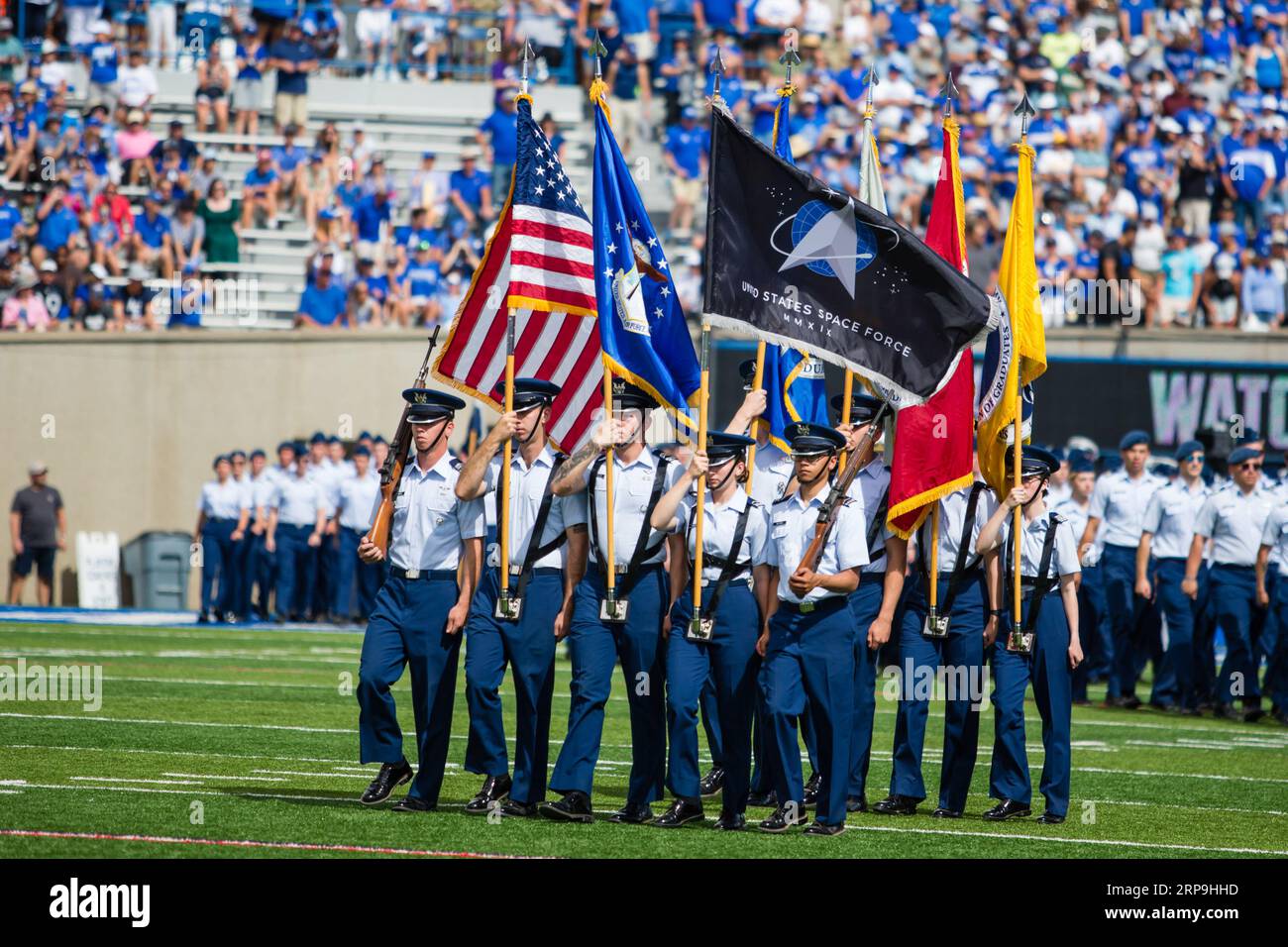
Yes. While both branches wear the OCP, the Air Force uses Spice Brown thread, whereas the United States Space Force (USSF) uses Space Blue thread for their name tapes and ranks.
5. Why is the "U.S. Flag" patch sometimes different colors?
On the OCP uniform, the flag patch is typically worn in a subdued spice brown palette on the right shoulder. However, when deployed or in certain units, a "full-color" red, white, and blue flag may be authorized by the commander, though the subdued version is the standard for daily stateside wear.
Practical Recommendations for Airmen
To ensure your uniform remains within the 2026 standards, always purchase your items through the Army and Air Force Exchange Service (AAFES) or authorized military clothing stores. Third-party "tactical" brands often produce colors that are slightly off-shade (too green or too dark), which can make an Airman stand out for the wrong reasons during an inspection.
When washing OCPs, turn them inside out and use a detergent without brighteners to preserve the NIR integrity and the Spice Brown embroidery. For the Service Dress, professional dry cleaning is the only way to maintain the crisp Shade 1620 color without risking the fabric sheen.