Professional air duct mold remediation in Gulf Shores, Alabama, is a specialized service designed to identify, contain, and eliminate fungal growth within residential and commercial HVAC systems. Given the high coastal humidity, remediation involves using negative pressure, HEPA filtration, and EPA-registered antimicrobials to restore indoor air quality and ensure system efficiency according to NADCA standards.
Understanding the Mold Challenge in the Gulf Shores Climate
Gulf Shores presents a unique environment for HVAC systems. Located on the edge of the Gulf of Mexico, the city experiences an average relative humidity that often exceeds 70% throughout the summer months of 2026. For a mold colony to thrive, it requires three primary elements: moisture, a food source (such as dust or organic debris), and a stable temperature. Unfortunately, air ducts provide all three.
In coastal Alabama, the "sweating" of HVAC vents is a common occurrence. When warm, moist air from the outside infiltrates a home and meets the chilled surface of a metal duct or supply vent, condensation forms. If the HVAC system is oversized or the home is not properly sealed, this moisture lingers, turning the interior of the ductwork into a breeding ground for species like Aspergillus, Penicillium, and, in extreme cases, Stachybotrys chartarum (black mold).
Remediation is distinct from simple duct cleaning. While cleaning focuses on removing dust and dander, remediation is a biohazard response. It requires the physical removal of the mold structure and the neutralization of spores to prevent them from circulating through the home's breathing zone. In a tourism-heavy area like Gulf Shores, where many properties are seasonal rentals, mold can often grow unchecked in vacant units during the humid "shoulder" seasons, making professional intervention essential for property preservation.
Signs Your Gulf Shores Property Needs Mold Remediation
Recognizing the need for remediation early can prevent structural damage and chronic health issues. Residents of Baldwin County should be vigilant for specific indicators that suggest the HVAC system has been compromised.
Persistent Musty Odors
The most common indicator of mold is a "damp" or "earthy" smell that intensifies when the air conditioner or heater begins a cycle. This odor is caused by microbial volatile organic compounds (mVOCs) released during the mold's metabolic process. In the salt-rich air of Gulf Shores, these odors can sometimes be mistaken for stagnant marsh water, but if the scent is coming directly from the vents, the source is likely internal.
Visible Growth on Vents and Registers
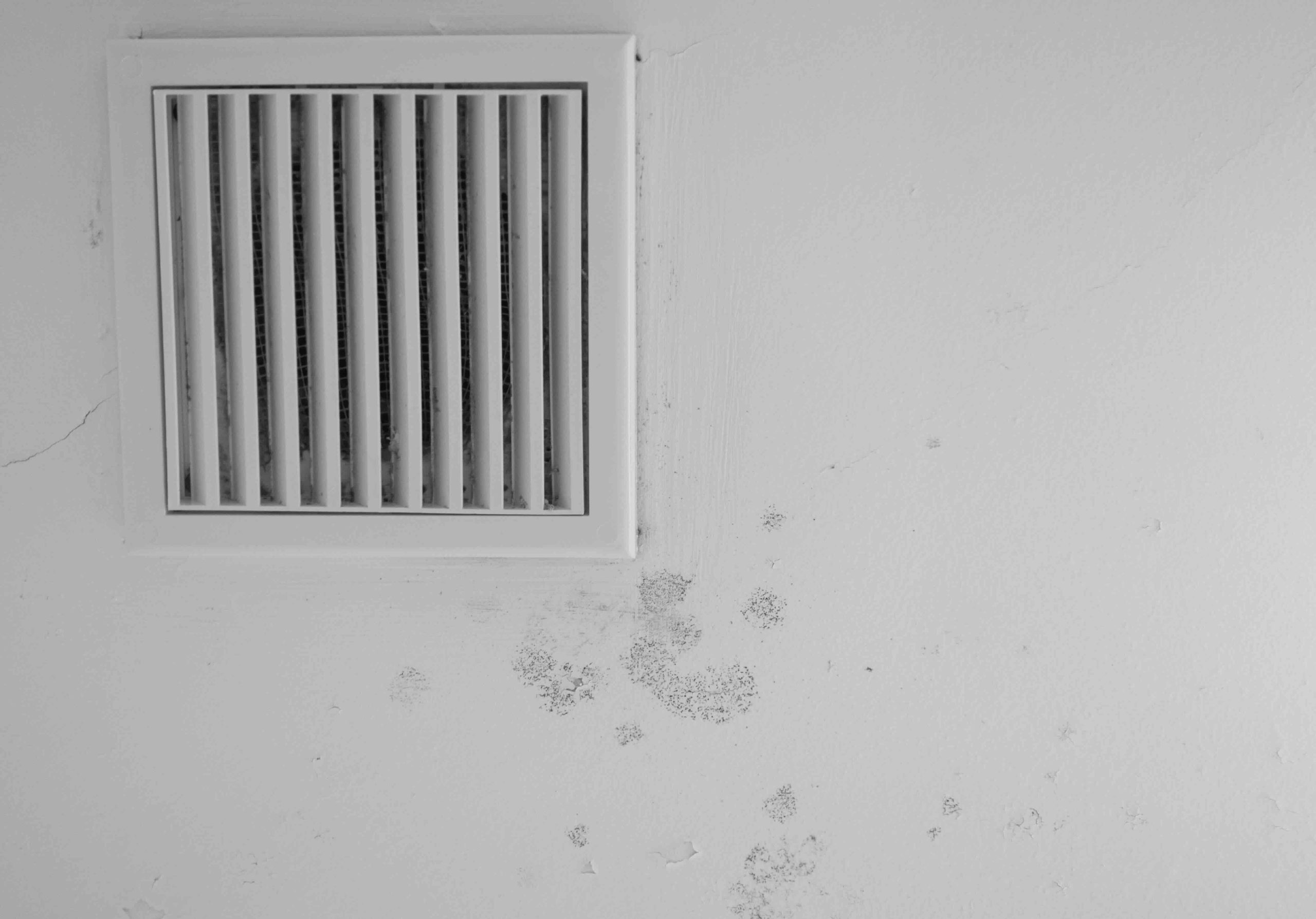
If you notice black, green, or fuzzy white spotting on the exterior of your supply registers or the interior of the duct boots, mold is already well-established. By the time mold is visible on the outside of a vent, it is often significantly more advanced inside the dark, hidden stretches of the ductwork.
Health Symptoms Among Occupants
Mold spores are powerful allergens. In 2026, health practitioners in the Gulf Coast region continue to see "Sick Building Syndrome" cases where residents experience unexplained headaches, itchy eyes, sneezing, or respiratory distress that improves when they leave the property. For those with asthma or compromised immune systems, the presence of mold in the air distribution system can be a significant medical risk.
The Technical Process of Professional Remediation
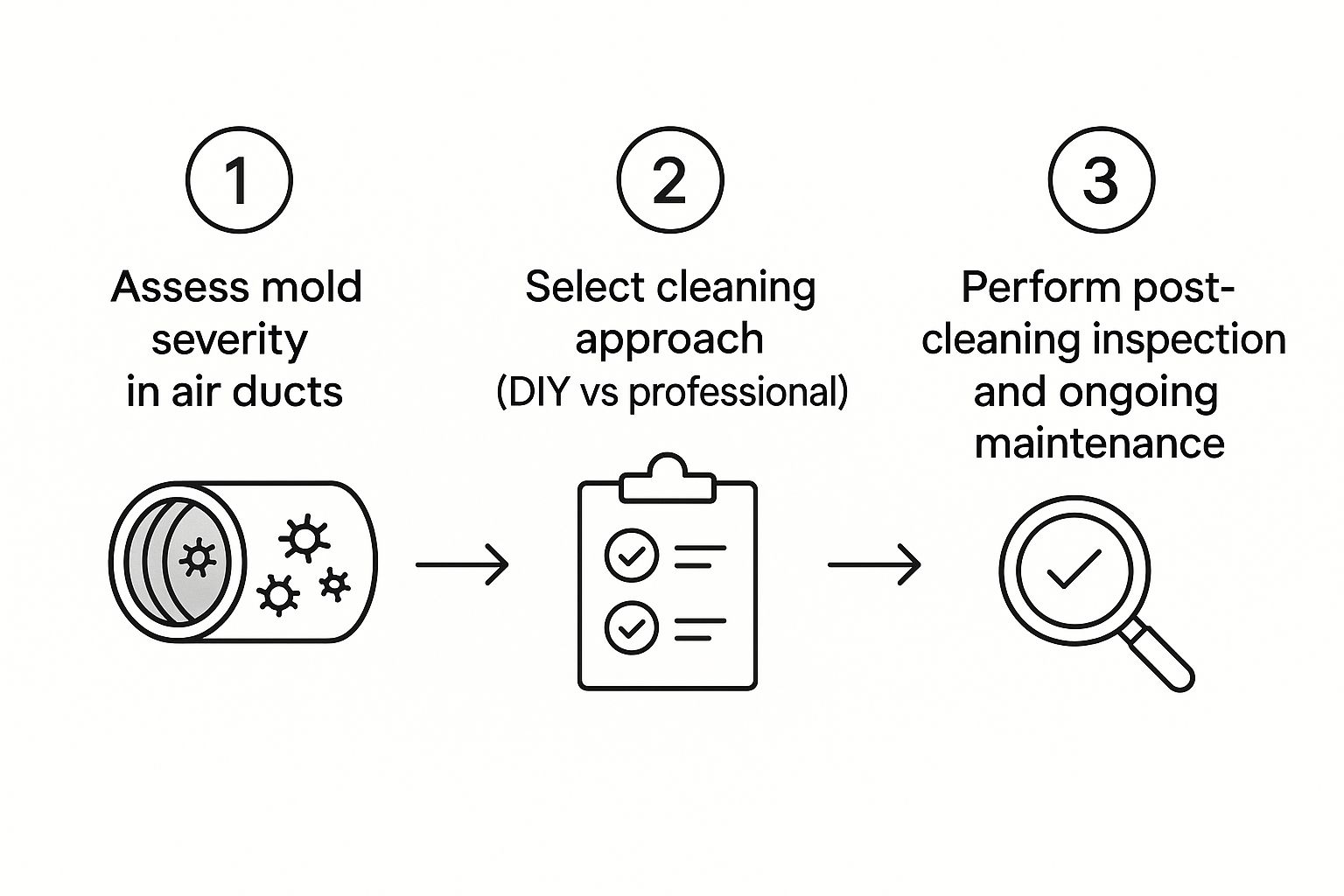
Effective mold remediation in air ducts follows a strict protocol to ensure that the cleaning process does not inadvertently spread spores to the rest of the home. Professional contractors in Gulf Shores typically adhere to the IICRC S520 Standard for Professional Mold Remediation.
1. Inspection and Containment
The process begins with a thermal imaging or borescope inspection to locate the moisture source and the extent of the growth. Once identified, the technician establishes containment. This involves sealing off the work area and using "negative air" machines equipped with HEPA filters. By creating lower pressure inside the ducts than in the living space, any spores agitated during cleaning are pulled into the filtration system rather than being pushed into the rooms.
2. Mechanical Agitation and Extraction
Mold cannot be simply "sprayed away." It must be physically removed. Technicians use specialized brushes, air whips, and "skipper balls" that travel through the ducts, breaking the mold's bond with the duct walls. A high-powered vacuum collection system, often mounted on a truck or a high-capacity portable unit, then extracts the debris. It is crucial that the vacuum used has HEPA (High-Efficiency Particulate Air) filtration capable of capturing particles as small as 0.3 microns.
3. Sanitization and Antimicrobial Treatment
After the physical debris is removed, the interior surfaces are treated. In 2026, advanced EPA-registered antimicrobial coatings are used to kill any remaining microscopic spores. These treatments often include a "fungistatic" property, which leaves a thin film on the duct surface that inhibits the growth of new mold colonies for an extended period.
4. Encapsulation (Optional)
In cases where the duct lining (fiberglass insulation) is contaminated but cannot be easily replaced, professionals may use an encapsulant. This is a specialized sealant that "locks" any remaining particles in place and creates a smooth, moisture-resistant surface that is less hospitable to future mold growth.
Comparing Duct Materials and Remediation Suitability
Not all ductwork responds to mold remediation in the same way. The material of your air distribution system determines the intensity and success rate of the cleaning process.
| Duct Material | Mold Susceptibility | Remediation Difficulty | Recommended Action |
|---|---|---|---|
| Sheet Metal | Low (Non-porous) | Low | Mechanical cleaning and liquid sanitization. |
| Flex Duct | Moderate | High | Often requires replacement if mold is heavy; delicate plastic lining can tear. |
| Fiberglass Duct Board | High (Porous) | Very High | Usually requires replacement; mold roots deeply into the fibers. |
| Internally Lined Metal | High (Porous) | High | Requires specialized encapsulation or removal of the internal lining. |
Cost Factors for Remediation in Gulf Shores
For homeowners in Gulf Shores, the cost of mold remediation in 2026 is influenced by several regional and technical variables. On average, a standard residential remediation project can range from $1,500 to $5,000, though complex cases may exceed this.
- Extent of Contamination: If mold has spread from the ducts into the air handling unit (AHU) and the evaporator coils, the complexity and cost increase. Cleaning a contaminated coil requires specialized chemical flushes.
- Accessibility: Homes built on pilings (common in beach zones) may have easier access to ductwork than those with cramped attic spaces or concrete slab foundations.
- Duct Material: As noted in the table above, if a large portion of your system consists of fiberglass duct board that has become saturated, the "remediation" will actually involve the full removal and replacement of those sections, which carries a higher price tag for labor and materials.
- Post-Remediation Testing: Many reputable companies include or recommend third-party air quality testing after the job is done to verify that spore counts have returned to "normal" background levels.
Preventing Mold Reoccurrence in the Alabama Humidity
Remediation is a temporary fix if the underlying cause—moisture—is not addressed. To protect your investment in Gulf Shores, consider the following preventative measures for 2026 and beyond.
Whole-Home Dehumidification
The most effective way to prevent HVAC mold in Baldwin County is to keep the indoor relative humidity (RH) below 50%. Standard air conditioners are designed to cool air, not necessarily to dehumidify it effectively in extreme coastal conditions. Installing a dedicated whole-home dehumidifier that works in tandem with your HVAC system ensures that even when the AC isn't running, the air remains dry.
UV-C Germicidal Lights
Installing UV-C lamps inside the air handler, specifically aimed at the evaporator coil, can prevent mold from ever gaining a foothold. The ultraviolet light disrupts the DNA of mold spores, rendering them unable to reproduce. This is a proactive "biological" defense for your system.
Regular Maintenance and Filter Changes
Using high-quality pleated filters (rated MERV 11 to 13) can trap the organic dust that mold uses as food. However, these filters must be changed more frequently in the Gulf Shores environment, as they can become damp and restricted, leading to reduced airflow and increased condensation within the unit.
The Importance of Professional Certification
When hiring a contractor in Gulf Shores for mold remediation, it is imperative to verify their credentials. Alabama does not have a specific state "mold license," but reputable professionals will hold certifications from the National Air Duct Cleaners Association (NADCA) or the IICRC (Institute of Inspection, Cleaning and Restoration Certification).
Hiring an uncertified "blow-and-go" cleaner can be dangerous. Without proper containment and HEPA filtration, a low-quality cleaning can actually worsen your indoor air quality by aerosolizing millions of mold spores and spreading them throughout your living room, bedrooms, and kitchen. Always ask for a written scope of work that includes the use of negative air pressure and EPA-registered chemicals.
Frequently Asked Questions
Does homeowners insurance cover air duct mold remediation?
In most cases, insurance coverage depends on the source of the mold. If the mold resulted from a "sudden and accidental" event, such as a burst pipe or a covered hurricane claim, remediation may be covered. However, mold resulting from "maintenance issues" or high humidity is typically excluded from standard policies. Check your 2026 policy for specific endorsements regarding fungus and mold.
How long does the remediation process take?
For an average three-bedroom home in Gulf Shores, the process usually takes between 4 to 8 hours. If the contamination is severe or requires duct replacement, it may extend into a multi-day project. Occupants are often advised to leave the property during the most intensive part of the cleaning to avoid any noise or potential exposure.
Can I use bleach to clean mold out of my air ducts?
No. Bleach is not recommended for mold remediation in HVAC systems. It is an aqueous solution (mostly water), which can introduce more moisture to the system. Furthermore, bleach is corrosive to the metal components of the HVAC system and the fumes can be toxic when circulated through the ducts. Professional remediators use specialized, non-corrosive EPA-registered antimicrobials.
How often should I have my ducts checked for mold in Gulf Shores?
Given the local climate, a professional HVAC inspection is recommended every two years. If you live in a beachfront property or a home that remains vacant for parts of the year, an annual check is safer to ensure that high humidity hasn't triggered a microbial bloom during the off-season.
Is mold in air ducts a fire hazard?
While the mold itself isn't a primary fire hazard, the debris that mold grows on—dust, lint, and organic fibers—can be. Additionally, mold can cause the HVAC blower motor to work harder and overheat. In some cases, the moisture that causes mold can also lead to electrical shorts in the system's wiring.
Practical Recommendation for Gulf Shores Residents
If you suspect mold in your air distribution system, the first step is to stop the spread. Turn off your HVAC system if you see visible spores or smell a strong musty odor. Contact a certified professional who specializes in remediation, not just cleaning. Ensure they provide a comprehensive inspection report and a detailed plan for containment and physical removal. Once the remediation is complete, invest in a high-quality dehumidification system to ensure the salt-laden Alabama humidity does not allow the mold to return.