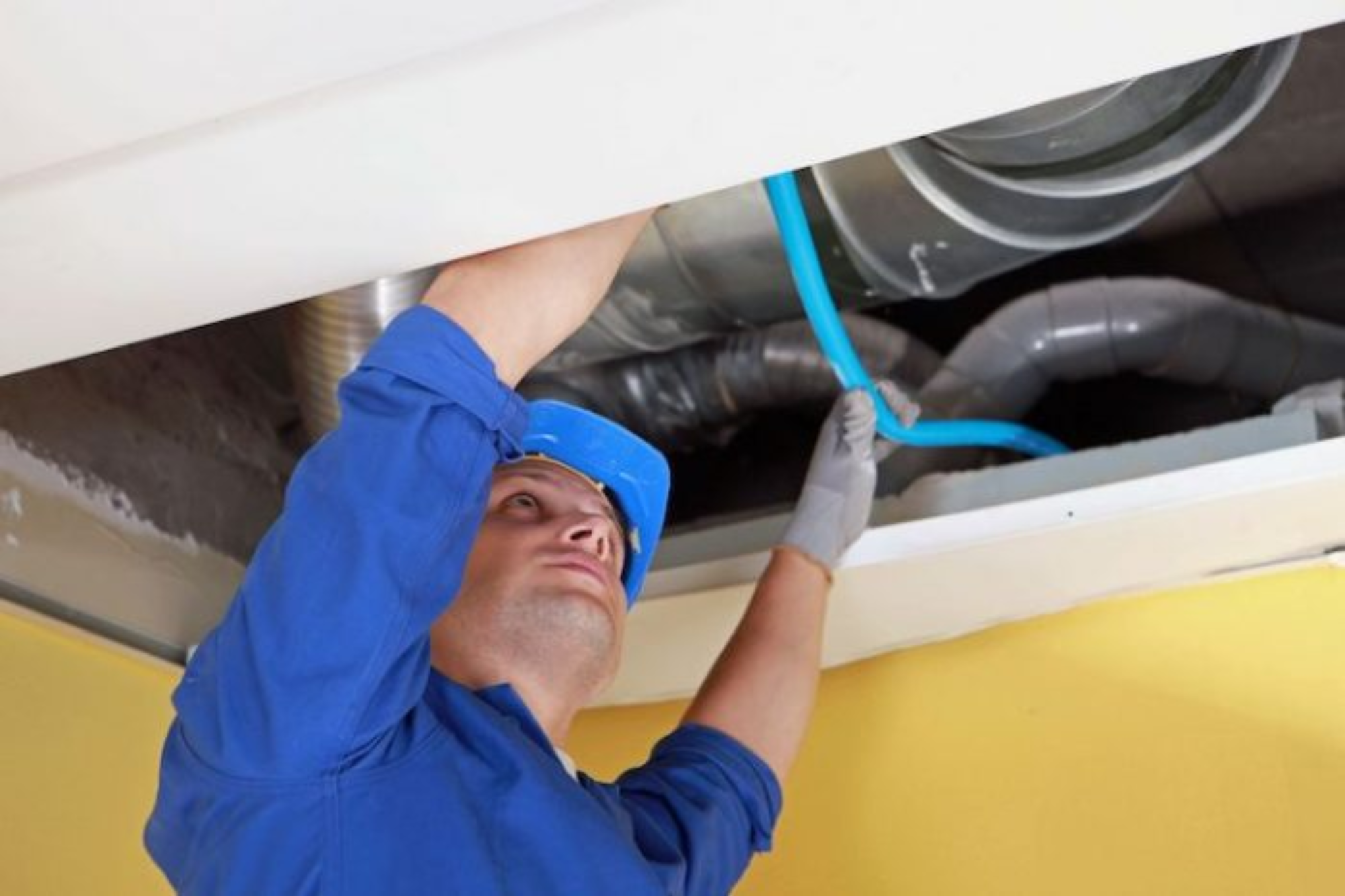
Professional air duct cleaning in Maryland (MD) involves the comprehensive removal of dust, microbial growth, and debris from a residential or commercial HVAC system. In 2026, Maryland homeowners prioritize this service to improve indoor air quality, enhance system efficiency, and address the specific allergen challenges posed by the Mid-Atlantic climate. To ensure safety and efficacy, residents should hire contractors who are licensed by the Maryland Department of Labor and certified by the National Air Duct Cleaners Association (NADCA).
The Importance of Air Duct Cleaning in the Maryland Climate
Maryland’s unique geographic position results in high humidity levels during the summer and fluctuating temperatures in the winter. This environment creates a specific set of challenges for HVAC systems. When moisture accumulates within ductwork, it provides a breeding ground for mold, mildew, and bacteria. In 2026, the emphasis on "healthy homes" has made air duct cleaning a staple of preventative maintenance rather than an optional luxury.
The state’s high pollen counts—particularly from oak, hickory, and ragweed—often find their way into the ventilation system. Once these particles settle in the ducts, they are recirculated every time the furnace or air conditioner cycles on. For the millions of Marylanders living in urban centers like Baltimore or the suburban corridors of Montgomery and Prince George’s counties, outdoor pollutants like traffic exhaust and industrial particulates also contribute to the "dust load" within a home.
Cleaning the air ducts is not just about aesthetics; it is about the mechanical integrity of the HVAC system. A heavy buildup of debris on the blower motor or the evaporator coil can reduce airflow significantly. According to the U.S. Department of Energy, clogged filters and dirty coils can increase a system's energy consumption by 5% to 15%. In the context of Maryland’s 2026 energy prices, this efficiency loss translates to substantial annual costs for the average household.
Resolving the "MD" Ambiguity: Maryland vs. Medical Doctor Perspectives
The term "air duct cleaning MD" often serves two purposes: identifying services within the state of Maryland and seeking the medical (MD) perspective on the health impacts of indoor air quality. Both interpretations are critical to a comprehensive understanding of the topic.
From a geographic perspective, Maryland has specific consumer protection laws and licensing requirements that govern home improvement services. From a medical perspective, physicians specializing in pulmonology and allergy/immunology frequently recommend duct cleaning for patients with chronic respiratory issues. In 2026, the medical community acknowledges that while duct cleaning is not a "cure" for asthma, it is a vital component of "environmental triggers' management." If a patient’s HVAC system is contaminated with mold or high levels of animal dander, no amount of medication can fully compensate for the continuous exposure occurring within the home.
Maryland Regulatory Landscape and Licensing Requirements
In the state of Maryland, air duct cleaning is often performed by HVAC (Heating, Ventilation, and Air Conditioning) contractors. It is essential to understand that any individual or company performing work that involves the physical alteration or maintenance of an HVAC system must be licensed by the Maryland Department of Labor, Licensing and Regulation (DLLR).
Before hiring a technician in 2026, consumers should verify the contractor's standing through the Maryland HVACR Board. This license ensures that the technician has met the state’s requirements for experience, education, and insurance. Hiring an unlicensed "specialist" who advertises through door hangers or social media can leave the homeowner with no recourse if the system is damaged or if the cleaning process accidentally releases contaminants into the living space.
Furthermore, Maryland homeowners should look for the NADCA (National Air Duct Cleaners Association) certification. While not a state-mandated license, NADCA certification is the gold standard in the industry. It requires contractors to follow the ACR Standard (Assessment, Cleaning, and Restoration), which dictates that the entire HVAC system—not just the ducts—must be cleaned to be effective. This includes the supply and return ducts, registers, grilles, heat exchangers, and the air handling unit.
The Professional Cleaning Process: What to Expect
A legitimate air duct cleaning service in Maryland generally takes between three to five hours for a standard single-family home. In 2026, the technology utilized has become more sophisticated, emphasizing high-efficiency particulate air (HEPA) filtration to ensure that the vacuuming process does not pollute the home’s interior.
1. Initial Inspection
The technician should begin by inspecting the system for asbestos-containing materials (common in older Maryland homes in Annapolis or Silver Spring). If asbestos is present, specialized abatement procedures are required. The technician also uses a remote camera to document the level of debris and check for structural integrity issues like disconnected joints or crushed flex-ducts.
2. Establishing Negative Pressure
The core of the cleaning process involves a powerful vacuum system. Most reputable Maryland companies use a truck-mounted vacuum. The technician creates a hole in the main supply or return trunk and attaches a large hose. When the vacuum is turned on, it creates "negative pressure" throughout the duct system. This ensures that any dust agitated during the cleaning process is sucked directly into the vacuum and out of the house, rather than blowing into the rooms.
3. Agitation and Debris Removal
While the system is under negative pressure, the technician uses compressed air tools, such as "air whips" or "skipping balls," to agitate the dust on the interior walls of the ducts. This mechanical agitation is necessary because dust often adheres to the surfaces due to static or moisture. The technician moves from the furthest register back toward the furnace, ensuring every inch of the system is cleared.
4. Component Cleaning
A common mistake in "discount" cleanings is neglecting the mechanical components. A professional service in 2026 includes cleaning the blower motor, the evaporator coil (if accessible), and the drain pan. In Maryland's humid climate, the drain pan is a high-risk area for biological growth.
Comprehensive Cost Analysis for Maryland Homeowners in 2026
The cost of air duct cleaning in Maryland varies based on the square footage of the home, the number of HVAC systems, and the severity of the contamination. Consumers should be wary of "flat-rate" offers that seem too good to be true, such as the $99 whole-house specials often seen in local circulars.
| Home Type | Number of Systems | Average Cost Range (2026) | Service Duration |
|---|---|---|---|
| Apartment/Condo | 1 System (limited ducting) | $350 – $500 | 1.5 – 2 Hours |
| Small Single Family | 1 System | $500 – $800 | 3 – 4 Hours |
| Standard Suburban Home | 1-2 Systems | $800 – $1,200 | 4 – 6 Hours |
| Large Estate / Commercial | 3+ Systems | $1,500 – $3,000+ | Full Day or More |
These prices reflect the inclusion of full system cleaning, HEPA filtration, and the labor of certified technicians. Factors that can increase these costs include the presence of mold (requiring antimicrobial treatments), the need for attic or crawlspace access, and the replacement of severely damaged insulation or flex-ducts.
Identifying and Avoiding "Blow-and-Go" Scams
Maryland has seen a rise in "blow-and-go" companies that use predatory marketing tactics. These companies often hook consumers with a very low entry price, only to "find" mold or other emergencies once they have access to the home, quickly inflating the bill to thousands of dollars.
To identify a scammer, look for the following red flags:
- Unsolicited Phone Calls: Reputable Maryland contractors rarely use cold-calling.
- Failure to Use Negative Pressure: If the technician only uses a shop-vac and brushes at each vent without connecting a large vacuum to the main trunk, they are likely just pushing dust around.
- Instant Mold Claims: Only a certified laboratory or a specialized mold remediator should make definitive claims about mold species. If a technician "identifies" toxic mold by sight and demands an immediate $1,000 "fogging" fee, ask for a sample to be sent to a lab first.
- Lack of Licensing: Always ask for their Maryland HVAC license number.
The EPA’s Guide to Air Duct Cleaning notes that if a service provider fails to follow proper procedures, the cleaning can actually worsen indoor air quality by stirring up settled dust and releasing it into the breathing zone.
The Medical (MD) Perspective: Health Implications
From a medical standpoint, air duct cleaning is a targeted intervention. While healthy individuals may notice less dust on their furniture, those with specific conditions may experience significant symptom relief.
Allergies and Asthma
In 2026, air duct cleaning is frequently recommended for patients who suffer from seasonal allergies. In Maryland, the "pollen dump" in the spring can be overwhelming. When these allergens infiltrate the home, they become part of the indoor environment. Removing them from the ducts reduces the "total body burden" of allergens the patient faces.
Rodent and Pest Contamination
Older homes in urban areas like Baltimore or older suburbs in Montgomery County can suffer from rodent infestations. Mice and rats often travel through ductwork, leaving behind droppings and nesting materials. This is a significant health hazard, as dried rodent waste can become airborne and transmit diseases like Hantavirus or trigger severe allergic reactions. In these cases, a medical doctor would insist on a professional cleaning and sanitization of the HVAC system.
Post-Renovation Cleaning
If a Maryland homeowner has recently completed a renovation project—especially one involving drywall or floor sanding—the HVAC system likely pulled in high volumes of fine dust. This dust can be irritating to the lungs and can damage the furnace blower. Medical experts advise a full duct cleaning after any major construction to restore the home to a baseline of air purity.
Expert Recommendations and Maintenance
To maintain air quality in your Maryland home after a professional cleaning, consider the following 2026 best practices:
- Upgrade Your Filters: Use a MERV 11 or MERV 13 filter. These are dense enough to catch fine particles without putting excessive strain on the system blower. In Maryland, where humidity is high, change these filters every 60 to 90 days.
- Maintain Humidity Levels: Keep indoor humidity between 30% and 50%. This prevents the growth of mold within the ducts. Use a dehumidifier in the basement during Maryland’s muggy summers.
- Regular HVAC Servicing: Schedule annual maintenance with a licensed Maryland HVAC contractor. They can spot leaks in the ductwork that might be sucking in dust from the attic or crawlspace.
- Source Control: The best way to keep ducts clean is to prevent dust from entering. This includes regular vacuuming with a HEPA-filtered vacuum and keeping pets groomed.
Frequently Asked Questions
Does air duct cleaning cause damage to the HVAC system?
If performed by a licensed professional using NADCA standards, air duct cleaning should not damage your system. However, if an untrained individual uses high-powered agitation on old, brittle "flex-ducts" (plastic-ribbed tubing common in some Maryland homes), they can cause tears. This is why a preliminary inspection is required to determine the best cleaning method for your specific duct material.
How often should Maryland homeowners clean their ducts?
In 2026, the general recommendation for Maryland residents is every 3 to 5 years. However, this frequency should be increased if you have pets that shed excessively, if you have recently completed a home renovation, or if someone in the household has a chronic respiratory condition. If you notice visible mold growth on the vents or a musty smell when the air kicks on, you should schedule an inspection immediately.
Is antimicrobial "fogging" necessary?
Antimicrobial treatments are only necessary if there is confirmed biological growth (mold or bacteria) or a persistent odor from a pest infestation. The EPA does not recommend the routine use of biocides in ductwork unless a specific problem has been identified. If a Maryland contractor insists on fogging without explaining why, ask for evidence of the contamination.
Can air duct cleaning lower my BGE or Pepco bill?
Yes, indirectly. While the ducts themselves don't consume energy, the debris inside them can restrict airflow and coat the evaporator coil and heat exchanger. When the system is clean, it doesn't have to work as hard or run as long to reach the desired temperature. In 2026, with the high efficiency of modern heat pumps used in Maryland, keeping the system clean is essential to achieving the manufacturer’s rated SEER (Seasonal Energy Efficiency Ratio).
Does cleaning the air ducts remove odors?
It can, depending on the source. If the odor is caused by dust, pet dander, or mold within the ducts, a professional cleaning will significantly improve the smell of the home. However, if the odor is coming from a source outside the system—such as moldy drywall or a hidden leak in the basement—duct cleaning will only provide temporary relief.
What should I do if I find mold in my ducts?
If you suspect mold, do not attempt to clean it yourself. In Maryland, it is best to have the substance tested by an independent third party to confirm it is mold. Once confirmed, hire a NADCA-certified contractor who is also trained in mold remediation. They will use specialized procedures to ensure that the mold spores are not spread throughout the home during the removal process.
Final Actionable Recommendation
For Maryland residents in 2026, the first step toward cleaner air is to perform a visual inspection of your own registers and air return. If you see a thick layer of "fuzz" or dust, or if you notice a lingering musty odor, it is time for a professional evaluation. Visit the Maryland Department of Labor website to verify the license of any contractor you are considering, and specifically ask for a quote that follows NADCA standards to ensure a complete system cleaning.