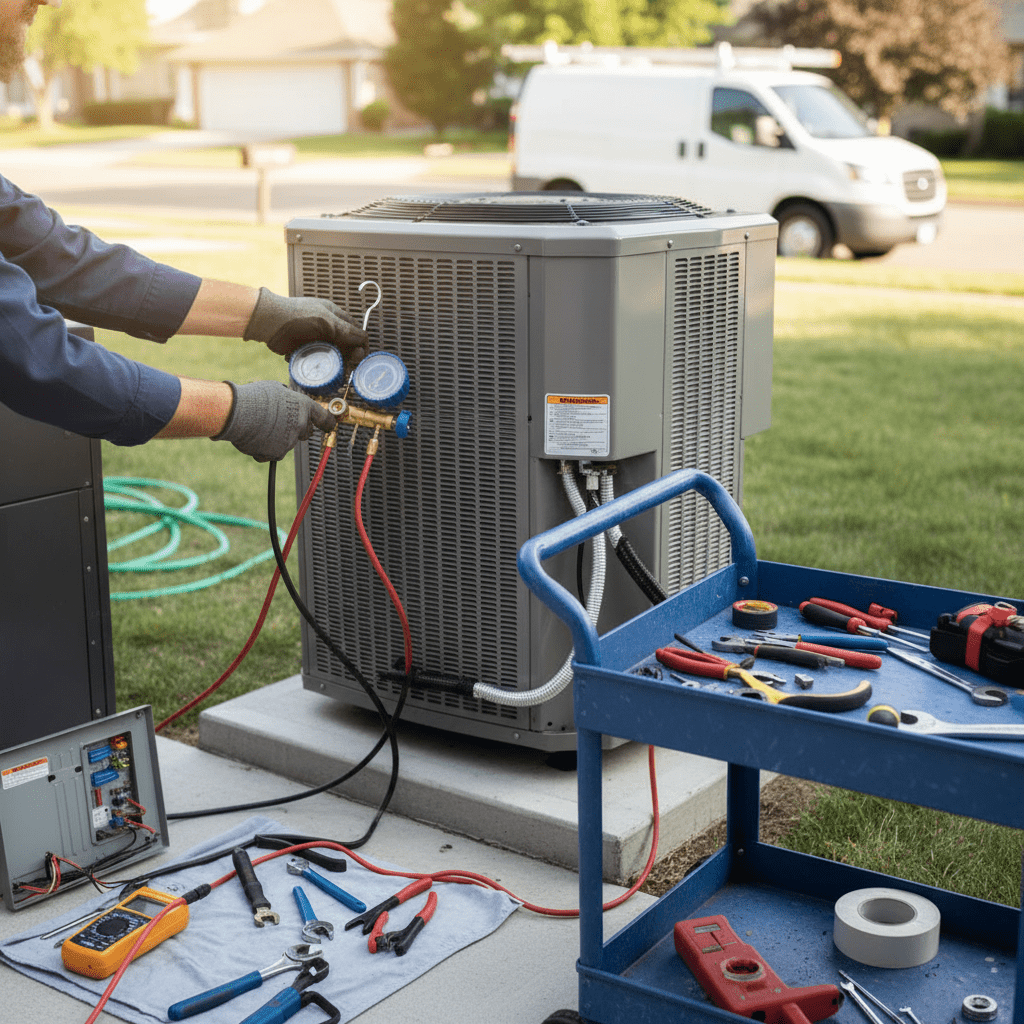
Securing professional air conditioner service in Houston is essential for maintaining indoor comfort and system efficiency amid the region's intense subtropical heat and high humidity. Homeowners and property managers require comprehensive routine maintenance, timely mechanical repairs, and expert HVAC contractor selection to handle the heavy operational demands placed on cooling equipment throughout the year.
Understanding Houston’s Unique Climate Demands on HVAC Systems
The climate in Southeast Texas presents extreme challenges for residential and commercial cooling infrastructure. With summer temperatures frequently soaring above 90 degrees Fahrenheit alongside high humidity levels, air conditioning units in Houston run for extended cycles, often operating for eight to ten months out of the year. This persistent workload accelerates mechanical wear and tear, increases energy consumption, and demands rigorous maintenance protocols.
When equipment runs nearly continuously, internal components such as compressor motors, capacitors, and evaporator coils face constant stress. The high ambient moisture in Harris County and surrounding areas also creates an ideal breeding ground for mold, algae, and bacterial growth within the condensate drain lines and drip pans. Consequently, standard maintenance schedules applicable in milder climates are insufficient for Houston properties. Local systems require proactive care to prevent premature failure during peak summer heat waves.
Core Types of Air Conditioner Services
Maintaining an HVAC system involves several distinct service categories. Understanding what each service entails helps property owners choose the correct intervention for their equipment, whether they are addressing a sudden breakdown or planning routine upkeep.
| Service Type | Primary Purpose |
|---|---|
| Routine Preventive Maintenance | Clean coils, check refrigerant, lubricate parts |
| Diagnostic & Repair Service | Identify system faults, replace failing parts |
| Emergency AC Repair | 24/7 response for total system failure in heat |
| Complete System Replacement | Install new energy-efficient equipment |
1. Preventive Maintenance Tune-Ups
Routine tune-ups are typically scheduled bi-annually—once in the spring before the heavy cooling season begins and once in the fall. A comprehensive maintenance visit includes:
- Cleaning or replacing standard air filters.
- Inspecting and clearing condensate drain lines to prevent water damage.
- Measuring refrigerant levels to check for leaks.
- Testing electrical components, including contactors, relays, and capacitors.
- Lubricating moving parts like fan motors to reduce friction.
- Cleaning outdoor condenser coils and indoor evaporator coils to ensure optimal heat exchange.
2. Diagnostic and Repair Services
When a system malfunctions, a technician performs a diagnostic assessment. Common issues in Houston homes include frozen evaporator coils due to restricted airflow, electrical failures caused by power surges or aging capacitors, and refrigerant leaks. Professional repair ensures that components are replaced according to manufacturer specifications and local building codes.
3. Emergency AC Repair
A total cooling failure during a Houston summer is more than an inconvenience; it can create a hazardous indoor environment, particularly for elderly residents, young children, and pets. Emergency HVAC services provide rapid dispatch for after-hours, weekend, or holiday repairs to restore climate control promptly.
4. System Replacement and New Installation
When an air conditioner reaches the end of its operational lifespan—typically 10 to 15 years—or suffers a catastrophic compressor failure, replacement becomes necessary. Modern high-efficiency units feature variable-speed compressors and multi-stage blowers that manage humidity more effectively than older single-stage systems, which is a significant advantage in the local climate.
Evaluating HVAC Contractors in the Greater Houston Area
Selecting a qualified, trustworthy HVAC contractor protects homeowners from substandard workmanship, invalid warranties, and unnecessary expenses. Because the home services market in Harris County includes numerous independent operators and large franchise companies, property owners should apply strict evaluation criteria before signing a service agreement.
Licensing, Insurance, and Certifications
In Texas, individuals performing air conditioning and refrigeration maintenance and installation must hold a valid license issued by the Texas Department of Licensing and Regulation (TDLR). Homeowners can verify a contractor's license online through the TDLR public search portal.
Additionally, reputable contractors should carry comprehensive general liability insurance and workers' compensation coverage to protect the property owner from liability in the event of an accident or property damage during the service visit. Industry certifications, such as North American Technician Excellence (NATE), indicate that technicians have demonstrated rigorous technical competency across various equipment brands.
Evaluating Pricing Models and Warranties
Transparent pricing is a hallmark of a professional service provider. Contractors should offer clear, written estimates before beginning any non-routine repair work. Homeowners should verify whether the provider charges a flat diagnostic fee or an hourly rate, and whether that fee is waived if the customer proceeds with the recommended repair. Furthermore, quality contractors stand by their labor with a workmanship warranty, typically ranging from 30 days to one year, complementing the manufacturer warranties on parts and equipment.
Key Signs Your Air Conditioner Needs Immediate Service
Recognizing early warning signs can prevent minor mechanical issues from escalating into major system failures. Property owners should monitor their cooling equipment for the following indicators:
- Insufficient Cooling or Uneven Temperatures: If certain rooms remain warm while others cool adequately, the system may suffer from restricted airflow, leaky ductwork, or low refrigerant charge.
- Unusual Noises: Grinding, squealing, or loud banging sounds indicate failing motor bearings, loose fan blades, or internal compressor distress.
- Fusty or Foul Odors: Musty smells usually point to mold or bacterial growth within the ductwork or evaporator coil, while burning odors suggest electrical wiring issues.
- Frequent Cycling (Short-Cycling): When an air conditioner turns on and off rapidly without completing a full cooling cycle, it may be oversized, low on refrigerant, or experiencing thermostat failure.
- Unexplained Spikes in Utility Bills: A sudden increase in electricity consumption without a change in usage habits often signifies that the system is losing efficiency and working harder to maintain the set temperature.
Cost Considerations for AC Service in Houston
Service costs vary depending on the scope of work, equipment complexity, and the specific contractor selected. Understanding the typical pricing structures helps homeowners budget effectively for routine care and unexpected repairs.
Routine Maintenance Plans
Many Houston HVAC companies offer annual service agreements or maintenance memberships. These programs typically cost between $150 and $300 per year and generally include two seasonal tune-ups, priority scheduling during peak periods, and discounts on parts and labor for subsequent repairs.
Common Repair Expenses
Minor repairs, such as replacing a standard dual-run capacitor or clearing a severely clogged condensate drain, often range from $150 to $400, inclusive of diagnostic fees and labor. More complex repairs, such as locating and repairing a refrigerant leak followed by a system recharge, or replacing a blower motor, can range from $500 to over $1,500 depending on parts availability and warranty coverage.
Full System Replacement Investment
Installing a complete central air conditioning and heating system in a Houston residence typically ranges from $5,000 to $12,000 or more. The final investment depends on the tonnage (cooling capacity), Seasonal Energy Efficiency Ratio (SEER2) rating, ductwork condition, and whether the furnace or air handler is replaced simultaneously.
DIY Maintenance Tasks vs. Professional Requirements
While homeowners can perform certain basic upkeep tasks safely, complex mechanical and electrical work must be left to licensed professionals. Attempting high-voltage electrical repairs or handling refrigerant without proper Environmental Protection Agency (EPA) Section 608 certification is hazardous and potentially violates federal regulations.
| Homeowner-Safe Tasks | Professional-Only Tasks |
|---|---|
| Replacing or washing air filters | Handling and adding refrigerant |
| Clearing debris around condenser | Testing high-voltage electricals |
| Checking thermostat settings | Cleaning indoor evaporator coils |
| Pouring vinegar in drain line | Diagnosing compressor faults |
Homeowners should focus on replacing or cleaning standard 1-inch or pleated air filters every 30 to 60 days during peak cooling months. Keeping the outdoor condenser unit free of overgrown shrubs, fallen leaves, and grass clippings ensures unobstructed airflow, which maintains system efficiency and protects the compressor from overheating.
Frequently Asked Questions About Houston AC Service
How often should I service my air conditioner in Houston?
Due to the prolonged cooling season in the Houston area, systems should be serviced twice a year—once in the spring and once in the fall. This bi-annual schedule helps manage the heavy operational hours and identifies minor issues before summer heat waves arrive.
Why is water leaking from my indoor air conditioning unit?
Water leaks usually occur when the condensate drain line becomes clogged with algae, mold, or debris, causing the drip pan to overflow. Regular maintenance includes flushing these lines, but homeowners should turn off the system immediately if water pooling is observed near the indoor air handler to prevent structural damage to ceilings or flooring.
Are higher SEER2 ratings worth the investment in Houston?
Yes, high-efficiency equipment with elevated SEER2 (Seasonal Energy Efficiency Ratio) ratings delivers substantial long-term electricity savings in climates with extended cooling seasons like Houston. Although the initial equipment investment is higher, the reduced monthly utility bills help offset the upfront cost over the system's lifespan.
What should I do if my AC stops working on a weekend?
First, check the electrical breaker panel to ensure a tripped breaker has not shut off power to the indoor or outdoor unit. Next, verify that the thermostat batteries are functioning and the settings are correct. If these checks fail to resolve the issue, contact a local HVAC provider offering emergency 24/7 repair services.
Is it better to repair an older AC unit or replace it entirely?
As a general guideline, if an air conditioner is more than 10 years old and requires a repair that exceeds 50 percent of the system's replacement value—such as a failed compressor—replacement is typically more cost-effective than investing in major repairs on aging equipment.
Next Steps for Maintaining Your Cooling System
To ensure your home remains comfortable and your equipment operates efficiently, audit your current maintenance schedule today. Check your air filters, clear any debris surrounding your outdoor condenser unit, and verify that your system is enrolled in a bi-annual tune-up program with a licensed Texas HVAC contractor. Proactive maintenance remains the most reliable strategy for avoiding unexpected breakdowns and maximizing the operational lifespan of your air conditioning equipment in Houston.