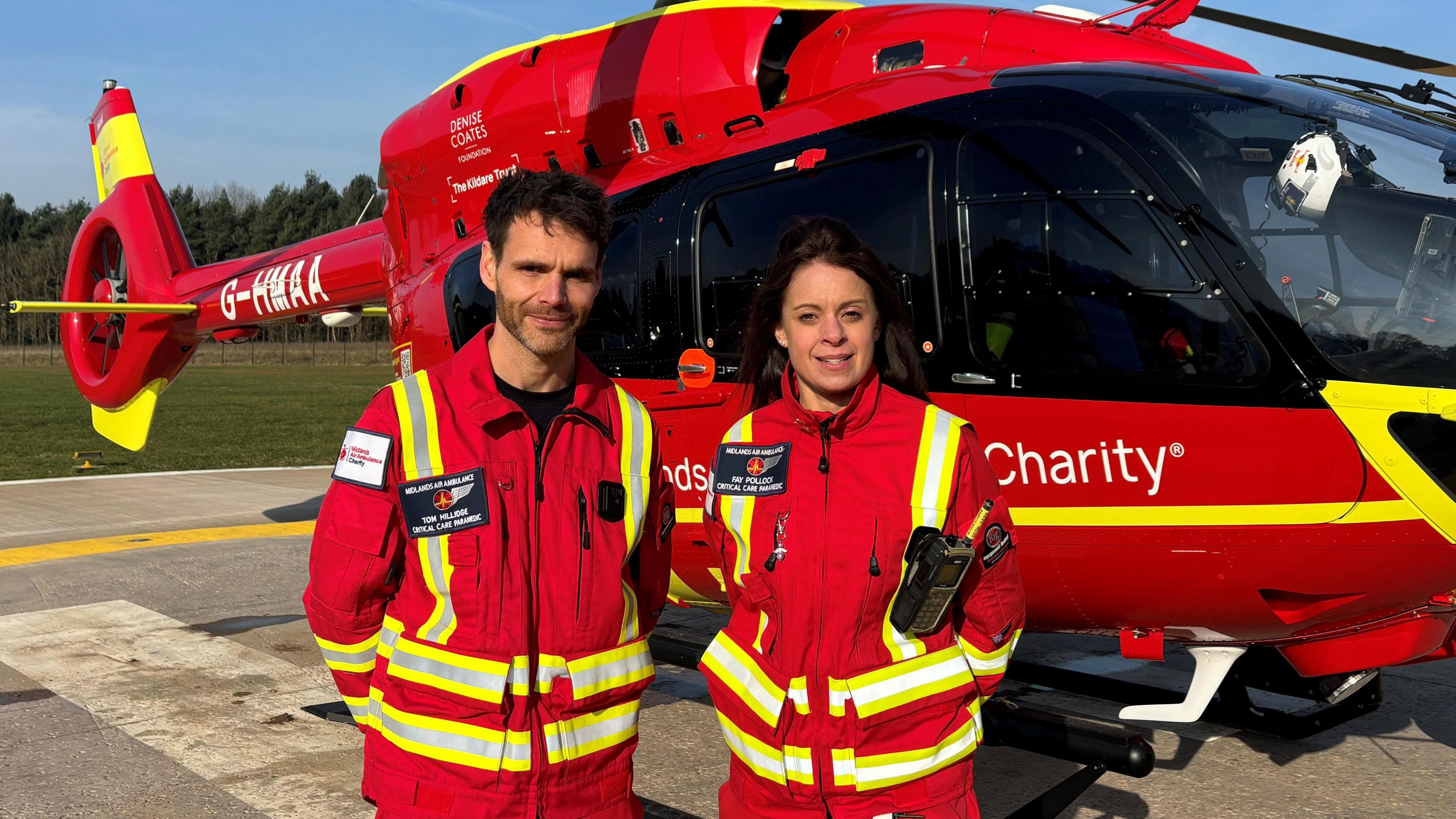
In California, air ambulance services provide life-saving emergency transport and inter-facility transfers for critically ill or injured patients. These services utilize specialized helicopters for short-range trauma and fixed-wing aircraft for long-distance medical repatriation, ensuring patients receive high-level intensive care while bypassing the state’s challenging geography and heavy traffic congestion.
The Essential Role of Air Ambulances in California
California presents a unique set of logistical challenges for medical transport. With its massive geographic footprint—ranging from the dense urban sprawl of Los Angeles and the San Francisco Bay Area to the rugged terrain of the Sierra Nevada and the remote Mojave Desert—ground transport is often insufficient for time-sensitive medical emergencies. Air ambulances bridge this gap by functioning as flying intensive care units (ICUs).
As of 2026, the California air medical landscape is a sophisticated network of private providers, hospital-based programs, and public safety agencies. These services are not merely about speed; they are about bringing high-acuity care to the patient. Whether it is a "scene call" following a vehicular accident on a remote stretch of Highway 1 or a "lateral transfer" between a community hospital and a Level I Trauma Center like UC Davis Medical Center or Cedars-Sinai, these aircraft are equipped with advanced life-support technology and staffed by specialized medical teams.
The primary goal of air medical transport is to adhere to the "Golden Hour" principle—the period of time following a traumatic injury during which there is the highest likelihood that prompt medical and surgical treatment will prevent death. In California's rural counties, where the nearest trauma center may be over 100 miles away, an air ambulance is often the only viable means of survival.
Types of Air Ambulance Aircraft and Their Applications
Air ambulance services in California generally fall into two categories: rotor-wing (helicopters) and fixed-wing (airplanes). The choice between them depends on the distance of the transport, the patient's condition, and the available landing infrastructure.
Rotor-Wing Services (Helicopters)
Helicopters are the workhorses of emergency scene responses. They are capable of landing almost anywhere—on highways, in fields, or on hospital helipads. In California, common models include the Eurocopter EC135 and the Bell 407. These aircraft are ideal for short-range transports, typically under 150 miles. They are frequently used for:
- Primary Response: Landing at the site of an accident to provide immediate stabilization and transport.
- Search and Rescue (SAR): Operative in the rugged terrain of the national parks (Yosemite, Joshua Tree).
- Urban Bypass: Transporting patients across congested metropolitan areas where ground ambulances would be delayed by traffic.
Fixed-Wing Services (Airplanes)
For distances exceeding 200 miles, fixed-wing aircraft are the preferred method. These aircraft, such as the Learjet 45 or the King Air 200, fly at higher altitudes and speeds, providing a smoother and quieter environment for the patient. Fixed-wing air ambulances are essential for:
- Inter-State Repatriation: Moving a patient from a California hospital to a facility closer to their home in another state.
- International Transport: Transferring patients across borders, often involving complex customs and immigration coordination.
- Organ Procurement: Rapidly transporting transplant teams and organs between donor and recipient hospitals.
Technical Specifications and Medical Capabilities
An air ambulance in 2026 is far more than a transport vehicle; it is a mobile clinical environment. The medical equipment on board must meet stringent weight and power requirements while providing the same level of care found in an ICU.
Clinical Equipment
Standard configurations for California air ambulances include:
- Advanced Ventilators: Capable of managing pediatric and adult patients with complex respiratory needs.
- Multi-parameter Monitors: Tracking ECG, invasive and non-invasive blood pressure, oxygen saturation, and end-tidal CO2.
- Infusion Pumps: For the precise delivery of vasoactive medications and sedatives.
- Point-of-Care Testing (POCT): Devices that allow the crew to analyze blood gases and electrolytes mid-flight.
- Specialized Kits: Including intraosseous (IO) access tools, advanced airway management, and chest decompression sets.
The Flight Crew
A standard medical crew in California usually consists of a Flight Nurse and a Flight Paramedic. Both must hold advanced certifications, such as the CFRN (Certified Flight Registered Nurse) or FP-C (Flight Paramedic-Certified). In complex cases, such as neonatal transfers (NICU) or patients requiring ECMO (Extracorporeal Membrane Oxygenation), specialized teams including respiratory therapists or physicians may be added to the manifest.
Regulatory Oversight: EMSA and FAA
The operation of air ambulances in California is governed by a dual-regulatory framework. Safety and flight operations fall under federal jurisdiction, while medical protocols and clinical standards are managed at the state and local levels.
Federal Aviation Administration (FAA)
All commercial air ambulance providers must operate under FAA Part 135 regulations. This ensures that the aircraft are maintained to the highest safety standards and that pilots meet rigorous training and flight-hour requirements. The FAA also dictates weather minimums, which are particularly relevant in California due to coastal fog and mountain turbulence.
California Emergency Medical Services Authority (EMSA)
The California EMSA oversees the medical aspects of air transport. Under California Code of Regulations, Title 22, the EMSA establishes the minimum standards for personnel, equipment, and medical control. Furthermore, each provider must coordinate with the Local EMS Agency (LEMSAs) in the counties where they operate. For example, a flight originating in San Diego County must comply with the specific clinical protocols set by the San Diego County EMS Office.
Costs and Financial Considerations in 2026
The cost of air ambulance services remains high due to the immense overhead of maintaining aircraft, paying specialized medical staff, and ensuring 24/7 readiness. In 2026, the price for a helicopter transport in California typically ranges from $30,000 to $60,000, while long-distance fixed-wing transports can exceed $100,000 depending on the distance and level of care required.
Breakdown of Charges
- Liftoff Fee (Base Rate): A fixed cost for the activation of the aircraft and crew.
- Mileage Rate: A per-mile charge for the distance flown with the patient on board.
- Specialized Equipment Surcharges: Additional fees for advanced interventions like ventilators or specialized medications.
| Service Type | Typical Range (Miles) | Estimated Cost (2026) | Primary Use Case |
|---|---|---|---|
| Rotor-Wing (Helicopter) | 0 – 150 | $30,000 - $60,000 | Emergency trauma, scene response, urban bypass. |
| Fixed-Wing (Turboprop) | 150 – 1,000 | $25,000 - $55,000 | Regional inter-facility transfers, bariatric transport. |
| Fixed-Wing (Jet) | 500 – 3,000+ | $50,000 - $120,000+ | Long-distance repatriation, international transport. |
Insurance Coverage and the "No Surprises Act"
One of the most significant developments in the air ambulance industry is the implementation and refinement of the No Surprises Act. This federal law, which took full effect in 2022 and has been further clarified through 2026, protects patients from "balance billing" for emergency air medical services.
How the Protections Work
Before this law, patients often received massive out-of-network bills because air ambulance providers were not in the patient's insurance network. Under current regulations:
- Emergency Protection: If a patient is transported in an emergency, the air ambulance provider cannot bill the patient more than the in-network cost-sharing amount.
- Independent Dispute Resolution (IDR): If the insurance company and the air ambulance provider cannot agree on a fair price, they must enter a federal mediation process. The patient is kept out of the middle of this financial dispute.
- Transparency Requirements: For non-emergency (scheduled) transports, providers must give a "Good Faith Estimate" of the costs involved, though the No Surprises Act protections specifically target the most vulnerable emergency patients.
For more information on patient rights regarding medical billing, the Centers for Medicare & Medicaid Services (CMS) provides updated resources on federal protections.
How to Arrange Air Medical Transport in California
Arranging an air ambulance depends on the nature of the situation.
Emergency Situations
In a life-threatening emergency, the decision to call an air ambulance is made by first responders (firefighters, paramedics) or attending physicians in an Emergency Department. The patient or family generally does not "call" a helicopter; instead, the local 911 dispatch or the hospital’s transfer center handles the activation.
Scheduled Inter-facility Transfers
For non-emergency transfers—such as moving a stable patient from a skilled nursing facility in Fresno to a specialized cardiac center in San Francisco—the family or the hospital's case manager takes the lead.
- Verification of Medical Necessity: Insurance companies require a physician to certify that air transport is medically necessary (i.e., ground transport would be detrimental to the patient’s health).
- Bed-to-Bed Coordination: Reputable providers offer "bed-to-bed" service, meaning they coordinate the ground ambulance at both the origin and the destination, ensuring a seamless transition of care.
Choosing a Provider: Accreditation Matters
When evaluating air ambulance providers in California, accreditation is the most reliable indicator of quality and safety. The Commission on Accreditation of Medical Transport Systems (CAMTS) is the gold standard. A CAMTS-accredited provider has undergone a rigorous voluntary audit of their safety record, medical protocols, and equipment maintenance.
Other factors to consider include:
- Experience with Specific Conditions: Some providers specialize in pediatric or neonatal care, while others have extensive experience in international repatriation.
- Insurance Contracting: While the No Surprises Act offers protection, using an "in-network" provider can still simplify the administrative process.
- Crew Credentials: Inquire if the flight nurses and paramedics are required to have a minimum number of years in critical care (typically 3-5 years) before joining the flight team.
Frequently Asked Questions
Is an air ambulance faster than a ground ambulance in Los Angeles?
While an aircraft can travel at 150-300 mph, the total "mission time" includes flight planning, crew mobilization, and ground transport to the airport. In heavy traffic, a helicopter is significantly faster for trauma cases. However, for short hops between hospitals, the time saved must be weighed against the time required for aircraft startup and patient loading.
Does Medicare cover air ambulance services in California?
Yes, Medicare Part B covers air ambulance transport, but only if it is deemed medically necessary and the patient’s condition requires rapid transport that a ground ambulance cannot provide. Medicare generally pays 80% of the approved amount after the deductible is met.
Can a family member fly with the patient?
In fixed-wing aircraft, there is usually room for one or two family members and limited luggage. In helicopters, space is extremely restricted due to weight and balance requirements; often, the medical crew needs all available space for patient care, so family members may have to travel separately.
What happens if the weather is too bad for a flight?
Safety is the priority. If a pilot determines that weather conditions (such as low visibility, high winds, or icing) exceed FAA or company safety minimums, the flight will be "weathered out." In these cases, the medical team will coordinate with ground transport or wait for a break in the weather.
Are there private memberships for air ambulances?
Yes, some providers offer membership programs where, for an annual fee, the patient's out-of-pocket costs are waived if they are transported by that specific provider. However, in California, these are strictly supplements to insurance and do not replace the need for comprehensive medical coverage.
Practical Recommendation
If you are a case manager or a family member coordinating a non-emergency medical transfer in California, start by contacting your insurance provider to understand your specific coverage limits. Always verify the CAMTS accreditation of any air ambulance provider you consider. For emergency situations, trust the clinical judgment of the on-site medical professionals who are trained to utilize the California EMS system to secure the most appropriate level of care. For those living in remote areas, maintaining a clear "landing zone" and knowing the GPS coordinates of your location can save precious minutes during a rural scene response.