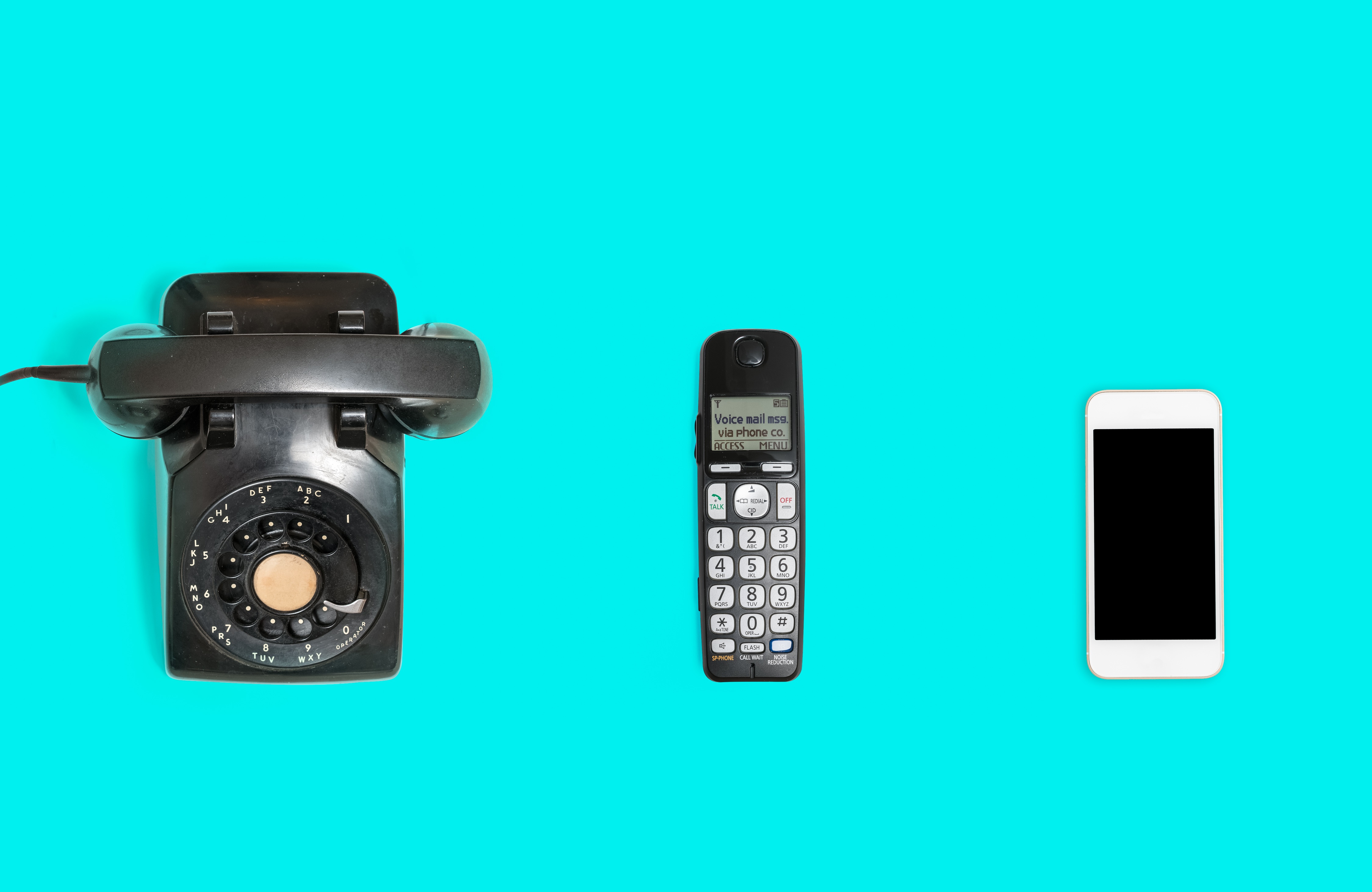
Finding affordable landline phone providers requires evaluating your existing internet setup, understanding the differences between traditional copper-wire connections and digital alternatives like VoIP, and comparing equipment costs, hidden fees, and regional availability.
Traditional landline telephone service, once the absolute standard of household communication, has undergone a massive structural transformation. For decades, legacy copper networks maintained by major telecommunications carriers provided dial tone service directly to residential homes. However, traditional Public Switched Telephone Network (PSTN) services have grown increasingly expensive. Major carriers have steadily raised monthly subscription fees, added burdensome local and federal regulatory surcharges, and phased out infrastructure maintenance.
For households, small businesses, and senior citizens who still rely on a physical telephone instrument for safety, reliability, or comfort, paying upwards of fifty to one hundred dollars per month for basic home phone service is financially unsustainable. Fortunately, the evolution of telecommunications technology means consumers no longer need to rely exclusively on incumbent local exchange carriers. Modern affordable landline phone providers utilize alternative technologies—primarily Voice over Internet Protocol (VoIP) and digital home phone adapters—to deliver traditional telephone functionality at a fraction of the cost. Navigating this marketplace requires a clear understanding of how these services operate, what technical prerequisites are necessary, and how to evaluate competing providers to secure the best value.
Understanding the Shift from Traditional Landline to Digital Home Phone Service
To find a genuinely affordable option, it is essential to understand the technical evolution of the telephone. Traditional landline service, known technically as Plain Old Telephone Service (POTS), travels over physical copper wires connected directly to a central telephone office. This infrastructure is resilient and operates independently of household electrical power, drawing its low-voltage power directly from the telephone line itself. This design allows POTS lines to function during power outages, making them a traditional gold standard for emergency preparedness.
However, maintaining aging copper infrastructure has become cost-prohibitive for network operators. Regulators in many jurisdictions have permitted telecommunications companies to transition away from copper maintenance in favor of fiber-optic and wireless networks. As a result, traditional landline rates have skyrocketed.
Enter digital home phone service, commonly referred to as VoIP or digital voice. Instead of using dedicated copper circuits, VoIP converts analog voice signals into digital data packets, transmitting them over a broadband internet connection or a cellular network. This fundamental shift eliminates the need for expensive dedicated telephone wiring. Because data transmission over the internet is exponentially cheaper than maintaining legacy copper infrastructure, alternative service providers can offer full-featured home phone service—including unlimited nationwide calling, caller ID, voicemail, and call waiting—for a flat monthly fee that often ranges between ten and twenty-five dollars.
Key Types of Affordable Landline Providers
When shopping for an affordable landline replacement, services generally fall into three distinct categories based on their underlying technology and hardware requirements. Evaluating these categories helps determine which option aligns best with your household technical setup.
Broadband VoIP Providers
These companies require an active high-speed internet connection (such as cable, fiber, or DSL). Providers send you a small analog telephone adapter (ATA). You plug the adapter into your internet router via an Ethernet cable, and then plug your standard analog telephone into the adapter. Examples of companies operating in this space include Ooma, Vonage, and MagicJack. Once configured, your phone rings, dials, and operates just like a traditional landline.
Cable and Fiber Digital Phone Bundles
Major broadband internet service providers (ISPs) often offer digital home phone service as an add-on to existing internet packages. Because the voice data travels over the same physical cable or fiber line supplying your internet, audio quality is typically very high and stable. However, promotional pricing can expire after twelve to twenty-four months, driving up the overall cost if not monitored carefully.
Cellular-Based Home Phone Base Units
For individuals living in rural areas without reliable broadband internet, or for those who prefer to bypass internet infrastructure entirely, cellular home phone bases offer an ideal workaround. These devices accept a SIM card and connect to a local cellular network (such as AT&T, T-Mobile, or Verizon). You plug your standard home telephone into the base unit, and the device routes your calls over cellular towers. Providers like Consumer Cellular, Verizon Home Phone Connect, and T-Mobile Home Phone provide these solutions.
Comparing Affordable Landline Phone Providers
Evaluating providers effectively requires looking beyond the advertised introductory monthly rate. Hidden fees, equipment purchase costs, activation charges, and taxes can significantly alter the true cost of ownership. The following table compares the leading affordable home phone solutions available in 2026.
| Provider / Service Type | Monthly Cost Range | Hardware Requirement | Internet Required? | Key Feature / Advantage |
|---|---|---|---|---|
| Ooma Telo (VoIP) | $0 to $15 + taxes/fees | Ooma Telo device ($90–$100 one-time) | Yes (High-speed internet) | Basic service is free (pay only taxes/fees); Premier tier adds advanced features. |
| MagicJack (VoIP) | $3 to $5 (billed annually) | MagicJack device ($35–$50 one-time) | Yes (High-speed internet) | Extremely low annual subscription cost; portable format. |
| Vonage Home (VoIP) | $15 to $30 | Vonage box or software app | Yes (High-speed internet) | Robust international calling add-ons and business-grade reliability. |
| Cellular Home Base (e.g., Verizon/T-Mobile) | $10 to $25 | Cellular base station ($20–$50) | No (Uses cellular towers) | Works without broadband internet; excellent for rural areas. |
| ISP Digital Bundles (Cable/Fiber) | $10 to $30 (often bundled) | Cable modem/router combo | Yes (Bundled ISP service) | Integrated billing; high reliability and call clarity. |
Critical Factors to Evaluate Before Switching
Before canceling your current provider and committing to a new affordable landline alternative, you must assess several operational and technical factors to prevent unexpected disruptions.
Internet Reliability and Bandwidth
If you choose a broadband VoIP provider, your telephone service is entirely dependent on your internet connection. If your internet service provider experiences an outage, your phone service goes down simultaneously. Furthermore, while VoIP consumes very little bandwidth, network congestion or poor Wi-Fi extender setups can introduce latency, echo, or choppy audio during conversations.
Power Outages and Emergency Preparedness
Unlike traditional copper landline phones, which draw emergency power from the central office, digital VoIP adapters and cellular base stations require household electricity to operate. If your home loses power, your phone adapter will shut down immediately unless you plug it into an Uninterruptible Power Supply (UPS) battery backup. For households prioritizing emergency safety during severe weather events, investing in a backup battery or utilizing a cellular-based backup option is essential.
911 Service Limitations (Enhanced 911)
When using a traditional landline, your physical street address is hardcoded into the local exchange switch, ensuring emergency dispatchers know your exact location instantly when you dial 911. With VoIP services, you must manually enter and keep your registered location updated within your online account settings. If you move your VoIP adapter to a vacation home or a different room without updating your address profile online, emergency responders could be dispatched to your previous address.
Porting Your Existing Telephone Number
Most consumers want to keep their existing phone number when switching providers. Federal regulations allow you to port your phone number from your current telecommunications provider to a new digital provider. However, the process typically takes anywhere from several days to two weeks. Crucial Rule: Never cancel your old phone service before the porting process is fully completed. Canceling your service prematurely can result in the permanent loss of your phone number.
Step-by-Step Transition Guide to an Affordable Landline
Executing a smooth switch to an affordable landline provider requires careful sequencing. Follow these steps to ensure uninterrupted service:
- Audit Your Current Bill: Review your current phone bill to identify exactly what you are paying for basic service versus optional features, long-distance charges, and regulatory fees.
- Determine Your Technical Setup: Assess whether you have stable broadband internet suitable for VoIP or if you require a cellular-based home phone base unit due to lack of wired internet.
- Select and Purchase Hardware: Purchase the required hardware adapter or base unit from the chosen provider or an authorized electronics retailer.
- Sign Up for Service: Create your account with the new provider. During registration, explicitly request to port your existing phone number and provide accurate billing details from your current provider.
- Install and Test the Equipment: Connect the hardware adapter to your internet router or plug in your cellular base unit. Plug your analog telephone into the device. Follow the provider's audio prompts or setup guide to verify dial tone and call placement.
- Verify 911 Settings: Log into your new provider online customer portal and verify that your physical home address is correctly saved for emergency dispatch services.
- Cancel Your Legacy Service: Wait until your old provider confirms that your phone number has been successfully ported to the new provider. Once confirmed, contact your old carrier to officially close the legacy account.
Common Pitfalls and Troubleshooting
Navigating the transition to an affordable home phone provider can occasionally present minor technical hurdles. Being aware of common pitfalls helps you resolve issues quickly.
Echo and Audio Latency
If callers report hearing an echo or if your voice sounds delayed, the issue is typically related to network packet prioritization or bandwidth congestion. Ensure that your VoIP adapter is plugged directly into your primary internet router rather than routed through multiple unmanaged network switches. If your router supports Quality of Service (QoS) settings, configure it to prioritize voice traffic over general web browsing or video streaming.
Inability to Make Outbound Calls After Porting
If incoming calls reach your new phone, but outbound calls fail or result in an error message, the porting process may still be partially active in backend routing tables. Contact your new provider's customer support desk to refresh your routing profile and verify that outgoing carrier permissions have been fully enabled.
Fax Machine and Security System Incompatibility
Traditional analog landlines support legacy analog data transmissions such as home security alarm monitoring systems and traditional standalone fax machines. VoIP networks compress audio data packets, which can corrupt fax tones and security alarm signals. If you maintain a monitored home security system, consult your security provider before switching to verify whether your alarm panel supports digital cellular monitoring or IP-based communication pathways.
Frequently Asked Questions
Can I keep my current telephone number when switching to a cheap landline provider?
Yes. Federal regulations allow you to port your existing landline telephone number to virtually any VoIP or cellular home phone provider. Do not cancel your old service until the porting process is fully finalized by the new provider.
Do digital phone adapters work during a power outage?
Standard digital VoIP adapters require household electrical power to function. If your power goes out, the adapter turns off unless it is plugged into an Uninterruptible Power Supply (UPS) battery backup device. Cellular-based home phone units similarly require power unless they feature an internal backup battery.
Are there hidden fees with free or ultra-low-cost VoIP services?
While some providers advertise basic service tiers for very low monthly costs or solely government-mandated taxes, regulatory fees (such as federal universal service fees, 911 administrative fees, and local utility taxes) often still apply and are billed monthly. Always review the itemized cost breakdown before purchasing.
Can I plug an affordable landline adapter into my home's existing wall phone jacks?
Yes, in many cases. You can plug your VoIP adapter's phone port directly into a standard wall telephone jack in your home. However, you must first disconnect the incoming copper wire outside your house at the telephone company's network interface box. Failing to disconnect the incoming utility line can damage your VoIP adapter and cause hazardous electrical feedback.
Is internet required to use an affordable landline provider?
Not necessarily. While broadband VoIP providers require high-speed internet, cellular-based home phone providers utilize local mobile networks via a SIM card inside a desktop base unit, requiring no internet connection at all.
Conclusion
Securing an affordable landline phone provider is an effective way to drastically reduce monthly household expenses without sacrificing the physical comfort, accessibility, and reliability of a traditional home telephone. By evaluating your household internet stability, weighing the pros and cons of VoIP versus cellular base stations, and carefully managing the number-porting process, you can maintain seamless communication while keeping your telecommunications budget firmly under control.