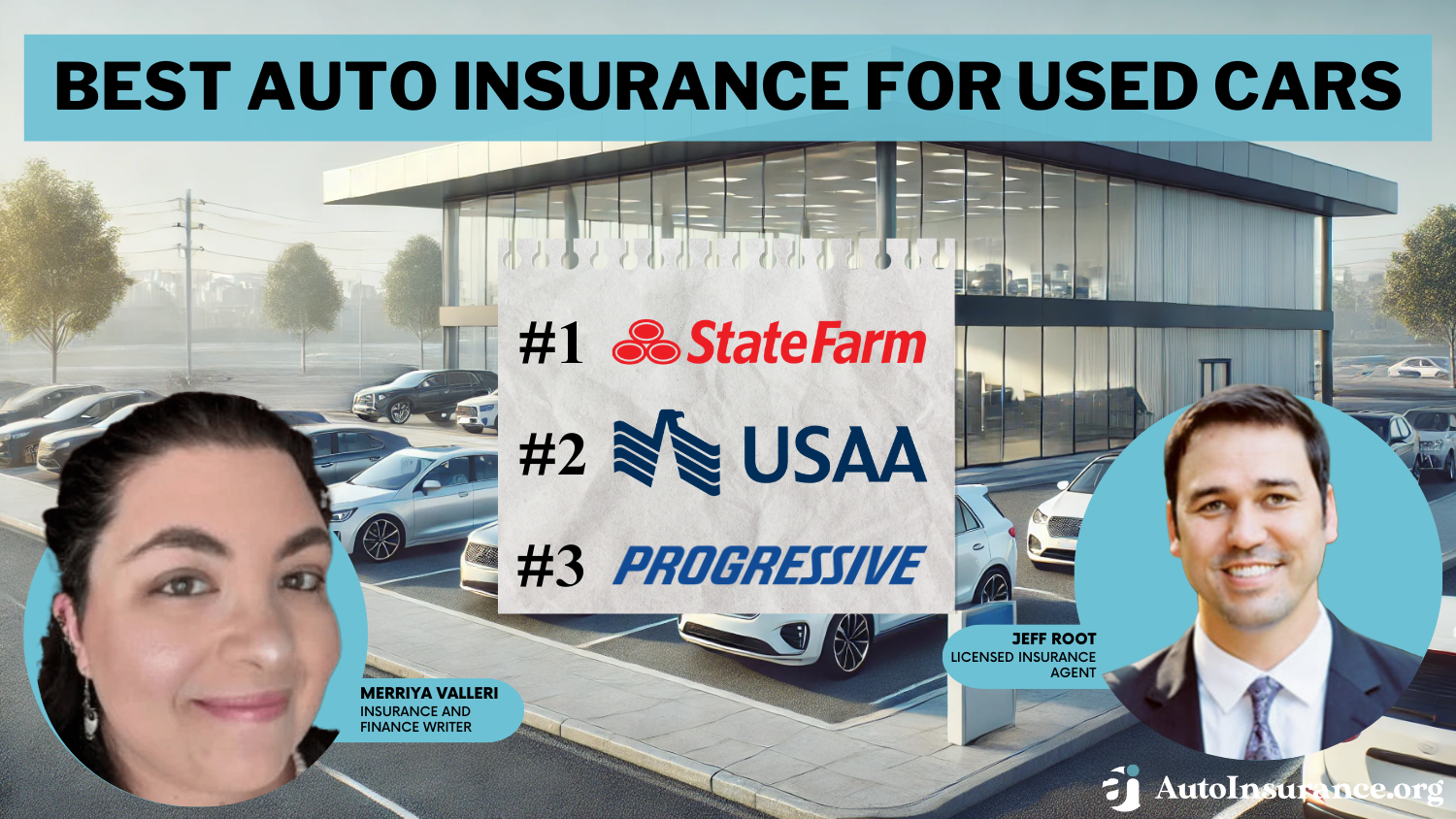
Securing affordable full coverage auto insurance for a used vehicle requires balancing state-mandated liability protection with physical damage coverages like comprehensive and collision, while leveraging discounts, higher deductibles, and strategic vehicle valuation to keep premiums manageable.
Finding affordable full coverage auto insurance for a used vehicle is a primary goal for many drivers who want the security of complete financial protection without paying exorbitant monthly premiums. While "full coverage" is not a single insurance product, it typically refers to a combination of liability insurance, collision insurance, and comprehensive insurance. When applied to a used vehicle—which has already experienced depreciation—navigating this market requires a nuanced understanding of vehicle actual cash value, deductible structuring, and policy optimization.
As insurance markets respond to evolving economic pressures, vehicle repair costs, and changing risk models, drivers must evaluate how much coverage they genuinely need. Insuring a used car differs significantly from insuring a brand-new showroom vehicle, primarily because the maximum payout an insurer will offer is tied to the car's current market value rather than its original sticker price. Understanding this financial dynamic helps vehicle owners avoid overpaying for coverage that exceeds the actual worth of their automobile.
Defining "Full Coverage" for a Used Vehicle
To secure an affordable policy, it is essential to understand what components constitute full coverage. In the insurance industry, full coverage is a colloquial term rather than a distinct policy type. It generally bundles three core coverages together:
- Liability Coverage: Pays for bodily injury and property damage you cause to others in an accident. This is legally required in almost all jurisdictions.
- Collision Coverage: Pays for damage to your own used vehicle when it is involved in a collision with another vehicle or object, such as a guardrail or tree, regardless of fault.
- Comprehensive Coverage: Protects your used vehicle against non-collision incidents, including theft, vandalism, fire, animal strikes, windshield damage, and weather events like hail or floods.
When applied to a used vehicle, comprehensive and collision coverages are optional from a legal standpoint, but mandatory if you are financing or leasing the car. Lenders require this protection to safeguard their financial interest in the asset until the loan is completely paid off.
Assessing the Value Versus Cost Equation (The "Rule of Thumb")
Before purchasing full coverage for an older or high-mileage used vehicle, owners must weigh the cost of the insurance against the actual cash value (ACV) of the automobile. This calculation is vital for ensuring that you do not spend more on insurance premiums and deductibles than the car is actually worth.
| Factor | Consideration for Used Vehicles |
|---|---|
| Actual Cash Value (ACV) | Market value of the car minus depreciation. |
| Annual Premium Cost | What you pay yearly for collision/comp. |
| Deductible Amount | Out-of-pocket cost before insurance pays. |
| The "10% Rule" | Drop coverage if annual premium > 10% of ACV. |
A common industry guideline is the 10% rule: if your annual premium for comprehensive and collision coverage exceeds 10% of the car's total actual cash value, it may make financial sense to drop physical damage coverage and carry liability only. For example, if a used sedan is worth $4,000, and comprehensive and collision insurance costs $500 per year, you are paying 12.5% of the car's value annually. Over a few years, the cumulative premiums could approach or exceed the payout you would receive if the car were totaled.
Key Factors That Influence Used Car Insurance Rates
Insurance companies use complex underwriting algorithms to determine how much you will pay for full coverage. While you cannot change historical factors like your driving record overnight, understanding these variables helps you identify areas where you can optimize your profile for better rates.
Driving History and Claims Record
Your motor vehicle record (MVR) remains one of the heaviest weighted pricing factors. Recent at-fault accidents, speeding tickets, and driving under the influence (DUI) convictions signal a higher statistical risk to insurers, resulting in elevated premiums. Conversely, maintaining a clean driving record for three to five years generally unlocks preferred tier pricing.
Vehicle Make, Model, and Safety Features
Even though your car is used, its original safety ratings, theft rates, and average repair costs heavily impact your comprehensive and collision rates. A common used sedan with widespread parts availability and high safety ratings is typically cheaper to insure than a luxury import or a sports car with specialized aluminum body panels and expensive electronics.
Location and Garaging Address
Where you park and drive your vehicle daily dictates your exposure to localized risks. Urban areas with high traffic congestion, higher rates of vehicle theft, and frequent vandalism typically command steeper comprehensive rates than rural zip codes with lower population densities.
Coverage Limits and Deductibles
Your policy structure directly dictates your baseline cost. Selecting higher deductibles—such as raising your deductible from $500 to $1,000—transfers a larger share of minor financial risk to you, which in turn reduces your monthly or semi-annual insurance premium.
Proven Strategies to Lower Full Coverage Costs on a Used Car
Achieving affordability without sacrificing necessary protection requires a deliberate, multi-step approach. Implementing these tactical adjustments can significantly reduce your premium without leaving you exposed to catastrophic financial loss.
1. Optimize Your Deductibles
Raising your collision and comprehensive deductibles is the fastest way to lower your recurring insurance bill. If you maintain a modest emergency savings fund that can cover a $1,000 unexpected expense, moving your deductible from $250 or $500 to $1,000 can lower your physical damage premium by 15% to 30%.
2. Bundle Policies
Most major insurance carriers offer substantial multi-policy discounts if you combine your auto insurance with renters insurance, homeowners insurance, or umbrella policies. Bundling simplifies your financial administration while reducing the aggregate cost across all products.
3. Leverage Telematics and Usage-Based Programs
Many insurers offer app-based or plug-in telematics programs that track your driving habits—including speed, braking smoothness, mileage, and time of day you drive. Safe drivers who log low mileage on their used vehicles can secure discounts of up to 30% or more by opting into these tracking programs.
4. Review and Purge Unnecessary Add-Ons
When reviewing your policy declarations page, check for redundant coverages. If your used vehicle is older, you might consider removing roadside assistance or rental car reimbursement if you already have motor club memberships or access to alternative transportation.
Comparing Insurance Types for Used Vehicles
To determine the ideal coverage balance, evaluate how different policy tiers align with your vehicle's market value and your personal risk tolerance.
| Coverage Tier | What It Includes | Best Suited For | Estimated Cost Profile |
|---|---|---|---|
| Liability Only | Bodily injury and property damage for others. | Cars worth less than $3,000–$4,000, paid off completely. | Lowest |
| Basic Full Coverage | Liability + Collision/Comp with high ($1,000) deductibles. | Reliable used cars worth $5,000–$15,000. | Moderate |
| Comprehensive Full | Liability + Collision/Comp with low ($250-$500) deductibles + Add-ons. | Newer used cars, luxury vehicles, or financed cars. | Highest |
Step-by-Step Guide to Shopping and Securing Your Policy
Securing the best rate requires a systematic comparison shopping process rather than accepting the first quote you receive.
- Gather Necessary Information: Collect your driver's license numbers, vehicle identification numbers (VIN), current mileage, and a history of your past insurance coverage for the last three to five years.
- Determine Your Vehicle's Value: Check valuation tools such as Kelley Blue Book (KBB) or Edmunds to establish a realistic baseline actual cash value for your specific used vehicle trim and mileage.
- Request Multiple Quotes: Obtain quotes from at least three different national and regional carriers using identical coverage limits and deductibles to ensure an accurate apples-to-apples comparison.
- Verify Discounts: Explicitly ask each insurance agent or online quoting tool to apply all eligible discounts, such as defensive driving course completions, paperless billing, good student discounts, and affiliation discounts.
- Review the Carrier's Financial Strength: Check independent rating agencies like AM Best to confirm that the insurer maintains a strong financial rating, ensuring they can reliably pay out claims.
Common Mistakes to Avoid
When shopping for affordable full coverage on a used car, drivers frequently make avoidable errors that cost them money or leave them underinsured.
- Underinsuring Liability Limits: Purchasing only the state-minimum liability limits to save a few dollars is dangerous. Minimum limits are often insufficient if you cause a multi-car accident, leaving your personal assets vulnerable to lawsuits.
- Failing to Update Valuation: Continuing to pay high comprehensive premiums on a depreciated car whose value has plummeted over the years. Review your car's market value annually.
- Ignoring the Credit Score Impact: In many regions, insurance companies use credit-based insurance scores to help determine rates. Maintaining good credit habits directly supports lower insurance premiums.
- Switching Insurers Too Frequently: While shopping around is wise, changing carriers every six months without a clear savings goal can sometimes forfeit tenure discounts or claim-free loyalty bonuses.
Frequently Asked Questions
Is full coverage legally required for a used car?
No. State laws only mandate liability insurance to cover damages and injuries you cause to others. However, if your used vehicle is financed or leased, your lender will contractually require you to carry both comprehensive and collision coverage until the loan balance is fully satisfied.
At what mileage or age should I drop full coverage on a used car?
There is no magic mileage or age threshold. Instead, use the 10% rule: compare the annual cost of comprehensive and collision coverage against the actual cash value of your car. If the annual premium equals or exceeds 10% of the car's market value, it is usually time to drop physical damage coverage.
Does comprehensive and collision insurance cover mechanical breakdowns?
No. Comprehensive and collision coverages protect against external physical damage events, weather, theft, and collisions. They do not cover mechanical failures, engine breakdowns, or standard wear-and-tear items like transmissions, alternators, or brakes. For mechanical issues, you would need a separate mechanical breakdown insurance (MBI) policy or an extended warranty.
How can I find out my used vehicle's actual cash value?
You can determine your car's actual cash value by checking independent automotive valuation resources such as Kelley Blue Book (KBB), Edmunds, or the National Automobile Dealers Association (NADA). Be sure to input your exact mileage, condition, trim level, and zip code for the most accurate market estimate.
Conclusion
Securing affordable full coverage auto insurance for a used vehicle is entirely achievable when you approach the process with a clear understanding of your car's true market value and your personal risk exposure. By balancing higher deductibles, eliminating redundant coverages, shopping multiple carriers, and maintaining a clean driving record, you can protect your financial wellbeing without straining your monthly budget. Regularly reassess your policy each year to ensure your coverage levels evolve gracefully alongside your vehicle's depreciation.