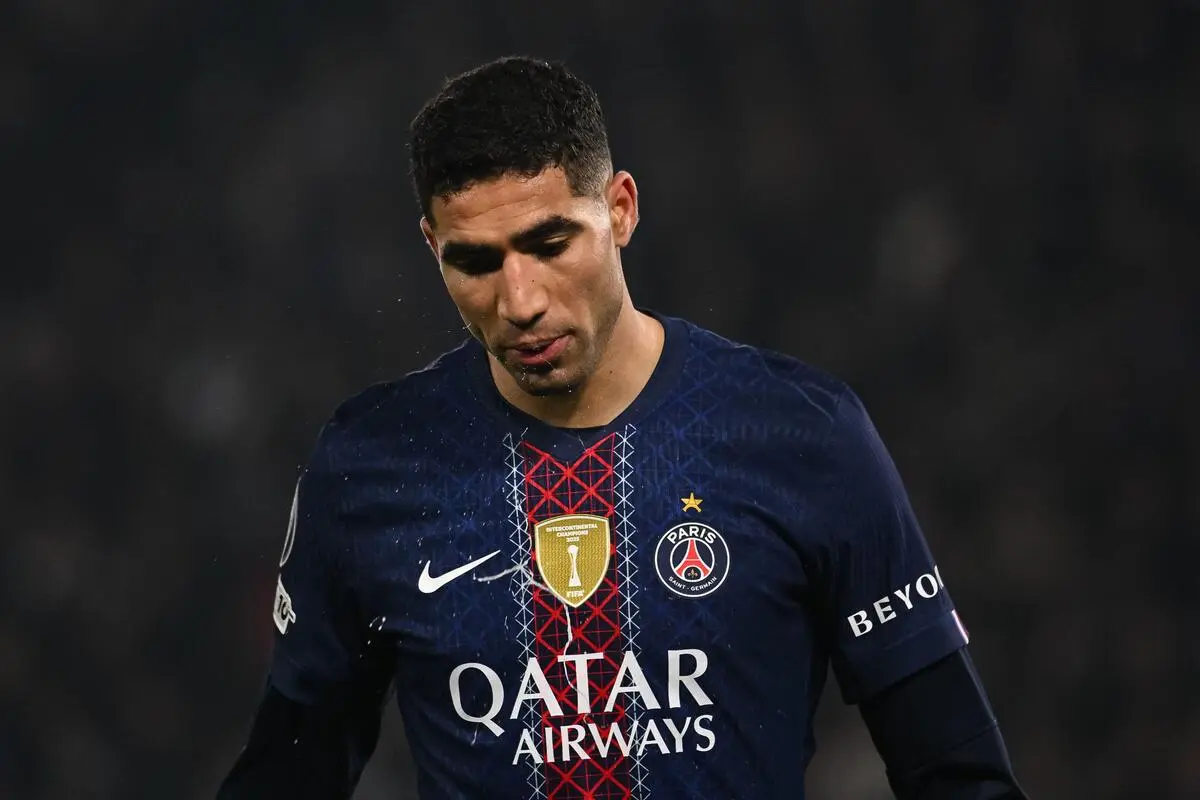
Achraf Hakimi’s market value is determined by a complex interplay of elite-level performance metrics, positional scarcity, commercial marketability, and the high-stakes economics of top-tier European football. As of 2026, his valuation remains among the highest for full-backs globally, reflecting his status as a critical asset for Paris Saint-Germain and a cornerstone of Morocco’s international success.
The Mechanics of Footballer Valuation
To understand why Achraf Hakimi commands a high market value, it is essential to first define what "market value" means in the context of professional football. Unlike a fixed asset, a player’s valuation is not a static price tag but a sophisticated estimate derived from internal club scouting data, transfer market trends, and independent financial models like those provided by Transfermarkt or CIES Football Observatory.
Market value is primarily a reflection of what a club would likely pay for the player’s services in an open transfer window, considering the remaining length of their contract. For a player like Hakimi, the valuation is heavily influenced by "positional rarity." Elite right-backs who possess the attacking output of a winger while maintaining defensive responsibilities are exceptionally difficult to acquire. Because such players are rare, their price is naturally higher, as the "replacement cost"—the amount a club would spend to find an equal player—is enormous.
Key Factors Driving Hakimi’s Valuation
Several distinct variables contribute to the specific calculation of Hakimi's market worth. These are not arbitrary numbers but indicators of professional sustainability and return on investment for his employers.
1. Statistical Output and Performance Metrics
Hakimi is renowned for his offensive contribution. In modern football, the "full-back" has evolved into an auxiliary playmaker. Hakimi’s ability to provide assists, maintain high progressive carry distances, and score from wide positions distinguishes him from defensive-minded full-backs. Scouts and data analysts look at Expected Assists (xA), shot-creating actions, and pass completion percentages in the final third. His consistent high-level performance in the UEFA Champions League provides empirical evidence that his value is justified against the highest level of competition.
2. Age and Longevity
As of 2026, Hakimi is in the prime of his athletic career. In football economics, the "age curve" is a critical multiplier. Players between 24 and 29 years old typically represent the peak of market value because they offer a blend of extensive experience and continued physical output. Unlike older players whose resale value might depreciate, Hakimi represents an asset that a buying club could theoretically recoup value from for several years, which keeps his valuation at a premium.
3. Versatility and Tactical Intelligence
Hakimi has demonstrated the ability to operate in various tactical systems, including a traditional back four, a three-man defensive line, and as a wing-back. This versatility is highly prized by managers who require tactical flexibility. His comfort in playing under high-pressure, possession-heavy systems—such as those employed at Paris Saint-Germain—increases his utility across different European leagues, thereby widening his potential market should he ever be made available for transfer.
4. International Standing and Commercial Appeal
Being a central figure for the Morocco national team—a side that has achieved unprecedented success in recent international tournaments—significantly boosts his global profile. Beyond on-pitch utility, market value is often influenced by commercial brand power. Hakimi is a major sports icon in North Africa and the Middle East, which translates into increased revenue potential for clubs through shirt sales, regional sponsorships, and digital engagement.
Comparative Market Analysis
To better contextualize Hakimi’s valuation, it is useful to compare his status against other players in the modern transfer market. While a direct "price comparison" is imperfect due to contract lengths and club leverage, we can categorize players based on their market role and impact.
| Factor | Achraf Hakimi | Traditional Full-Backs | Elite Winger Hybrids |
|---|---|---|---|
| Primary Skill | High-Volume Attacking | Defensive Stability | Goal Scoring |
| Transfer Premium | Very High | Moderate | Elite |
| Positional Scarcity | High (Rare) | Low (Abundant) | Moderate |
| Primary Value Driver | Assist/Goal Contribution | Tackle/Interception Rate | Individual Brilliance |
This table illustrates that while defensive-minded full-backs may provide stability, the market assigns a higher premium to players like Hakimi who act as primary conduits for offensive creativity. The scarcity of players who can replicate his output on the right flank creates a "seller’s market" scenario whenever his name is linked to potential transfers.
The Role of Transfer Windows and Contract Status
The valuation of a player is never absolute; it is subject to the dynamics of the transfer window. In 2026, as in previous years, a player’s market value is tethered to their contract expiry date. If a player has a long-term contract, their market value remains protected because the selling club has total control over negotiations.
If a player is entering the final year of a contract, their market value often artificially dips because the buying club knows they have leverage. However, for a player of Hakimi’s stature, top clubs are often willing to pay a premium even with a shorter contract, simply because the opportunity to acquire a world-class right-back is so infrequent.
Common Misconceptions Regarding Player Valuation
Many observers confuse "market value" with "release clauses" or "transfer fees." It is important to clarify these distinctions:
- Market Value: An expert estimation of a player’s worth based on current form, age, and market scarcity. It is a guide for fans and analysts.
- Transfer Fee: The actual amount paid between two clubs. This often includes premiums for urgency, competition between buying clubs, or the selling club's reluctance to part with a star player.
- Release Clause: A legally binding number stipulated in a contract that allows a player to leave if a club meets that specific price. Not every player has one, and it rarely reflects a player’s true market value.
Frequently Asked Questions
1. Does Achraf Hakimi's market value change during a season? Yes. Valuation platforms typically update player values several times a year based on performance, injury status, and team success. If a player maintains high levels of fitness and performance through the business end of a season, their value often trends upward.
2. Why do different sources show different values for the same player? Valuation is an estimate, not an exact science. Different organizations use different proprietary algorithms. One source might weigh physical stats more heavily, while another might prioritize a player’s commercial value or transfer history.
3. Does playing in a specific league affect Hakimi’s market value? Yes. Clubs in leagues with higher television revenue and global viewership—such as the Premier League or La Liga—often command higher valuations for their players due to the financial ecosystem of the competition. However, performing at a high level in the UEFA Champions League acts as a "value equalizer."
4. Can Hakimi’s value decrease despite playing well? It is rare but possible. Factors such as a significant long-term injury, a decline in team performance, or reaching an age where clubs typically stop investing in long-term assets can lead to a decrease in market valuation, even if the player is still performing professionally.
Next Steps for Following Player Valuations
For those interested in tracking the financial trajectory of players like Achraf Hakimi, the best practice is to monitor reputable, data-driven sources that provide historical context. Relying on transfer rumors or social media speculation often leads to inflated figures that do not align with actual market transactions. By observing how these values shift following major international tournaments or at the conclusion of the Champions League, you can gain a deeper understanding of the economic forces shaping the modern game.