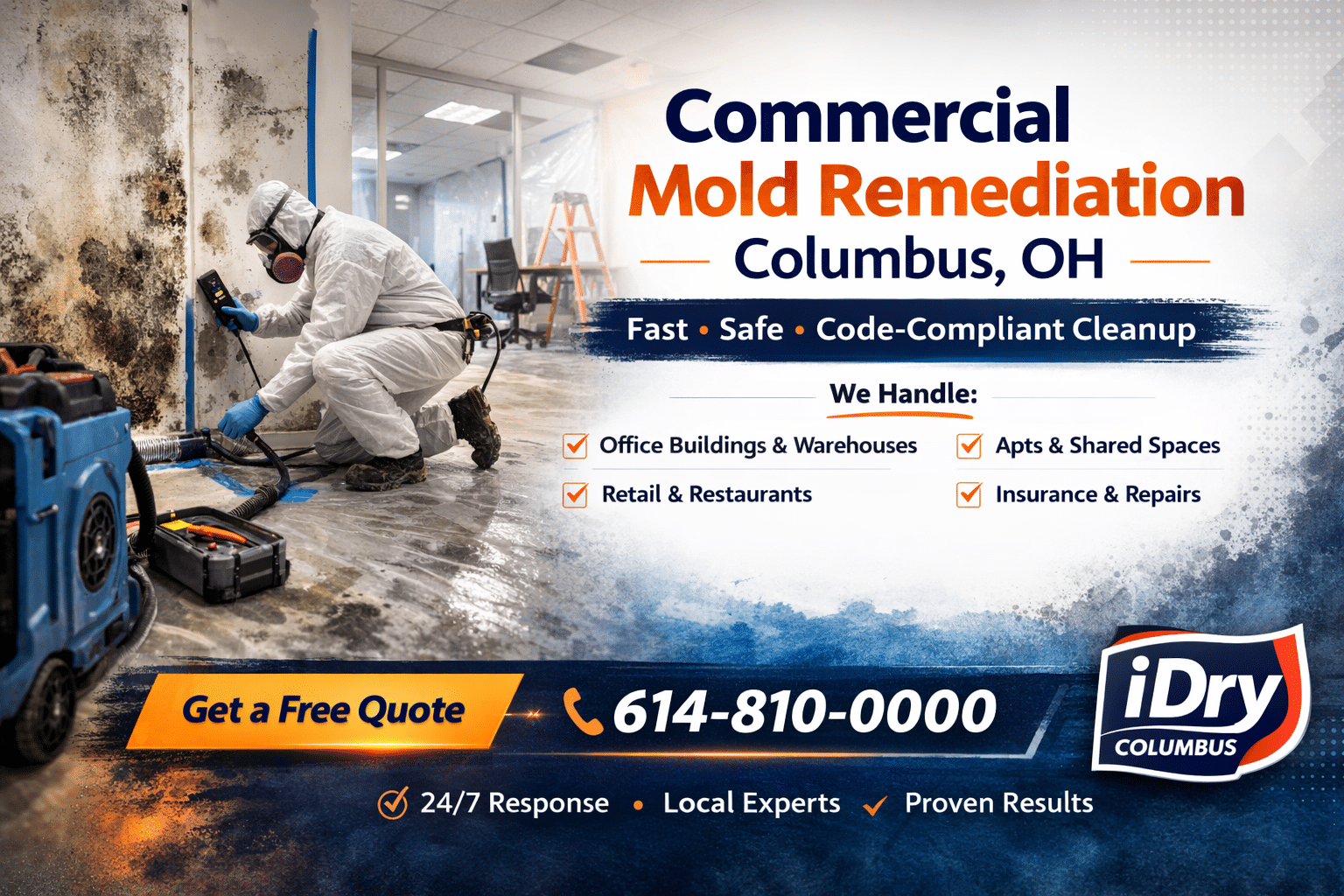
ACFM mold remediation refers to the systematic process of identifying, containing, and removing mold growth using professional-grade equipment measured in Actual Cubic Feet per Minute (ACFM). In the context of property restoration, ACFM is the primary metric for calculating the effectiveness of air filtration devices (AFDs) and negative air machines used to scrub contaminated indoor air. Proper remediation follows standardized environmental safety protocols to ensure that mold spores are captured, surfaces are cleaned, and the source of moisture—the catalyst for mold—is permanently eliminated to prevent recurrence.
The Role of ACFM in Mold Remediation
In professional restoration, the term ACFM is not merely a technical measurement; it is a critical performance indicator for the equipment utilized during a mold cleanup project. Unlike Standard Cubic Feet per Minute (SCFM), which corrects for pressure and temperature, ACFM represents the actual volume of air flowing through a machine at the specific site conditions of your property.
When a remediation team sets up containment, they rely on negative air machines to create a pressure differential. This pressure ensures that air flows from clean areas into the work zone, preventing spores from drifting into the rest of the building. The equipment must be sized according to the volume of the room (length x width x height) to achieve the necessary Air Changes per Hour (ACH). Standard industry guidelines, such as those published by the Institute of Inspection, Cleaning and Restoration Certification (IICRC) in the S520 Standard for Professional Mold Remediation, dictate that a minimum of four air changes per hour is required to maintain effective filtration.
Identifying the Need for Professional Intervention
Mold growth is often invisible or trapped behind walls, ceiling tiles, and under flooring. Homeowners or property managers should seek professional mold remediation services when they notice persistent musty odors, visible fungal growth covering more than ten square feet, or evidence of water damage that has remained wet for more than 48 hours.
The "remediation" process differs significantly from "cleaning." While cleaning might remove surface-level mold, professional remediation is an engineered sequence designed to protect the health of occupants and the structural integrity of the building. Attempting to manage extensive mold growth without professional-grade air scrubbing equipment often leads to cross-contamination, where spores are aerosolized and spread to previously unaffected areas of the home.
The Systematic Process of Remediation
Professional mold remediation is a disciplined, multi-stage operation. It is rarely a "one-and-done" task, as it requires careful preparation and rigorous verification.
1. Assessment and Scope Definition
Before any physical work begins, a professional may recommend a third-party environmental inspection. An industrial hygienist will take air and surface samples to determine the mold species and the extent of the contamination. This data allows the remediation company to build a precise plan, ensuring the equipment, including the high-capacity ACFM air scrubbers, is appropriate for the severity of the infestation.
2. Containment and Source Control
Containment is the cornerstone of mold safety. Workers will seal the work zone using thick polyethylene sheeting and create an airlock entry. Once sealed, the negative air machines are vented to the outside. By pulling a higher volume of ACFM out of the space than is entering, a negative pressure environment is established, ensuring that when the containment is breached (such as when workers exit), air rushes inward, not outward.
3. Filtration and Air Scrubbing
The core of the "ACFM" application is the HEPA (High-Efficiency Particulate Air) filtration unit. These devices must be capable of filtering particles as small as 0.3 microns with an efficiency of 99.97%. The ACFM capacity must be calibrated to the enclosure size. If a machine is underpowered, the air in the room will not be scrubbed frequently enough to reduce spore counts to safe levels.
4. Removal and Decontamination
Once the air is stabilized, the contaminated materials—such as porous drywall, insulation, or carpet—are carefully removed. These materials are placed in sealed bags before being moved through the containment zone. Remaining structural components are then cleaned using HEPA vacuums and EPA-registered antimicrobial agents.
5. Verification and Reconstruction
After cleaning, the space undergoes a final post-remediation verification (PRV). This is a visual and air-quality test conducted to ensure the mold levels have returned to a baseline consistent with the outdoor environment. Only after a successful PRV is the containment removed and the reconstruction phase permitted to begin.
Comparison of Professional vs. DIY Remediation
| Feature | Professional Remediation | DIY Cleaning |
|---|---|---|
| Equipment | Industrial HEPA scrubbers (High ACFM) | Household HEPA vacuums |
| Containment | Negative air pressure (sealed) | None or simple plastic sheets |
| Safety Gear | Full-face respirators (P100/HEPA) | Dust masks |
| Verification | Third-party post-remediation testing | Visual inspection only |
| Liability | Bonded, insured, and certified | None |
Managing Costs and Insurance Coverage
The cost of professional mold remediation varies significantly based on the square footage of the affected area and the complexity of the containment required. Costs are typically calculated based on labor, equipment rentals (specifically the duration of high-ACFM air scrubber usage), and material disposal fees.
Most standard homeowners' insurance policies contain exclusions for mold growth unless it is the direct, proximate result of a covered peril, such as a burst pipe. If the mold resulted from long-term moisture buildup or neglected maintenance, coverage is frequently denied. It is critical to review your policy and document the source of the water damage clearly before initiating any professional intervention.
Common Mistakes to Avoid
- Bleaching Mold: Many homeowners incorrectly assume that bleach kills mold on porous surfaces. Bleach only kills surface mold while the water in the solution can actually feed the roots of the fungus deeper into the material.
- Neglecting the Moisture Source: No amount of ACFM filtration will solve a mold problem if the moisture source—such as a roof leak or high humidity—persists. Always fix the leak before starting the remediation.
- Ignoring Airflow: Failing to place air scrubbers correctly within the containment zone results in "dead spots" where air does not circulate, allowing pockets of spores to remain.
- Skipping the PRV: Relying on the remediation company to verify their own work is a conflict of interest. Always hire an independent environmental professional for the final clearance.
Frequently Asked Questions
What does ACFM mean for my mold removal project? ACFM stands for "Actual Cubic Feet per Minute." In remediation, it measures the airflow capacity of a negative air machine. A professional uses this to ensure the machine can change the air in your room frequently enough to keep airborne spore counts low during the cleanup.
Do I need a professional for small amounts of mold? The EPA suggests that if the moldy area is less than 10 square feet, you may be able to handle it yourself, provided you use proper personal protective equipment. However, if the mold is due to sewage or contaminated water, or if you have health concerns, professional intervention is highly recommended regardless of size.
How do I know if the mold is gone? The only way to confirm success is through a Post-Remediation Verification (PRV). This involves an independent inspector measuring fungal spore counts in the air compared to the exterior air. If the levels are comparable, the space is considered clear.
Can I run my HVAC system during remediation? Generally, no. Your HVAC system must be turned off, and the supply and return vents must be sealed during the process. Running the HVAC can pull mold spores into the ductwork, spreading the contamination throughout your entire house.
Next Steps for Property Owners
If you suspect significant mold growth, prioritize containment and safety above all else. Avoid disturbing the area, as physical agitation releases spores into the air. First, document the damage with photographs for insurance purposes. Second, identify and stop the water source. Third, contact a certified mold remediation specialist who can perform a site assessment and provide a detailed scope of work. Ensure the contractor explicitly references the use of HEPA-filtered air scrubbers sized correctly in ACFM for your specific volume of space to guarantee a successful and safe cleanup.