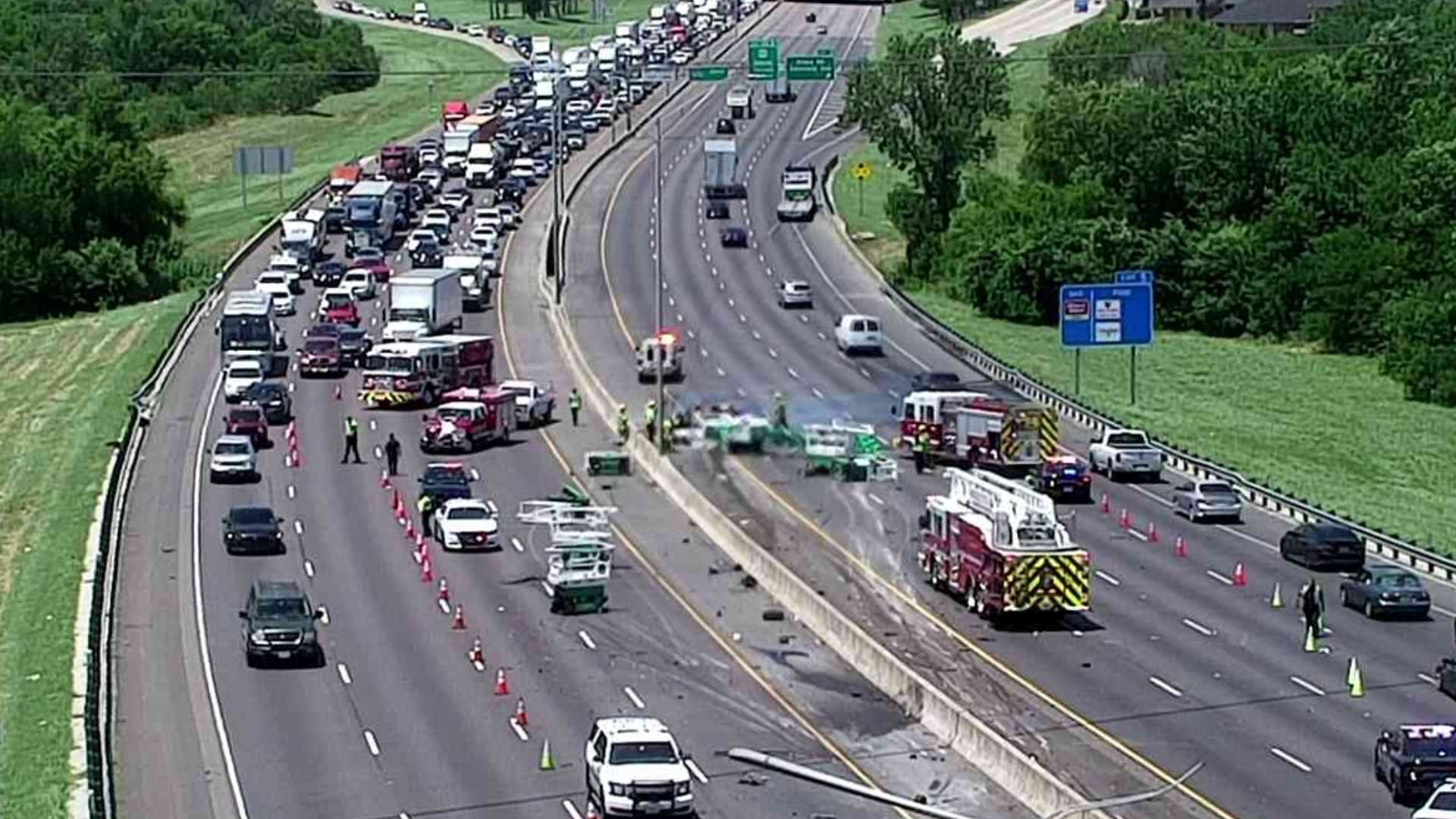
When an accident occurs in Mesquite, Texas, understanding your rights, legal obligations, and the practical steps for recovery is essential. Whether the incident involves a motor vehicle collision, a slip and fall on commercial property, or a workplace injury, victims must navigate a specific set of Texas state laws, local reporting requirements, and insurance protocols to seek appropriate compensation or medical attention.
Understanding the Legal Framework for Personal Injury in Mesquite
Mesquite operates under the laws of the State of Texas, which governs how injury claims are handled. The most critical legal principle in Texas is "modified comparative negligence" (Texas Civil Practice and Remedies Code Section 33.001). Under this rule, a person can only recover damages if they are found to be 50% or less responsible for the accident. If your share of fault exceeds this percentage, you are barred from recovering any compensation from other parties.
Furthermore, Texas imposes a strict statute of limitations on personal injury claims. Generally, individuals have two years from the date of the injury to file a lawsuit in civil court. Failing to initiate legal action within this window usually results in the permanent loss of the right to seek damages. Because of these constraints, establishing a clear record of the event as close to the date of occurrence as possible is vital for any potential claim.
Essential Immediate Actions After an Accident
Regardless of the type of injury, the hours and days following an incident determine the viability of a future claim. The following sequence of actions provides the best protection for your interests:
- Prioritize Safety and Medical Assessment: If you are involved in a traffic accident or workplace injury, ensure you are in a safe location. Seek medical attention immediately, even if injuries seem minor. Documentation from medical professionals acts as the primary evidence linking the accident to your injuries.
- Report the Incident: For motor vehicle accidents in Mesquite, if there is injury or property damage exceeding $1,000, you must contact local law enforcement—either the Mesquite Police Department or the Texas Department of Public Safety—to file an official Crash Report (Form CR-3). For workplace injuries, inform your employer in writing immediately.
- Gather On-Site Evidence: Capture photographs of the accident scene, including road conditions, signage, vehicle damage, or the specific hazard (like a wet floor or obstructed walkway) that caused the injury.
- Exchange Information: In vehicle incidents, exchange driver’s license, insurance, and contact information with all involved parties. If witnesses are present, record their names and contact details.
Common Categories of Accident and Injury
Accidents in Mesquite generally fall into distinct categories, each requiring different handling strategies:
Motor Vehicle Accidents
Mesquite is bisected by major thoroughfares like I-635 (the LBJ Freeway) and I-30, which contribute to high-density traffic. Most claims involving vehicles are handled through the "at-fault" insurance system. You must prove the other party was negligent—typically by showing they violated a traffic law or acted with a lack of reasonable care.
Premises Liability (Slip and Fall)
If you are injured on someone else’s property, such as a retail store or restaurant, the owner’s liability depends on your status as an invitee. Business owners have a duty to keep premises reasonably safe. To win a claim, you must demonstrate that the owner knew, or should have known, about a dangerous condition and failed to remedy it or warn of the risk.
Workplace Injuries
If you are injured at work, the process depends on whether your employer participates in the Texas Workers’ Compensation system. Unlike most states, Texas allows private employers to "opt-out" of workers' compensation. If your employer subscribes, you generally cannot sue them for negligence, as the system provides exclusive benefits. If they are a "non-subscriber," you retain the right to file a lawsuit for negligence.
Comparison Table: Understanding Injury Claim Types
| Injury Category | Primary Evidence Needed | Typical Statutory Deadline | Reporting Requirement |
|---|---|---|---|
| Auto Accident | Police report, photos, medical bills | 2 Years | Police report required if >$1,000 damage |
| Premises Liability | Incident report, surveillance, witness names | 2 Years | Notify management/property owner immediately |
| Workplace Injury | Employer injury report, medical logs | 2 Years | Written notice to employer within 30 days |
| Product Liability | Defective item, purchase records, manuals | 2 Years | Report to manufacturer or retailer |
The Role of Insurance and Compensation
Texas requires drivers to maintain minimum liability insurance, commonly referred to as "30/60/25" coverage: $30,000 for bodily injury per person, $60,000 for bodily injury per accident, and $25,000 for property damage. When an accident occurs, you will likely deal with the at-fault party's insurance adjuster.
Adjusters focus on minimizing the payout. They may request recorded statements, which can be used to twist your account of events to suggest you were partially at fault. You are not legally required to give a recorded statement to the other party’s insurance provider. If you choose to negotiate, keep your communication strictly to the facts of the accident and the medical records provided by your healthcare team.
Costs and Financial Considerations
The financial impact of an injury extends beyond immediate medical bills. When calculating potential compensation, legal experts and insurers look at "economic" and "non-economic" damages:
- Economic Damages: These include objective, quantifiable costs such as hospital bills, prescription medications, physical therapy, lost wages, and property repair costs. Keep a dedicated file for every receipt, invoice, and pay stub related to your recovery.
- Non-Economic Damages: These are subjective and include pain and suffering, loss of enjoyment of life, and emotional distress. Proving these often requires detailed documentation from mental health professionals or testimony regarding how your daily routine has been impacted by your injuries.
Frequently Asked Questions (FAQ)
1. Do I need to file a police report for a minor "fender bender" in Mesquite? If there is any visible damage or physical injury, yes. Texas law mandates the reporting of crashes resulting in injury, death, or property damage estimated at $1,000 or more. Even if the damage seems minor, an official report is often the only way to hold the other driver accountable if latent property damage or injuries appear later.
2. What happens if I was partially at fault for the accident? Under Texas's modified comparative negligence law, you can still receive compensation as long as your share of the blame is 50% or less. However, your total compensation will be reduced by your percentage of fault. For example, if you are awarded $10,000 but are found 20% at fault, your payout will be reduced to $8,000.
3. Is it possible to pursue a claim without an attorney? Yes, for minor incidents with clear liability and minimal injuries, you can often negotiate with an insurance company yourself. However, for significant injuries, long-term disability, or when liability is disputed, an attorney can help ensure you do not inadvertently waive your rights or accept a low-ball settlement that does not cover future medical costs.
4. How does the "non-subscriber" status affect my workplace injury claim? If your employer has opted out of the Texas Workers’ Compensation system, they lose certain legal defenses. This makes it significantly easier to sue them directly for negligence. Always verify your employer's subscription status through the Texas Department of Insurance if you are injured on the job.
5. What is the most common mistake made after an injury? The most common error is failing to document the event thoroughly or waiting too long to seek medical care. Gaps in medical treatment allow insurance adjusters to argue that your injuries were not caused by the accident or that they were not serious enough to require the compensation you are requesting.
Next Steps and Recommendations
If you have been involved in an accident in Mesquite, your immediate priority should be your health. After your medical needs are addressed, secure all documentation related to the event. Organize your medical records, police reports, and correspondence with insurance companies into a single chronological file.
If you believe your case involves significant medical expenses or complex liability issues, consult with a legal professional familiar with Texas civil statutes. Do not sign a "Full and Final Release of Claims" provided by an insurance company until you have fully assessed the long-term prognosis of your injuries, as this action typically prevents you from seeking further funds should your condition worsen.