An academy of music and fine arts functions as a specialized educational institution dedicated to the advanced training, theoretical study, and practical mastery of the performing and visual arts. Designed for aspiring musicians, painters, sculptors, actors, and dancers, these institutions offer rigorous conservatory-style instruction, structured academic curricula, and professional performance or exhibition opportunities. Whether structured as independent conservatories, university departments, or community-based foundational centers, these academies bridge raw creative talent with technical discipline, historical context, and industry readiness.
Understanding the Structure and Purpose of a Fine Arts Academy
The primary mission of an academy of music and fine arts is to cultivate professional artistry through an immersive environment where creative practice is paired with critical theory. Unlike general liberal arts colleges, these academies prioritize studio work, instrument training, ensemble performance, and portfolio development from day one.
Students often navigate a dual curriculum. On one side, practical training dominates: instrumentalists rehearse solo and orchestral repertoires for hours daily, while fine arts students spend extensive time in dedicated studios learning drafting, color theory, digital fabrication, and material manipulation. On the other side, academic coursework contextualizes this work, covering art history, musicology, acoustics, aesthetic philosophy, and professional development.
Core Divisions: Music Versus Visual and Performing Arts
While institutions vary in their exact configuration, an academy of music and fine arts typically divides its offerings into distinct departments, each maintaining unique facility and faculty requirements.
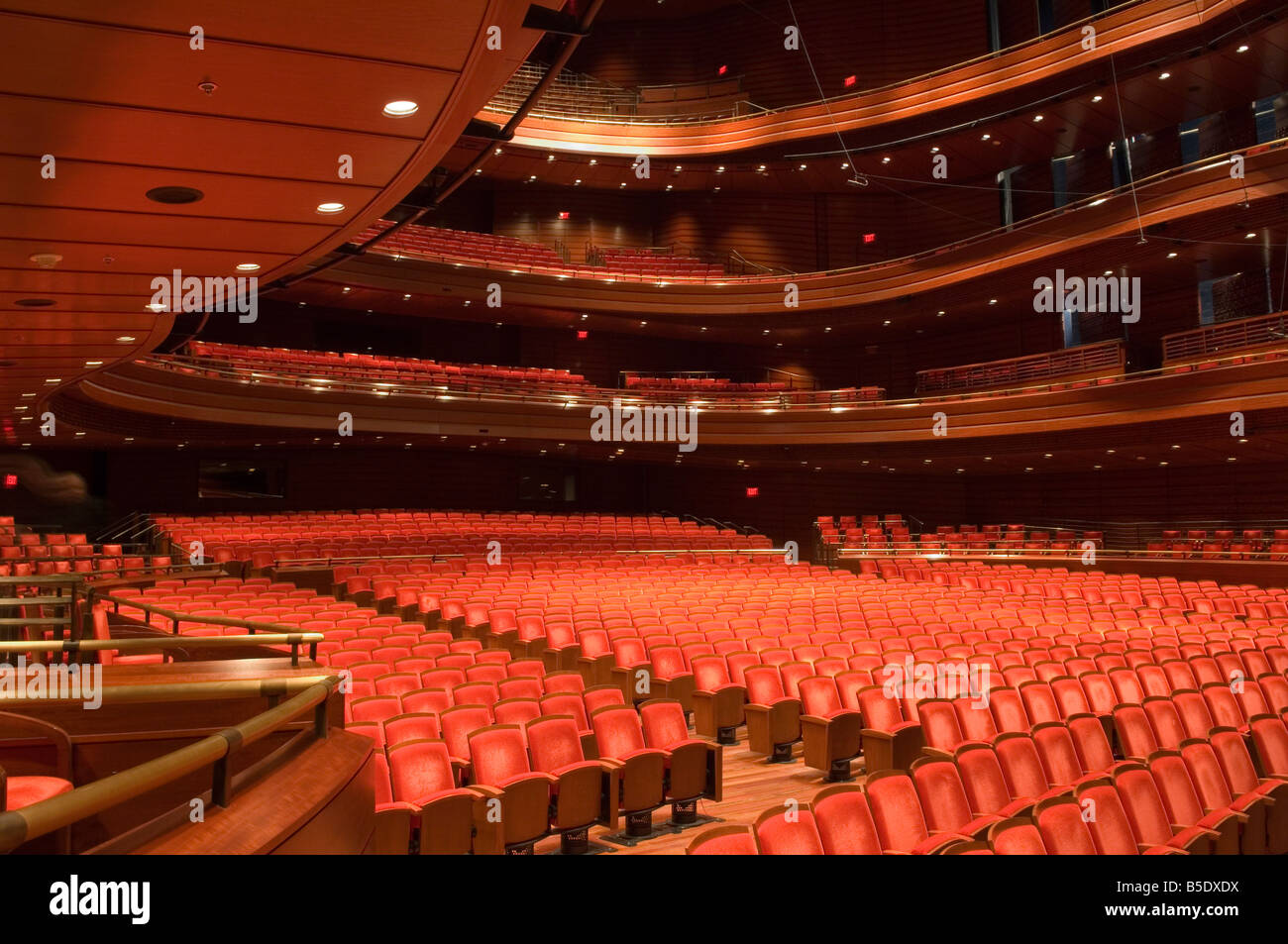
- The Department of Music: Focuses on instrumental performance, vocal arts, composition, conducting, music education, and music technology. Facilities require soundproof practice rooms, recital halls, and recording studios.
- The Department of Visual Arts: Encompasses painting, sculpture, printmaking, ceramics, photography, and new media. Facilities rely on well-ventilated studios, kilns, darkrooms, and digital fabrication labs.
- The Department of Performing and Theater Arts: Covers acting, directing, stagecraft, and sometimes dance. Requires black box theaters, costume shops, and movement studios.
Academic Programs and Credential Pathways
Academies cater to a wide spectrum of learners, ranging from gifted youth in preparatory divisions to doctoral candidates researching specialized musicology or contemporary aesthetic theory. Selecting the correct credential pathway depends entirely on a candidate's career objectives, current skill level, and long-term professional aspirations.
Preparatory and Youth Programs
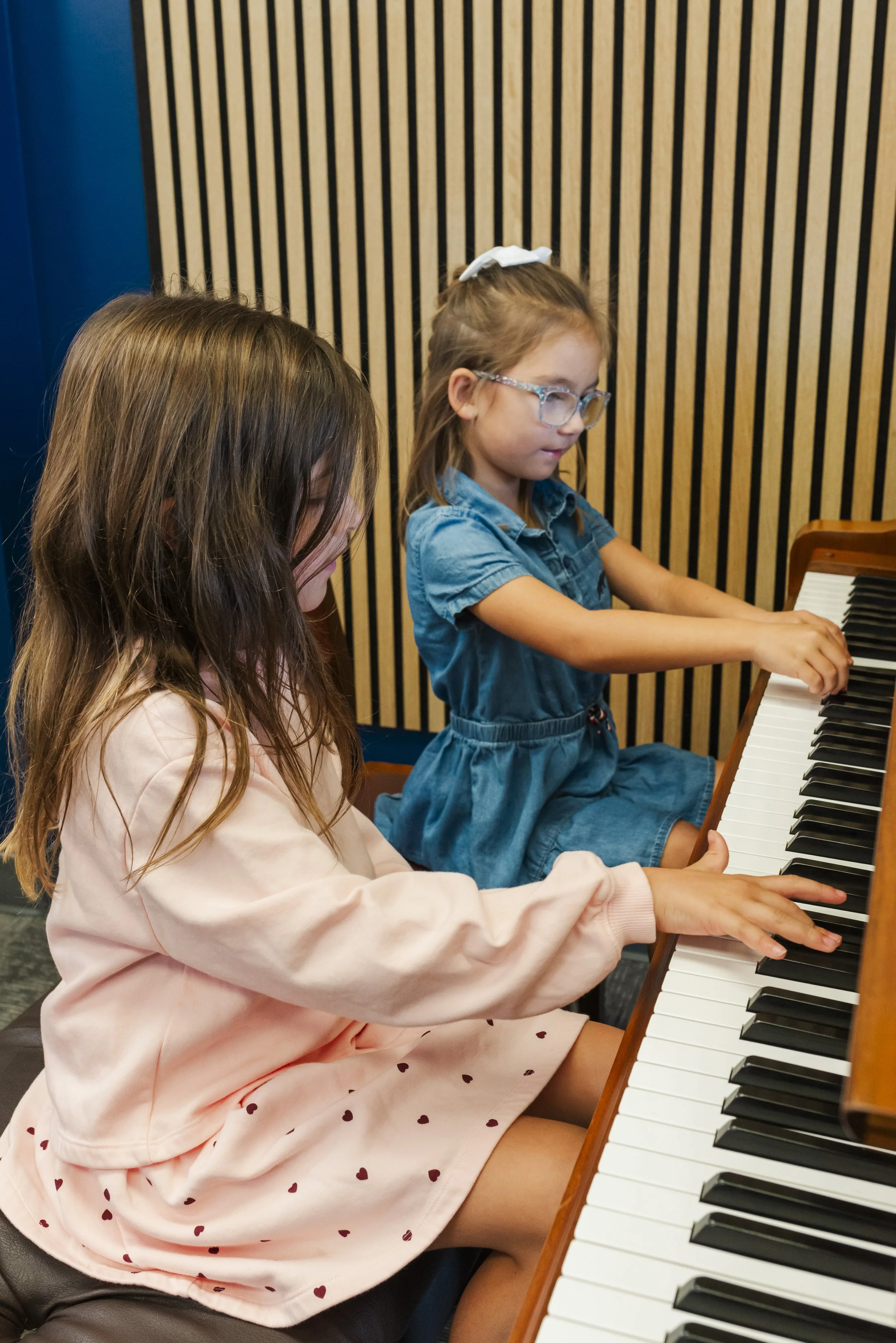
Designed for children and adolescents, these weekend or after-school programs build foundational technique in music theory, instrument proficiency, and basic drawing or painting. Admission often requires an introductory audition or portfolio review to gauge aptitude and commitment.
Undergraduate Degrees (B.Mus. and B.F.A.)
Undergraduate programs—typically leading to a Bachelor of Music (B.Mus.) or Bachelor of Fine Arts (B.F.A.)—require intensive focus. A B.Mus. program is heavily weighted toward performance or composition, often dedicating up to two-thirds of credit hours to studio lessons and ensembles. A B.F.A. balances studio production with art history and general education requirements, preparing students for professional careers as practicing artists or commercial designers.
Graduate Degrees (M.Mus., M.F.A., and D.M.A.)
Graduate studies elevate technical proficiency to artistic interpretation and scholarly research. The Master of Fine Arts (M.F.A.) is widely considered the terminal degree for visual artists, focusing heavily on the development of a cohesive body of work and critical theory. In music, the Master of Music (M.Mus.) advances performance or composition skills, while the Doctor of Musical Arts (D.M.A.) combines elite performance with academic pedagogy and historical research.
| Program Type | Typical Duration | Primary Focus | Main Credential Output |
|---|---|---|---|
| Preparatory Division | Varies (Ages 5–18) | Foundational technique, ear training, basic studio arts | Certificate of Completion / Portfolio |
| Undergraduate (B.Mus./B.F.A.) | 4 Years | Intensive studio practice, core theory, general education | Bachelor's Degree |
| Graduate (M.Mus./M.F.A.) | 2–3 Years | Advanced artistry, specialized portfolio/repertoire, thesis | Master's Degree |
| Doctoral (D.M.A./Ph.D.) | 3–5 Years | Elite performance, pedagogy, academic research | Doctorate |
Admissions Requirements and Audition Processes
Gaining admission to a reputable academy of music and fine arts requires meticulous preparation. Unlike traditional universities that rely heavily on standardized test scores and GPA, fine arts academies place the heaviest weight on demonstrated creative capability.
The Audition Process for Musicians
For music applicants, the audition is the single most important component of the application.
- Repertoire Selection: Applicants must prepare a specified program—often featuring contrasting historical periods (e.g., Baroque, Classical, Romantic, Contemporary)—demonstrating technical agility and expressive depth.
- Pre-Screening Recordings: Many selective conservatories require high-quality video recordings before inviting candidates to a live, in-person audition.
- Theory and Ear Training Assessments: Applicants frequently sit for written exams testing interval recognition, sight-singing, dictation, and basic harmonic analysis.
The Portfolio Review for Visual Artists
Visual arts candidates submit physical or digital portfolios that showcase both technical execution and conceptual development.
- Observational Work: Admissions committees look for strong drawing skills derived from direct observation, such as still lifes, figure drawing, and perspective studies.
- Process and Experimentation: Sketchbooks are often requested to evaluate how an artist develops an idea from inception to finished piece.
- Artist Statements: Applicants must articulate the conceptual framework, influences, and thematic concerns driving their creative output.
Operational Costs, Facilities, and Financial Considerations
Pursuing education in music and fine arts involves distinct financial and logistical commitments. Specialized facilities—such as acoustically treated concert halls, professional-grade wood and metal shops, high-end kiln rooms, and digital render farms—require significant tuition investments.
Tuition and Material Expenses
Beyond standard tuition and fees, fine arts students face specialized out-of-pocket costs. Music students must maintain, insure, and occasionally upgrade professional-grade instruments, reeds, strings, and sheet music. Visual arts students purchase continuous supplies of canvases, oil paints, clay, photographic film, digital software subscriptions, and specialized safety equipment.
Financial Aid, Scholarships, and Assistantships
Many academies offer merit-based scholarships tied directly to audition scores or portfolio ratings, helping offset high tuition rates. Graduate students frequently secure funding through Graduate Teaching Assistantships (GTAs), where they teach undergraduate labs, assist ensemble directors, or manage studios in exchange for tuition waivers and modest stipends.
Common Challenges and Practical Solutions
Navigating an academy of music and fine arts presents unique psychological and physical hurdles. Recognizing these challenges early allows students to develop sustainable habits for long-term professional success.
- Performance Anxiety and Burnout: The intense focus on public critique and rigorous practice schedules can lead to severe psychological stress. Solution: Integrating mental health resources, mindfulness practices, and structured rest into daily routines prevents repetitive strain injuries and emotional exhaustion.
- Balancing Artistry with Economic Realities: Technical mastery does not automatically translate to commercial stability. Solution: Modern academies increasingly incorporate courses on arts administration, grant writing, digital self-marketing, and copyright law to prepare graduates for the freelance economy.
- Facility Access Bottlenecks: High demand for practice rooms, printmaking presses, and recording studios can restrict student productivity. Solution: Learning to utilize scheduling software efficiently, booking off-peak hours, and establishing collaborative working models mitigates resource shortages.
Frequently Asked Questions
What is the difference between a music conservatory and a university music department?
A conservatory focuses almost exclusively on professional performance and studio training within a specialized environment, whereas a university department integrates music studies within a broader liberal arts framework, requiring more general education coursework outside the major.
Do I need prior formal training to enter a fine arts academy?
For undergraduate and graduate programs, extensive prior training and a highly competitive audition or portfolio are mandatory. However, preparatory divisions and community extension programs often welcome beginners looking to build foundational skills.
How important are academic grades compared to an audition or portfolio?
While academic records matter for institutional admission standards and scholarship eligibility, the audition or portfolio is almost always the decisive factor in an admissions committee's final evaluation.
Can fine arts graduates find stable employment outside of traditional performance?
Yes. Graduates frequently transition into roles such as arts administration, music therapy, creative direction, industrial design, audio engineering, secondary education, and cultural policy management.
What should I look for when evaluating an academy's faculty?
Investigate whether the faculty consists of active, touring professionals, working studio artists, and published scholars who maintain active networks within the professional arts community.
Strategic Next Actions for Prospective Students
For those preparing to apply to an academy of music and fine arts, immediate preparation should begin well in advance of application deadlines. Secure a primary mentor or private instructor to evaluate current repertoire or studio work against institutional standards. Draft a master calendar of target school deadlines, pre-screening requirements, and audition dates. Finally, visit prospective campuses to tour the facilities, observe studio classes, and speak directly with current students regarding faculty mentorship and institutional culture.