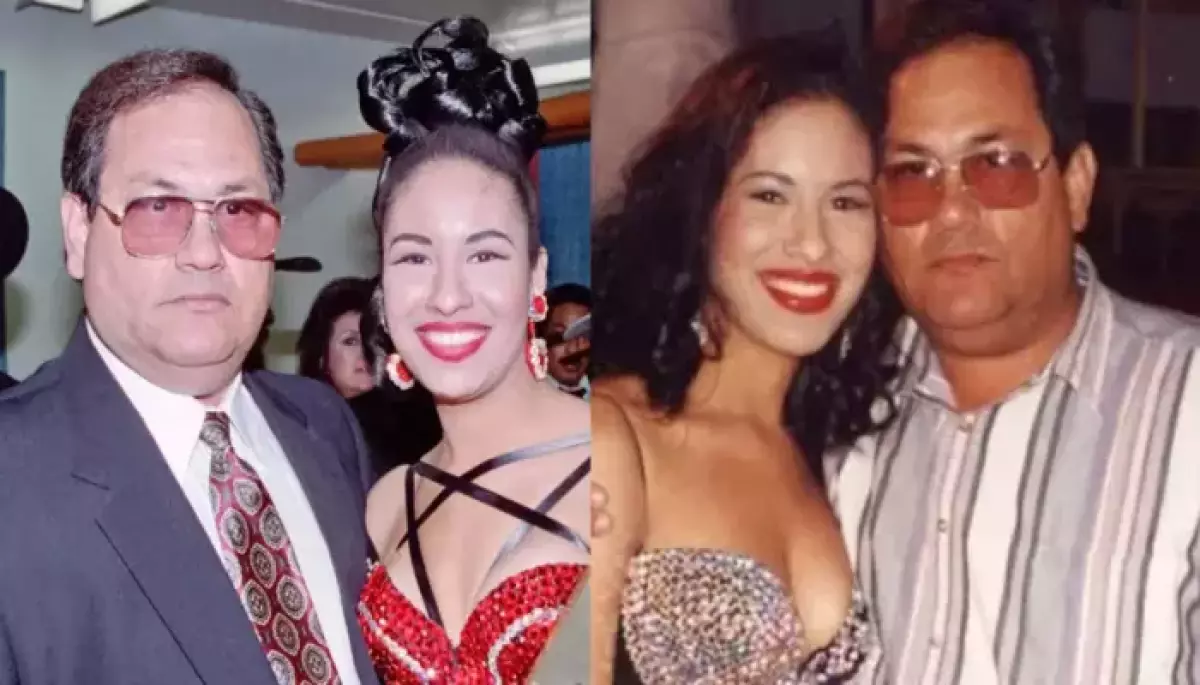
Abraham Quintanilla’s management of Selena’s legacy is defined by his strict control over her image, music catalog, and biographical depictions, ensuring her memory remains preserved according to the family's standards. As both her former manager during her lifetime and the head of Q-Productions after her tragic 1995 death, Abraham has remained the central gatekeeper of the Tejano music icon's multi-faceted cultural footprint, navigating legal boundaries, commercial partnerships, and media projects to protect his daughter's enduring prominence.
Introduction to Abraham Quintanilla and the Selena Legacy
The enduring global influence of Selena Quintanilla-Pérez is a phenomenon unique in Latin music history. Decades after her passing, her music, fashion, and personal story continue to captivate new generations of fans worldwide. At the center of this enduring presence is her father, Abraham Quintanilla Jr.
As the patriarch of the Quintanilla family, Abraham’s role evolved from steering Selena’s rise as a pioneer in Tejano music to becoming the guardian of her estate. Through Q-Productions, the family-owned recording studio and entertainment company based in Corpus Christi, Texas, Abraham has exercised tight administrative, creative, and legal oversight over how Selena’s name, likeness, and intellectual property are utilized. This stewardship has been both praised for protecting her dignity and scrutinized for its restrictive approach to unauthorized projects. Understanding his role requires an examination of his historical involvement, his business strategies, and the ongoing management of the Selena legacy.
Historical Foundations: Managing Selena During Her Lifetime
To understand Abraham Quintanilla’s post-mortem management of the Selena legacy, one must examine his foundational role during her lifetime. Abraham was a musician himself, having played in the 1950s and 1960s with a Chicano rock and roll group called Dinos. When he recognized Selena’s extraordinary vocal talent at a young age, he formed Selena y Los Dinos, featuring Selena as the lead vocalist, alongside her siblings AB Quintanilla III on bass and Suzette Quintanilla on drums.
Abraham acted as manager, songwriter, producer, and booking agent. In an era when the Tejano music industry was heavily dominated by male artists and traditional gatekeepers, Abraham built an independent infrastructure. He booked venues, managed the family bus, and negotiated record deals, eventually securing a historic contract with EMI Latin. His hands-on approach shielded Selena from external industry pressures while instilling a strong work ethic.
However, this tight family-centric management style also created insular boundaries. When Selena fell in love with and married guitarist Chris Pérez, Abraham initially resisted the relationship, fearing it could disrupt the band's dynamic and career trajectory. This protective instinct, forged through years of struggling in the music business, ultimately laid the groundwork for how Abraham would protect her estate after her death.
Post-1995: The Establishment of Q-Productions and Estate Control
Following Selena’s murder by her fan club president in March 1995, the Quintanilla family faced unprecedented grief and public scrutiny. Amidst international mourning, Abraham immediately moved to secure the legal rights to Selena’s name, image, and likeness. He established Q-Productions to manage her recorded works, merchandise licensing, and posthumous releases.
Under Abraham’s leadership, Q-Productions became the operational hub for all official Selena-related media. By retaining ownership of her master recordings and publishing rights, the family maintained complete veto power over commercial ventures. This level of control is rare in the music industry, where estates often sell their catalogs to major corporate entities like Sony, Universal, or primary private equity funds. By keeping the catalog in-house, Abraham ensured that every album, compilation, and tribute project aligned strictly with the family's vision of Selena's life and artistry.
Key Responsibilities of Q-Productions in Estate Management
- Catalog Licensing: Approving or denying the use of original master recordings for films, television, and third-party audio projects.
- Trademark Enforcement: Protecting the "Selena" trademark against unauthorized merchandise, apparel, and commercial exploitation.
- Media Collaboration: Partnering with select major entertainment companies, such as Warner Bros. for the 1997 biographical film and Netflix for the 2020 series, while maintaining script and casting approval.
- Archival Preservation: Maintaining unreleased recordings, personal photographs, and historical items at the family museum in Corpus Christi.
Navigating Biographical Projects and Media Portrayals
One of the most visible aspects of Abraham Quintanilla’s role in the Selena legacy is his involvement in authorized biographical projects. Controlling a cultural icon's narrative requires balancing public demand with family boundaries. Abraham has consistently maintained that unauthorized projects sensationalize the tragedy of Selena’s death rather than celebrating her life and musical achievements.
The most notable early project was the 1997 feature film Selena, directed by Gregory Nava and starring Jennifer Lopez in a breakthrough role. Abraham served as an executive producer on the film. While some critics noted that the film glossed over certain family tensions and internal industry conflicts, it achieved critical and commercial success, cementing Selena's status as a crossover legend and introducing her to a broader mainstream audience.
Decades later, Abraham collaborated with Netflix on Selena: The Series (2020–2021). As an executive producer alongside Suzette Quintanilla, Abraham ensured the series focused heavily on the family's collective struggle and sacrifice during Selena's rise to fame. By participating directly in these productions, Abraham managed to shape the definitive public narrative of his daughter's life, minimizing tabloid speculation and emphasizing her dedication to her family and craft.
Legal Strategies and Trademark Protection
Protecting an intellectual property empire requires aggressive legal oversight. Abraham Quintanilla has frequently utilized the legal system to defend the Selena brand against infringement. Unauthorized biographies, bootleg merchandise, and unverified documentary projects frequently face swift cease-and-desist letters or litigation from the estate's legal representation.
These legal maneuvers are designed to protect the commercial value of the brand and prevent the exploitation of Selena's name for financial gain by outside parties. While critics occasionally argue that these actions stifle free expression or fan-driven tributes, trademark attorneys generally view Abraham's approach as a standard, highly effective exercise of intellectual property rights. By maintaining strict exclusivity, the estate preserves the premium value of official collaborations, such as high-profile makeup collections with MAC Cosmetics or commemorative apparel lines at major retailers.
Comparison of Estate Management Approaches
To understand the uniqueness of Abraham Quintanilla’s stewardship, it is helpful to compare the management of the Selena estate with other prominent music icons who passed away at the height of their fame.
| Estate / Icon | Management Structure | Primary Focus | Catalog Status |
|---|---|---|---|
| Selena Quintanilla | Family-owned (Q-Productions / Abraham Quintanilla) | Preserving family dignity, cultural impact, and strict trademark control. | Retained entirely within the family. |
| Tupac Shakur | Transitioned to corporate entities (currently Concord Music Group) | Continuous posthumous album releases, documentaries, and apparel licensing. | Sold to corporate rights holders. |
| Bob Marley | Shared family and corporate management (Island Records / Cedella Marley) | Global merchandising, lifestyle branding (Marley Natural), and social advocacy. | Partially licensed and managed globally. |
| Prince | Corporate estate administrators and bank executors (Primary Wave) | Extensive archival releases, streaming catalog expansion, and estate auctions. | Sold to corporate entities. |
This comparison highlights how unusual it is for a grieving father to maintain total operational and legal control over a multi-million-dollar entertainment empire for over three decades without corporate buyouts.
Criticism, Controversy, and Public Perception
Abraham Quintanilla’s management style has not been without controversy. Over the years, various disputes have arisen involving former band members, business associates, and fans who felt marginalized by the family's strict control over the narrative.
One notable historical friction point involved Chris Pérez, Selena’s widower. In 2016, Pérez attempted to produce a television series based on his memoir, To Selena, with Love. Abraham Quintanilla filed a lawsuit against Pérez, arguing that the project violated an estate agreement signed shortly after Selena's death regarding the exploitation of her rights. The legal battle highlighted the tension between personal grief, spousal rights, and estate control. While the lawsuit eventually saw various legal developments, it underscored the absolute authority Abraham exerts over any commercial endeavor tied to Selena's name.
Additionally, some fans and independent creators have expressed frustration over the lack of access to certain rare archival recordings or historical venues, as Q-Productions maintains a tight vault on unreleased material. Despite these criticisms, supporters argue that Abraham’s protective measures have prevented Selena’s legacy from being cheapened by low-quality commercial exploitation, ensuring that her image remains pristine and respected.
Frequently Asked Questions
What is Abraham Quintanilla’s official role in managing Selena’s estate?
Abraham Quintanilla serves as the primary administrator and executive head of Q-Productions, the family-owned company that controls Selena’s master recordings, image licensing, trademarks, and media permissions. He oversees all authorized biographical projects, commercial partnerships, and legal protections associated with her brand.
Did Abraham Quintanilla produce the 1997 movie Selena?
Yes. Abraham Quintanilla served as an executive producer on the Warner Bros. biographical film Selena, working closely with director Gregory Nava to ensure the portrayal of Selena and the Quintanilla family aligned with their lived experiences.
Why does Abraham Quintanilla control Selena’s music catalog?
Unlike many artists' estates that sell their rights to major music corporations, the Quintanilla family retained ownership of Selena’s master recordings and publishing rights from the beginning. Abraham manages this catalog to protect her artistic integrity and ensure that her music is licensed selectively.
How does Q-Productions handle unauthorized use of Selena’s image?
Q-Productions employs legal counsel to issue cease-and-desist letters and pursue litigation against unauthorized merchandise manufacturers, documentary filmmakers, and commercial entities that use Selena’s name or likeness without explicit licensing agreements.
What is the current status of the Selena museum in Corpus Christi?
The museum, located inside Q-Productions in Corpus Christi, Texas, remains a focal point for international fans. It houses Selena’s stage costumes, awards, personal belongings, and her red Porsche, operating under the direct oversight of the Quintanilla family.
Next Actions and Legacy Preservation
For researchers, fans, and industry observers examining the Selena legacy, the primary takeaway is the profound impact of family-led estate management. Abraham Quintanilla’s rigorous oversight has ensured that Selena's memory remains untarnished by exploitative media, securing her place as an enduring cultural icon. Those seeking to engage with official historical materials, licensed merchandise, or approved media projects should rely exclusively on releases sanctioned through Q-Productions and verified estate channels to ensure authenticity and respect for her enduring legacy.