Aberdeen destinations encompass both the historic urban landmarks within Scotland’s third-largest city and the extraordinary coastal fortresses, whisky distilleries, and maritime gateways beyond its borders. Whether touring Old Aberdeen's cobblestone passages, exploring cliffside ruins across Aberdeenshire, or boarding outbound ferries to Orkney and Shetland, this northern hub provides a versatile base for regional and international travel.
While smaller municipalities named Aberdeen exist in Maryland, Washington State, and Hong Kong, global travel queries overwhelmingly target Aberdeen, Scotland. Known internationally as the "Granite City" due to its mica-rich, silver-hued architecture, Aberdeen serves a dual role: it is an evocative leisure destination rich in medieval heritage and a critical transport junction connecting mainland Scotland to the Northern Isles, the North Sea, and European air corridors.
Defining Aberdeen: Urban Centers and Regional Frontiers
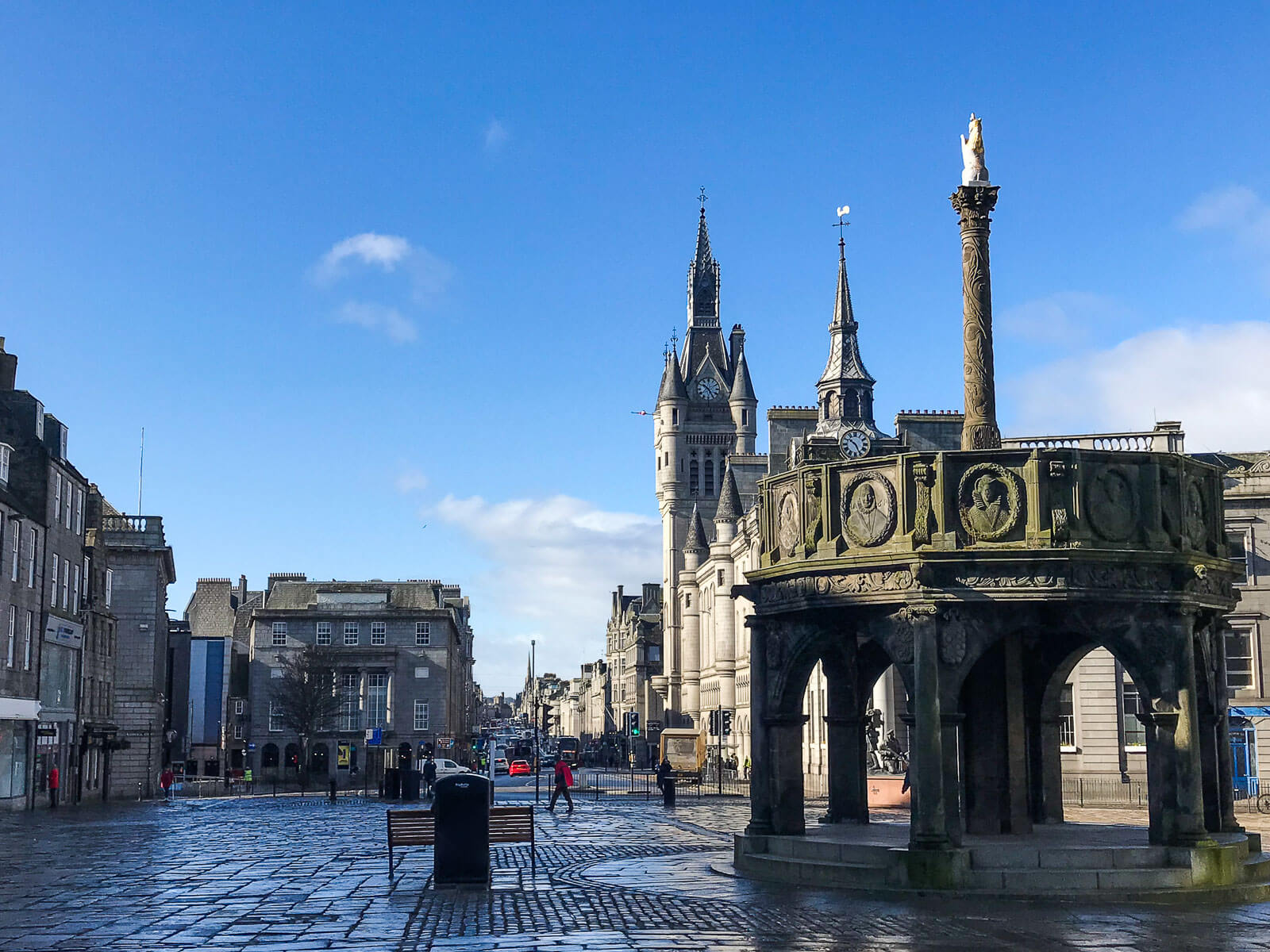
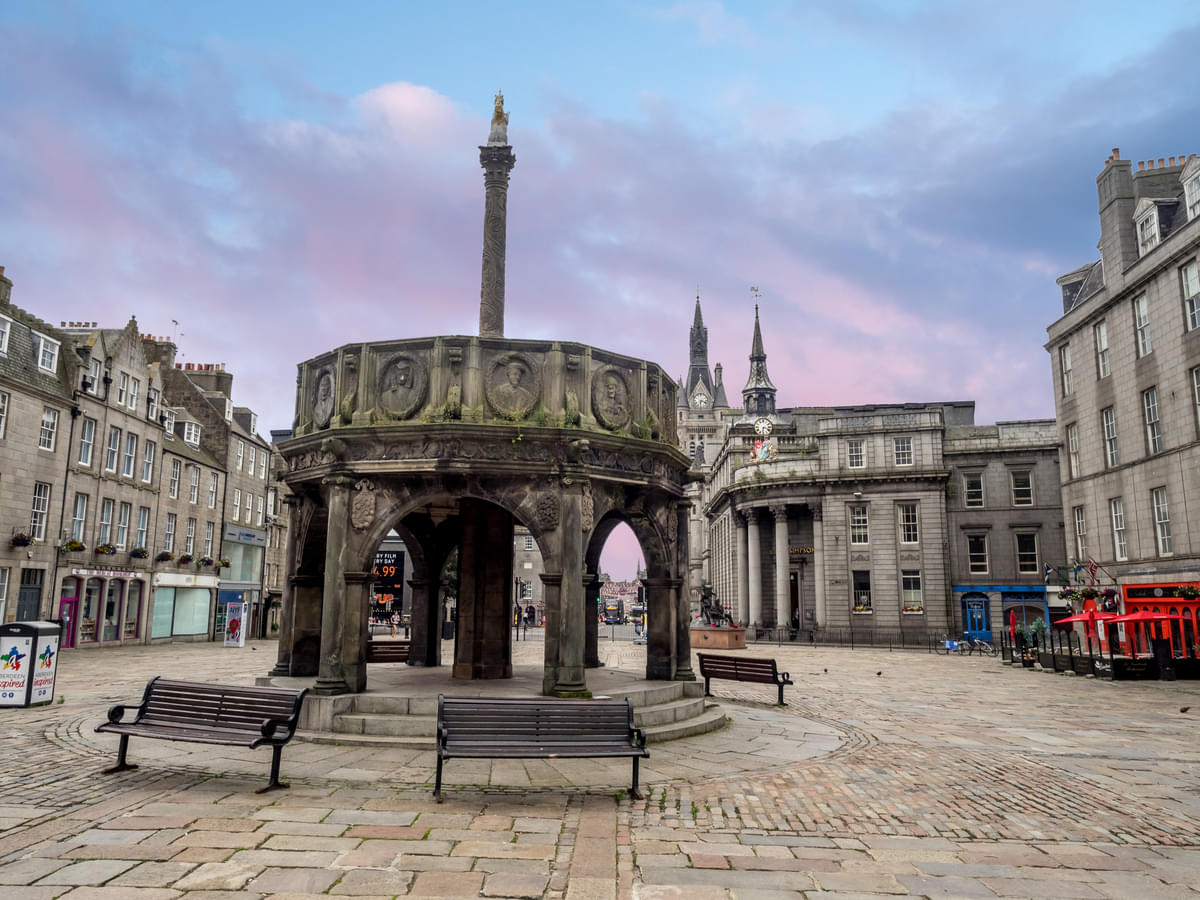
Navigating Aberdeen effectively requires understanding its geographic and functional layout. The city sits on the northeast coast of Scotland between the mouths of the Rivers Dee and Don. Its urban core blends 18th- and 19th-century neoclassical civic buildings with expansive maritime docks.
Beyond the city perimeter lies the broader region of Aberdeenshire, spanning agricultural lowlands, the dramatic coastal cliffs of the North Sea trail, and the alpine terrain of Cairngorms National Park. Travelers categorizing "Aberdeen destinations" generally split their itineraries across three distinct scopes:
- Intra-City Landmarks: Walkable heritage quarters, maritime museums, botanical gardens, and urban coastlines within city borders.
- Aberdeenshire Excursions: Castles, distilleries, and geological formations reachable within a 30- to 90-minute drive or regional rail trip.
- Outbound Transit Routes: Direct sea, rail, and air links departing Aberdeen for the Scottish Northern Isles, national railway networks, and mainland Europe.
Premier Destinations Within Aberdeen City
Aberdeen’s urban footprint is compact, making its historical districts, cultural institutions, and recreational seafront exceptionally accessible for pedestrians and local transit users.
- Old Aberdeen (King's College, St Machar)
- City Centre (Art Gallery, Marischal)
- Beach Esplanade & Footdee
- Harbour & Ferry (NorthLink / Maritime)
Old Aberdeen and King’s College
Located north of the modern city centre, Old Aberdeen operated as an independent burgh until 1891. Its surviving streetscapes feature medieval flagstones, single-track lanes, and architectural relics dating to the 15th century.
- King’s College Chapel: Founded in 1495 by Bishop William Elphinstone, this campus formed the nucleus of the University of Aberdeen. The chapel retains an open-crown tower—one of only two surviving medieval crown spires in Scotland—and intricate original oak choir stalls.
- St Machar’s Cathedral: Situated near the River Don, this fortified kirk dates to the 14th and 15th centuries. It features twin towers constructed from rough granite and a heraldic wooden ceiling installed around 1520, which displays 48 coats of arms representing the European monarchs, clergy, and nobility of the era.
- Cruickshank Botanic Garden: An 11-acre sanctuary managed jointly by the University and the Cruickshank Botanic Gardens Trust, showcasing alpine collections, medicinal plants, and rare temperate shrubs.
Footdee (Fittie)
At the eastern terminus of the harbor entrance lies Footdee, known locally as "Fittie." Laid out in 1809 by celebrated architect John Smith, this planned fishing village was designed to rehouse the city's coastal fishing community. The quarter consists of single-story granite cottages arranged in inward-facing squares. This perimeter layout shielded homes from North Sea gales while fostering a shared community yard. Today, outbuildings and storage sheds have been converted into artistic, decorated workshops, giving the village a distinct vernacular charm.
The Granite Core: Union Street and Marischal College
Aberdeen's civic backbone runs along Union Street, a mile-long boulevard built on raised viaducts between 1801 and 1805 to bypass congested medieval alleys.
Just off the main thoroughfare stands Marischal College on Broad Street. Billed as the second-largest granite building in the world (behind El Escorial near Madrid), its Neo-Gothic facade was designed by Alexander Marshall Mackenzie and opened by King Edward VII in 1906. While its interior serves as the administrative headquarters for Aberdeen City Council, the towering spires and delicate granite tracery make the exterior one of Scotland’s most striking photographic landmarks.
Aberdeen Art Gallery and Maritime Museum
- Aberdeen Art Gallery: Refurbished through a major redevelopment initiative, the gallery on Schoolhill houses works spanning five centuries. Notable highlights include collections by Joan Eardley, the Scottish Colourists, Claude Monet, and Francis Bacon. Admission to the permanent collection remains free.
- Aberdeen Maritime Museum: Overlooking the working harbor on Shiprow, this facility incorporates Provost Ross’s House (built in 1593). The museum tracks the city’s evolution from herring curing and wooden shipbuilding—such as the famous clipper Thermopylae—to modern offshore petroleum engineering, subsea robotics, and renewable wind integration.
Aberdeenshire Excursions: Castles, Coasts, and Highlands
Venturing beyond municipal lines opens access to Aberdeenshire, an area claiming more castles per acre than anywhere else in the United Kingdom.
Dunnottar Castle (Stonehaven)
Perched atop a 160-foot conglomerate sea cliff approximately 15 miles south of Aberdeen, Dunnottar Castle ranks among Scotland's most dramatic coastal ruins. The site guarded the Scottish Crown Jewels (the Honours of Scotland) during Oliver Cromwell's 1651 invasion and served as an outpost for the Earls Marischal.
Visitors reach the fortress via a steep cliffside trail featuring uneven stone staircases, demanding moderate physical mobility and windproof layers. The site is accessible via a short train journey from Aberdeen to Stonehaven, followed by a coastal cliff-path walk or local bus link.
Royal Deeside and Balmoral Castle
Tracing the River Dee west toward the Cairngorms brings travelers through Royal Deeside, popularized by Queen Victoria and Prince Albert in the mid-19th century.
- Balmoral Castle & Estate: Serves as the Scottish home of the Royal Family. Access to the grounds, gardens, and ballroom exhibits is generally scheduled from April through early August, with select guided interior tours subject to annual royal household scheduling.
- Braemar: Located further west, this mountain settlement hosts the annual Braemar Gathering each September and acts as a gateway for serious hillwalkers tackling the southern Cairngorm Munros, such as Derry Cairngorm and Beinn a' Bhrùgaich.
The Castle Trail: Crathes, Fraser, and Craigievar
Managed largely by the National Trust for Scotland, Aberdeenshire’s fortified tower houses reflect the evolving tastes of northern lairds:
Crathes Castle (Banchory): A classic 16th-century tower house featuring painted timber ceilings and world-renowned walled gardens divided by sculpted yew hedges originally planted in 1702.
Castle Fraser (Kemnay): One of Scotland's grandest Z-plan castles, showcasing structural expansions that span four centuries of continuous Clan Fraser habitation.
Craigievar Castle (near Alford): A pink-hued tower house celebrated for its authentic Scottish Baronial silhouette. Lacking modern artificial lighting above the ground floor, it preserves an authentic early-17th-century interior atmosphere.
Aberdeen Hub
- South (15 mi): Stonehaven & Dunnottar Castle
- West (30-60 mi): Crathes Castle, Balmoral & Cairngorms
- North (25-40 mi): New Slains Castle, Bullers of Buchan & Peterhead
Outbound Transit Destinations: Connecting Through Aberdeen
Aberdeen functions as the primary transit nexus for the northeast of Scotland. Thousands of travelers enter the city not merely as tourists, but to transfer between national rail networks, international aviation corridors, and lifeline ferry services.
Ferry Routes: Gateway to Orkney and Shetland
Aberdeen Harbour hosts the passenger and freight terminal for NorthLink Ferries, the principal operator linking mainland Scotland to the Northern Isles.
- Kirkwall, Orkney: Ferries sail frequently from Aberdeen to Hatston Pier outside Kirkwall. Crossings take approximately 6 to 7 hours, offering foot passengers and drivers a seamless connection to Orkney’s UNESCO World Heritage Neolithic monuments.
- Lerwick, Shetland: Daily overnight ferry services run north to Shetland, taking approximately 12 to 14 hours depending on intermediate calls at Kirkwall. These vessels carry sleeping cabins, vehicle decks, and commercial cargo, operating year-round through North Sea weather conditions.
Aberdeen International Airport (ABZ)
Located in Dyce, roughly 6 miles northwest of the city center, Aberdeen International Airport connects northeast Scotland to critical UK and mainland European transit hubs. While heavily utilized by offshore energy crews flying to North Sea installations via the airport's commercial heliport, its commercial passenger terminal offers regular scheduled services to:
- Domestic Hubs: Direct daily flights to London Heathrow (British Airways), London Gatwick (easyJet), Manchester, and Birmingham.
- European Gateways: Year-round non-stop connections to Amsterdam Schiphol (KLM) and Paris Charles de Gaulle, allowing international passengers to access worldwide networks without transiting through London.
- Nordic Connections: Routes to Scandinavian hubs such as Stavanger and Bergen (Widerøe), reflecting historical and industrial ties between Scotland and Norway.
ScotRail and Long-Distance Rail Routes
Aberdeen Railway Station, integrated directly into the Union Square commercial complex, anchors regional and national rail travel:
- ScotRail Inter7City: Regular hourly express connections running south toward Dundee, Edinburgh Waverley, and Glasgow Queen Street, alongside scenic regional lines heading west to Elgin and Inverness.
- LNER (London North Eastern Railway): Direct services south along the East Coast Main Line to Newcastle, York, and London King’s Cross without requiring train transfers.
- The Caledonian Sleeper: The daily overnight sleeper train (excluding Saturday evenings) departs Aberdeen directly for London Euston, allowing travelers to retire in private cabins and arrive in central London early the following morning.
Comparing Key Aberdeen Regional Destinations
The following table compares travel metrics, admission requirements, and logistical profiles for major destinations accessible from central Aberdeen.
| Destination | Primary Appeal | Distance / Travel Time from Center | Primary Mode of Transit | Admission / Access Rules |
|---|---|---|---|---|
| Old Aberdeen | Medieval academic architecture; heraldic ceilings | 1.8 miles / 10-15 mins | Local bus (First Bus 1/2) or walk | Free public access; chapel open daily |
| Footdee (Fittie) | Historic planned 19th-century fishing village | 1.5 miles / 25-30 mins | Walking via Esplanade; local bus | Free public access; residential respect required |
| Dunnottar Castle | Cliffside ruined fortress; Scottish crown history | 16 miles / 35-45 mins | Train to Stonehaven + X7/107 bus or walk | Paid admission ticket; weather-dependent closures |
| Crathes Castle | 16th-century tower house; historic walled garden | 15 miles / 35-40 mins | Stagecoach Bus 201 (Deeside line) | National Trust for Scotland fees apply; grounds free |
| Balmoral Estate | Royal Highland estate; ballroom and formal gardens | 48 miles / 75-90 mins | Personal vehicle or regional bus tour | Paid grounds entry; seasonally restricted (Apr–Aug) |
| Lerwick, Shetland | Sub-arctic island culture; Norse-Scottish heritage | 210 nautical miles / 12-14 hrs | NorthLink overnight passenger ferry | Vehicle and passenger booking required; book cabins early |
| Bullers of Buchan | Collapsed sea cave; massive seabird colonies | 26 miles / 40 mins | Stagecoach Bus 61/63 toward Peterhead | Free open access; sheer cliffs demand strict trail safety |
Logistical Planning: Transit, Seasonality, and Safety
Operating efficiently throughout Aberdeen requires advance planning tailored to local geography, maritime weather systems, and public transit structures.
Seasonal Profile:
- [May - August]: 17+ hours daylight, mild temps (14-19°C), booking ahead essential.
- [Sept - October]: Foliage in Deeside, migratory seabirds, moderate rainfall.
- [Nov - April]: 6-7 hours daylight, cold winds, coastal sea mists (haar), seasonal site closures.
Climate and Seasonal Timing
Northeast Scotland experiences an oceanic climate tempered by the North Sea, but its high latitude (approximately 57°N) introduces extreme seasonal variation in daylight.
- Summer (June to August): Daytime temperatures average 15°C to 19°C (59°F–66°F). Daylight extends beyond 17 hours, allowing extended road trips and late-evening castle walks. However, accommodations book out weeks in advance due to tourist volume and industrial offshore travel.
- Winter (November to February): Daylight drops to fewer than seven hours, and temperatures consistently linger between 1°C and 6°C (34°F–43°F). Several regional castles close entirely or operate on restricted weekend hours between November and late March. Winter driving along high routes—such as the A93 through Glenshee or the Lecht road (A939)—frequently requires snow closures or winter tire precautions.
- The "Haar": A dense, cold sea fog common along the Aberdeen coastline during spring and early summer. It can dramatically reduce visibility and drop local temperatures within minutes, even when inland Deeside remains warm and clear.
Urban and Regional Transit Logistics
- Public Transit Cards: Aberdeen’s local bus network is primarily operated by First Bus and Stagecoach Bluebird. Both support contactless payment and mobile ticketing apps. The GrassHOPPER pass offers multi-operator ticketing across Aberdeen and Aberdeenshire, practical for multi-stop day trips.
- Car Rentals vs. Rail: A rental car is unnecessary for visits strictly limited to central Aberdeen, Stonehaven, or Dunnottar Castle. However, exploring the Castle Trail, the Banffshire coast, or inner Royal Deeside is significantly more efficient with a personal vehicle, as rural bus links operate on infrequent headway schedules.
- Ferry Reservations: If departing on NorthLink Ferries to Orkney or Shetland with a passenger vehicle, reservations must be secured several weeks—or months during peak summer—in advance. Foot passenger space remains more flexible, but private cabins routinely sell out.
Common Travel Pitfalls in the Region
- Underestimating Regional Distances: Aberdeenshire is vast. Attempting to combine Dunnottar Castle, Balmoral, and the Moray Firth coastline into a single day trip results in excessive driving along narrow single-carriageway routes. Limit day excursions to a single corridor (e.g., South Coast, Deeside, or the Gordon Highlands).
- Ignoring Winter Operating Schedules: Assuming historic sites operate daily year-round is a frequent error. Sites like Balmoral or Craigievar often close to general tourists from autumn through early spring for essential conservation work or private estate use. Always check operational calendars directly on the National Trust for Scotland or Historic Environment Scotland portals before setting out.
- Disregarding Coastal Safety Protocols: The cliffs at Dunnottar, Slains Castle, and the Bullers of Buchan feature sheer drops of up to 200 feet over uneven, grassy chalk and granite paths. Strong winds are common. Stay strictly on marked trails, keep dogs leashed, and avoid approaching unprotected drop-offs for photographs.
Frequently Asked Questions
What is the most efficient way to travel from Aberdeen to Dunnottar Castle without a car?
Take a ScotRail train from Aberdeen Railway Station to Stonehaven (a journey of roughly 15 to 20 minutes). From Stonehaven, either board the X7 or 107 local bus to the castle parking turn-off, or walk the signposted coastal path south from Stonehaven Harbour. The cliff-top walk is approximately two miles long, features panoramic North Sea views, and takes roughly 40 minutes on foot.
Can you visit the Scottish Highlands directly from Aberdeen?
Yes. Aberdeen serves as the eastern gateway to the Scottish Highlands. The eastern edge of Cairngorms National Park begins approximately 40 miles west of the city along the A93 corridor. Daily public buses and guided excursions run from Aberdeen into Royal Deeside communities such as Ballater and Braemar, providing direct access to Highland pine forests, lochs, and mountain trails.
Is Aberdeen a practical base for taking ferries to the Scottish islands?
Aberdeen is the premier ferry departure port on the Scottish mainland for travel to both Kirkwall in Orkney and Lerwick in Shetland. Ferries operated by NorthLink sail from the centrally located commercial docks, within walking distance of Aberdeen Railway Station, making vehicle and foot passenger island transfers straightforward.
How much time should a visitor spend exploring Aberdeen city center?
Two full days provide sufficient time to tour the central cultural sights. This timeline accommodates exploring Old Aberdeen and St Machar’s Cathedral, visiting the Aberdeen Maritime Museum and Aberdeen Art Gallery, and taking an afternoon walk along the Beach Esplanade and the historic village of Footdee.
Why are so many buildings in Aberdeen silver or grey?
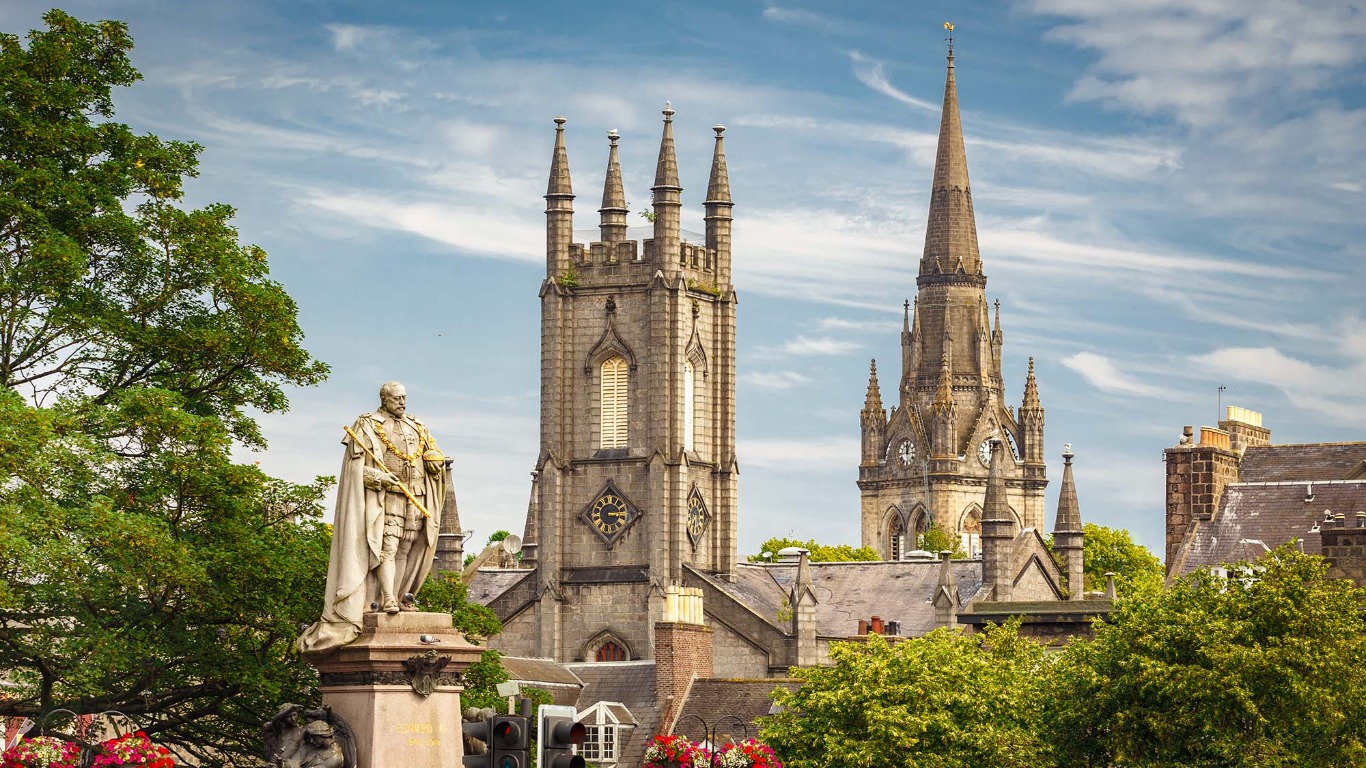
Most civic and residential structures built between the mid-18th and early 20th centuries were constructed using local granite quarried from sites like the nearby Rubislaw Quarry. This stone contains significant amounts of quartz and mica, which gleam under sunlight and resist heavy maritime weather, earning Aberdeen its nickname: the "Granite City."
Recommended Next Steps
If you are structuring an upcoming journey to or through Aberdeen:
- Verify Castle and Site Calendars: Check open status dates for properties managed by Historic Environment Scotland and the National Trust for Scotland, particularly if your visit falls between October and April.
- Book Strategic Transport Early: If your trip includes onward transit to Orkney, Shetland, or rail travel via the Caledonian Sleeper, secure ferry cabin allocations and train berths well ahead of arrival.
- Plan Around Corridors: Divide your stay into dedicated geographic segments—spend day one focused entirely on intra-city gems like Old Aberdeen and Footdee, day two following the coastal rail south to Dunnottar Castle, and day three exploring the inland castles of Royal Deeside.