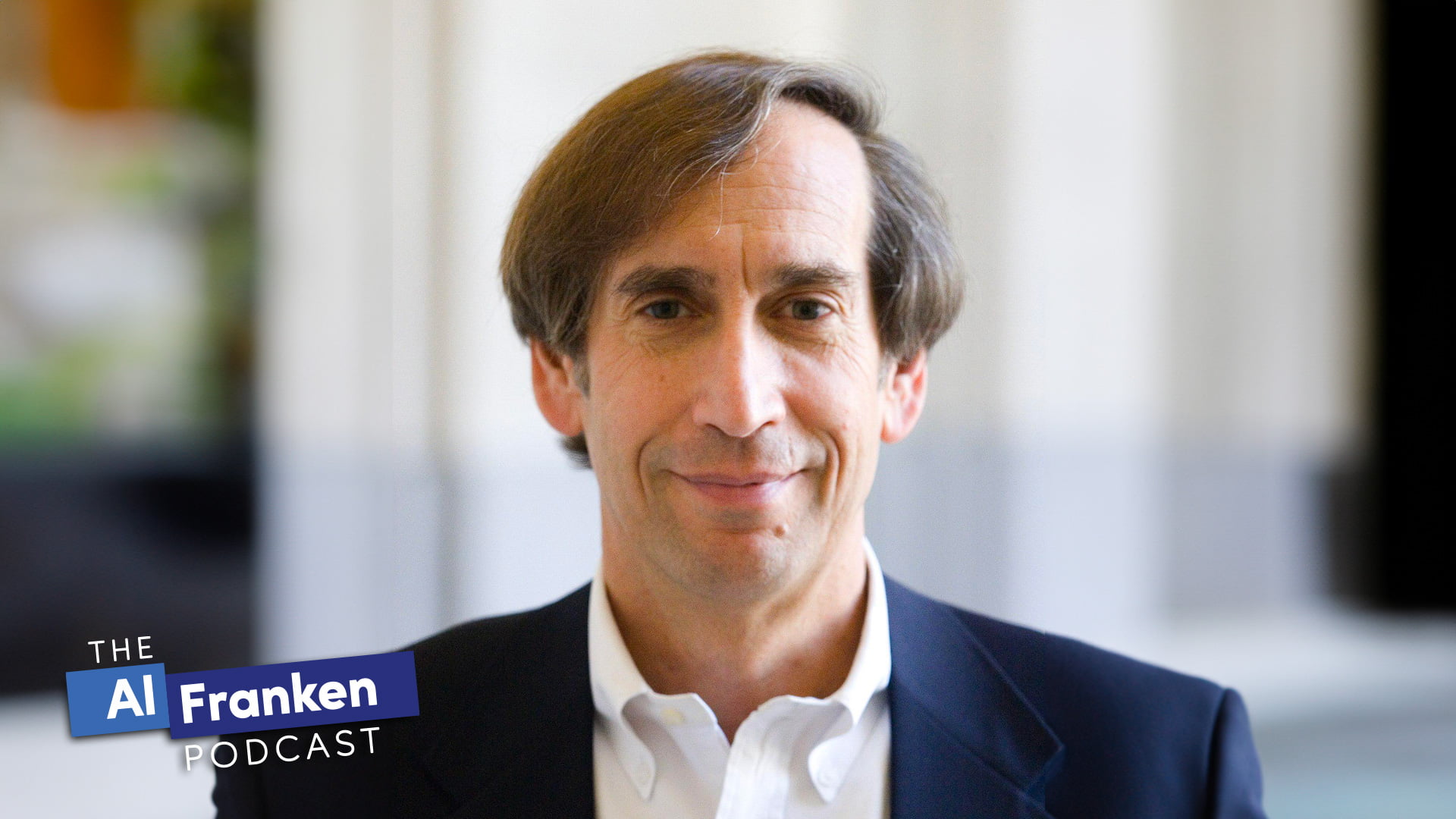
Aaron Israel exemplifies a rare dual-discipline professional profile, operating at the intersection of contemporary fine art and advanced software architecture. Bridging the gap between the tactile, expressive world of physical art-making and the rigorous, logic-driven realm of distributed systems design, Israel represents a modern class of practitioners who view software engineering through an aesthetic and creative lens, while applying computational principles to spatial and structural artistic exploration. This profile explores his background, the distinct methodology connecting his artistic practice with software design, and the operational implications of maintaining a dual-focus career in the modern technological and creative landscape.
The Dual Identity of Aaron Israel
The integration of software engineering and visual arts is not merely a hobbyist pursuit; it requires balancing two radically different cognitive frameworks. Software architecture demands strict determinism, fault tolerance, scalability, and adherence to logical protocols. Conversely, fine art thrives on ambiguity, emotional resonance, material experimentation, and conceptual inquiry.
When examining a figure who navigates both spaces, observers often look for points of synthesis. For Aaron Israel, the bridge between these domains is found in structural systems. Whether organizing a complex database schema, structuring a modular microservices architecture, or composing spatial elements within a large-scale artistic canvas or sculpture, the underlying mental model relies on pattern recognition, composition, hierarchy, and abstraction.
Understanding this dual identity requires examining how each discipline informs the other:
- Software Architecture Influence: Brings methodical planning, iterative refactoring, modular design thinking, and systematic problem-solving to creative endeavors.
- Fine Art Influence: Introduces human-centric empathy, visual hierarchy, intuitive exploration, and a tolerance for ambiguity into technical system design.
Background in Software Architecture
In the professional technology sector, a software architect is responsible for high-level structural choices, dictating technical standards, tool choices, and coding paradigms. An architect must ensure that systems are scalable, secure, maintainable, and cost-effective.
While specific enterprise milestones vary across technical resumes, a competent software architect typically operates across several core operational domains:
System Design and Scalability
Designing software that can handle growth requires a deep understanding of data flows, bottleneck identification, and resource allocation. Architects evaluate trade-offs between monolithic structures and distributed cloud-native ecosystems (such as microservices, serverless frameworks, and containerized deployments via Kubernetes).
Code Quality and Governance
Beyond writing code, architects establish guidelines for engineering teams. This involves defining design patterns, implementing continuous integration and continuous deployment (CI/CD) pipelines, and ensuring adherence to security compliance standards.
Technical Communication
An effective software architect must translate complex technical constraints into clear business requirements for non-technical stakeholders, bridging the gap between engineering departments and executive leadership.
Artistic Practice and Creative Expression
In the context of contemporary fine art, practitioners like Aaron Israel engage with physical or digital media to convey conceptual narratives, explore material properties, or question cultural constructs. The practice of fine art involves rigorous studio habits, material mastery, and participation in exhibition spaces.
When art and technology converge in an individual's career, several thematic elements often emerge:
Materiality vs. Virtuality
The juxtaposition of tangible artistic mediums (such as paint, canvas, or physical fabrication materials) with abstract digital code highlights a tension in modern life. Creators with technical backgrounds often explore how digital systems shape human perception of the physical world.
Iterative Process
Both painting and programming are fundamentally iterative. A software program is rarely written perfectly on the first try; it undergoes debugging, refactoring, and optimization. Similarly, a work of art evolves through layers of application, erasure, composition adjustments, and critical reassessment.
Comparative Overview: Architecture vs. Art
To understand the cognitive shift required to excel in both fields, it is helpful to examine how architectural principles translate between software systems and fine art composition.
| Dimension | Software Architecture | Fine Art Practice |
|---|---|---|
| Primary Goal | Build reliable, scalable, and maintainable functional systems. | Express conceptual ideas, evoke emotion, or provoke critical thought. |
| Medium | Code, network protocols, databases, and cloud infrastructure. | Pigments, canvas, digital tools, physical sculptures, or mixed media. |
| Evaluation Criteria | Uptime, latency, test coverage, security, and maintainability. | Compositional balance, conceptual depth, material execution, and resonance. |
| Failure Mode | System crashes, data corruption, security breaches, or technical debt. | Lack of visual or conceptual cohesion, poor material durability. |
| Iteration Method | Code refactoring, automated testing, version control (e.g., Git). | Layering, reworking surfaces, sketching, and conceptual re-evaluation. |
The Synergy of Computational Thinking and Creative Arts
The integration of technical architecture and artistic creation yields unique advantages. Computational thinking teaches individuals how to decompose massive, overwhelming problems into manageable components—a skill that is immensely useful when executing large-scale art installations or managing complex studio workflows.
Conversely, artistic training offers software architects a heightened sensitivity to user experience (UX) and human-computer interaction (HCI). An architect who appreciates visual rhythm, negative space, and intuitive design is often better equipped to build developer tools, user interfaces, and software systems that prioritize clarity and human usability.
Benefits of Interdisciplinary Specialization
- Enhanced Problem-Solving: Applying diverse mental models prevents tunnel vision when tackling complex bugs or artistic roadblocks.
- Improved Abstraction Skills: Both fields rely on the ability to hide unnecessary complexity behind clean, intuitive interfaces (whether an API or a visual focal point).
- Resilience to Burnout: Alternating between analytical logic and creative expression provides cognitive balance.
Common Challenges in Managing a Dual Career
Pursuing excellence in two demanding fields simultaneously presents distinct logistical and professional obstacles. Time management is a primary constraint; both software architecture and fine art require deep, uninterrupted focus (often referred to as "flow state") to achieve high-level output.
Context Switching Overhead
Shifting rapidly from debugging an asynchronous backend service to mixing pigments and evaluating canvas composition can cause cognitive fatigue. Maintaining separation between studio time and engineering hours is essential for long-term sustainability.
Professional Positioning
In the modern job market, specialization is frequently rewarded. Professionals who straddle multiple industries often must deliberately cultivate their personal brand and portfolio to ensure that clients and employers understand the distinct value proposition of their multidisciplinary skillset.
Frequently Asked Questions
What is the primary connection between software architecture and fine art?
The primary connection lies in structural thinking, pattern recognition, and iterative problem-solving. Both disciplines require the practitioner to organize complex elements into a coherent, functional, and meaningful whole.
How does a background in software engineering influence artistic output?
Engineering principles encourage systematic planning, modular design, and an appreciation for underlying systems, which can manifest in how an artist approaches scale, repetition, geometry, or digital mediums.
Why do some professionals pursue both technical and creative careers?
Many individuals possess a dual aptitude for analytical logic and creative expression. Engaging both hemispheres of professional practice provides intellectual stimulation and prevents the monotony that can accompany a single-track career.
Are technical skills necessary for modern artists?
While not strictly mandatory for traditional painting or sculpture, technical literacy is increasingly relevant for artists working with digital fabrication, interactive installations, virtual reality, and online exhibition platforms.
Conclusion and Next Actions
The trajectory of practitioners like Aaron Israel underscores the value of interdisciplinary versatility in an increasingly specialized world. For professionals looking to bridge technical and creative domains, the path forward involves deliberate practice in both arenas, establishing clear boundaries for time management, and actively seeking out projects where analytical rigor and creative expression mutually reinforce one another. Those interested in following similar paths should focus on building a strong foundation in core software engineering principles while maintaining an active, experimental studio or creative practice.