As of 2026, the estimated net worth of Aardman Animations—officially registered as Aardman Animations Limited—is valued between $75 million and $125 million. This valuation reflects the company’s transition to an employee-owned model, its vast library of iconic intellectual property (IP), and consistent revenue from global streaming partnerships and character licensing.
Unlike publicly traded media conglomerates, Aardman’s "worth" is not determined by a fluctuating stock price but by its tangible assets, the long-term value of its characters, and its annual turnover. As a private entity that transitioned to an Employee Ownership Trust (EOT) in 2018, the studio’s financial health is prioritized toward independence and creative longevity rather than maximizing short-term shareholder dividends.
Understanding the Financial Identity of Aardman Animations
To explain the net worth of Aardman Animations, one must first distinguish between a company’s market valuation and its reported equity. For a studio specialized in stop-motion—a labor-intensive and costly medium—financial stability is built over decades. Aardman does not produce the high volume of content seen at studios like DreamWorks or Illumination, but its "hit rate" and the longevity of its characters provide a unique financial cushion.
The studio's net worth is grounded in four primary pillars:
- Intellectual Property (IP): The enduring popularity of Wallace & Gromit, Shaun the Sheep, and Morph.
- Physical Assets: Their state-of-the-art production facilities in Bristol, UK.
- Revenue Streams: A mix of feature film backend profits, television syndication, and digital streaming rights.
- Licensing and Merchandising: Global sales of toys, apparel, and theme park attractions.
The Role of the Employee Ownership Trust (EOT)
In 2018, founders Peter Lord and David Sproxton transferred 75% of the company’s shares to an Employee Ownership Trust. This was a pivotal financial decision that significantly impacts how we view the company’s "worth" in 2026. By choosing an EOT over a traditional sale to a giant like Disney or Netflix, the founders ensured that the company’s value remains tied to its workforce.
While this move may have technically capped the "sale price" of the company (as it is no longer on the open market for acquisition), it increased the internal net worth by fostering a stable, long-term operational environment. In an EOT, a portion of the profits is distributed to the employees, which is reflected in the company's annual financial filings as a cost, but fundamentally supports the "enterprise value" of the brand.
Key Revenue Drivers and Financial Performance
Aardman’s financial performance is often cyclical, tied heavily to the release of major feature films. Because stop-motion takes years to produce, a single "off year" in terms of releases does not necessarily indicate a decline in net worth. Instead, the company relies on its "long-tail" revenue.
Feature Film Success and Streaming Transitions
The 2020s marked a significant shift in Aardman’s financial strategy. Moving away from traditional theatrical-first releases for some projects, the studio solidified its relationship with Netflix. The 2023 release of Chicken Run: Dawn of the Nugget and the 2025 release of the new Wallace & Gromit: Vengeance Most Fowl provided massive injections of capital.
These deals often involve substantial upfront payments and "buyouts" of backend participation, which provide the studio with immediate liquidity. This liquidity is used to fund the high research and development (R&D) costs associated with stop-motion technology and puppet fabrication.
Licensing and Global Merchandising
Shaun the Sheep remains the studio's most significant financial asset in terms of global reach. The character is a powerhouse in international markets, particularly in Japan and China. Licensing revenue from Shaun the Sheep alone contributes a steady stream of millions of pounds annually, which offsets the production costs of less commercial, artistic ventures.
| Revenue Stream | Description | Estimated Financial Impact |
|---|---|---|
| Film & TV Production | Direct fees from broadcasters (BBC) and streamers (Netflix). | High (Cyclical) |
| Merchandising | Global licensing for toys, games, and stationery. | Consistent (High Margin) |
| Theme Parks | Partnerships with Paultons Park (UK) and international attractions. | Moderate (Stable) |
| Advertising | "Work for hire" for brands (e.g., Chevron, British Gas). | Moderate (High Frequency) |
| YouTube & Digital | Ad revenue from millions of subscribers across official channels. | Growing |
Intellectual Property: The "Golden Fleece" of Aardman
The true net worth of Aardman Animations lies in its "Library Value." In the entertainment industry, the cost to recreate characters as beloved as Wallace & Gromit would be astronomical. As of 2026, the Aardman library includes:
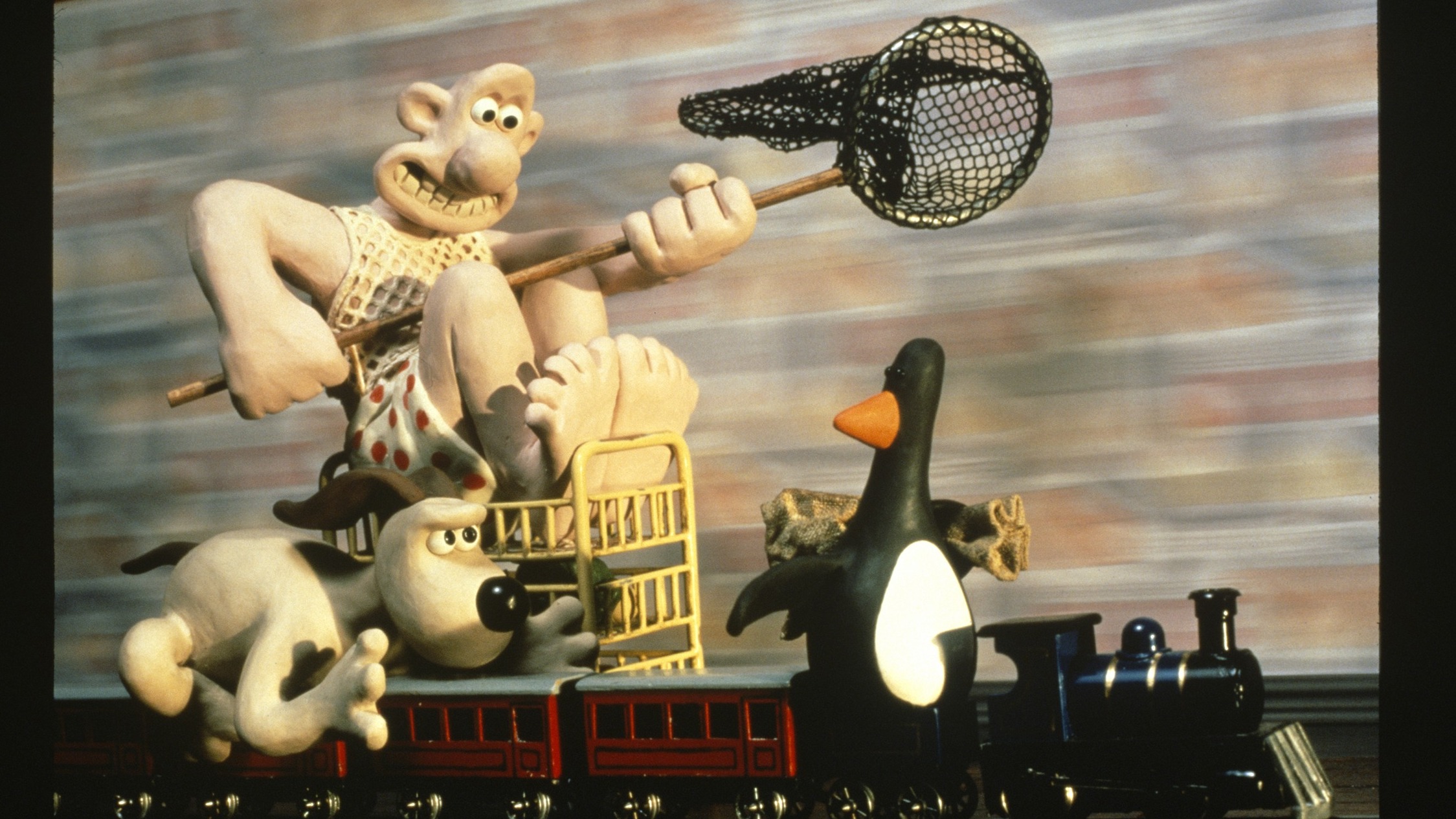
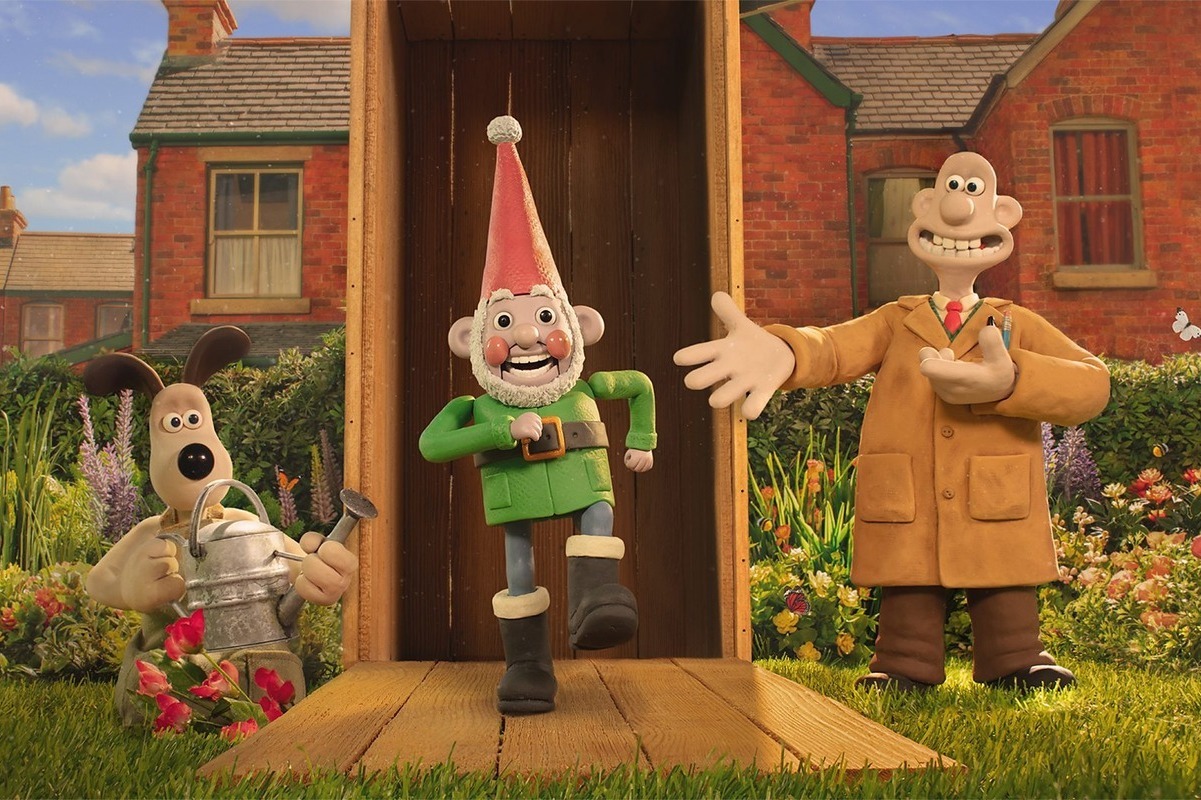
- Wallace & Gromit: The flagship franchise. With multiple Academy Awards, these characters are cultural icons. Their "brand equity" is estimated to be worth tens of millions on its own.
- Shaun the Sheep: A dialogue-free property that travels perfectly across language barriers, making it an ideal asset for global syndication.
- Creature Comforts & Morph: Legacy assets that provide steady secondary revenue through digital platforms and nostalgia-based marketing.
The valuation of these characters is factored into the company’s "intangible assets." While you won't see a line item for "Wallace's Popularity" on a balance sheet at Companies House, these assets are what bankers and analysts use to determine the company’s borrowing power and overall market strength.
Operational Costs and the Stop-Motion Challenge
To understand why Aardman’s net worth isn't in the billions despite their fame, one must look at the overhead. Stop-motion is arguably the most expensive and time-consuming form of animation.
The Cost of Craftsmanship
A typical Aardman feature film may involve over 30 separate film sets running simultaneously. Each animator might only produce two seconds of footage per day. This requires a massive, highly skilled workforce of puppet makers, set designers, and cinematographers.
In 2026, despite advancements in 3D printing for facial expressions and digital set extensions, the "handmade" nature of the studio's work remains its selling point. This high "Cost of Goods Sold" means that while revenues are high, profit margins are often tighter than those of purely digital studios like Pixar.
Capital Expenditure (CapEx)
Aardman maintains significant physical infrastructure in Bristol. Their studios contain specialized equipment, including high-end motion control rigs and temperature-controlled storage for thousands of puppets and props. The replacement value of these assets contributes significantly to the company's total net worth.
Financial Risks and Future Outlook
No business is without risk, and Aardman's niche position presents specific challenges that could impact its valuation toward the end of the decade.
- Talent Retention: As an employee-owned business, the studio's value is tied to its creative leads. The departure of key directors or technicians could impact the "creative capital."
- Streaming Market Volatility: As streaming platforms consolidate or reduce spending, the massive "buyout" deals that Aardman enjoyed in the early 2020s may become harder to negotiate.
- Technological Disruption: While AI and CGI continue to evolve, Aardman's value lies in its rejection of pure digital automation. However, they must continue to integrate technology (like the 3D-printed replacements used since The Pirates! In an Adventure with Scientists!) to keep costs manageable.
Despite these risks, the studio’s 2026 position is robust. The 2025 release of Vengeance Most Fowl proved that there is still a massive global appetite for the studio’s unique brand of humor. This successful release likely increased the company's cash reserves, allowing for further investment in "Aardman Labs," their division dedicated to VR, AR, and interactive storytelling.
Frequently Asked Questions
Is Aardman Animations owned by Disney?
No, Aardman Animations is not owned by Disney. While they had a brief distribution partnership with DreamWorks in the early 2000s, the studio is now 75% owned by its employees via an Employee Ownership Trust (EOT). This structure was designed specifically to prevent a takeover by a larger conglomerate and to maintain the studio's creative independence in Bristol.
How does Aardman make most of its money?
Aardman’s revenue is diversified. While feature films provide the largest single payments, the most consistent income comes from the "Shaun the Sheep" franchise, which includes television series, two feature films, and extensive global merchandising. They also generate significant revenue through their "Partnerships" arm, creating high-end commercials for global brands.
What happened to Aardman's sets in the 2005 fire?
In October 2005, a massive fire destroyed a warehouse used by Aardman to store sets, props, and models from classic productions like Chicken Run and Wallace & Gromit. While this was a significant loss of historical assets and archival material, it did not bankrupt the company. Most of the "worth" of the company—its IP rights and the talent of its staff—remained intact, and the studio was well-insured.
Why is stop-motion so expensive compared to CGI?
Stop-motion requires physical materials (clay, silicone, metal armatures) and physical space. Every frame must be set up by hand. In CGI, once a character model is built, it can be manipulated digitally with relative speed. In stop-motion, if a puppet breaks or a light flickers halfway through a shot, the entire sequence might need to be restarted. This physical labor makes the "cost per minute" of an Aardman film very high.
How much is the Wallace & Gromit brand worth?
While a specific number is not publicly disclosed, industry analysts suggest the Wallace & Gromit brand is worth upwards of $50 million. This includes the value of future film rights, theme park licensing, and the "halo effect" the characters have on the Aardman studio's overall reputation and bargaining power with distributors like the BBC and Netflix.
Next Steps for Researchers and Fans
For those interested in a deeper financial dive into Aardman Animations, the most accurate data can be found by searching the UK Companies House registry for "Aardman Animations Limited." Their annual "Report and Financial Statements" provide a transparent look at their turnover, profit and loss, and the status of their Employee Ownership Trust. For fans, supporting the studio's official merchandise and legal streaming releases remains the most direct way to contribute to the studio's continued financial health and creative independence.