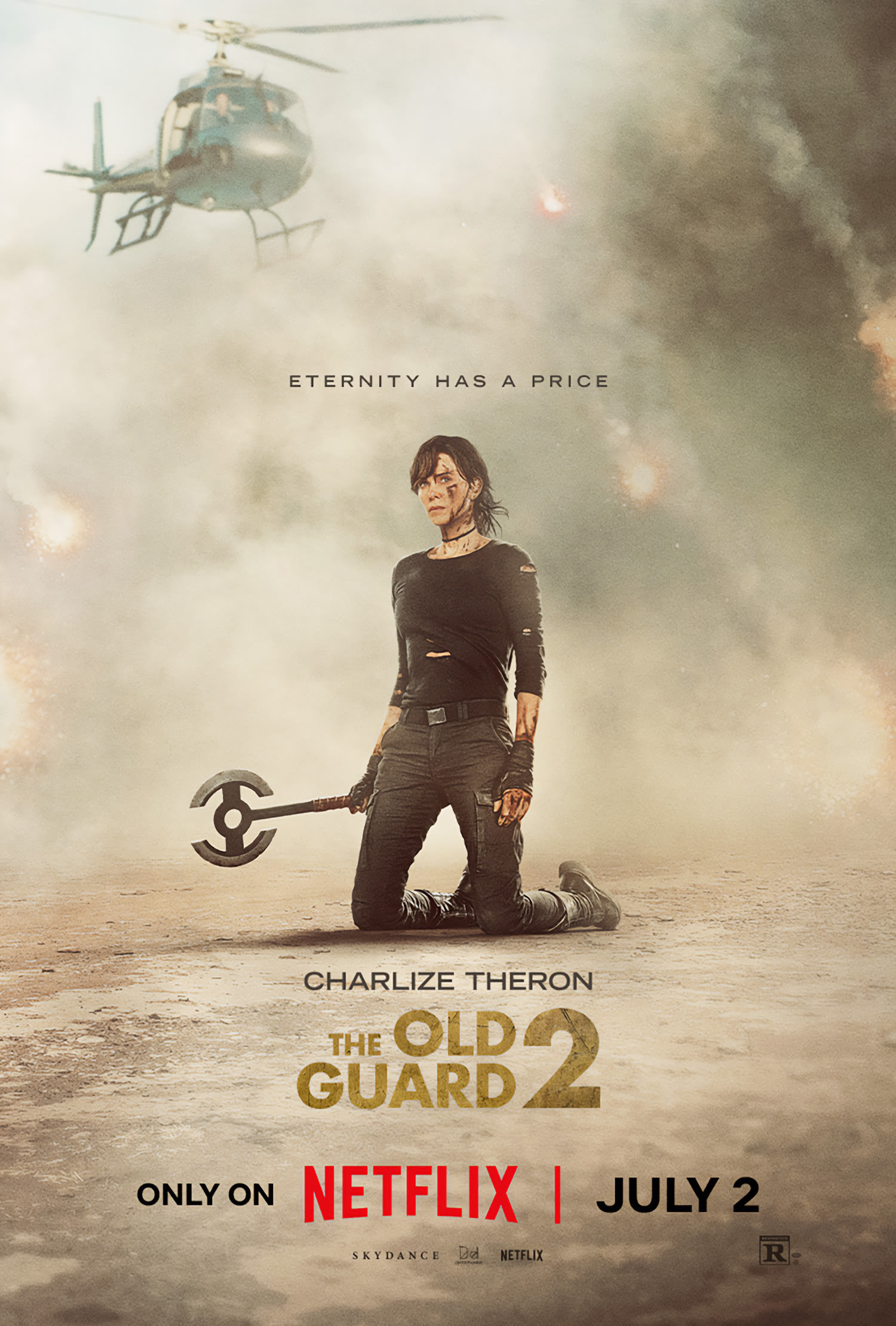
The Old Guard 2 follows the immortal mercenaries as they face the return of Quynh, Andy’s original partner who escaped her underwater prison after five centuries. The plot centers on Andy’s struggle with her newfound mortality, the team’s efforts to stop Quynh’s vengeful quest, and the revelation of why their immortality exists.
As of 2026, the sequel to the 2020 Netflix hit has solidified its place as a cornerstone of modern action-fantasy cinema. Directed by Victoria Mahoney and based on Greg Rucka’s "Force Multiplied" graphic novel, the film expands the lore established in the first installment while shifting the stakes from external corporate threats to internal, centuries-old emotional trauma. Understanding the narrative layers requires looking past the high-octane action to the thematic "secrets" that drive the character arcs and the overarching mythology of the immortals.
1. The Psychological Resurrection of Quynh
The most significant plot driver in the sequel is the re-emergence of Quynh (played by Van Veronica Ngo). In the first film, her fate was a haunting backstory: trapped in an iron maiden and dropped into the ocean, drowning and reviving for 500 years. Her return in the sequel is not just a physical one; it represents the manifestation of the team’s collective guilt.
Quynh’s motivations are deeply rooted in the "Force Multiplied" storyline. Unlike the corporate villainy of Merrick in the first film, Quynh provides a mirror to Andy’s own leadership. Having spent centuries in isolation and agony, her worldview has warped. She no longer believes humanity is worth saving, a direct challenge to the mission Andy has spent millennia upholding. This secret layer of the plot explores the "dark side" of immortality—what happens when the mind breaks even if the body cannot. The plot summary hinges on whether Quynh can be redeemed or if her 500-year trauma has rendered her the ultimate antagonist.
2. Andy’s Mortality as a Narrative Engine
At the conclusion of the first film, Andromache of Scythia (Andy) realized her wounds were no longer healing. In the sequel, this isn't just a side plot; it is the primary source of tension. The "secret" behind this plot point is the subversion of the protector role. For the first time in 6,000 years, the most experienced warrior on the planet is the most vulnerable member of the group.
This shift forces the team—Joe, Nicky, and Nile—to evolve. They are no longer just soldiers following a commander; they are bodyguards for a legend who is coming to terms with her own end. The film meticulously details how Andy uses her thousands of years of tactical knowledge to compensate for her lack of regenerative powers. This creates a "glass cannon" dynamic where the stakes of every fight sequence are significantly higher than in the previous film, as one misplaced bullet could mean the permanent death of the protagonist.
3. The "Force Multiplied" Influence and Deviations
Fans of the graphic novels recognize that the sequel draws heavily from the second volume of the comic, titled The Old Guard: Force Multiplied. However, a key secret of the movie’s plot summary is how it diverges from the source material to fit the cinematic universe.
In the comics, the tone is significantly bleaker, focusing on the immortals' involvement in the darker parts of human history, including the slave trade. The film adaptation tempers this with a focus on modern-day redemption. A central plot point involves "The Forge," a secretive organization that has been tracking the immortals longer than Copley. The film uses this to bridge the gap between the first movie’s corporate espionage and the sequel’s more metaphysical exploration of the characters' origins.
4. Nile Freeman’s Ascension to Leadership
While Andy remains the face of the franchise, The Old Guard 2 serves as the definitive origin story for Nile Freeman as the new leader of the group. The plot summary reveals that Nile is the only one capable of physically matching Quynh’s rage.
The secret to Nile's arc in the sequel is her rejection of the "soldier" archetype in favor of becoming a "moral compass." While the older immortals have become cynical over centuries, Nile’s relatively fresh perspective is what prevents the group from fracturing under Quynh’s influence. The film emphasizes Nile’s training, showing her mastering ancient combat styles and combining them with modern Marine Corps tactics, effectively making her the ultimate hybrid warrior.
5. The Mystery of the "Dream" Connection
A recurring element in the lore is how the immortals dream of one another before they meet. The sequel delves deeper into the mechanics of this connection. The secret revealed in the plot is that these dreams aren't just a homing beacon; they are a shared subconscious record.
As Quynh returns, the dreams become more vivid and intrusive for the entire team. The plot explores the idea that their immortality is tied to a collective purpose. When one member "dies" or loses their power, the connection shifts. The film suggests that their immortality is not a biological fluke but a directed phenomenon, possibly managed by a force that requires them to be "witnesses" to human history.
6. The Redemption and Role of Booker
Sebastien le Livre (Booker) was left in exile at the end of the first film, sentenced to 100 years of solitude for his betrayal. The sequel's plot brings him back into the fold much sooner than expected, driven by his accidental discovery of Quynh’s return.
The secret behind Booker’s involvement is his role as the "intelligence officer." Spending his exile in the digital shadows, Booker becomes the one who tracks the global movements of the new threats. His arc is one of the most technical aspects of the plot, involving the use of advanced surveillance and historical archives to piece together Quynh’s activities since her escape. His path to redemption is paved with self-sacrifice, as he seeks to prove to Joe, Nicky, and especially Andy, that he is still worthy of the family he nearly destroyed.
7. The Technical Evolution of the Action
A major secret behind the production and resulting plot summary is the change in directorial vision. Victoria Mahoney introduced a more kinetic, grounded style of combat compared to the first film. The sequel focuses on "weapon mastery," showcasing how the characters' choice of weaponry reflects their era of origin.
| Character | Primary Weaponry | Era of Origin | Technical Focus in Sequel |
|---|---|---|---|
| Andy | Labrys (Double-headed axe) | Ancient Scythia | Using environment and leverage to compensate for mortality. |
| Nile | Modern Firearms / Machete | 21st Century | Integration of tactical reloading and close-quarters grappling. |
| Joe & Nicky | Scimitar / Longsword | The Crusades | Synchronized combat maneuvers and defensive parrying. |
| Quynh | Hidden Blades / Dao | 11th Century | High-speed agility and psychological warfare tactics. |
| Booker | Sniper Rifle / Explosives | Napoleonic Era | Long-range support and strategic demolition. |
The Role of Copley and the New Support Network
James Copley, the former CIA agent who discovered the group, undergoes a significant shift in the sequel. He is no longer an antagonist or a mere observer but the "handler" for the group. The plot summary includes the establishment of a global network designed to hide the immortals' tracks while they intervene in humanitarian crises.
This "secret" infrastructure is what allows the film to move between locations like Paris, Hanoi, and the remote mountains of Central Asia. The technical side of the plot involves "digital ghosting"—the process by which Copley uses his resources to scrub satellite footage and facial recognition data to ensure the immortals remain myths rather than targets for modern governments or rival organizations.
Exploring the Source of Immortality
While the first film treated the "how" of immortality as a mystery that didn't need solving, the sequel begins to peel back the curtain. The plot introduces the concept that there have been other groups of immortals throughout history who failed their "purpose" and were extinguished.
The secret revealed toward the end of the film is that immortality is tied to the survival of the human race. When the immortals stop intervening in events that would lead to mass extinction, they begin to lose their powers. This provides a functional explanation for why Andy lost her healing abilities: it wasn't a random glitch, but a reflection of her loss of faith in the mission. To regain or maintain their status, the team must recommit to being the "shield" for humanity.
Frequently Asked Questions
Does Andy get her immortality back in The Old Guard 2? The film explores the possibility of Andy regaining her powers through a ritual or a shift in her mental state, but the primary plot maintains her mortality to keep the stakes high. Her survival depends on her skill and her team rather than a supernatural "reset." This choice emphasizes that her value to the team is her wisdom and leadership, not just her inability to die.
Who is the main villain in the sequel? Quynh is the primary antagonist, though she is portrayed as a tragic figure rather than a purely evil one. Her goal is to end the cycle of immortality by destroying the world that she believes caused her nothing but pain. There is also a secondary threat from a shadowy organization seeking to harvest immortal DNA, building on the threads left by the Merrick Corporation in the first film.
Is the sequel based on a specific book? Yes, it is primarily based on The Old Guard: Force Multiplied, the second graphic novel series by Greg Rucka and Leandro Fernández. While the movie takes creative liberties—especially regarding character deaths and specific plot twists—the core themes of Quynh’s return and the exploration of the group's history are directly lifted from the source material.
Will there be a third movie in the series? The ending of The Old Guard 2 is designed to resolve the immediate conflict with Quynh while leaving the door open for a final chapter. The "secrets" revealed about the origins of their powers suggest a much larger world that could be explored in a third installment, potentially focusing on the "First Immortal" mentioned in the ancient texts discovered by Copley.
How does the sequel handle the romance between Joe and Nicky? Their relationship remains a central emotional pillar of the film. The plot summary includes a subplot where their bond is tested by the potential of one of them losing their immortality. It provides a deep, character-driven contrast to the violence of the main plot, showcasing that for them, immortality is a gift because it allows them to be together "forever," rather than the curse it is perceived to be by Quynh or Booker.
Next Actions for Fans
To fully appreciate the depth of The Old Guard 2, viewers should revisit the first film specifically to track the mentions of Quynh and the visual cues regarding Andy's aging process. Additionally, reading the Force Multiplied graphic novel provides a darker, more philosophical context that enriches the cinematic experience. Following the official Netflix social media channels or Greg Rucka’s updates can provide further insights into the future of the franchise and any potential spin-offs or expanded lore releases.