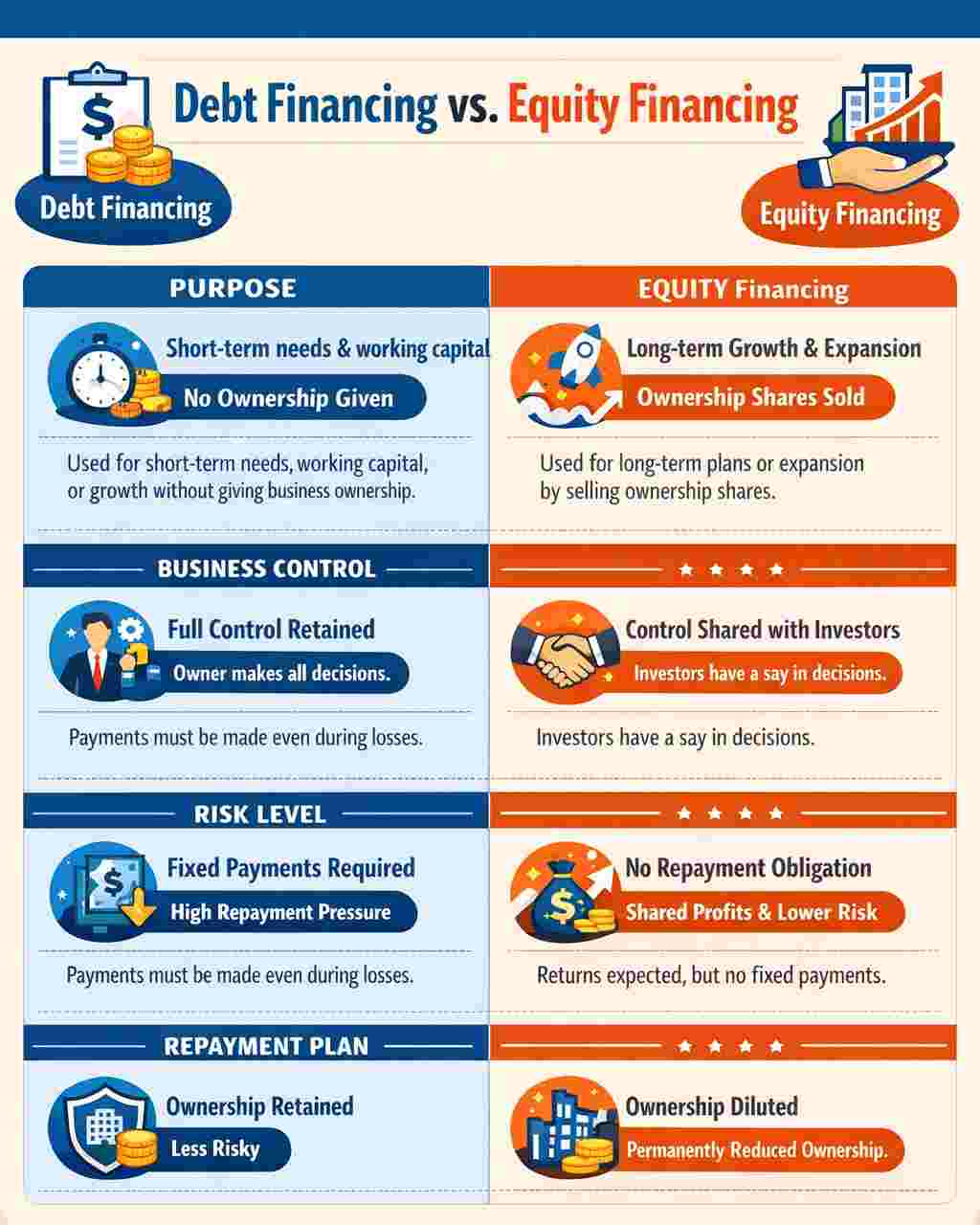
Debt financing life insurance—often referred to as life insurance premium financing or collateralized borrowing against policy cash value—involves using a life insurance contract as a financial instrument to secure credit or manage liquidity. By leveraging the internal growth of a permanent policy, individuals and businesses can access capital without liquidating assets, thereby maintaining market exposure and potential death benefit coverage simultaneously.
Understanding the Mechanics of Policy-Based Financing
At its core, using life insurance as a tool for debt financing revolves around the distinction between term life insurance and permanent (cash value) life insurance. Permanent products, such as Whole Life, Universal Life, or Variable Universal Life, accumulate a "cash value" component that grows over time. This cash value acts as a form of equity. When an insurer or a third-party lender allows a policyholder to borrow against this value, the policy remains active, and the death benefit typically provides collateral for the loan.
The strategy is essentially a form of arbitrage or liquidity management. By borrowing against the policy, the owner avoids the immediate tax consequences associated with withdrawing or surrendering the policy, as loans from life insurance are generally not considered taxable income under current tax codes, provided the policy remains in force. However, this strategy requires careful management of interest rates, policy performance, and repayment schedules to avoid a "lapse trap," where the debt exceeds the cash value, potentially causing the policy to terminate.
1. Collateralized Personal Liquidity Loans
One of the most common applications of debt financing involves using the cash value of a permanent life insurance policy as collateral for a commercial or personal loan. Instead of liquidating investments during a market downturn, a high-net-worth individual might pledge their life insurance policy to a bank. The bank provides a line of credit with interest rates typically tied to a benchmark like the SOFR (Secured Overnight Financing Rate) plus a spread. This allows the policyholder to keep their death benefit intact while accessing liquid cash for immediate opportunities.
2. Business Premium Financing
In a professional context, businesses often use debt financing to fund large premium payments for key-person insurance. Rather than tying up working capital, the company borrows the funds required to pay the annual premiums from a third-party lender. The policy itself serves as the primary collateral. This strategy allows the business to secure substantial coverage to protect against the loss of a vital executive or shareholder without placing a strain on operational cash flow.
3. Policy Loan for Tax-Efficient Cash Flow
Insurance companies permit policyholders to take direct loans from the insurer using the policy’s cash value as the only collateral. Unlike a bank loan, these do not typically require a credit check or a formal repayment schedule, although interest accrues on the outstanding balance. Policyholders often utilize this for supplementary retirement income. Because the funds are treated as a loan, they do not trigger a taxable event, allowing the policyholder to supplement their income tax-free while the policy continues to earn dividends or interest on the total cash value.
4. Leveraging Coverage for Estate Liquidity
For individuals with large estates, the death benefit of a life insurance policy is often the primary source of funds for paying estate taxes. However, if the cash value has grown significantly, the owner might borrow against it to pay for current living expenses or to reinvest in other assets. This debt financing approach ensures that the death benefit remains at its maximum level for the eventual heirs while the policyholder manages their lifestyle needs without triggering income tax liabilities on their invested wealth.
5. Buy-Sell Agreement Funding
In a partnership or closely-held corporation, buy-sell agreements are essential for continuity. Debt financing can be used to purchase a permanent policy on a partner's life. If the business lacks the immediate cash to pay for the premiums, it may secure a loan to fund the initial stages of the policy. The cash value growth can eventually be used to repay the debt, or the business can borrow against the policy to buy out a departing partner's interest, using the death benefit as the ultimate hedge for the debt if a partner passes away prematurely.
6. Real Estate Down Payment Bridging
Real estate investors sometimes face timing issues where an investment opportunity arises before liquid assets are readily available. By using a life insurance policy as a short-term collateral source, investors can secure a loan for a down payment. This "bridge" financing is often faster than traditional mortgage financing and allows the investor to close on a property without selling securities or other assets that might be subject to capital gains taxes. Once the permanent financing is secured, the loan against the life insurance policy is repaid.
7. Educational Funding Arbitrage
Parents and grandparents may use the cash value of a life insurance policy to fund education expenses for beneficiaries. By borrowing against the policy, they pay tuition without depleting their primary retirement accounts. Since the cash value continues to grow within the policy, the "cost" of the loan is often lower than the interest rates associated with private student loans. This creates an internal financing loop that preserves the family’s total wealth while meeting pressing educational obligations.
Comparison of Financing Methods
| Financing Method | Source of Capital | Repayment Flexibility | Primary Risk |
|---|---|---|---|
| Direct Policy Loan | Insurance Carrier | High (Flexible) | Policy Lapse |
| Bank Collateral Loan | External Lender | Low (Scheduled) | Margin Calls |
| Premium Financing | Third-Party Credit | Structured | Interest Rate Risk |
| Bridge Financing | Policy Cash Value | Short-term | Liquidity Mismatch |
Critical Considerations and Risks
While debt financing life insurance offers significant utility, it is not without risk. The most prevalent danger is the "lapse trap." If the interest rate on the borrowed funds exceeds the crediting rate of the policy, or if the policy’s performance underperforms expectations, the cash value may be insufficient to cover the loan interest and policy costs. When this occurs, the insurance company may terminate the policy.
Furthermore, investors must account for interest rate volatility. In a 2026 economic environment characterized by shifting interest rates, borrowers should conduct stress tests on their debt-to-equity ratios within the policy. A loan that is sustainable at a 4% interest rate may become unsustainable if rates climb significantly, eating into the policy’s net growth and reducing the death benefit.
Professional Guidance and Due Diligence
Before engaging in any debt-financed insurance strategy, it is essential to consult with both a qualified tax professional and a licensed insurance advisor. These strategies have significant tax implications, particularly concerning the Modified Endowment Contract (MEC) status. If a policy is over-funded or loans are taken in a way that violates internal revenue codes, the policy may lose its tax-advantaged status, potentially leading to immediate and severe tax liabilities.
Ensure that the lender and the insurance carrier are in alignment regarding the collateral assignment. Many insurance companies have specific forms and procedures for assigning a policy to a bank. Failing to follow these strictly can lead to administrative delays or the rejection of the loan application.
Frequently Asked Questions
1. Does borrowing against a life insurance policy reduce the death benefit? Generally, if you take a loan from the insurance company, the outstanding loan balance is subtracted from the death benefit if you pass away before the loan is repaid. However, the face amount of the policy itself remains the same; only the net payout to beneficiaries is reduced.
2. Is the interest paid on life insurance loans tax-deductible? In most personal scenarios, interest paid on life insurance loans is not tax-deductible. If the policy is used for business purposes, there may be specific tax treatments, but you must consult with a certified public accountant to determine if your specific situation qualifies for interest expense deductions.
3. Can I be denied a policy loan if I have bad credit? If you are borrowing directly from the insurance company using your policy’s cash value, creditworthiness is typically irrelevant because the policy is its own collateral. However, if you are seeking a loan from a bank using the policy as collateral, the bank will likely perform a credit check and evaluate your ability to repay the debt.
4. What happens if the loan interest exceeds the cash value? If the total debt, including accumulated interest, exceeds the cash value of the policy, the policy is at risk of lapsing. The insurer will typically send a notice allowing you to pay down the balance. If you fail to do so, the policy may terminate, which can create a "phantom income" tax event where the gain in the policy becomes taxable.
5. How does the current interest rate environment affect this strategy? As of 2026, the cost of borrowing has remained a critical factor. When interest rates are higher, the cost of servicing the debt against the policy increases. Borrowers must ensure that the internal rate of return on their policy’s cash value is competitive enough to offset the interest expense they are incurring.
Next Steps for Policyholders
If you are considering debt financing via your life insurance policy, start by requesting an "in-force illustration" from your insurance carrier. This document provides a projected outlook of your policy’s performance under various interest rate scenarios. Next, verify your policy's current cash value and confirm the loan provisions outlined in your original contract. Finally, if you intend to use a third-party lender, verify the lender's experience with "collateral assignments of life insurance" to ensure the transaction complies with your policy's terms.