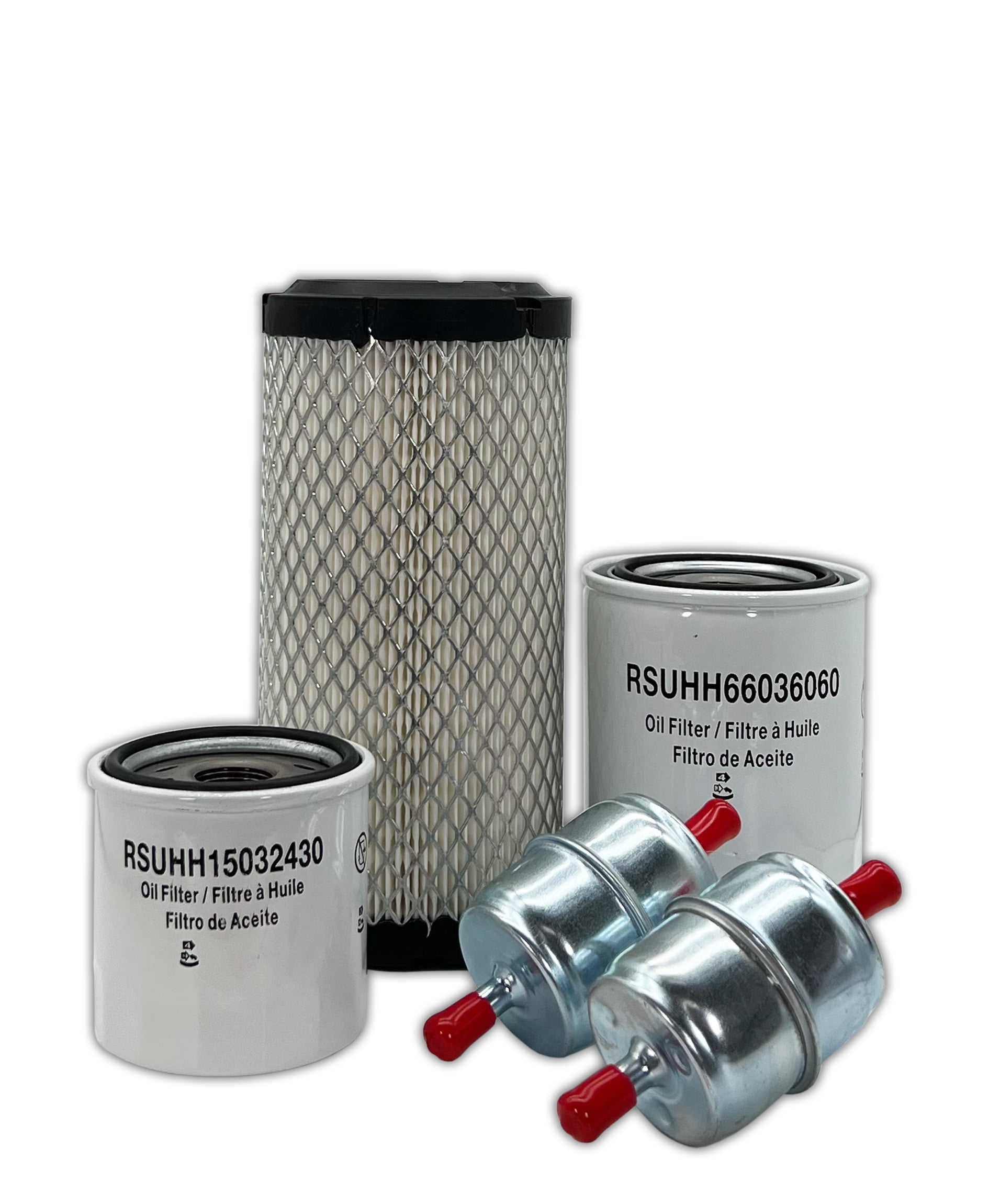
To maintain your Kubota BX23S tractor, use the genuine Kubota HH150-32430 oil filter (or a verified equivalent like Wix 51365). Replace the filter and engine oil every 200 operating hours after the initial 50-hour break-in period. Proper installation involves lubricating the gasket and tightening it by hand to ensure engine longevity.
Understanding the Kubota BX23S Filtration Requirements
The Kubota BX23S is a cornerstone of the sub-compact tractor-loader-backhoe (TLB) market. As of 2026, it remains one of the most popular choices for residential property owners and small-scale contractors due to its versatility and the reliability of its Kubota D902 three-cylinder diesel engine. However, the longevity of this high-revving liquid-cooled engine is entirely dependent on the quality of its lubrication system. The oil filter is not merely a passive canister; it is a critical component designed to capture carbon soot, metal wear particles, and combustion byproducts that naturally accumulate in a diesel environment.
In a diesel engine like the D902, the oil serves multiple roles: lubrication, cooling, and cleaning. Because diesel combustion produces more soot than gasoline engines, the oil filter must be capable of high-efficiency filtration without significantly restricting oil flow. The Kubota BX23S utilizes a full-flow filtration system, meaning all the oil pumped from the sump passes through the filter media before reaching the crankshaft, camshaft, and turbocharger (if equipped in similar models). Understanding the technical specifications of your filter—such as the micron rating and the bypass valve pressure—is essential for preventing premature engine wear.
The "5-minute" aspect of this guide refers to the physical act of swapping the filter once the tractor is prepared. However, the preparation, selection, and post-change verification are what define a professional-grade maintenance routine. Neglecting these steps can lead to "dry starts," where the engine runs for several seconds without oil pressure, causing cumulative damage to the main bearings.
Identifying the Correct Oil Filter for the BX23S
Selecting the correct filter is the most important step in the maintenance process. While many filters may look similar or even thread onto the engine block, they are not all created equal. The internal components, specifically the bypass valve and the anti-drainback valve, are calibrated to the specific oil pressure ranges of the Kubota D902 engine.
OEM vs. Aftermarket Options
The primary recommendation for the BX23S is the Kubota Genuine Part HH150-32430. This filter is engineered by Kubota specifically for the flow rates of their sub-compact engines. It features a heavy-duty canister to withstand the vibration of a diesel engine and high-quality synthetic blend media.
If you are in a situation where OEM parts are unavailable, several reputable aftermarket manufacturers produce compatible filters. However, you must ensure they meet the specific technical requirements of the BX23S. Common alternatives include the Wix 51365, Napa Gold 1365, and Baldwin B1400. These are often cited by owners for their availability, though many enthusiasts prefer to stay with OEM to maintain warranty integrity and ensure the bypass valve opens at the correct PSI (Pounds per Square Inch).
| Filter Brand | Part Number | Filtration Rating (Microns) | Features |
|---|---|---|---|
| Kubota OEM | HH150-32430 | ~20 | Optimized for D902 engine; high-pressure bypass. |
| Wix | 51365 | 21 | Excellent flow-through; high-quality cellulose/synthetic media. |
| Napa Gold | 1365 | 21 | Manufactured by Wix; identical specs to 51365. |
| Baldwin | B1400 | 23 | Heavy-duty steel casing; favored in industrial applications. |
| Fram | PH6607 | 25 | Entry-level; not recommended for high-load diesel use. |
The Role of the Bypass Valve
One technical detail often overlooked is the bypass valve. In the event that an oil filter becomes completely clogged with debris, or if the oil is too thick during a cold 2026 winter morning, the bypass valve opens to allow unfiltered oil to reach the engine. It is better for an engine to have dirty oil than no oil at all. Kubota's OEM filters are calibrated to open at a specific pressure differential. If you use a generic automotive filter with a lower bypass rating, you might be circulating unfiltered oil through your engine more often than you realize.
Essential Tools and Supplies for the Task
To complete the oil filter change efficiently within five minutes, you must have your workspace organized. The BX23S is a compact machine, meaning the engine compartment is tightly packed. Having the right tools prevents frustration and prevents damage to the filter housing or surrounding components.
- Oil Filter Wrench: Because the filter is located in a somewhat recessed area near the right side of the engine (when seated), a "cup-style" wrench that fits over the end of the filter is often more effective than a strap wrench or pliers.
- Drain Pan: A shallow pan with at least a 4-quart capacity. The BX23S typically holds about 3.3 quarts (3.1 liters) of oil.
- 14mm Socket or Wrench: Used to remove the oil pan drain plug.
- Clean Rags or Shop Towels: Essential for cleaning the mounting surface and catching the "dribble" that occurs when the filter seal is broken.
- New Engine Oil: Use a high-quality 10W-30 or 15W-40 oil meeting API Service Classification CJ-4 or CK-4.
- Funnel: A long-neck funnel helps reach the oil fill port without spilling over the engine covers.
The 5-Minute Step-by-Step Replacement Procedure
Once the engine is warm (which helps the oil flow more freely) and the tractor is parked on a level surface with the parking brake engaged and the loader/backhoe lowered, you can begin the physical replacement.
Step 1: Draining the Old Oil
While our focus is the filter, you should never change a filter without changing the oil. Place the drain pan under the oil plug located at the bottom of the engine sump. Use the 14mm wrench to loosen the plug. Be careful, as the oil may be hot. Allow the oil to drain completely. While it drains, inspect the magnetic tip of the drain plug (if equipped) for any large metal shavings, which could indicate internal engine trouble.
Step 2: Removing the Old Filter
Locate the oil filter on the side of the engine block. Place your drain pan or a series of rags directly beneath the filter. Use the filter wrench to break the seal by turning it counter-clockwise. Once loose, unscrew it by hand. Crucial Tip: As the filter comes off, ensure the old rubber gasket comes with it. Sometimes the gasket can "cook" onto the engine block. If you install a new filter over an old gasket (known as "double-gasketing"), it will fail immediately upon start-up, spraying oil everywhere.
Step 3: Preparing the New Filter
Take your new Kubota HH150-32430 filter and remove the plastic wrapper. Dip your finger into the new, clean engine oil and spread a thin film over the rubber gasket of the new filter. This lubrication ensures a proper seal and allows for easier removal during the next service interval. Some operators choose to "pre-fill" the filter with oil to reduce the time the engine runs without pressure on start-up. In the BX23S, the filter is mounted horizontally, so you can only fill it about halfway before it becomes too messy to install.
Step 4: Installation and Tightening
Thread the new filter onto the mounting stud by hand. It should spin on smoothly. If you feel resistance immediately, stop and check for cross-threading. Spin the filter until the gasket makes contact with the base plate on the engine. From that point of contact, tighten the filter an additional half to three-quarters of a turn. Do not use a wrench to tighten the filter; over-tightening can deform the gasket or make it nearly impossible to remove next time.
Step 5: Refilling and Leak Check
Reinstall the oil drain plug and tighten it securely. Fill the engine with the recommended amount of oil through the fill port on top of the valve cover. Start the engine and let it idle for about 60 seconds. During this time, watch the oil pressure light on the dashboard; it should go out within 2-3 seconds. Inspect the area around the new filter for any signs of seepage. Shut the engine off, wait five minutes for the oil to settle, and check the dipstick to ensure the level is at the "Full" mark.
Common Challenges and Troubleshooting
Even a task as simple as an oil filter change can present challenges, especially on a machine that has seen heavy use in dusty or wet environments.
The "Stuck" Filter
If the previous service over-tightened the filter or failed to lubricate the gasket, the filter may be stuck. If a cup wrench slips, you may need a high-torque claw-style wrench. As a last resort, some mechanics drive a screwdriver through the canister to gain leverage, but this is extremely messy and should be avoided if possible, as it can shear the canister off the base if the metal is weak.
Leaks After Installation
If you notice a leak after the "5-minute" change, it is usually due to one of three things:
- Double Gasketing: The old gasket stayed on the engine.
- Under-tightening: The filter is not snug enough to compress the gasket.
- Debris: A piece of grit or dirt got trapped between the gasket and the mounting surface. If a leak occurs, you must remove the filter, clean the surfaces, and reinstall (or replace if the gasket is damaged).
Oil Light Remains On
If the oil pressure light stays on for more than 10 seconds after a filter change, shut the engine off immediately. This could indicate an air lock in the system or a faulty "new" filter with a defective internal valve. Check the oil level first, then try loosening the filter slightly to see if oil is reaching it, then re-tighten.
Maintenance Schedules and 2026 Guidelines
For the Kubota BX23S, the manufacturer's suggested maintenance intervals are designed to keep the machine operational for decades. In 2026, with modern synthetic oils, some users are tempted to extend these intervals. However, because tractors often operate in high-dust environments or sit for long periods (leading to moisture buildup in the oil), sticking to the hourly schedule is vital.
- Break-in Period: 50 Hours (Change oil and filter).
- Standard Interval: Every 200 Hours.
- Annual Service: Even if you do not hit 200 hours in a year, you should change the oil and filter annually to remove acidic contaminants and moisture.
Record your maintenance in a logbook or a digital app. In 2026, maintaining a documented service history significantly increases the resale value of sub-compact tractors like the BX23S. Potential buyers want to see that the engine has been protected by consistent, high-quality filtration.
Environmental Responsibility
Used oil filters contain trapped contaminants and residual oil that can be harmful to the environment. Do not dispose of your old Kubota filter in regular household trash. Most automotive parts stores and municipal recycling centers accept used oil filters. They are typically crushed to recover the remaining oil and then recycled as scrap metal. Before disposal, let the filter drain into your waste oil container for at least 24 hours by placing it upside down in a funnel.
Frequently Asked Questions
Can I use a car oil filter on my Kubota BX23S?
While some automotive filters share the same thread pitch and diameter, it is not recommended. Tractor engines operate at different RPM ranges and oil pressures than car engines. Automotive filters may have lower burst pressures or bypass valve settings that are inappropriate for the Kubota D902 diesel engine. Stick to filters specifically rated for tractor or industrial diesel use.
How much oil does the BX23S filter hold?
The filter itself holds a relatively small amount of oil, approximately 0.2 to 0.3 quarts. However, the total system capacity including the filter is roughly 3.3 quarts. Always check the dipstick after a change, as the volume held by the filter will cause the level on the dipstick to drop slightly after the first start.
Why is my oil filter so hard to get to?
The BX23S is designed to be compact, which means the engine components are shielded by the frame and loader mounts. To make access easier, some owners choose to remove the side engine panels. Ensuring you have a cup-style filter wrench that works with a socket extension will make the "hard-to-reach" filter much easier to manage.
Does changing my own oil filter void the Kubota warranty?
In most jurisdictions, performing your own maintenance does not void the manufacturer's warranty, provided you use parts that meet or exceed OEM specifications and keep accurate records. Using a genuine Kubota HH150-32430 filter is the safest way to ensure there are no disputes regarding warranty claims related to engine lubrication.
What happens if I forget to lubricate the gasket?
If you install the filter with a dry gasket, the rubber can bunch up or tear as you tighten the filter, leading to a poor seal and immediate leaks. Furthermore, over time, the heat of the engine will cause a dry gasket to bond with the metal mounting plate, making the filter nearly impossible to remove during the next service.
Final Recommendations for BX23S Owners
The oil filter is the most affordable "insurance policy" you can buy for your Kubota BX23S. While the physical replacement is a simple task that can be performed in five minutes, the attention to detail—selecting the HH150-32430, verifying the gasket removal, and ensuring proper torque—is what separates a hobbyist from a professional operator.
For the best results in 2026, always keep a spare filter and at least four quarts of oil on your shop shelf. This ensures that when the hour meter hits its service interval, you can perform the maintenance immediately rather than putting it off and subjecting your engine to unnecessary wear. Consistent care of the filtration system will ensure your BX23S remains a reliable workhorse for many years to come.