Navigating the auto insurance market in Miami requires understanding Florida's unique regulatory environment, notoriously high traffic density, and distinct risk factors that influence local premiums. Because Miami consistently ranks among the most expensive metropolitan areas in the United States for car insurance, finding the right provider involves balancing financial protection, state-mandated coverage limits, and reliable customer service.
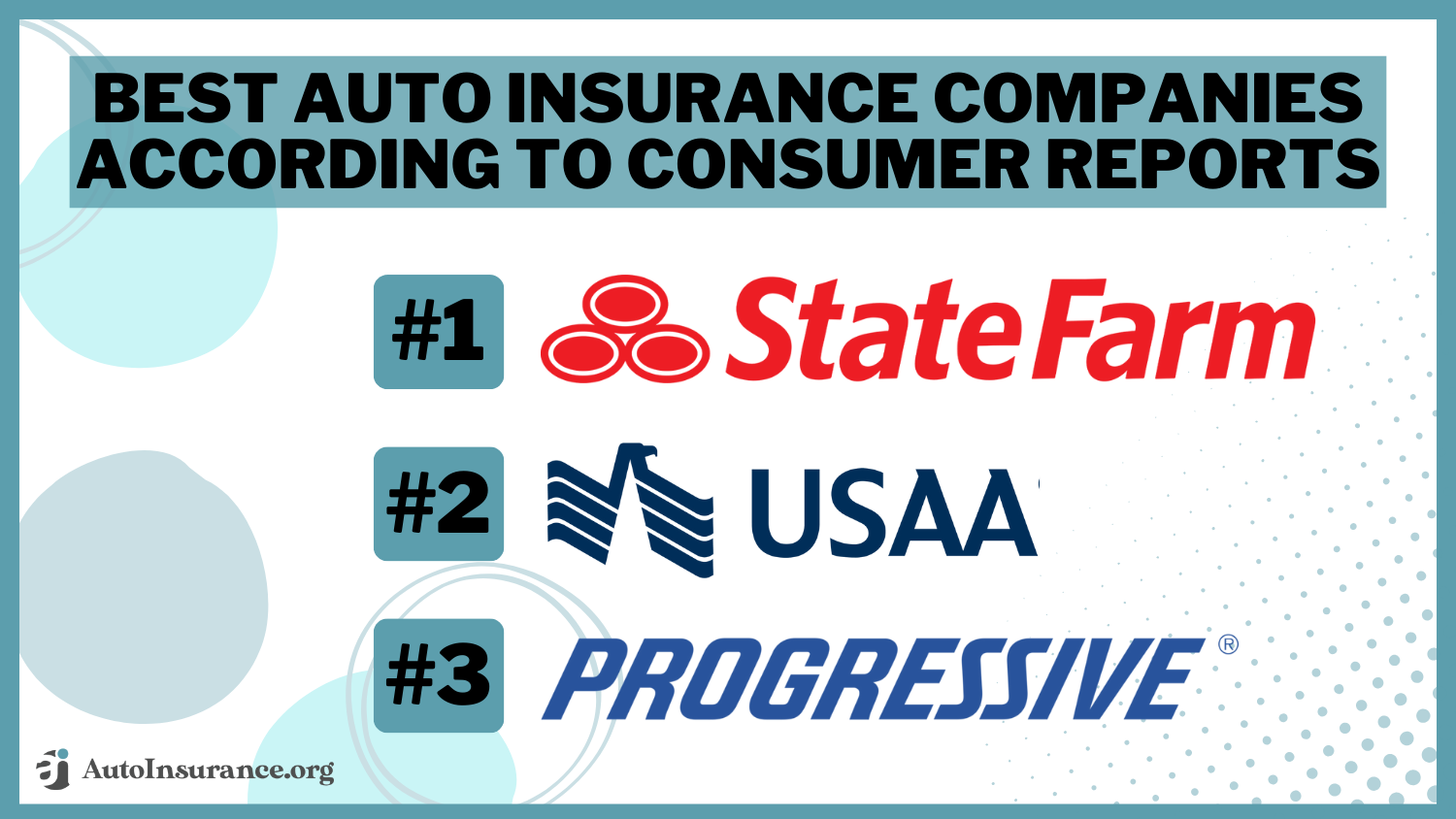
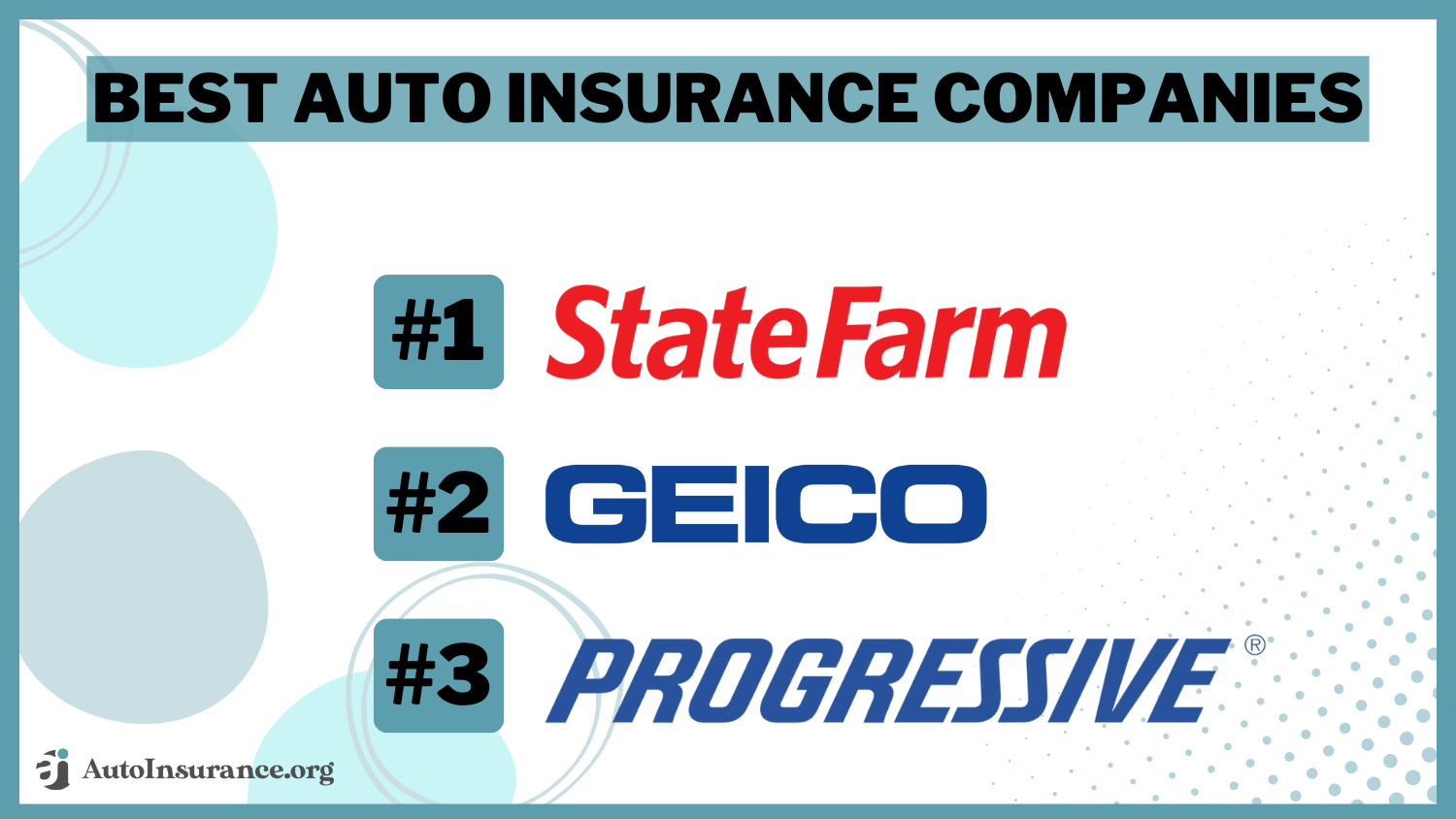
To help drivers make informed decisions, evaluating top-tier carriers operating in the local market reveals distinct advantages for different types of motorists. Major national providers such as State Farm, Geico, Progressive, Allstate, and Travelers consistently emerge as top contenders for drivers in Miami-Dade County. Each of these companies brings unique strengths, ranging from robust digital tools and accident forgiveness programs to highly rated local agent networks and competitive pricing structures tailored to high-risk urban environments.
Understanding Miami’s Unique Auto Insurance Landscape
Shopping for car insurance in Miami is distinctly different from shopping in other parts of the United States, or even other regions of Florida. Several distinct economic, legal, and geographic factors converge to drive up the cost of coverage and shape the offerings of major insurers.
Florida’s No-Fault Insurance Laws and PIP
Florida operates under a "no-fault" auto insurance system. Under Florida Statute § 627.736, all vehicle owners must carry Personal Injury Protection (PIP) and Property Damage Liability (PDL) insurance.
- Personal Injury Protection (PIP): This covers a portion of your medical expenses and lost wages if you are injured in an accident, regardless of who caused the collision. The state-mandated minimum is $10,000.
- Property Damage Liability (PDL): This covers damage you cause to someone else’s property (such as another vehicle, a fence, or a guardrail). The state minimum is $10,000.
Unlike many other states that require bodily injury liability (BIL) coverage, Florida technically does not mandate it for standard drivers (with specific exceptions, such as those with certain moving violations or DUI convictions). However, relying solely on state minimums in Miami is financially perilous. Given the high cost of healthcare and legal representation in South Florida, minimum-limit policies are frequently exhausted within minutes of a serious accident, leaving drivers personally liable for剩余 damages.
High Rates, Uninsured Motorists, and Litigious Environment
Miami-Dade County presents a challenging risk profile for insurance underwriters. Factors contributing to high insurance premiums include:
- High Traffic Density and Accident Rates: Miami’s congested roadways, persistent tourism traffic, and frequent severe weather events increase the statistical likelihood of collisions.
- Uninsured Motorist Rates: Florida historically maintains one of the highest percentages of uninsured or underinsured drivers in the nation. Carrying Uninsured/Underinsured Motorist (UM/UIM) coverage is practically essential for Miami drivers, even though it is not strictly required by state law.
- Fraud and Litigation: South Florida has long faced elevated levels of staged accidents, fraudulent medical claims, and excessive litigation surrounding auto insurance payouts. Insurers factor these legal and operational costs directly into consumer premiums.
The 5 Best Auto Insurance Companies in Miami
Evaluating insurers in Miami requires looking beyond national reputation to examine how well these companies serve local policyholders, manage claims efficiently, and offer competitive rates within a high-cost zip code.
1. State Farm: Best for Local Agent Support and Customer Satisfaction
State Farm stands out as a leading choice for Miami drivers who prefer personalized service through a dedicated local agent. As one of the largest property and casualty insurers in the United States, State Farm combines financial stability with a robust physical presence throughout Miami-Dade County.
- Pros: Highly rated customer service, extensive network of local brick-and-mortar agents, and various discount opportunities (such as the Steer Clear program for young drivers and Drive Safe & Save telematics program).
- Cons: Rates can be higher than online-only competitors if you do not qualify for specific bundling or safe-driver discounts.
- Best For: Drivers who value face-to-face consultations and want guidance when tailoring complex coverage limits.
2. Geico: Best for Budget-Conscious Drivers and Digital Tools
Geico is widely recognized for competitive baseline pricing and an intuitive digital platform. For Miami residents seeking affordable coverage without sacrificing digital convenience, Geico provides a streamlined quoting and claims-filing process through its mobile application.
- Pros: Highly competitive rates for drivers with clean records, user-friendly mobile app, and 24/7 customer support.
- Cons: Fewer physical storefronts compared to agency-driven competitors; premium increases can be noticeable following at-fault accidents or traffic violations.
- Best For: Tech-savvy drivers with good driving records looking for straightforward, low-cost coverage.
3. Progressive: Best for High-Risk Drivers and Customization
Progressive is well-known for accommodating drivers who might struggle to find affordable coverage elsewhere. In a market like Miami, where factors such as past tickets, accidents, or credit history can heavily inflate quotes, Progressive offers flexible underwriting options.
- Pros: The Name Your Price tool helps budget-conscious shoppers find coverage tiers, highly customizable policy options, and competitive rates for drivers with less-than-perfect records.
- Cons: Customer satisfaction scores can vary depending on the specific third-party claims adjuster or local representative assigned to a case.
- Best For: Drivers with imperfect driving records, younger motorists, or those seeking specific add-on coverages like custom parts and equipment protection.
4. Allstate: Best for Robust Coverage Add-Ons and Rewards
Allstate offers comprehensive policy structures backed by unique reward programs, such as accident forgiveness and deductible rewards for safe driving. While premiums can trend higher, the depth of coverage options appeals to motorists seeking maximum protection.
- Pros: Comprehensive add-ons like roadside assistance, gap insurance, and safe driving rewards (Drivewise).
- Cons: Base rates can be higher than average in high-risk urban zip codes like Miami.
- Best For: Homeowners looking to bundle auto and property insurance, or drivers who prioritize extensive coverage features over the lowest possible price.
5. Travelers: Best for Consistent Bundling and Stability
Travelers provides reliable coverage options with stable pricing for drivers who maintain clean records and bundle multiple policies. Though less advertised in consumer media than Geico or Progressive, Travelers maintains a strong financial backing and dependable claims processing network.
- Pros: Excellent bundling discounts for combining auto and homeowners or renters insurance, highly customizable deductible options, and responsive claims service.
- Cons: Strict underwriting criteria mean fewer discounts for drivers with recent moving violations.
- Best For: Multi-policy households and risk-averse drivers seeking dependable, traditional insurance structures.
Comparison of Top Miami Auto Insurance Providers
| Insurance Company | Average Cost Competitiveness | Key Digital Features | Best Suited For | Standout Perk |
|---|---|---|---|---|
| State Farm | Moderate to High | Mobile App, Agent Portal | Personal Agent Support | Extensive local agent network |
| Geico | High | Advanced App, Quick Quotes | Budget-Conscious Drivers | Competitive baseline rates |
| Progressive | Moderate | Name Your Price Tool | High-Risk / Complex Drivers | Flexible underwriting options |
| Allstate | Moderate | Drivewise App, Dashboard | Comprehensive Coverage | Accident forgiveness & rewards |
| Travelers | Moderate | Policy Management Portal | Multi-Policy Households | Strong bundling discounts |
Essential Coverages Every Miami Driver Should Consider
Because Florida's mandatory minimum insurance requirements are notoriously thin, relying solely on PIP and PDL leaves significant financial exposure. When building a policy with any of the top Miami insurers, consider integrating the following coverages:
Uninsured and Underinsured Motorist (UM/UIM) Coverage
Given that a substantial percentage of motorists on South Florida roads drive without valid insurance or carry only the state minimum, UM/UIM coverage is vital. If an uninsured driver hits your vehicle and causes injuries or property damage, your own UM policy steps in to cover medical bills, lost wages, and repair costs up to your policy limits.
Comprehensive and Collision Coverage
If you finance or lease your vehicle, your lender will mandate comprehensive and collision insurance. Even if your car is paid off, dropping these coverages in Miami is risky. Comprehensive coverage protects against non-collision events such as tropical storms, flooding (a frequent hazard in low-lying Miami neighborhoods like Brickell, Edgewater, and parts of Miami Beach), theft, and vandalism. Collision coverage pays for repairs to your vehicle if you collide with another car or object.
Medical Payments (MedPay) or Higher PIP Limits
Florida PIP covers 80% of necessary medical expenses up to $10,000, but only if you seek treatment within 14 days and receive a diagnosis of an "emergency medical condition." Upgrading PIP limits or adding a MedPay rider helps bridge the gap for out-of-pocket deductibles and co-pays associated with emergency room visits and specialist care.
Tips for Lowering Auto Insurance Rates in Miami
Securing affordable auto insurance in Miami requires proactive steps to demonstrate low risk to underwriters. Implementing these strategies can help mitigate the city's high baseline costs:
- Bundle Your Policies: Many insurers, including State Farm, Allstate, and Travelers, offer substantial discounts (often ranging from 10% to 25%) if you purchase your auto insurance and homeowners or renters insurance through the same company.
- Utilize Telematics Programs: Programs like Geico’s DriveEasy, Progressive’s Snapshot, or State Farm’s Drive Safe & Save track your driving habits—such as speed, braking, and phone distraction—via a mobile app or plug-in device. Safe drivers can earn significant discounts.
- Opt for a Higher Deductible: Raising your comprehensive and collision deductibles from $500 to $1,000 can noticeably lower your monthly premium. Ensure you have adequate savings set aside to cover the higher out-of-pocket cost in the event of a claim.
- Maintain Good Credit: In Florida, insurers are legally permitted to use credit-based insurance scores as a factor in determining rates. Maintaining a strong credit history can directly translate to lower premium offers.
- Review Discounts Annually: Inquire about lesser-known discounts, such as paperless billing, automatic monthly withdrawals, defensive driving course completion, and low-mileage discounts if you work from home or use public transit like Metrorail.
Frequently Asked Questions
What is the minimum auto insurance required in Miami, Florida?
Florida law mandates that all vehicle owners carry a minimum of $10,000 in Personal Injury Protection (PIP) and $10,000 in Property Damage Liability (PDL). However, insurance experts strongly recommend carrying bodily injury liability, comprehensive, collision, and uninsured motorist coverage to protect against severe financial loss.
Why is car insurance so expensive in Miami?
Miami auto insurance rates are among the highest in the nation due to high traffic congestion, a high density of uninsured drivers, elevated rates of insurance fraud and litigation, and frequent severe weather risks such as tropical storms and flooding.
Can I drive in Miami with out-of-state insurance?
If you recently moved to Miami, Florida law generally requires you to register your vehicle and obtain a Florida auto insurance policy within a short window (typically within 10 days of establishing residency, registering your vehicle, or enrolling children in school). Failing to switch to a Florida policy while operating a vehicle locally can lead to coverage denials in the event of a claim.
Do I need comprehensive coverage for flood damage in Miami?
Yes. Standard liability and collision policies do not cover flood damage. Given Miami’s susceptibility to torrential downpours, king tides, and tropical storms, adding comprehensive coverage is the only way to ensure your vehicle is protected against rising floodwaters.
How often should I shop around for auto insurance in Miami?
It is wise to review your auto insurance policy annually or whenever you experience a major life event, such as moving, changing jobs, buying a new vehicle, or adding a teen driver to your household. Rates fluctuate frequently based on carrier risk assessments and market conditions.
Conclusion
Finding the best auto insurance company in Miami depends heavily on your individual driving record, vehicle type, and coverage priorities. While carriers like State Farm excel in local agent support, Geico and Progressive offer competitive pricing and flexible digital tools, and Allstate and Travelers provide robust bundling and reward structures. Avoid relying solely on Florida's bare minimum requirements; investing in comprehensive coverage, particularly Uninsured Motorist protection and adequate liability limits, ensures financial security on Miami's challenging roadways.