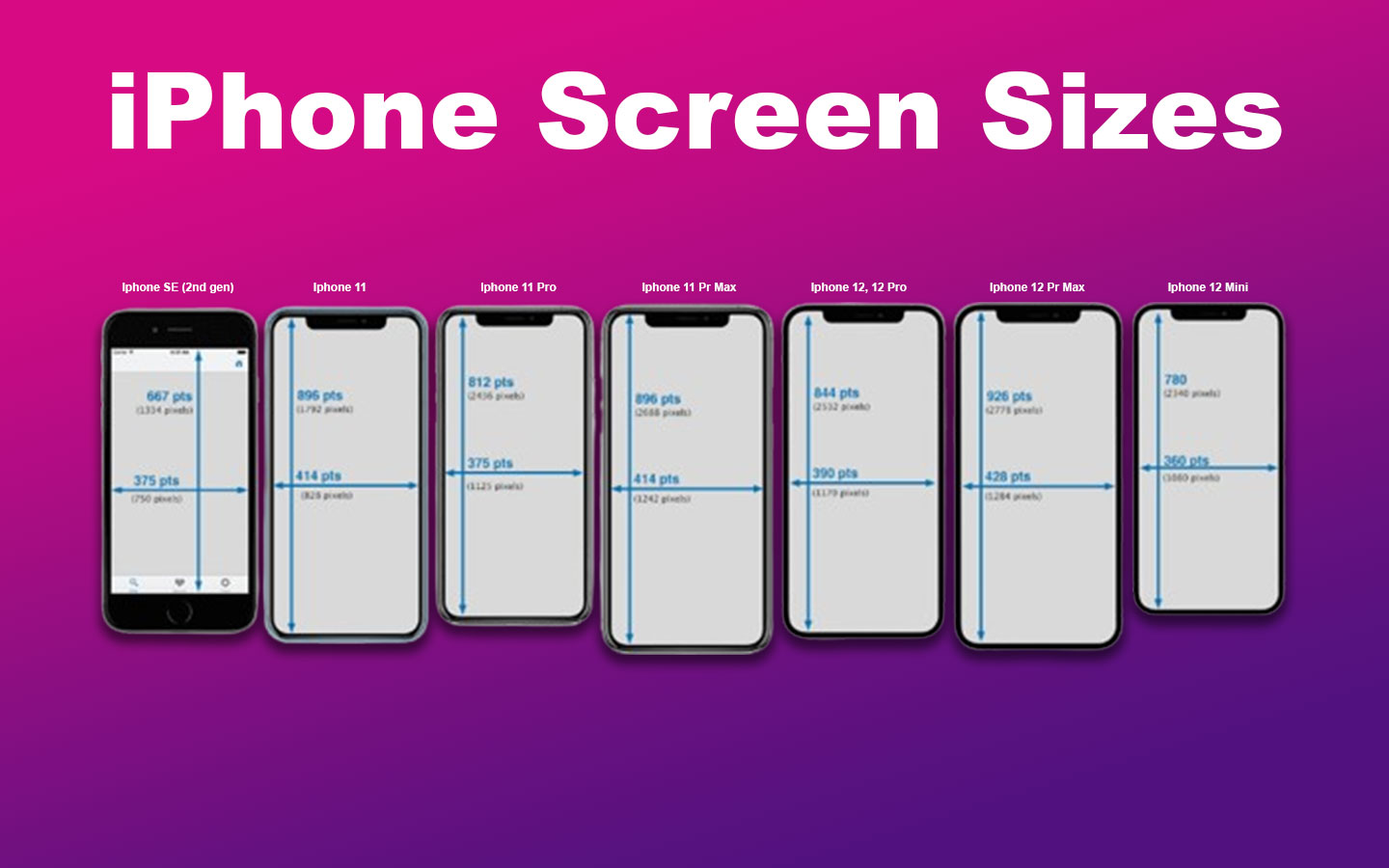
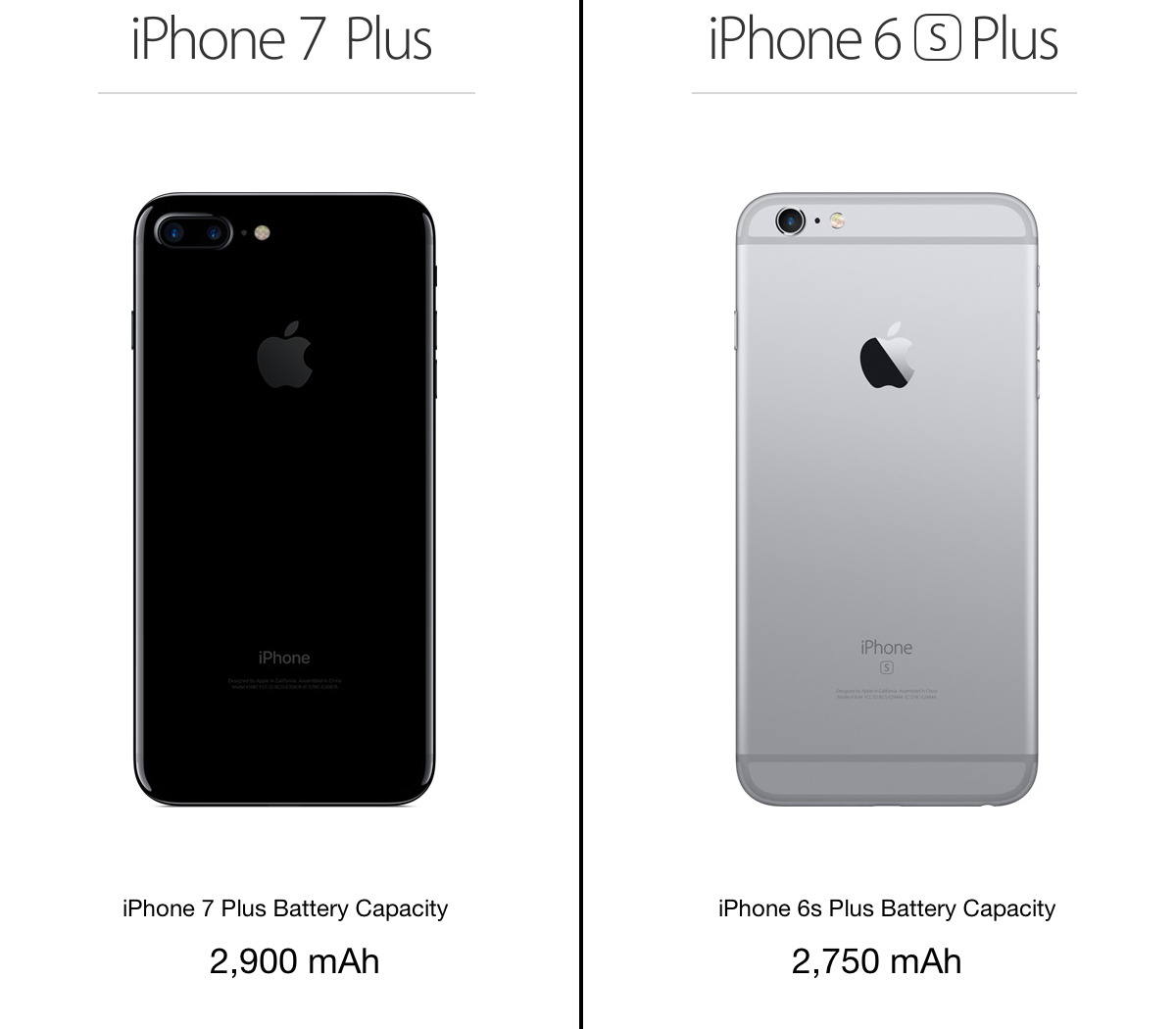
The iPhone 7 Plus features a 5.5-inch (diagonal) widescreen LCD Multi-Touch display with IPS technology. It provides a native resolution of 1920-by-1080 pixels at a density of 401 pixels per inch (ppi). In 2026, this 16:9 aspect ratio display remains a hallmark of Apple’s classic design era, balancing high-definition clarity with a substantial physical footprint.
The Architecture of the 5.5-Inch Retina HD Display
When Apple introduced the 5.5-inch screen on the iPhone 7 Plus, it represented the pinnacle of their Liquid Crystal Display (LCD) engineering. Unlike the OLED panels found in contemporary 2026 models, the iPhone 7 Plus utilizes a Retina HD display powered by In-Plane Switching (IPS) technology. This specific architecture was designed to provide wide viewing angles and accurate color reproduction, which were essential for the "Plus" line's positioning as a device for photographers and media enthusiasts.
The "5.5-inch" measurement refers specifically to the diagonal distance from one corner of the viewable screen area to the opposite corner. However, the screen's utility is defined more by its 1920-by-1080 resolution. This "Full HD" standard ensures that 1080p video content scales perfectly without letterboxing or stretching, a distinct advantage over some modern, taller aspect ratios that require cropping to fill the screen.
Pixel Density and Visual Clarity
At 401 pixels per inch (ppi), the iPhone 7 Plus offers a higher pixel density than the standard iPhone 7 (which sat at 326 ppi). In the context of 2026, while we now see displays exceeding 450 or 500 ppi, the 401 ppi threshold remains the "sweet spot" for many users. At a standard viewing distance, the human eye is generally unable to distinguish individual pixels at this density. This makes the 5.5-inch screen exceptionally sharp for reading fine text and viewing high-resolution images captured by the device’s dual-camera system.
Physical Dimensions vs. Screen Size: The Bezel Factor
It is important to distinguish between the screen size and the physical dimensions of the device. Although the display is 5.5 inches, the iPhone 7 Plus is significantly larger than modern 2026 iPhones with even larger screens. This is due to the "forehead" and "chin"—the substantial bezels at the top and bottom of the display.
The top bezel houses the FaceTime HD camera, the earpiece, and various sensors (proximity and ambient light). The bottom bezel contains the iconic solid-state Home button with the second-generation Touch ID sensor. These structural elements mean that the device has a physical height of 6.23 inches (158.2 mm) and a width of 3.07 inches (77.9 mm).
For users in 2026, holding an iPhone 7 Plus provides a different ergonomic experience than a modern "all-screen" device. The 16:9 ratio makes the phone wider in the hand, which some users prefer for stability during two-handed typing, though it makes one-handed use challenging for those with smaller hands.
Color Accuracy and the P3 Wide Color Gamut
One of the most significant upgrades to the iPhone 7 Plus screen compared to its predecessors was the introduction of the P3 wide color gamut. Standard displays typically use sRGB, but the P3 gamut provides a 25% larger color space. This allows the 5.5-inch screen to display more vibrant greens and reds, making photographs look more true-to-life.
In 2026, color accuracy is a standard requirement for mobile devices, but the iPhone 7 Plus was one of the first to bring cinema-standard color to a handheld screen. The display also features a 1300:1 contrast ratio and a maximum brightness of 625 nits (typical). While this brightness level is lower than the 2,000+ nit peaks found on modern outdoor-viewable displays, it remains sufficient for most indoor environments and moderate outdoor light.
Dual-Domain Pixels
To improve viewing angles, Apple employed "dual-domain pixels." This involves a slight tilting of the pixels within the LCD matrix, which compensates for the color shift and contrast loss that typically occurs when viewing an LCD screen from an angle. This technical detail is why the iPhone 7 Plus screen remains legible and color-accurate even when the phone is resting flat on a desk or viewed from the side.
3D Touch: The Hidden Layer Under the Glass
A defining feature of the iPhone 7 Plus screen assembly is 3D Touch. Unlike the haptic touch used in later models, 3D Touch utilized a layer of capacitive pressure sensors integrated directly into the display's backlight. This allowed the screen to sense the specific amount of force applied by the user’s finger.
In 2026, 3D Touch is largely considered a "legacy" technology, as Apple transitioned to Haptic Touch (long-press) to simplify screen manufacturing and reduce thickness. However, for enthusiasts using the iPhone 7 Plus, 3D Touch provides a tactile "peek and pop" experience that feels more instantaneous than modern software-based long-press gestures. This hardware-level integration means that the iPhone 7 Plus screen assembly is more complex and thicker than standard LCDs from that era.
Technical Specifications Comparison
To better understand how the 5.5-inch iPhone 7 Plus screen sits within the historical and modern landscape, the following table compares it with its predecessor and a modern equivalent.
| Feature | iPhone 6s Plus | iPhone 7 Plus | iPhone 15 Plus (Comparison) |
|---|---|---|---|
| Display Size | 5.5 inches | 5.5 inches | 6.7 inches |
| Technology | Retina HD (LCD) | Retina HD (LCD) | Super Retina XDR (OLED) |
| Resolution | 1920 x 1080 | 1920 x 1080 | 2796 x 1290 |
| Pixel Density | 401 ppi | 401 ppi | 460 ppi |
| Max Brightness | 500 nits | 625 nits | 1000 nits (typ) / 2000 (peak) |
| Color Gamut | Full sRGB | Wide Color (P3) | Wide Color (P3) |
| Contrast Ratio | 1300:1 | 1300:1 | 2,000,000:1 |
| Special Feature | 3D Touch | 3D Touch | Dynamic Island |
Practical Implications for Media and Productivity
The 5.5-inch screen of the iPhone 7 Plus was originally marketed as a "Pro" canvas before the Pro branding was officially adopted for iPhones. For users in 2026, this screen size continues to offer several practical benefits for specific use cases.
Video Playback and Aspect Ratio
Most professional video content, including television shows and the majority of YouTube content, is produced in a 16:9 aspect ratio. On modern 19.5:9 or 20:9 screens, these videos either have black bars on the sides or must be zoomed in (losing parts of the image) to fill the screen. On the iPhone 7 Plus, a 1080p video fills the entire 5.5-inch area perfectly. This makes it an excellent dedicated device for media consumption, even a decade after its release.
Split-View and Landscape Productivity
The "Plus" models were unique in that they allowed for a "Landscape" mode on the home screen and within certain apps. Because of the 5.5-inch width, apps like Mail, Messages, and Settings could display a two-pane interface in landscape orientation—similar to an iPad. While this feature was phased out in later "all-screen" models to accommodate the notch and Home Indicator, it remains a functional advantage for the iPhone 7 Plus for users who perform heavy text editing or email management.
Screen Maintenance and Replacement in 2026
As the iPhone 7 Plus is now a vintage device, maintaining the screen requires specific knowledge of its components. Because the 3D Touch sensors, the LCD, and the digitizer are fused together, a cracked screen usually requires the replacement of the entire display assembly.
OEM vs. Third-Party Displays
When seeking repairs in 2026, users will encounter two main types of replacement screens:
- Original Equipment Manufacturer (OEM) Pulls: These are screens taken from other iPhone 7 Plus units. They offer the best color accuracy and 3D Touch reliability.
- Aftermarket LCDs: These are often cheaper but may have lower brightness, cooler (bluer) color temperatures, and less responsive touch sensitivity. Some aftermarket screens may also lack the 3D Touch functionality entirely, reverting to standard touch.
It is also vital to remember that the iPhone 7 Plus features a fingerprint-resistant oleophobic coating. Over years of use, this coating wears off, making the screen more prone to smudges. Modern screen protectors with their own oleophobic layers are highly recommended for older devices to restore that "smooth" feel.
Common Issues and Troubleshooting
Despite its robust build, the 5.5-inch display can face certain age-related issues in 2026:
- Backlight Bleeding: Since this is an LCD, the backlight can occasionally leak around the edges of the frame, especially if the device has been dropped or the adhesive is failing.
- Touch Disease / IC Issues: While more common on the iPhone 6 Plus, the iPhone 7 Plus can occasionally suffer from touch insensitivity due to motherboard flexion. However, on the 7 Plus, this is more frequently related to the "Audio IC" loop disease, which can sometimes present as a frozen screen during boot.
- Yellowing: Older LCD panels may develop a slight yellow tint over time due to the degradation of the adhesive or the backlight LEDs. This can sometimes be mitigated by adjusting the Color Filters in the iOS Accessibility settings.
Frequently Asked Questions
Is the iPhone 7 Plus screen 4K?
No, the iPhone 7 Plus screen is 1080p Full HD (1920 x 1080). While it can play back 4K video files by downscaling them, the physical pixels on the screen cannot display a 4K resolution. In 2026, 1080p is still the standard for high-definition mobile streaming, and on a 5.5-inch screen, the difference between 1080p and 4K is virtually indistinguishable to the naked eye.
Does the iPhone 7 Plus screen support HDR?
The iPhone 7 Plus does not have a native HDR (High Dynamic Range) display. It lacks the peak brightness and the local dimming capabilities (or pixel-level control of OLED) required for HDR10 or Dolby Vision standards. However, because it supports the P3 Wide Color Gamut, it can display more colors than an average sRGB screen, offering a "pseudo-HDR" effect for photos.
Can I use an iPhone 8 Plus screen on an iPhone 7 Plus?
While the screens are both 5.5 inches and look identical, they are not interchangeable. The internal connectors and the way the display interacts with the motherboard differ. Additionally, the iPhone 8 Plus screen supports True Tone, a feature that requires sensors not present in the iPhone 7 Plus assembly. Attempting to swap them can result in permanent damage to the logic board connectors.
How do I fix a "dim" iPhone 7 Plus screen in 2026?
First, check if "Auto-Brightness" is enabled in Settings > Accessibility > Display & Text Size. If the screen is still dim, check the White Point settings in the same menu. Over time, the backlight LEDs can also lose their maximum luminance. If the screen is significantly dimmer than it used to be, a backlight hardware failure may be imminent, requiring a screen replacement.
Is 5.5 inches big enough for gaming in 2026?
The 5.5-inch 16:9 screen provides a wider field of view for many legacy games than the taller, narrower screens of modern phones. However, because the iPhone 7 Plus is limited to iOS 15, it may not run the latest 2026 AAA mobile titles. For retro gaming and standard titles available on its firmware, the screen size is more than adequate.
Recommendations for 2026 Users
If you are using or purchasing an iPhone 7 Plus in 2026, the 5.5-inch display is its greatest asset for media and its greatest liability for ergonomics. To get the most out of the screen, ensure you are viewing content in its native 1080p resolution. If you are performing a repair, prioritize an OEM refurbished screen to preserve the P3 color accuracy and the tactile feel of 3D Touch. While the bezels may look dated compared to the edge-to-edge displays of 2026, the 16:9 5.5-inch canvas remains a reliable, high-quality window into your digital content.