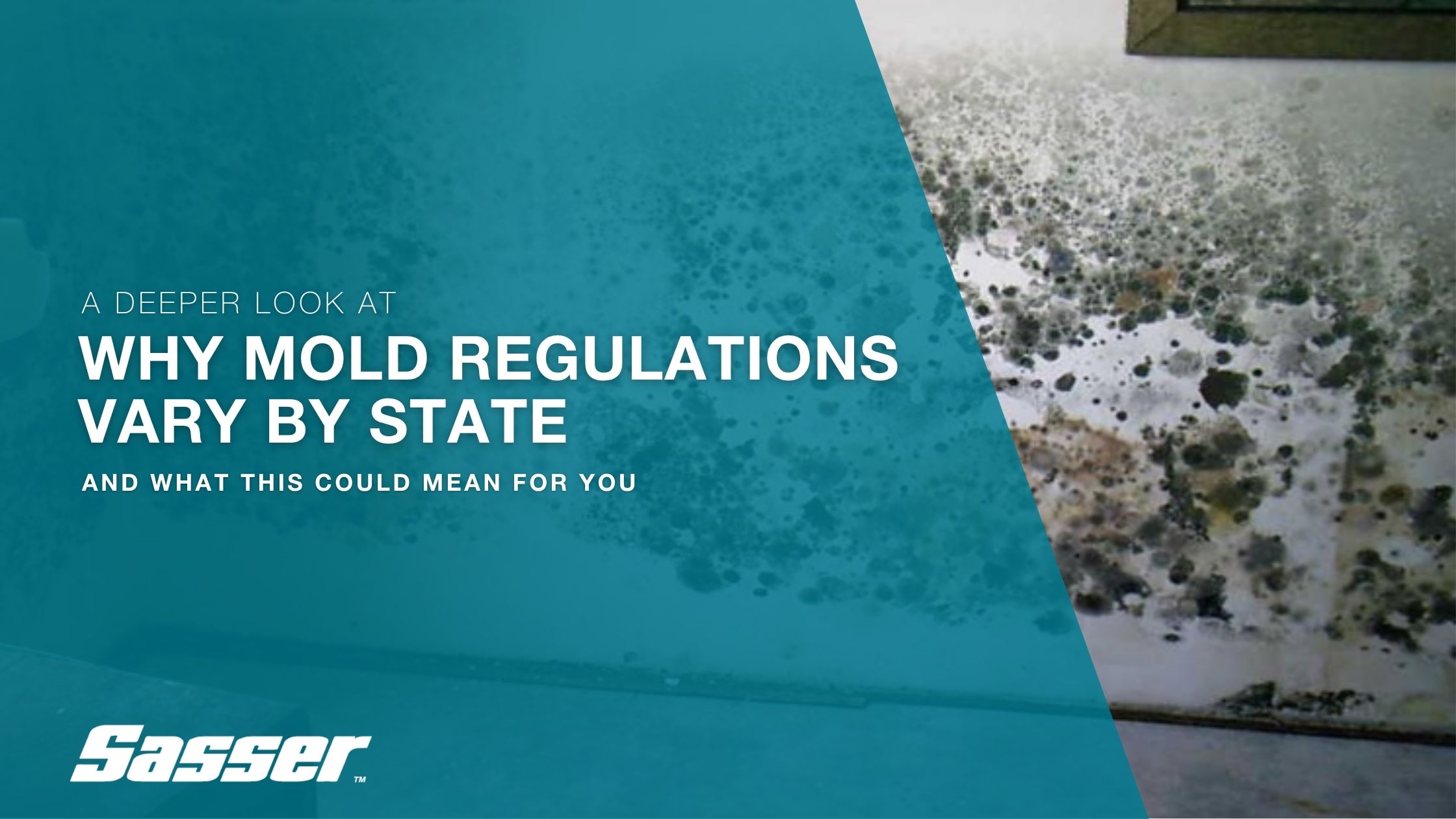
Navigating 3D mold remediation requires adherence to strict industry definitions, consensus standards like IICRC S520, and rigorous documentation practices. These protocols ensure fungal contamination is safely contained, physically removed, and verified through post-remediation validation to protect building structural integrity and occupant health.
Understanding the Scope of 3D Mold Remediation
The term "3D mold remediation" frequently intersects with advanced spatial assessment, three-dimensional moisture mapping, and comprehensive indoor environmental protocols. To understand how remediation professionals approach fungal contamination, one must first deconstruct the core terminology. Mold remediation is not merely the application of bleach or antimicrobial spray; it is a systematic engineering and biological control process designed to return a structure to its normal fungal ecology (Condition 1).
In modern environmental engineering and property restoration, addressing mold damage demands strict adherence to defined physical states. According to the Institute of Inspection Cleaning and Restoration Certification (IICRC) S520 Standard for Professional Mold Remediation, environments are categorized into three distinct conditions:
- Condition 1: Normal fungal ecology, where levels and types of fungi are comparable to what is found outside or inside an uncontaminated control area.
- Condition 2: Settled spores, where an area is not actively growing mold, but high concentrations of settled spores are present due to amplification nearby.
- Condition 3: Actual growth, where active fungal colonization is occurring on building materials, contents, or HVAC components.
When professionals integrate three-dimensional (3D) methodologies into this framework, they typically refer to advanced diagnostic imaging, spatial laser scanning, or thermal hygrometric modeling. A 3D moisture map, for example, allows technicians to visualize water migration paths behind drywall, beneath subfloors, and within ceiling cavities. This spatial clarity prevents hidden moisture pockets from fueling future fungal blooms, ensuring that the root cause of the contamination is systematically eliminated rather than superficially masked.
Industry Standards Governing Fungal Remediation
Executing professional mold mitigation requires strict compliance with recognized consensus standards and regulatory guidelines. Without these benchmarks, remediation efforts risk cross-contamination, incomplete removal, and severe health hazards for both technicians and building occupants.
The IICRC S520 Standard
The IICRC S520 serves as the foundational American National Standards Institute (ANSI) accredited standard for professional mold remediation. It establishes procedural guides for the inspection, sampling, containment, removal, and clearance of mold-damaged environments. Key elements mandated by the S520 include:
- Establishing containment zones utilizing negative air pressure to prevent the migration of airborne spores into unaffected areas of the building.
- Determining the condition of the structure and writing a site-specific remediation plan prior to physical disruption.
- Utilizing appropriate engineering controls, personal protective equipment (PPE), and HEPA-filtered air filtration devices (AFDs).
- Executing material disposition decisions based on cleanability, structural integrity, and porosity.
EPA and OSHA Guidelines
In addition to the IICRC standards, restoration professionals must align their operational safety with guidelines set by the United States Environmental Protection Agency (EPA) and the Occupational Safety and Health Administration (OSHA). The EPA publication Mold Remediation in Schools and Commercial Buildings provides foundational advice on cleaning porous versus non-porous materials. Meanwhile, OSHA enforces strict workplace safety standards, including respiratory protection programs (29 CFR 1910.134), hazard communication, and personal protective equipment mandates to protect workers from bioaerosols and chemical agents.
| Standard / Agency | Primary Focus | Key Operational Requirement |
|---|---|---|
| IICRC S520 | Professional mold remediation procedures | Establishes conditions (1, 2, 3), containment protocols, and clearance criteria. |
| EPA Guidelines | Building envelope health and cleanability | Outlines material classification and moisture control strategies. |
| OSHA Standards | Worker safety and health protection | Mandates respiratory protection, hazard communication, and proper PPE use. |
| ASTM Standards | Testing and material evaluation | Provides standardized methods for assessing water damage and fungal growth. |
The Step-by-Step Remediation Process
Effective mold remediation follows a strict sequential workflow. Skipping steps or altering the sequence invariably leads to project failure, re-contamination, and increased financial liability for property owners.
1. Preliminary Assessment and Moisture Mapping
Before any physical containment is erected, a comprehensive assessment must take place. Qualified indoor environmental professionals (IEPs) or certified restorers utilize thermal imaging, moisture meters, and hygrometers to track the water intrusion source. By building a three-dimensional mental or digital model of how moisture traveled through the building envelope, technicians can pinpoint hidden reservoirs of humidity and microbial amplification.
2. Containment and Engineering Controls
Once the affected zones are mapped, physical barriers of 6-mil polyethylene sheeting are erected to isolate the work area. Negative air pressure is established using HEPA-filtered air scrubbers vented to the exterior. This ensures that when containment barriers are breached or materials are disturbed, fugitive spores are captured rather than distributed throughout the property. Air exchange rates within the containment zone are carefully calculated to maintain negative pressure differential standards (typically -0.02 inches of water column relative to adjacent spaces).
3. Removal, Cleaning, and HEPA Vacuuming
Porous materials with heavy fungal colonization—such as drywall, insulation, and heavily impacted carpet—must be safely bagged, sealed, and removed as construction debris. Semi-porous and non-porous materials (such as framing lumber, structural concrete, and metal framing) can often be cleaned. Technicians employ HEPA vacuuming to remove dry, loose spores, followed by damp wiping with appropriate cleaning agents and fungistats. Abrasive blasting techniques (such as dry ice or soda blasting) may be deployed for larger structural framing components experiencing Condition 3 growth.
4. Verification and Clearance Testing
Following physical cleaning and structural drying, the remediation area must pass post-remediation verification (PRV), often referred to as clearance testing. Independent IEPs conduct visual inspections and air or surface sampling. The space must return to Condition 1 status, meeting baseline spore counts and cleanliness criteria before containment barriers can be safely dismantled.
Documentation Requirements for Quality Assurance
Thorough documentation is vital for legal protection, insurance indemnification, health tracking, and quality assurance. A comprehensive remediation record provides a transparent audit trail from the initial loss event to final clearance.
Essential Components of a Remediation File
A legally defensible and thorough remediation dossier should include:
- Initial Loss Report and Work Plan: Detailed notes outlining the date of discovery, structural layout, suspected moisture sources, and a step-by-step remediation protocol.
- Moisture Logs: Daily psychrometric readings, relative humidity measurements, temperature logs, and moisture meter readings confirming that structural drying goals have been achieved.
- Photographic and Video Evidence: High-resolution chronological images documenting pre-remediation damage, containment erection, material removal, cleaning phases, and post-remediation conditions.
- Chain of Custody (CoC) Forms: Documentation accompanying any air, swab, or spore trap samples sent to an accredited microbiology laboratory (such as an AIHA-LAP, LLC accredited facility).
- Clearance Certificate: Written sign-off from an independent indoor environmental professional certifying that the area has met predetermined clearance criteria.
Common Pitfalls and Troubleshooting in Mold Projects
Even with established standards, remediation projects frequently encounter operational hurdles that can derail timelines and compromise project integrity.
Failure to Address the Root Moisture Source
The single most common mistake in mold remediation is treating the biological symptom while ignoring the hydrological cause. Applying antimicrobials to a basement wall will yield temporary results at best if foundation drainage issues, plumbing leaks, or bulk water intrusion are not simultaneously corrected. Restorers must ensure the building envelope is watertight before reconstructing finishes.
Cross-Contamination via Improper Containment
Inadequate negative pressure or premature dismantling of containment barriers frequently results in cross-contamination, spreading mold spores into previously clean areas of a building. Technicians must utilize manometer gauges to continuously monitor negative pressure differentials and perform smoke tests to verify containment integrity.
Premature Build-Back and Reconstruction
Rebuilding interior finishes before the underlying structural framing has achieved equilibrium moisture content (EMC) is a recipe for secondary fungal blooms. Wood framing should generally be dried to baseline moisture levels (typically below 16% for framing lumber, depending on regional equilibrium) verified via pin-type moisture meters before drywall or insulation is reinstalled.
Frequently Asked Questions
What is the difference between mold remediation and mold removal?
Mold removal implies that 100% of all mold has been eradicated, which is a physical impossibility given that mold spores are ubiquitous in the natural environment. Mold remediation focuses on safely controlling, containing, and reducing mold levels back to normal background ecology (Condition 1) while eliminating the moisture source that caused the growth.
Who should perform clearance testing after remediation?
Post-remediation verification and clearance testing should always be performed by an independent Indoor Environmental Professional (IEP) who has no financial or operational ties to the remediation contractor. This separation of duties prevents conflicts of interest and ensures objective, credible data for property owners and insurance providers.
How does 3D moisture mapping improve remediation accuracy?
Traditional moisture detection often relies on spot checks with surface meters, which can miss water tracked deep within wall cavities. 3D moisture mapping combines thermal imaging, psychrometric data, and spatial documentation to create a volumetric profile of moisture distribution, ensuring no damp areas are left unaddressed.
What are the health risks associated with Condition 3 mold environments?
Condition 3 environments feature active fungal colonization, releasing high concentrations of spores, mycotoxins, and microbial volatile organic compounds (MVOCs) into the air. Prolonged exposure can trigger allergic reactions, asthma attacks, hypersensitivity pneumonitis, and severe respiratory irritation, particularly in immunocompromised individuals.
Are homeowners allowed to perform DIY mold remediation?
According to EPA guidelines, remediation of areas under 10 square feet can typically be managed safely by property owners using proper PPE and containment. However, areas exceeding 10 square feet, HVAC contamination, or situations involving sewage backups and hazardous materials require certified professional remediation contractors.
Conclusion and Next Actions
Successfully navigating 3D mold remediation requires strict adherence to industry standards, comprehensive diagnostic planning, and meticulous documentation. Property owners facing fungal contamination should immediately identify and halt water intrusion sources, verify that contractors follow IICRC S520 guidelines, and insist on independent third-party clearance testing before beginning any reconstruction work.