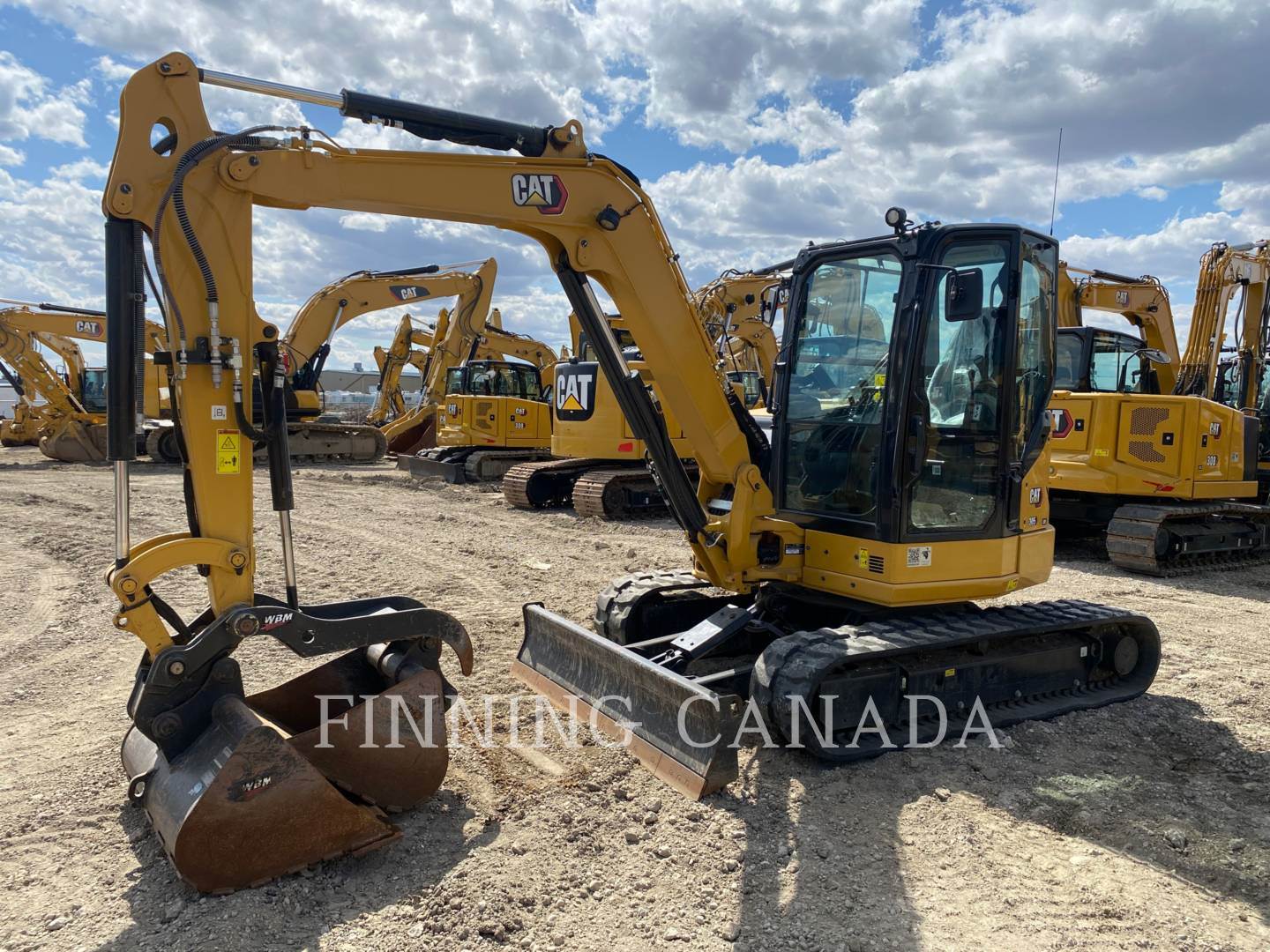
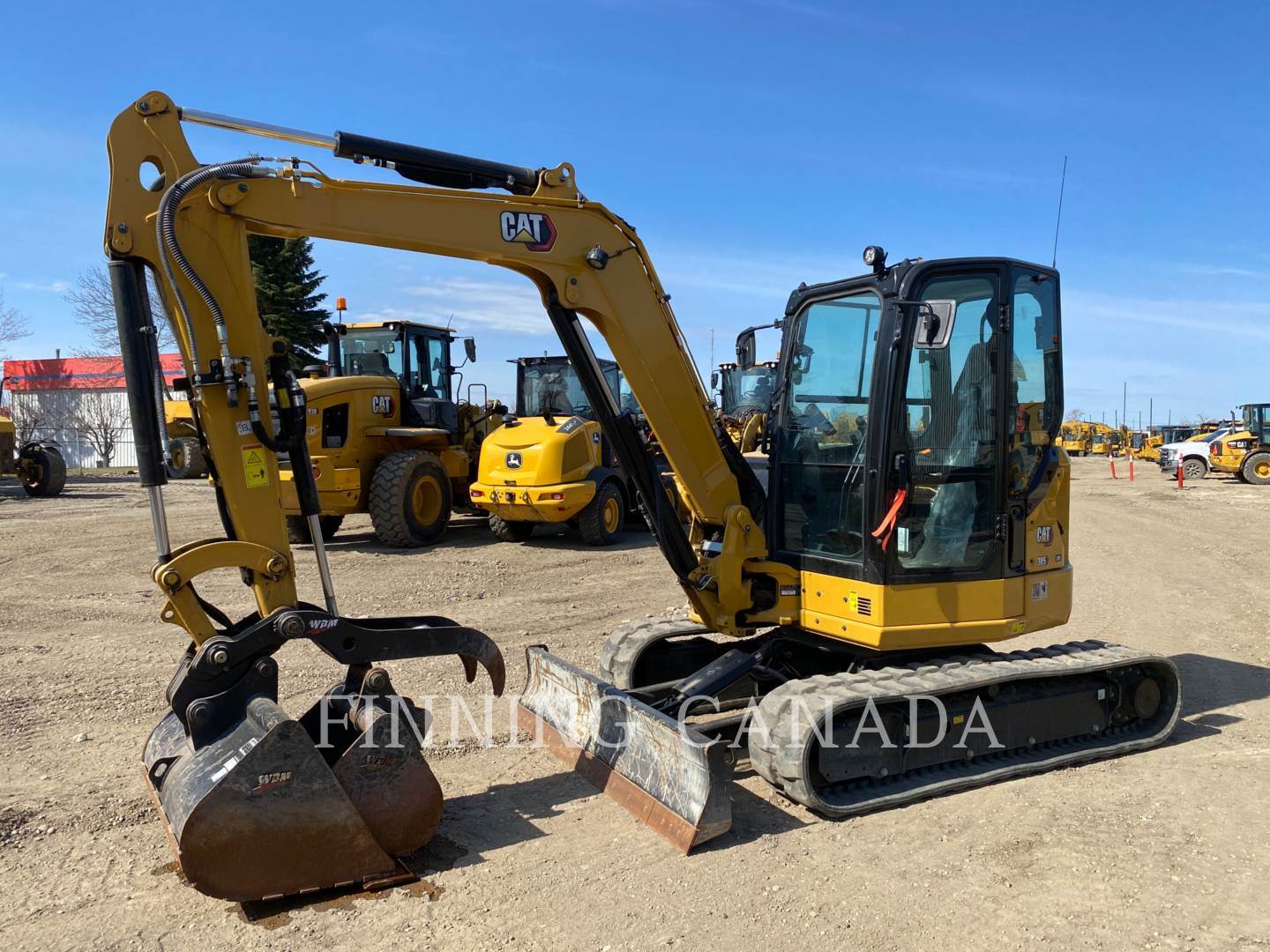
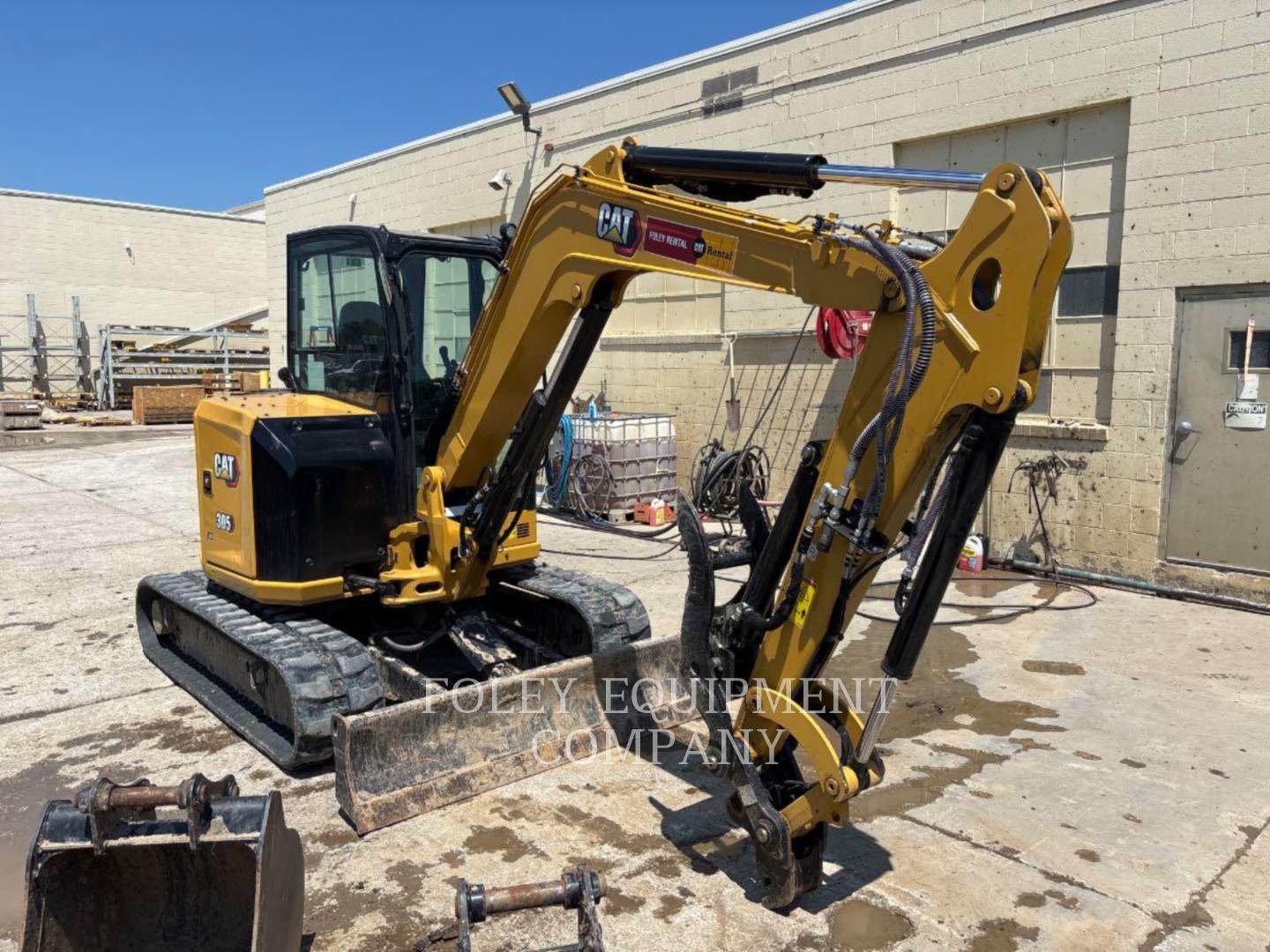
The operating weight of a Caterpillar 305 excavator typically ranges from approximately 11,000 to 13,000 pounds (5,000 to 6,000 kilograms), varying by specific generation, canopy or cab configuration, and equipped attachments. Understanding this weight is critical for selecting the correct transport trailer, ensuring jobsite ground pressure safety, and configuring the machine for specific utility and construction tasks.
Introduction to the Caterpillar 305 Excavator Line
When contractors, owner-operators, and equipment rental companies look at compact machinery, the 5-metric-ton class represents a sweet spot in the market. Machines in this category deliver the heavy-duty digging power of a conventional earthmover while maintaining the tail-swing characteristics and footprint needed for tight residential, commercial, and municipal jobsites. Within the Caterpillar lineup, the 305 series—spanning older iterations like the 305.5 up to modern next-generation models such as the 305 CR (Compact Radius)—is a staple for utility trenching, landscaping, and foundation work.
However, moving, operating, and maintaining a machine of this scale requires precise knowledge of its physical mass. Equipment weight is not a single, static figure; it changes based on whether the machine has an enclosed air-conditioned cab or an open canopy, the type of tracks installed (rubber versus steel), the size of the bucket, and whether additional counterweights or long-reach arms are fitted. This guide breaks down the structural components, operational variations, transport mathematics, and jobsite implications of the 305 Cat excavator weight.
Defining Machine Weight: Operating Weight vs. Transport Weight
To understand how heavy a Cat 305 is, you must first distinguish between standard industry weight classifications. Manufacturers like Caterpillar publish multiple weight metrics for every excavator model, and confusing them can lead to overloaded trailers, legal violations on public highways, or unexpected ground disturbance.
Operating Weight
The operating weight is the total mass of the excavator ready to work. According to ISO 6016 standards, this metric includes:
- A fully fueled tank (100% capacity).
- All operational fluids, including hydraulic oil, engine coolant, and lubricants.
- A standard operator (typically calculated at 165 lbs or 75 kg).
- A standard digging bucket.
- A standard undercarriage configuration (such as rubber tracks).
For a modern Caterpillar 305-class machine, the operating weight generally hovers around 11,500 to 12,800 pounds (5,200 to 5,800 kilograms). This is the figure you reference when calculating ground bearing pressure, soil compaction limits, or whether a bridge or slab can support the machine while it works.
Transport Weight (Shipping Weight)
The transport weight—sometimes referred to as shipping weight—is significantly lower because it strips away variables like the operator, optional attachments, and occasionally a full tank of fuel. This metric measures the excavator in its barest configuration suitable for loading onto a flatbed trailer. When reviewing a spec sheet, always verify whether the stated transport weight includes the bucket, the blade, and the tracks, as these components still add substantial heft.
Evolution of the 305 Series: Weight Changes Across Generations
Caterpillar has refined the 5-ton compact excavator class across multiple generations. Machine weights have shifted slightly as emissions standards, structural reinforcement, and operator comfort features (such as pressurized cabs and advanced digital displays) have evolved.
Older Generations (e.g., Cat 305.5 and Early 305 Models)
Older iterations of the mid-size Cat mini excavator often carried designations like the 305.5 (indicating a weight class closer to 5.5 metric tons). These machines typically featured mechanical or early electronic injection engines and simpler hydraulic layouts. Their operating weights generally ranged from 11,200 lbs to 11,800 lbs. While slightly lighter in their base configurations, they lacked some of the heavy-duty structural reinforcements and counterweight options found on later models.
Modern Next-Generation Models (e.g., Cat 305 CR)
Modern next-generation compact excavators, such as the Cat 305 CR (Compact Radius), are engineered to deliver maximum performance within a tight tail-swing envelope. To achieve greater digging forces and stability without increasing the physical footprint, modern models feature optimized heavy-duty frames and integrated counterweights. Consequently, a modern Cat 305 CR with a full cab often tips the scales closer to the 12,200 to 12,800 lb (5,500 to 5,800 kg) mark.
Key Factors That Alter the Weight of a Cat 305
Two identical model designations can roll off the assembly line with noticeable weight discrepancies. If you are calculating towing requirements or lifting capacities, you must account for the specific options installed on the unit.
- [Base Machine: Cat 305 Chassis]
- Canopy vs. Enclosed Cab (+300 to 500 lbs)
- Rubber Tracks vs. Steel Tracks (+200 to 400 lbs)
- Standard Arm vs. Long Stick (+150 to 300 lbs)
- Additional Counterweight (+200 to 500 lbs)
Cab vs. Canopy Configurations
Choosing an enclosed, climate-controlled cab over an open canopy adds significant weight to the upper structure. Glass panels, steel door frames, heating cores, and air conditioning compressors add roughly 300 to 500 pounds to the machine's overall mass. While the canopy variant is lighter and lowers the center of gravity slightly, the cab version is standard for all-weather operations.
Undercarriage and Track Options
The type of tracks installed impacts both transport weight and ground pressure:
- Rubber Tracks: The standard choice for urban, asphalt, and landscaped environments. They offer a lighter overall footprint and minimize surface damage.
- Steel Tracks / Segmented Rubber Pads: Often utilized in demolition, rocky terrain, or scrap-handling applications. Steel chains and shoes add dead weight to the undercarriage, increasing overall machine weight by 200 to 400 pounds while improving durability in harsh soils.
Boom and Stick Variations
Most compact excavators offer a standard stick length, but long-reach configurations are sometimes specified for deep utility trenching or specialized grading. A longer dipper arm requires structural steel reinforcement, adding weight to the working end of the machine and altering lifting charts.
Attachments (Buckets, Augers, and Hydraulic Hammers)
The factory bucket weight is factored into standard operating specs, but switching attachments alters the load dynamics:
- Standard Digging Buckets: Typically weigh between 250 and 400 pounds depending on width and teeth configuration.
- Hydraulic Breakers / Hammers: Significantly heavier, often weighing upwards of 600 to 900 pounds, requiring operators to factor in both total weight and front-end moment loads.
- Tiltrotators and Augers: Add complex hydraulic weight and extend the center of gravity outward.
Comparison of Cat 305 Weight Specifications
To visualize how different configurations affect the machine, review the following representative weight matrix for a modern 5-metric-ton Cat compact excavator class.
| Configuration Element | Typical Weight Addition | Resulting Total Operating Weight Range | Primary Operational Impact |
|---|---|---|---|
| Base Canopy Model (Rubber Tracks) | Baseline (approx. 11,500 lbs) | 11,500 – 11,800 lbs (5,216 – 5,352 kg) | Easiest to tow on light-duty trailers; lower center of gravity. |
| Enclosed Cab Model (Rubber Tracks) | +350 to +500 lbs | 11,850 – 12,300 lbs (5,375 – 5,579 kg) | Increases overall mass; provides operator protection and climate control. |
| Enclosed Cab + Steel Tracks | +600 to +800 lbs | 12,100 – 12,800 lbs (5,488 – 5,805 kg) | Maximum durability in rocky terrain; higher transport requirements. |
| Heavy Counterweight Option | +250 to +400 lbs | Adds to upper structure mass | Improves lifting capacity over the side; increases total transport load. |
Transport and Towing Requirements
Knowing the exact weight of a 305 Cat excavator is vital for legal highway transport. Failing to match the machine with the appropriate towing vehicle and trailer can result in severe fines, safety hazards, and mechanical failure.
Trailer Selection
Because a Cat 305 typically weighs between 11,500 and 13,000 lbs fully configured, you cannot use a standard light-duty utility trailer.
- Trailer Capacity: You require a dual-axle or triple-axle equipment trailer with a Gross Vehicle Weight Rating (GVWR) of at least 14,000 to 16,000 pounds.
- Payload Margin: Always calculate the dead weight of the trailer itself. A heavy-duty deck-over or gooseneck equipment trailer often weighs 3,000 to 4,500 pounds empty. Combined with a 12,500-lb excavator, your total towed load will easily exceed 16,000 to 17,000 pounds.
Tow Vehicle Class
Towing a loaded 5-ton excavator safely requires a heavy-duty truck.
- Class Requirements: A standard half-ton pickup truck (such as a Ford F-150 or Chevy Silverado 1500) is entirely inadequate and unsafe for this payload.
- Recommended Setup: At minimum, a 3/4-ton (F-250 / 2500) truck is required, while a 1-ton dually (F-350 / 3500) or medium-duty commercial truck provides the necessary braking capacity, cooling performance, and tongue-weight distribution for highway speeds. Always verify local Department of Transportation (DOT) regulations regarding commercial driver's license (CDL) thresholds, as combined gross vehicle weight ratings (CGWR) often cross regulatory lines at 26,001 pounds.
Ground Pressure and Jobsite Considerations
Beyond transport, machine weight dictates how the excavator interacts with the ground during operation.
Ground Bearing Pressure (GBP)
Ground bearing pressure measures how much force the tracks exert on the soil per square inch (psi). Because the 305 distributes its ~12,000-lb mass across wide rubber tracks, its ground pressure is remarkably low—often ranging between 4.5 and 5.5 psi.
For context, a human foot exerts roughly 10 to 15 psi of pressure on the ground. This low ground pressure allows the Cat 305 to work across finished lawns, delicate residential turf, and soft sub-grades without sinking or causing excessive ruts, provided the operator avoids aggressive pivot turns that can tear up sod.
Slab and Basement Work
When working on elevated concrete structures, parking decks, or inside residential basements where backfilling is underway, structural engineers must verify that the point load and travel weight do not exceed design thresholds. The concentrated load of a 5-ton machine requires careful routing over shoring or reinforced concrete zones.
Frequently Asked Questions
How much does a Cat 305 excavator weigh?
A modern Cat 305 excavator typically weighs between 11,500 and 12,800 pounds (5,200 to 5,800 kilograms) in standard operating condition. The exact weight depends heavily on whether the machine is equipped with an open canopy or an enclosed cab, the track material, and attached buckets.
Can I tow a Cat 305 with a half-ton pickup truck?
No. A half-ton pickup truck lacks the payload capacity, braking strength, and suspension ratings required to tow a 12,000-pound excavator plus a heavy equipment trailer. Transporting a Cat 305 safely requires at least a 3/4-ton or 1-ton truck with an appropriately rated dual-axle trailer.
Does the Cat 305 require a CDL to haul?
Whether a Commercial Driver's License (CDL) is required depends on the combined Gross Combined Weight Rating (GCWR) of your tow vehicle and trailer. If the total GCWR exceeds 26,000 pounds and you are operating in interstate commerce, a CDL is typically required under federal transportation guidelines. Check your state and local regulations for exact enforcement thresholds.
What is the difference between operating weight and shipping weight?
Operating weight includes a full tank of fuel, all hydraulic and engine fluids, a standard bucket, and an operator. Shipping (transport) weight strips away variable items like the operator and fuel, measuring the base machine configured for transport on a trailer.
Does adding a cab make the excavator heavier?
Yes. Choosing an enclosed, air-conditioned cab over an open canopy adds approximately 300 to 500 pounds of steel, glass, and climate-control hardware to the upper structure of the machine.
Conclusion and Next Actions
Accurate weight management is the foundation of safe equipment transport, legal compliance, and efficient jobsite execution. Before moving or operating a Caterpillar 305 excavator, always inspect the specific serial number plate or manufacturer decal on the machine to verify its exact configured weight. Pair the machine with a heavy-duty trailer and a properly rated tow vehicle, and consult local transport regulations to ensure safe transit to your next jobsite.