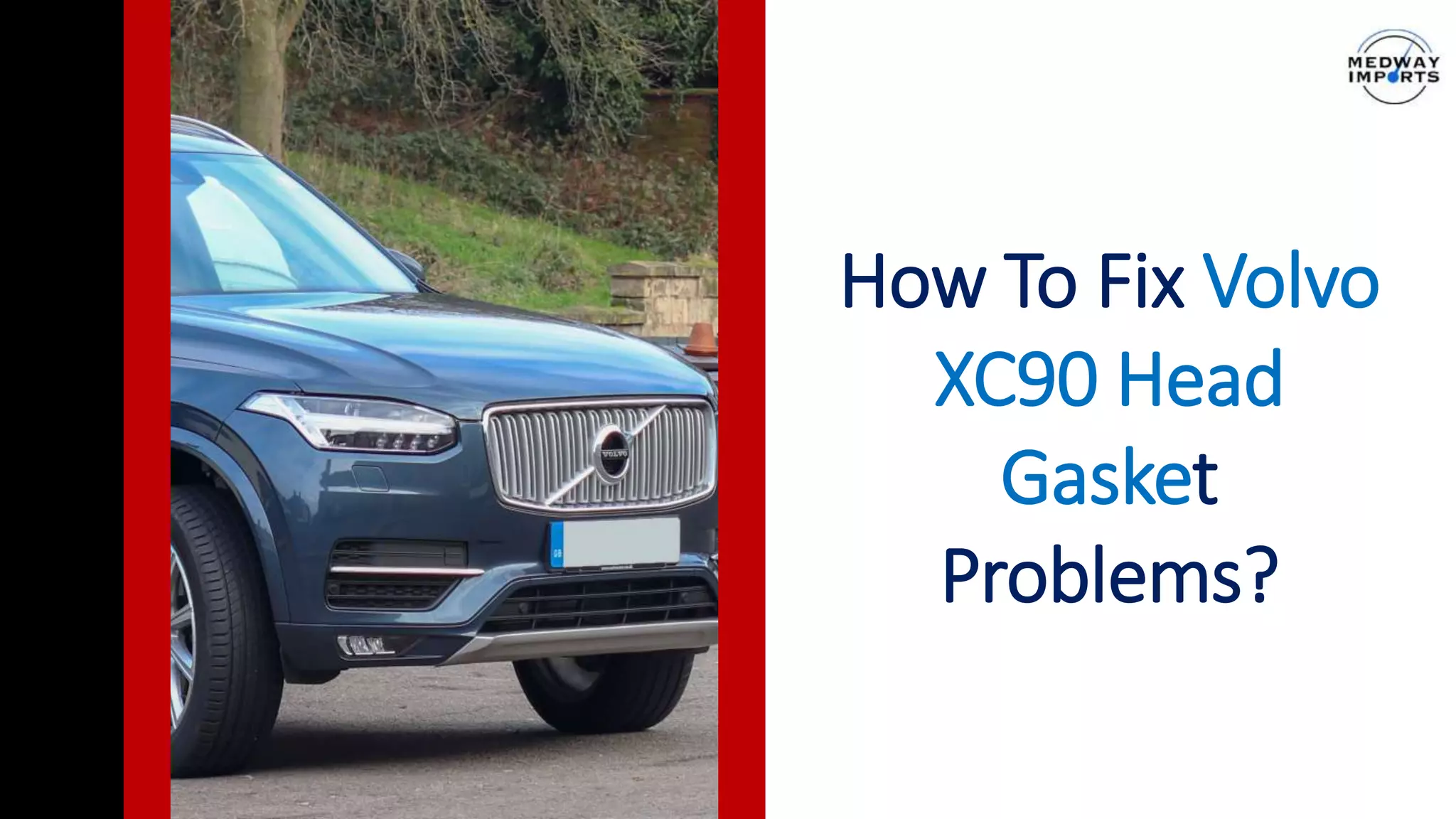
The Volvo XC90 has long been a benchmark for luxury family SUVs, celebrated for its safety innovations and Scandinavian design. However, its history is marked by specific transmission vulnerabilities that vary significantly across its two main generations. The three most prevalent Volvo XC90 transmission problems include the catastrophic failure of the GM-sourced 4-speed automatic in early T6 models, valve body malfunctions in the 6-speed Aisin-Warner units, and software-driven shift irregularities in the modern 8-speed transmissions.
Understanding these issues requires looking at the specific engineering choices Volvo made for different powertrains. While many XC90s reach high mileages with minimal trouble, certain production years and engine configurations carry a higher risk of mechanical or electronic gearbox failure. Addressing these problems early—often through fluid management or software updates—is the difference between a minor service bill and a total transmission replacement costing several thousand dollars.
1. Complete Failure of the GM 4T65EV/GT 4-Speed (2003–2006 T6 Models)
The most notorious transmission issue in the history of the XC90 involves the first-generation (P2) models equipped with the 2.9-liter twin-turbocharged inline-six engine (T6). To fit the long engine and the transmission transversely between the front wheels, Volvo sourced a heavy-duty 4-speed automatic from General Motors, known as the 4T65EV/GT.
The Root Cause of Failure
The fundamental problem was a mismatch between the engine's output and the transmission’s capacity. The T6 engine produced 268 horsepower and 280 lb-ft of torque. While the GM unit was "rated" for high torque, the packaging constraints in the XC90 necessitated a compact design that compromised cooling and internal component strength. In these vehicles, the transmission frequently operates at high thermal loads, leading to the rapid degradation of transmission fluid and the subsequent wear of internal clutch packs.
Common Symptoms
Owners typically notice a progression of symptoms before total failure occurs:
- Slipping Gears: The engine RPMs rise significantly during a shift, but the vehicle does not accelerate proportionally.
- Loss of Reverse: This is often the final stage of failure for the 4T65 unit. Internal seals fail or the sun gear breaks, leaving the vehicle unable to back up.
- "Transmission Service Required" Warning: The onboard computer detects a discrepancy between input and output speeds, triggering a limp-home mode.
- Metal Shavings in Fluid: During a diagnostic drain, a high volume of metallic debris is often found on the magnetic drain plug, indicating internal mechanical disintegration.
Repair and Mitigation in 2026
For owners maintaining these classic XC90s in 2026, the standard solution is a complete rebuild or replacement with a remanufactured unit. Simply swapping in a used transmission from a scrap yard is rarely recommended, as the replacement is likely to suffer the same fate. Many specialized transmission shops now offer "upgraded" rebuilds that include improved friction materials and modified valve bodies to better handle the T6's torque. Additionally, installing an auxiliary transmission oil cooler is a mandatory preventative measure to extend the life of a rebuilt unit.
2. Valve Body and Solenoid Malfunctions in the Aisin-Warner TF-80SC (2006–2014)
Following the issues with the GM unit, Volvo transitioned almost exclusively to Aisin-Warner transmissions. The 6-speed TF-80SC (also known as the Geartronic) became the workhorse for the 3.2L naturally aspirated engine and the V8 models. While significantly more robust than its predecessor, it is prone to hydraulic issues within the valve body.
The Function of the Valve Body
The valve body is the "brain" of the automatic transmission. It consists of a complex maze of channels and solenoids that direct pressurized fluid to the appropriate clutch packs to execute a gear change. Over time, heat and contaminated fluid cause the bores in the valve body to wear out or the solenoids to stick.
Identifying the "Shift Flare"
The most distinct symptom of a failing TF-80SC valve body is the shift flare. This occurs when the transmission momentarily shifts into "neutral" between gears (most commonly between 2nd and 3rd or 3rd and 4th), causing the engine to rev up before slamming into the next gear with a hard jolt.
Other symptoms include:
- Hard Downshifts: A violent "thud" when the vehicle slows down and downshifts into 2nd or 1st gear.
- Delayed Engagement: A noticeable 2-3 second pause when moving the gear selector from Park to Drive or Reverse.
- Temperature-Dependent Issues: Symptoms often appear only after the transmission has reached full operating temperature (after 20–30 minutes of driving), as the fluid thins out and escapes through worn valve bores.
Maintenance and Solutions
In many cases, a full transmission replacement is unnecessary. Replacing the valve body assembly with a new or professionally remanufactured unit can restore factory-spec shifting. However, Volvo's original "filled-for-life" marketing for these transmissions has led many owners to neglect fluid changes. In 2026, it is widely accepted by Volvo specialists that the TF-80SC requires a fluid "drain and fill" every 50,000 to 60,000 miles using high-quality JWS 3309 or AW-1 specification fluid.
3. Software and Sensor Logic Errors in the 8-Speed TG-81SC (2016–Present)
The second-generation XC90 (SPA platform) introduced the 8-speed Aisin TG-81SC. While this transmission is mechanically sound and used across various manufacturers (including BMW and Toyota/Lexus), early production years (2016–2018) frequently suffered from electronic and software-based shift quality issues.
Software vs. Hardware
Most "transmission problems" reported in the second-gen XC90 are not caused by broken gears, but by the Transmission Control Module (TCM) receiving or interpreting data incorrectly. The 8-speed unit relies heavily on adaptive learning, where the computer adjusts shift pressures based on driving style and component wear. If the software logic is flawed, the car may exhibit jerky shifts or "hunting" between gears on inclines.
Specific Concerns for Modern XC90s
- Vibration and Shuddering: Some owners report a "rumble strip" sensation at low speeds, which can sometimes be attributed to the Torque Converter Clutch (TCC) engagement strategy.
- Slow Response in Start-Stop Scenarios: The integration of the auto start-stop system and the transmission can occasionally lead to a delay when trying to accelerate from a standstill.
- Sensor Failures: Internal speed sensors can fail, causing the transmission to enter a "limp mode" where it stays in a single gear (usually 3rd or 4th) to prevent damage.
The Importance of VIDA Diagnostics
For the modern XC90, troubleshooting begins with Volvo’s proprietary VIDA (Vehicle Information and Diagnostics for Aftersales) system. A simple software "Reload" or "Adaptation Reset" solves a surprisingly high percentage of shifting complaints. If the fluid shows signs of premature darkening, a software update often accompanies a fluid flush to change how the torque converter locks up, thereby reducing heat.
Comparison of Volvo XC90 Transmission Types
| Transmission Model | XC90 Generation/Engine | Primary Issue | Severity | Estimated Repair Cost (2026) |
|---|---|---|---|---|
| GM 4T65EV/GT | Gen 1 (2003-2006) T6 | Total internal failure/Clutch wear | Critical | $4,500 - $6,000 |
| Aisin AW55-50/51 | Gen 1 (2003-2006) 2.5T | B4 Servo cover/Valve body | Moderate | $1,200 - $3,000 |
| Aisin TF-80SC | Gen 1 & 2 (2006-2014) | Valve body wear/Shift flares | Moderate/High | $2,500 - $4,000 |
| Aisin TG-81SC | Gen 2 (2016-Present) | Software logic/Adaptive errors | Low/Moderate | $500 - $2,500 |
Preventative Maintenance: The "Lifetime Fluid" Myth
One of the most significant contributors to Volvo transmission problems across all years is the manufacturer's original claim that the transmission fluid was a "lifetime" fill. Under normal driving conditions, Volvo suggested the fluid never needed changing. However, "normal" conditions rarely account for heavy stop-and-go traffic, towing, or extreme temperature fluctuations.
By the time an XC90 reaches 100,000 miles, the transmission fluid has typically lost its viscosity and its ability to suspend contaminants. This leads to increased friction and heat, which accelerates the wear of the valve body and internal seals.
Recommendation for Fluid Service
To maximize the lifespan of any XC90 transmission, owners should adhere to the following:
- Interval: Change fluid every 50,000 to 60,000 miles.
- Method: Use the "drain and fill" method rather than a high-pressure machine flush. High-pressure flushes can dislodge settled debris and jam it into the delicate passages of the valve body.
- Fluid Type: Use only the fluid specified in the owner’s manual (e.g., Volvo 1161540, JWS 3309, or AW-1). Mixing incompatible fluids can cause immediate shifting issues.
Understanding the Role of the Haldex AWD System
In many instances, what feels like a transmission problem in the XC90 is actually a fault in the Haldex All-Wheel Drive (AWD) system. If the Rear Differential Module (DEM) or the Haldex pump fails, the car may exhibit binding during tight turns or a hesitation during acceleration that mimics a transmission slip.
When diagnosing a transmission issue, technicians should also check for AWD communication codes. If the AWD system is "fighting" the transmission due to mismatched tire diameters or a faulty control module, it can place undue stress on the gearbox output shaft and cause erratic shifting behavior.
Troubleshooting Steps for Owners
If you encounter shifting issues with your Volvo XC90, follow this logical progression to avoid unnecessary expenses:
- Check Fluid Level and Quality: If your model has a dipstick (mostly early Gen 1), check the level. If the fluid smells burnt or looks black rather than red/pink, a change is overdue.
- Battery Voltage Test: Modern Volvos are extremely sensitive to voltage. A weak battery can cause the TCM to throw "ghost" codes or behave erratically.
- Scan for Codes: Use an OBD-II scanner capable of reading Volvo-specific modules (like a Foxwell NT510 or a VIDA setup). Generic scanners often miss transmission-specific codes.
- Perform a Software Update: Visit a dealership or an independent specialist to check for TCM software updates. This is particularly effective for 2016+ models.
- Inspect Engine/Transmission Mounts: A "clunk" when shifting from Drive to Reverse is often a torn rubber mount rather than an internal transmission failure.
Frequently Asked Questions
Which Volvo XC90 years should I avoid?
The 2003 through 2005 T6 models (2.9L twin-turbo) are the most risky due to the high failure rate of the GM 4-speed transmission. Additionally, early 2016 models of the second generation had more frequent reports of software-related shifting issues compared to 2018 and newer versions.
How much does it cost to replace a Volvo XC90 transmission?
As of 2026, a full replacement for a modern 8-speed Aisin unit typically ranges from $5,000 to $8,000 at a dealership. Rebuilding an older 6-speed unit at an independent shop usually costs between $3,500 and $4,500.
Can a software update really fix a jerky transmission?
Yes, especially in the second-generation XC90. Software updates can recalibrate the shift points, adjust the hydraulic pressure applied during shifts, and improve the interaction between the engine and the gearbox. However, software cannot fix physical wear, such as burnt clutch plates or a broken sun gear.
Is the Volvo XC90 transmission sealed?
While Volvo often markets them as "sealed" or "filled-for-life," they are not truly sealed. They have drain plugs and fill ports. The "sealed" terminology simply means there is no traditional dipstick for the user to check levels easily, but they are fully serviceable by a mechanic.
What is a "transmission adaptation"?
This is a process where the TCM "learns" the specific tolerances of the transmission's internal components. After a fluid change or a part replacement, a technician can use VIDA to reset these values, forcing the computer to re-learn how to shift smoothly with the new conditions.
Final Recommendation
The key to managing Volvo XC90 transmission problems is proactive maintenance rather than reactive repair. If you are shopping for a used first-generation XC90, prioritize the 2.5T or the 3.2L models over the early T6 to avoid the GM gearbox. For owners of any generation, ignore the "lifetime fluid" claim and perform a fluid service every 60,000 miles. If shifting becomes erratic, seek a specialist with Volvo-specific diagnostic tools (VIDA) immediately; catching a valve body or software issue early can prevent the mechanical damage that necessitates a total transmission replacement.