Homeowners insurance HO 6 is a specialized policy designed for condo owners and cooperative apartment owners, covering interior walls, personal property, and liability while leaving exterior building maintenance to the association. Misconceptions about this coverage often leave policyholders financially exposed after a loss.
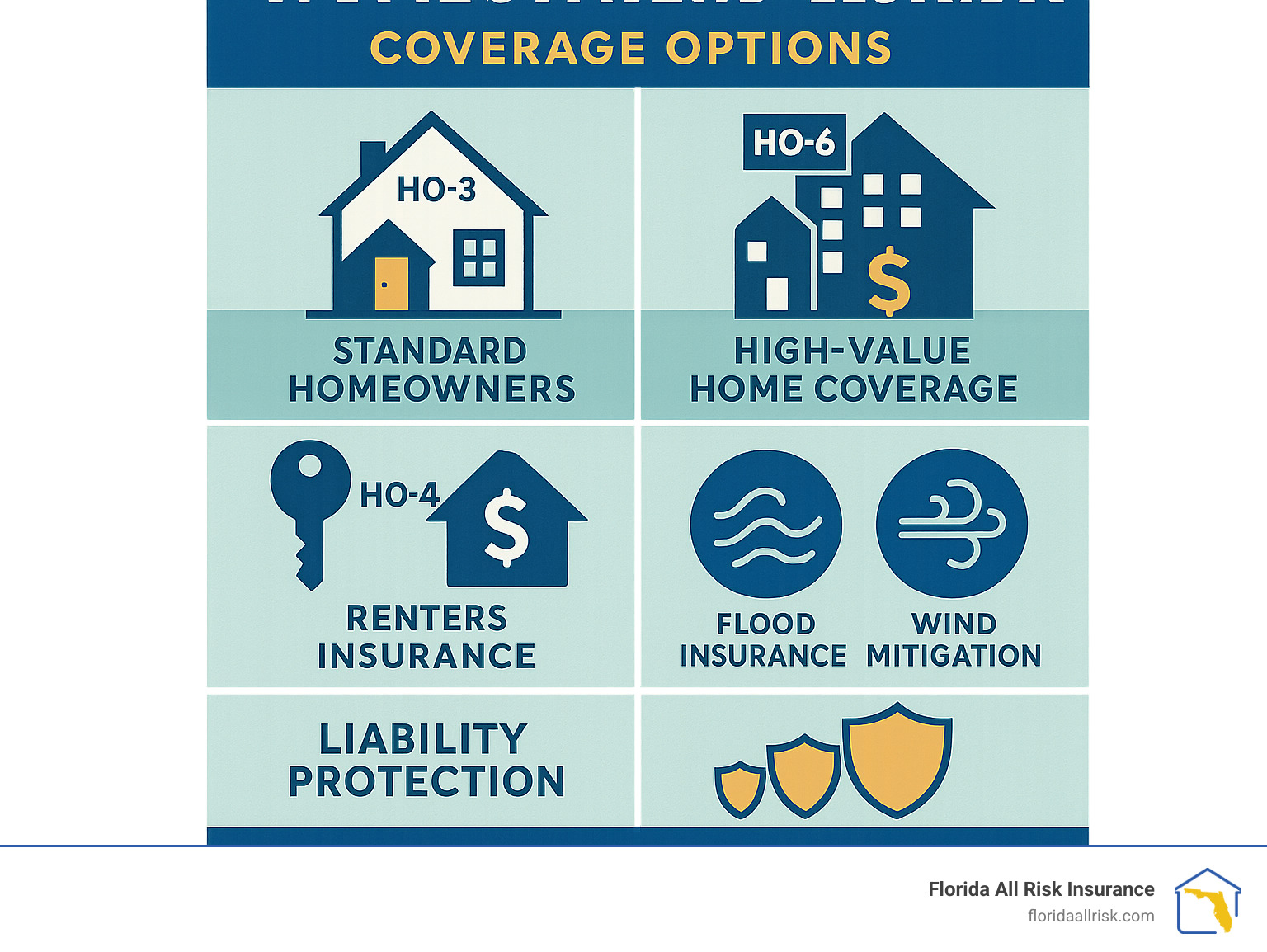
Navigating the complexities of property insurance can be a daunting task, particularly for individuals who own condominiums, cooperative apartments, or townhomes structured under a community association. While traditional single-family homes are typically insured under an HO 3 policy, which covers the entire physical structure and the land it sits on, condo and co-op owners require a different approach. This specialized contract is known in the insurance industry as an HO 6 policy—frequently referred to as condo insurance or walls-in coverage.
Despite the widespread use of HO 6 policies, numerous pervasive myths persist regarding what they cover, how they interact with master policies held by Homeowners Associations (HOAs) or condo boards, and what kind of financial protection they provide. These misunderstandings can lead to severe coverage gaps, unexpected out-of-pocket expenses, and considerable stress during an already traumatic property loss claim. Understanding the exact mechanics of an HO 6 policy requires looking beyond general insurance assumptions and examining the precise contractual agreements between individual unit owners and their respective associations.
Understanding the HO 6 Policy Structure
Before addressing the specific myths that frequently circulate among policyholders, it is vital to establish what an HO 6 policy fundamentally is and how it functions within the broader ecosystem of property insurance. An HO 6 policy is structured to address the unique exposures of owning a unit within a multi-unit residential building. Unlike a standard single-family home policy, responsibility for the physical structure is split between the individual owner and the collective association.
The master insurance policy purchased by the HOA or condo board typically covers the common elements of the property. Depending on the bylaws of the association and state laws, a master policy might follow an "all-in" approach—covering the building's exterior, roof, hallways, and even the original fixtures and installations inside individual units—or a "naked walls" (or bare walls) approach, which leaves everything from the bare studs inward as the responsibility of the individual unit owner.
An HO 6 policy steps in to fill these structural gaps, protect personal belongings, and provide vital liability coverage. It generally comprises several core coverage parts:
- Coverage A (Dwelling): Protects the physical structure of the interior unit, including walls, floors, built-in cabinetry, fixtures, and alterations made to the property, depending on the master policy's definition.
- Coverage C (Personal Property): Covers movable belongings such as furniture, clothing, electronics, and household goods against named perils or open perils, depending on the specific endorsement.
- Coverage D (Loss of Use): Reimburses additional living expenses incurred if the unit becomes uninhabitable due to a covered loss.
- Coverage E (Personal Liability): Provides legal defense and financial protection if someone is injured or their property is damaged due to the policyholder's negligence.
- Coverage F (Medical Payments): Covers minor medical bills for guests injured on the insured property, regardless of fault.
With this foundational framework established, it becomes much easier to dissect the most common myths surrounding HO 6 insurance and understand why relying on these misconceptions can jeopardize a homeowner's financial security.
Myth 1: "The HOA Master Policy Covers Everything Inside My Condo"
One of the most dangerous and widespread misconceptions among condominium and co-op owners is the belief that the building's master insurance policy covers everything inside their individual unit. New buyers often assume that because they pay monthly HOA dues that fund master policy premiums, they do not need to purchase a robust individual policy for their interior spaces.
This myth stems from a fundamental misunderstanding of how master policies operate. While a master policy does protect the building's structural integrity, roof, foundation, elevators, and shared recreational facilities, its coverage of individual units varies wildly based on the association's governing documents and state regulations. Master policies generally fall into one of three categories:
- All-In (Single Entity) Master Policies: These cover the building structure and all structural fixtures within the units, such as original drywall, flooring, electrical outlets, and basic cabinetry. However, they typically exclude modifications, upgrades, or custom renovations made by previous or current owners.
- Modified Exterior / Walls-In Master Policies: These cover the building exterior, roof, and structural framing, but may cover original fixtures up to a baseline standard while excluding any improvements.
- Bare Walls (Exclusive-Urgent) Master Policies: These cover only the bare structure of the building. Everything from the unfinished drywall inward—including flooring, wiring, plumbing fixtures, cabinets, and appliances—is the sole responsibility of the unit owner.
The Real-World Impact of the Master Policy Gap
Imagine a scenario where a major kitchen fire originates in a condo unit. The fire department extinguishes the blaze, but water and smoke damage ruins the hardwood floors, custom kitchen cabinets, granite countertops, and drywall. If the HOA operates under a "bare walls" master policy, the association's insurance will only pay to repair the building up to the unfinished studs.
The cost to replace the custom cabinets, flooring, and interior walls falls entirely on the unit owner. Without an HO 6 policy featuring adequate Coverage A (Dwelling) limits, the homeowner must pay these substantial repair costs out of pocket. Furthermore, even under an "all-in" policy, upgrades such as premium marble countertops or high-end hardwood floors installed during a renovation are almost never covered by the master policy, requiring individual HO 6 protection.
Myth 2: "HO 6 Insurance Only Covers My Personal Belongings"
Another prevalent myth is that an HO 6 policy is essentially renter's insurance for people who happen to own their dwelling. While it is true that HO 6 policies provide robust coverage for personal property (Coverage C), reducing the entire policy to mere contents coverage ignores its critical role in protecting the physical structure of the unit and guarding against severe financial assessments levied by the association.
Policyholders who operate under this myth often set their Coverage A (Dwelling) limits arbitrarily low or fail to realize that structural alterations and built-in improvements are tied to this section of the policy rather than personal property limits.
Assessment Coverage (Loss Assessment Protection)
One of the most valuable yet frequently misunderstood components of an HO 6 policy is Loss Assessment Coverage. In a condominium or cooperative community, the master policy carries a deductible, often ranging from $5,000 to $50,000 or even higher for wind, hail, or named storm damage.
When a catastrophic event damages common elements—such as a roof being ripped off during a severe windstorm or a major plumbing failure in a common hallway—the HOA must pay the master policy deductible. If the association lacks sufficient reserve funds to cover this deductible, it will legally levy a special assessment against all individual unit owners, forcing them to pay their proportional share.
Many condo owners are shocked to discover that their personal homeowners association agreement requires them to chip in thousands of dollars overnight to cover storm damage to the building exterior. A standard HO 6 policy can be endorsed to include Loss Assessment Coverage, which steps in to pay these unexpected bills, shielding the owner from severe out-of-pocket expenses. Without understanding that HO 6 insurance extends far beyond personal belongings, owners often skip this vital endorsement.
Myth 3: "Water Damage From Neighboring Units Is Always Handled by Their Insurance"
Water damage is the most frequent and costly claim filed by condominium and cooperative owners. A common assumption is that if a pipe bursts in the unit upstairs and floods your ceiling and living room, the upstairs neighbor's insurance policy will automatically pay for all of your repairs.
While it is true that liability insurance attached to a neighbor's policy could be invoked if they were demonstrably negligent—such as ignoring a known leaking pipe for weeks—relying on another party's insurance company to make you whole is a risky strategy fraught with legal and logistical hurdles.
| Scenario | Typical Responsibility & Coverage |
|---|---|
| Burst supply line inside your own unit | Covered by your HO 6 policy (subject to your deductible). |
| Sudden plumbing failure in a neighboring unit above you | Neighbor's liability insurance may pay, but only if they were legally negligent (otherwise, your HO 6 policy handles your interior). |
| Main building riser pipe fails inside a shared wall | HOA master policy covers common elements and structural drying; HO 6 covers unit interior upgrades. |
| Seepage from exterior roof or foundation leak | HOA master policy handles structural repairs and building envelope. |
The Principle of Negligence in Insurance Claims
Insurance claims between private parties are governed by the legal standard of negligence. If a pipe fails suddenly and without warning due to normal wear and tear or a manufacturing defect, the neighbor above you may not be legally negligent. Without negligence, their insurance carrier has no legal obligation to pay for your damages.
In such cases, you must file a claim under your own HO 6 policy to repair your damaged drywall, flooring, and personal property. Your insurance company will then handle the repairs and, if appropriate, attempt to subrogate (recover costs from) the other party's insurance carrier.
Furthermore, many state laws and association bylaws dictate that each unit owner is responsible for maintaining the interior of their property regardless of the source of the initial failure. Assuming that another resident's insurance will automatically cover interior water damage can leave a homeowner stranded with ruined property, delayed repairs, and denied claims.
Evaluating HO 6 Coverage and Selecting Proper Limits
Avoiding these common myths requires a proactive approach to purchasing and reviewing your coverage. To ensure adequate protection, homeowners should review several technical and operational aspects of their policy:
- Review the HOA Master Deed and Bylaws: Request a copy of the association’s master insurance policy and bylaws. Pay close attention to the definition of "covered property" to determine whether the association uses a bare-walls or all-in approach.
- Calculate True Replacement Cost: Do not base your Coverage A limits on the market value or purchase price of the condo. Market value includes the land and location, whereas Coverage A must reflect the exact cost to rebuild the interior structure from scratch at current local labor and material rates.
- Check Loss Assessment Limits: Standard policies often include a minimal amount of loss assessment coverage (such as $1,000). Given that master policy deductibles can easily reach $10,000 to $25,000, policyholders should consider increasing this limit to $10,000 or $50,000.
- Evaluate Loss of Use (Coverage D): If a major fire or flood renders your condo uninhabitable for six months, you will need alternative housing. Ensure your loss of use limit reflects current rental prices in your specific metropolitan area.
- Consider Water Backup Endorsements: Standard policies often exclude damage caused by backed-up drains or sewers. Adding a water backup and sump discharge endorsement is critical for condo owners, especially those on ground floors or in basement units.
Frequently Asked Questions
What is the difference between an HO 3 and an HO 6 policy?
An HO 3 policy is designed for single-family homeowners and covers both the interior and exterior structure of the home, plus the land. An HO 6 policy is specifically built for condo and co-op owners, covering interior walls, personal property, and liability, while leaving exterior and common area coverage to the association's master policy.
Does my HO 6 policy cover damage to my condo building's roof?
No. Roofs and other exterior structural components are considered common elements and are the responsibility of the Homeowners Association, covered under the master insurance policy.
What happens if the HOA master policy deductible is higher than my savings?
If the master policy has a high deductible—such as $25,000—and the HOA levies a special assessment against unit owners to pay for storm damage, you would have to pay that amount out of pocket unless you carry adequate Loss Assessment Coverage on your HO 6 policy.
Are my custom kitchen upgrades covered automatically?
Not necessarily. If your condo association operates under a bare-walls master policy, or if the master policy only covers original builder-grade finishes, custom upgrades like marble countertops or high-end flooring must be insured under your HO 6 policy's dwelling coverage (Coverage A).
How much HO 6 liability coverage should I purchase?
While most standard policies start at $100,000 of personal liability protection, financial experts often recommend securing at least $300,000 to $500,000, or pairing your policy with an umbrella insurance policy for enhanced protection against lawsuits.
Practical Next Actions for Condo Owners
To protect your home and financial assets from unexpected gaps in coverage, take action today by reviewing your current documents. Contact your Homeowners Association management office to obtain a copy of the current master insurance certificate and bylaws. Compare these documents against your active HO 6 declaration page to verify that your Coverage A dwelling limits match the association's responsibility split. If you identify discrepancies, schedule a consultation with an experienced insurance agent to adjust your limits, add loss assessment protection, and ensure your property is fully secured.