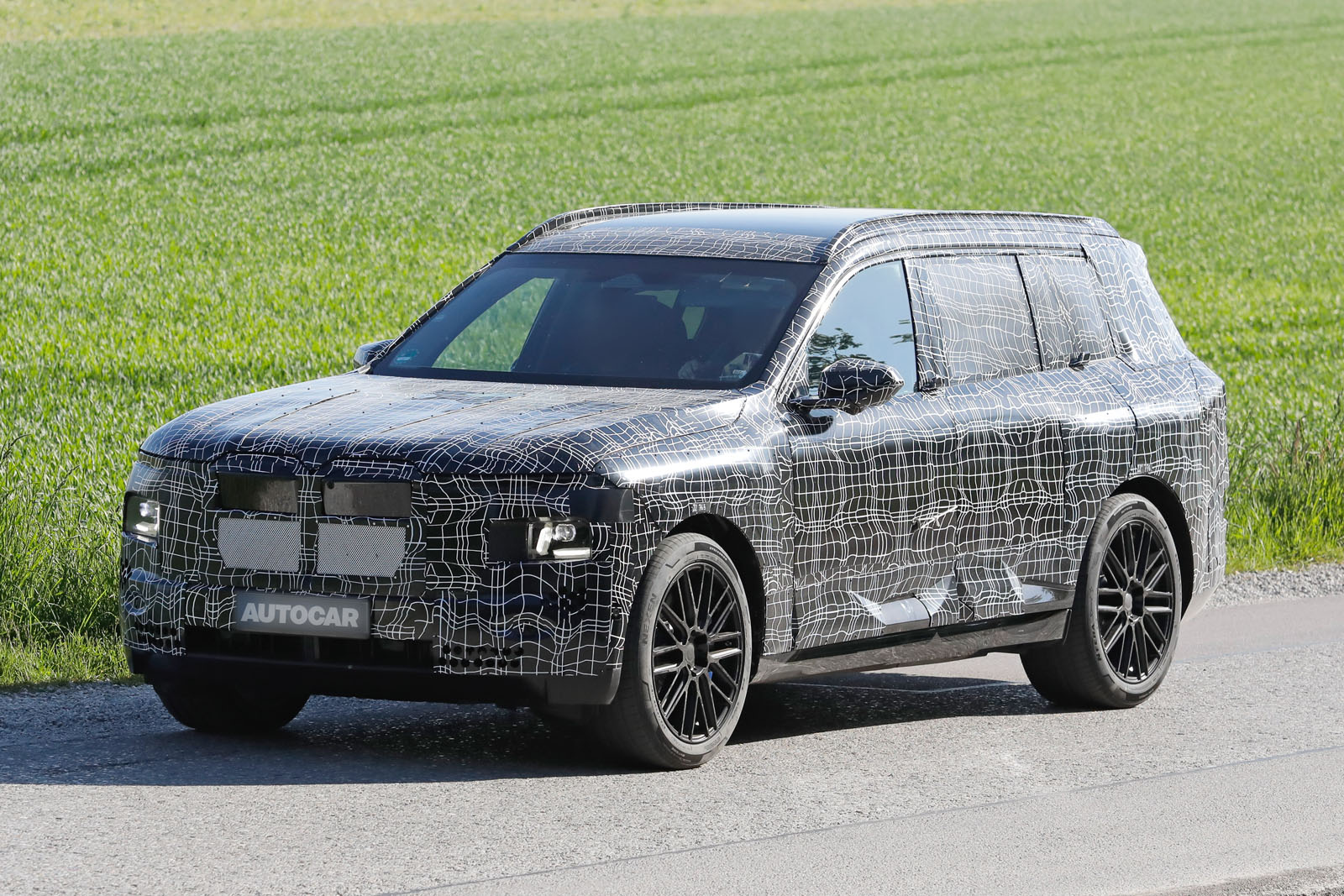
The BMW X7 reaches an electronically limited top speed of 250 km/h (155 mph). While this figure is consistent across high-performance variants equipped with the M Driver’s Package, it serves as a performance baseline for the luxury SAV (Sport Activity Vehicle) segment, balancing the immense mass and dimensions of the vehicle with the engineering constraints of tire load ratings and electronic safety protocols.
Defining the Performance Ceiling of the BMW X7
When discussing the 250 km/h benchmark in the context of the BMW X7, it is essential to understand the distinction between mechanical capability and electronic regulation. The X7 is not simply a family hauler; it is a flagship SUV that occupies a space where executive comfort meets autobahn-cruising potential.
The 250 km/h speed limiter is a standard feature in many German-engineered premium vehicles, a legacy of a "gentleman’s agreement" among major manufacturers to cap the top speed of series-production vehicles to maintain a level of road safety and stability. For the X7, which often weighs in excess of 2,600 kilograms (5,700 pounds), this speed is not merely a number—it represents the limit of what the suspension geometry and aerodynamic profile can sustain while maintaining the composure required of a luxury vehicle.
For the enthusiast, the "verdict" on this speed is multifaceted. It is rarely about the ability to reach 250 km/h in a daily commute, but rather about the powertrain’s confidence in delivering rapid acceleration and stable, effortless high-speed cruising. The X7’s ability to reach this speed is a testament to the output of its powerplants, particularly the M60i and the high-output variants, which utilize turbocharged engines designed to generate significant torque at low RPMs.
Engineering Constraints: Why 250 km/h?
The decision to limit the X7 to 250 km/h is not a sign of insufficient power; it is a calculated engineering choice. There are several factors at play that define this limit:
- Tire Load and Heat Management: At speeds exceeding 250 km/h, the tires experience extreme centrifugal forces. For an SUV of the X7’s mass, the heat generated by the rubber flexing at high velocity can lead to structural compromise. Tires rated for higher speeds often sacrifice the ride comfort, quietness, and tread longevity that X7 owners expect.
- Aerodynamic Drag: The X7 has a large frontal area. Moving such a substantial body through the air requires exponential increases in horsepower as speed rises. Beyond 250 km/h, the drag coefficient necessitates an immense amount of energy, which would negatively impact fuel consumption and engine longevity.
- Safety and Stability Systems: The Dynamic Stability Control (DSC) and the chassis management systems are tuned to operate within specific speed envelopes. Expanding these parameters requires recalibration of every safety intervention to ensure that the vehicle remains controllable in emergency maneuvers at ultra-high speeds.
Understanding the X7 Model Variants and Performance
Not all BMW X7 models are created equal in their pursuit of this top speed. The performance classification depends heavily on the engine configuration and the inclusion of the M Driver’s Package.
| Model Variant | Engine Type | Top Speed (km/h) | Performance Character |
|---|---|---|---|
| xDrive40i | 3.0L Inline-6 Turbo | 250 (Limited) | Efficiency-focused, ample torque |
| M60i xDrive | 4.4L V8 Twin-Turbo | 250 (Limited) | Performance-oriented, sporty acoustics |
| Alpina XB7 | 4.4L V8 Bi-Turbo | 290 (Uncapped) | Bespoke performance, high-speed focus |
It is crucial to note that while the standard X7 models adhere to the 250 km/h limit, the Alpina XB7—a variant refined by BMW’s long-standing partner Alpina—is often modified to achieve higher figures. This is achieved through reinforced components, cooling system upgrades, and specialized tire specifications that allow the chassis to handle speeds up to 290 km/h. For the average luxury SUV buyer, the standard 250 km/h limit remains more than sufficient for global driving conditions.
The Driving Experience at High Velocity
How does the X7 feel when approaching its top speed? The verdict among luxury SUV fans is that the vehicle feels surprisingly composed. Because the X7 utilizes an advanced air suspension system that actively monitors road conditions and adjusts the ride height and damping, it maintains a level of "plantedness" that smaller vehicles often lack at similar speeds.
The acoustics are another vital aspect of this performance. BMW has gone to great lengths to utilize acoustic glass and sound-deadening materials that minimize wind noise. At 200 km/h and beyond, the interior cabin remains quiet enough for passengers to hold a normal conversation. This capability is what separates the X7 from its rivals; it does not "feel" like it is struggling. The delivery of power is linear, and the 8-speed Steptronic transmission ensures the engine stays in its optimal power band without the harshness associated with less refined high-performance vehicles.
Practical Considerations for the Owner
For the owner of a BMW X7, the speed limit is primarily an academic figure. However, understanding the performance envelope helps in appreciating the vehicle’s mechanical integrity.
- Braking Systems: The M Sport brakes included on higher-trim X7 models are designed to dissipate the heat generated by slowing down from high speeds. Owners should ensure that brake fluid is flushed according to the factory schedule, as high-speed deceleration places significant demand on the hydraulic system.
- Tire Maintenance: Because the X7 relies on its tires to maintain safety at high speeds, strict adherence to the manufacturer’s recommended tire pressure is mandatory. Under-inflated tires at high velocities are a primary cause of tire failure.
- The Role of the M Driver’s Package: In some markets, this optional package is required to unlock or maintain the full performance capabilities. It often includes driver training, which is highly recommended for any owner intending to push the vehicle toward its limits on closed circuits.
Frequently Asked Questions
Is it possible to increase the BMW X7 top speed beyond 250 km/h? While third-party tuners offer software modifications to remove the speed limiter, this is strongly discouraged. Such modifications can void your factory warranty, alter the vehicle’s safety parameters, and pose significant risks regarding tire integrity and mechanical longevity. Always adhere to the manufacturer’s specifications.
Why does my X7 feel faster than the top speed suggests? The perception of speed in the X7 is dampened by its chassis and sound insulation. You may feel that the vehicle accelerates with such ease that it could easily go faster, which is a testament to the engineering of the turbocharged engines, even if the electronic limiter prevents the needle from climbing further.
Does driving at 250 km/h impact the X7’s warranty? Driving at the vehicle’s design-specified top speed on a legal, closed, or permitted surface does not void your warranty. However, using unauthorized software to bypass the speed limiter will result in the immediate denial of warranty claims related to the powertrain and electronics.
Is the top speed different for the diesel versions? Generally, the diesel-powered X7 variants (such as the xDrive40d) are also electronically limited to 250 km/h to maintain consistency in the vehicle’s performance profile, although their acceleration characteristics differ significantly from the gasoline V8 models.
How does the weight of the X7 affect its top-speed stability? The weight of the X7 provides a "heavier" feel that is beneficial for straight-line stability at high speeds. Unlike lighter vehicles that may become skittish in crosswinds, the mass of the X7 ensures that it remains firmly planted on the pavement, provided the tires and suspension are in good condition.
Final Verdict for the Enthusiast
The BMW X7 is not a sports car, and it does not try to be. Its 250 km/h top speed is a benchmark that confirms its status as a high-performance vehicle capable of grand touring at the highest level. For luxury SUV fans, the verdict is clear: the top speed is less about the number itself and more about the underlying power and stability that the X7 provides at every point in its range. Whether you are merging onto a motorway or cruising at triple-digit speeds, the X7 delivers a blend of comfort and capability that few competitors can match. If you prioritize refinement alongside rapid capability, the X7’s performance profile is exceptionally well-balanced.