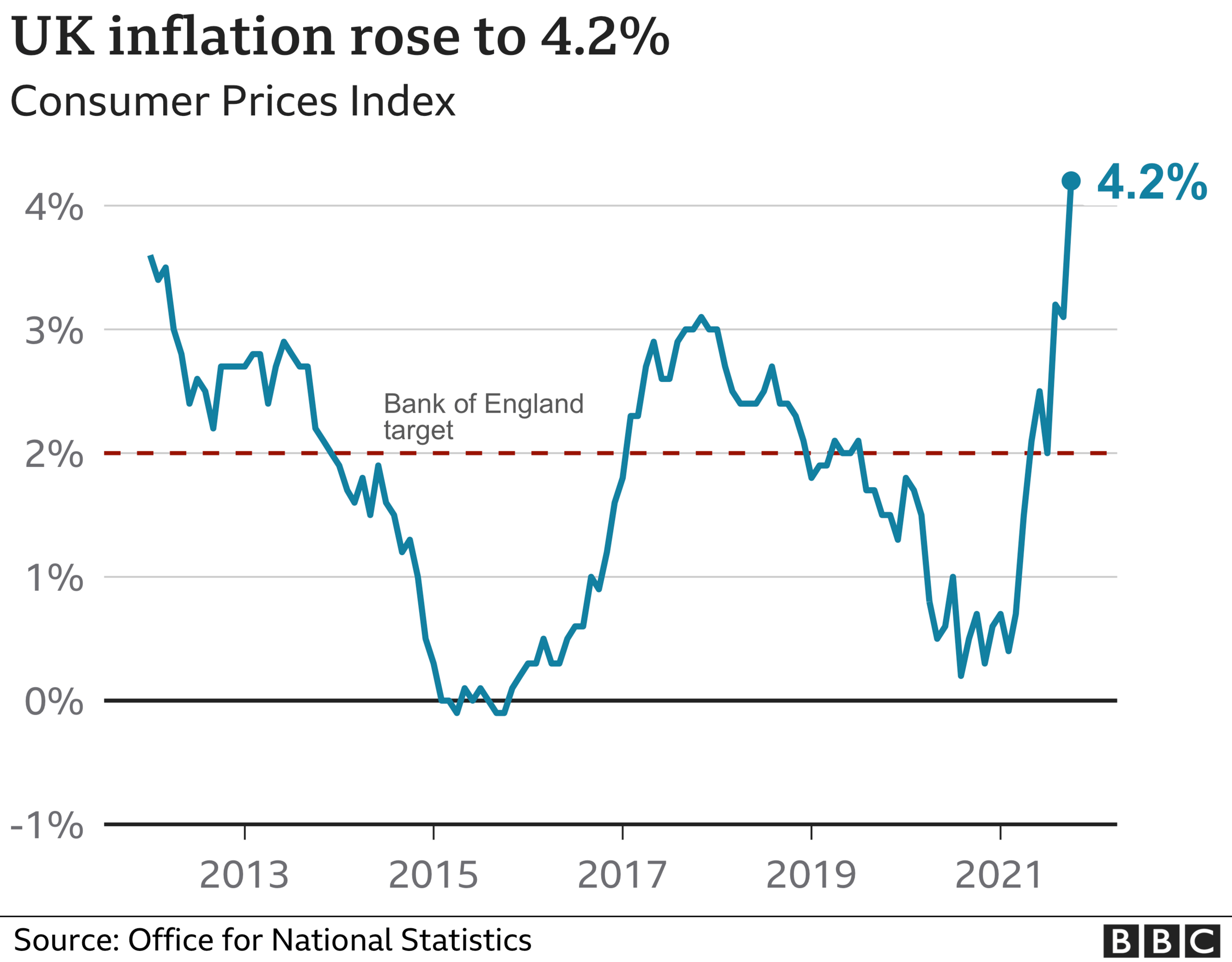
Analyzing the last 25 years of inflation reveals a transition from an era of stable, low-inflation "Great Moderation" to the heightened volatility and structural shifts observed through 2026. Understanding these trends requires looking at how the Consumer Price Index (CPI) has fluctuated across different economic cycles, influenced by global supply chains, energy markets, and expansive fiscal policy.
Defining the Economic Landscape: 2001 to 2026
The period from 2001 to 2026 can be categorized into four distinct phases: the post-dot-com recovery, the 2008 Financial Crisis, the long period of low inflation during the 2010s, and the significant inflationary shock beginning in 2021. For most of the first two decades, the primary challenge for central banks, such as the Federal Reserve, was not high inflation, but rather "inflation undershoot," where the economy struggled to hit the target of 2% annual increases.
This changed drastically as the global economy emerged from the COVID-19 pandemic. Supply chain disruptions, combined with robust consumer demand and increased money supply, created the most significant inflationary pressure since the early 1980s. By 2026, economists continue to study these years to determine whether the mid-2020s represent a temporary cycle or a permanent move toward a higher-inflation regime.
The Great Moderation and the Low-Inflation Era (2001–2019)
At the start of the 21st century, the global economy benefited from the integration of emerging markets into the global supply chain, which kept the prices of manufactured goods low. During this period, inflation was remarkably predictable. Even during the 2008 financial crisis, the primary concern was deflation—a sustained decline in price levels that can lead to economic stagnation—rather than runaway inflation.
Central banks utilized quantitative easing to stimulate growth, yet despite the massive expansion of the monetary base, consumer prices remained tempered. Several structural factors contributed to this:
- Technological Advancement: The rise of e-commerce and digital logistics reduced the cost of price discovery and lowered retail margins.
- Globalization: The offshoring of production to lower-cost nations prevented domestic wage-price spirals.
- Energy Efficiency: Decreasing energy intensity in the industrial sector mitigated the impact of volatile oil prices.
The Shift: Pandemic-Era Disruptions (2020–2022)
The trajectory of inflation shifted abruptly in 2020. As the world moved into lockdowns, consumer spending habits pivoted from services—which were largely unavailable—to physical goods. This surge in demand overwhelmed global logistics networks that were already operating at reduced capacity.
When economies reopened, the "bullwhip effect" occurred: retailers and manufacturers, caught with low inventory, aggressively over-ordered supplies. This, combined with labor market constraints, caused prices for commodities, shipping, and raw materials to escalate. By 2022, the year-over-year inflation rate in the United States and several other major economies reached levels unseen for 40 years. This phase was characterized by "cost-push" inflation, where the rising cost of production inputs forced businesses to raise prices, regardless of consumer demand levels.
Comparative Price Drivers: 2001–2026
To understand how inflation has impacted the economy, it is essential to compare the primary drivers during different periods of this 25-year cycle.
| Factor | 2001–2010 | 2011–2020 | 2021–2026 |
|---|---|---|---|
| Primary Driver | Housing/Energy | Technology/Deflationary bias | Supply Chain/Labor Shortage |
| Monetary Policy | Standard Rate Adjustments | Quantitative Easing | Tightening/Rate Hikes |
| Supply Dynamics | Global Expansion | Integrated Just-in-Time | Near-shoring/Resiliency |
| Inflation Trend | Moderate/Stable | Sub-target (Low) | High Volatility |
The Normalization Process: 2023–2026
By 2023, central banks transitioned toward aggressive monetary tightening, utilizing interest rate hikes to cool demand. The objective was to dampen inflationary expectations, which, if left unchecked, can lead to a "wage-price spiral" where workers demand higher pay to match current inflation, causing companies to raise prices further.
As of 2026, the data indicates a stabilization phase. Supply chains have largely been reconstructed for resiliency rather than just speed, and labor markets have reached a new equilibrium. However, the legacy of these 25 years remains evident in the higher baseline of consumer expectations and the increased scrutiny of fiscal spending policies. The experience of the last few years has redefined the "neutral rate" of interest, suggesting that the era of near-zero interest rates may be behind us.
The Role of Real Wages vs. Nominal Inflation
A critical component of the 25-year inflation trend is the divergence between nominal wages and purchasing power. While nominal wages—the actual dollar amount on a paycheck—have trended upward, the "real wage" (the value of that paycheck adjusted for inflation) has experienced significant fluctuations.
During the low-inflation years of 2010–2019, real wage growth was steady for many cohorts because prices were stagnant. In the 2021–2023 period, despite record-high nominal wage increases in certain sectors, real wage growth turned negative for many households because the cost of essential goods—specifically food, energy, and housing—outpaced salary increases. For readers evaluating personal wealth, the lesson of the past 25 years is that inflation is not just a macroeconomic statistic; it is a direct measurement of the erosion of purchasing power over time.
Frequently Asked Questions
1. Why was inflation so low for so long before 2021? Inflation remained low for nearly two decades due to global trade integration, technological efficiencies that lowered the cost of goods, and a persistent labor market slack that kept wage inflation under control. These factors created a deflationary pressure that offset monetary expansion.
2. How do interest rates impact inflation? Interest rates act as a brake on the economy. By increasing the cost of borrowing, central banks reduce spending by businesses and consumers. This lower demand eventually forces businesses to slow price increases or offer discounts to attract customers, which pulls the overall inflation rate down.
3. Is the inflation seen in 2026 considered high by historical standards? By 2026, inflation has largely returned toward central bank targets. While it is higher than the average seen in the 2010s, it is significantly lower than the peak levels observed in 2022. It is currently viewed as a period of stabilization rather than a crisis of hyperinflation.
4. How does the Consumer Price Index (CPI) affect individual households? The CPI tracks the average change over time in the prices paid by urban consumers for a market basket of goods and services. For an individual, this means that as the CPI rises, your personal cost of living increases, requiring more income to maintain the same standard of living.
5. What is "core inflation" versus "headline inflation"? Headline inflation measures the total inflation of an economy, including volatile items like food and energy. Core inflation excludes these items because they are subject to extreme, short-term fluctuations. Economists use core inflation to understand the underlying, longer-term trend of price movements.
Navigating Future Economic Cycles
The 25-year history of inflation serves as a roadmap for the future. Economic conditions are rarely static, and the transition from a low-inflation environment to a volatile one highlights the importance of financial adaptability. For investors and households, the primary takeaway is the necessity of maintaining diversified assets that can hedge against purchasing power erosion. As of 2026, the focus has shifted from managing rapid price spikes to maintaining sustainable growth within a normalized interest rate environment. Always consult with a certified financial advisor when making long-term adjustments to your investment strategy, as macroeconomic trends impact individual portfolios in distinct, often complex, ways.