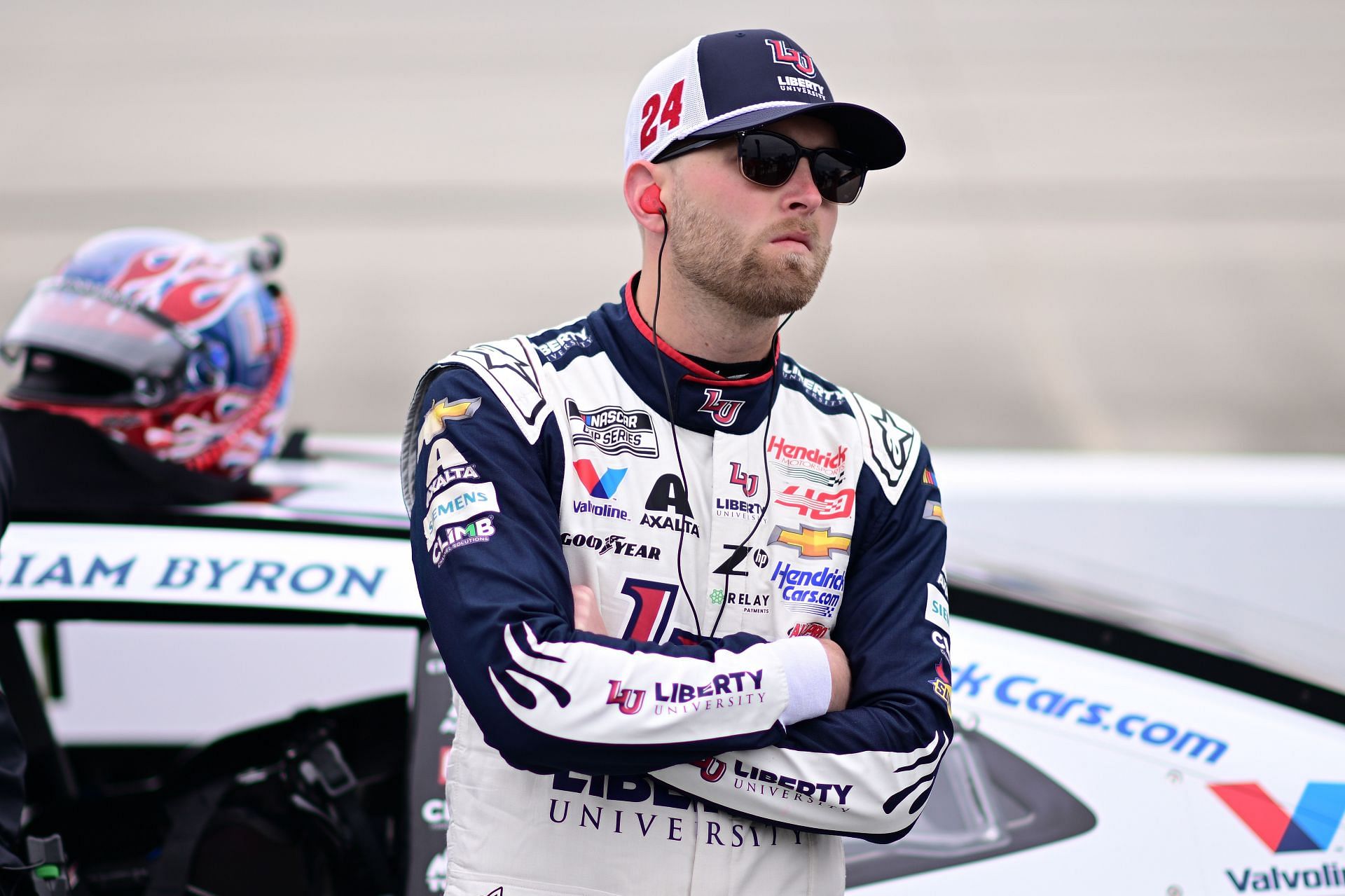
As of 2025, William Byron’s net worth was estimated to be approximately $15 million to $20 million. This valuation was driven by his position as the lead driver for Hendrick Motorsports' No. 24 car, significant prize money from his 2024 Daytona 500 victory, and long-term, high-value sponsorship agreements with Liberty University and Valvoline.
The financial landscape of professional stock car racing underwent significant shifts leading into the mid-2020s. For William Byron, the 2025 season represented a peak in his earning potential, as he transitioned from a "rising star" to an established veteran within the NASCAR Cup Series. To understand how Byron amassed this level of wealth, one must look at the intersection of team contracts, the NASCAR Charter system, and the unique sponsorship model that has supported his career since its inception.
The Financial Architecture of a Modern NASCAR Driver
In the current 2026 landscape, we can look back at 2025 as a year where the financial disparity between top-tier and mid-tier drivers became more pronounced. William Byron sits firmly in the top echelon. His net worth is not merely a reflection of a base salary, but a complex portfolio of performance-based incentives and personal brand equity.
Base Salary and Team Contracts
Driving for Hendrick Motorsports (HMS) is arguably the most lucrative position in the sport. HMS is the gold standard of NASCAR organizations, possessing the infrastructure and manufacturer support from Chevrolet that ensures their drivers are consistently in the hunt for wins.
By 2025, Byron was operating under a multi-year contract extension signed in previous seasons. Industry analysts estimate that a driver of Byron’s caliber—one who consistently makes the Championship 4—commands a base salary in the range of $3 million to $5 million annually. This base pay serves as a retainer for the driver’s time, media appearances, and technical feedback, independent of on-track results.
The Charter System and Purse Splits
The NASCAR Charter system, which provides 36 teams with guaranteed entries into every race and a share of the television revenue, directly influences driver wealth. Under typical driver-team agreements in 2025, drivers receive a percentage of the "purse" (the prize money awarded for race finishes).
While the exact splits are often proprietary, a standard top-tier driver might receive 35% to 45% of the driver-specific portion of the purse. Following Byron’s historic win at the 2024 Daytona 500, his "earning floor" for the 2025 season was significantly raised. Major race wins carry "winners' circles" bonuses and long-term residuals from NASCAR’s point fund, which pays out based on the final season standings.
Sponsorship: The Liberty University Foundation
A primary driver of William Byron's 2025 net worth is his enduring partnership with Liberty University. Unlike many drivers who must patch together 10 to 15 different sponsors to cover a 36-race season, Byron has enjoyed a remarkably stable relationship with the institution.
The Value of Long-Term Alignment
Liberty University has been a primary sponsor of Byron since his days in the late model ranks and the K&N Pro Series. By 2025, this partnership was worth an estimated $15 million annually to the Hendrick Motorsports No. 24 team. While the bulk of this money goes toward the operation of the car (tires, fuel, engineering, and travel), a significant "personal services" fee is paid directly to the driver.
This relationship is unique because it transcends traditional sports marketing. Byron is an alumnus of the university, having balanced his early racing career with online coursework. This "Computer to Cup" narrative created a highly marketable persona that appealed to both traditional racing fans and a younger, tech-savvy demographic.
Diversified Endorsement Portfolio
Beyond Liberty University, Byron’s 2025 portfolio included:
- Valvoline: A long-standing partner of Hendrick Motorsports that utilizes Byron for national advertising campaigns.
- HP (Hewlett-Packard): Aligning with Byron’s image as a data-driven, simulator-trained racer.
- Relay Payments: A fintech partner that highlights the modernization of the sport’s logistics.
- Axalta Coating Systems: A legacy sponsor of the No. 24 car that continued its association with Byron into the 2025 season.
Each of these endorsements adds six to seven figures to Byron's annual income, often through a combination of flat fees and performance escalators (bonuses for wins or winning the championship).
2025 Financial Breakdown: Estimated Earnings
To provide a clearer picture of how Byron reached a net worth of nearly $20 million by 2025, the following table outlines the estimated revenue streams for a typical championship-contending year in this era of NASCAR.
| Income Stream | Estimated Annual Value (2025) | Description |
|---|---|---|
| Base Salary | $4,500,000 | Contracted retainer with Hendrick Motorsports. |
| Race Purses/Bonuses | $3,000,000 - $5,000,000 | Share of winnings, including Daytona 500 residuals. |
| Personal Endorsements | $2,500,000 | Direct payments from partners like HP and Valvoline. |
| Licensing & Merch | $750,000 | Royalties from die-cast cars, apparel, and digital assets. |
| Investment Returns | $1,000,000+ | Gains from diversified personal financial portfolios. |
| Total Annual Gross | $11,750,000+ | Estimated pre-tax annual income. |
Note: These figures are based on industry standards for top-five NASCAR drivers as of the 2025 season.
The "Computer to Cup" Effect: Assets and Investments
William Byron’s wealth management strategy has been described by insiders as conservative but effective. Unlike the flamboyant spending associated with drivers of the 1990s, Byron belongs to a generation of athletes who prioritize long-term financial stability and digital assets.
Real Estate Holdings
By 2025, a significant portion of Byron's net worth was tied up in high-value real estate. Like many NASCAR drivers, Byron resides in the Charlotte, North Carolina area—the hub of the racing industry. He owns a luxury property in the Lake Norman area, a region known for its high property values and "Tax-Friendly" environment for professional athletes. Estimates suggest his primary residence and additional land holdings contribute roughly $4 million to $6 million to his total net worth.
Professional Racing Simulator Investments
Byron was a pioneer in using iRacing to launch a professional career. Consequently, he has invested heavily in high-end simulation technology. While some of this is for personal training, Byron has also been involved in the business side of eSports, advising and potentially investing in platforms that bridge the gap between virtual and physical racing.
Private Aviation and Logistics
To manage the grueling 36-week NASCAR schedule, top drivers often invest in private aviation. While Byron frequently utilizes the Hendrick Motorsports fleet, he has reached a level of wealth where fractional ownership or "jet cards" are a standard business expense, allowing him to maximize "time equity"—a concept often discussed by his mentor, Jeff Gordon.
Comparing Byron to His Peers
In 2025, the NASCAR "Rich List" saw a changing of the guard. While veteran drivers like Denny Hamlin and Kyle Busch maintained higher total career earnings due to their two decades in the sport, Byron’s accrual rate (the speed at which he is gaining wealth) was among the highest in the garage.
- Kyle Larson: Byron's teammate at HMS. Larson’s net worth in 2025 was slightly higher, largely due to his extensive participation and ownership in dirt track racing (Sprint Cars), which provides an additional year-round revenue stream.
- Chase Elliott: As NASCAR’s perennial "Most Popular Driver," Elliott’s licensing and merchandise revenue in 2025 likely exceeded Byron’s. However, Byron’s focused sponsorship with Liberty University gives him a more stable, singular financial foundation.
- The New Generation: Compared to peers like Christopher Bell or Ryan Blaney, Byron’s 2025 net worth was bolstered by his earlier entry into the Cup Series and his immediate placement with a "Powerhouse" team.
Factors That Influenced Byron's 2025 Valuation
Several specific events and trends led to the $15M–$20M valuation seen in 2025.
The 2024 Daytona 500 Victory
Winning the "Great American Race" is worth more than just the immediate trophy. It triggers massive bonuses from sponsors and increases a driver's marketability for the remainder of their career. For Byron, the 2024 win ensured that his 2025 contract negotiations (or adjustments) were handled from a position of ultimate leverage.
Consistent Playoff Performance
In NASCAR’s "Win and You’re In" playoff format, Byron’s ability to advance to the Round of 8 or the Championship 4 consistently through the early 2020s meant he was maximizing the "Post-Season Fund." This fund distributes millions of dollars to teams based on where they finish in the final points standings, a portion of which is contractually owed to the driver.
Tax Strategy and North Carolina Residency
Byron’s net worth is also protected by his choice of residence. North Carolina has a relatively favorable tax climate for high-net-worth individuals compared to states like California or New York, allowing him to retain a larger percentage of his race winnings and endorsement checks.
Looking Ahead: The Financial Future of the No. 24 Driver
As we evaluate William Byron’s financial status from the vantage point of 2026, it is clear that 2025 was the year he solidified his place as a "Financial Anchor" in the sport. With several years likely remaining in his prime, his net worth is projected to continue its upward trajectory.
If Byron secures a Cup Series Championship in the coming years, his valuation could easily double. In the world of NASCAR, a championship doesn't just mean a trophy; it means a lifetime of "Champion's Provision" royalties, higher speaking fees, and an elevated status that makes a driver a permanent fixture in the sports marketing world.
Frequently Asked Questions
What was William Byron's main source of wealth in 2025?
The primary source of Byron’s wealth in 2025 was his multi-million dollar salary from Hendrick Motorsports, complemented by his long-term personal service agreement with Liberty University. These two sources provided a stable financial base regardless of weekly race results.
Did the 2024 Daytona 500 win significantly impact his 2025 net worth?
Yes. Winning the Daytona 500 typically results in a multi-million dollar windfall through purse shares and sponsor bonuses. It also elevated his brand value, allowing him to command higher fees for new endorsement deals in 2025.
How does William Byron's net worth compare to Jeff Gordon's?
As of 2025, William Byron's net worth was significantly lower than Jeff Gordon's (estimated at over $200 million). However, Gordon’s wealth was accumulated over a 20-year driving career followed by a transition into team ownership and broadcasting. Byron is currently on a similar trajectory for his age.
Is William Byron's family wealth included in his net worth?
William Byron comes from a comfortable background (his father, Bill Byron, is a successful wealth manager), which helped fund his early career. However, the $15 million to $20 million estimate for 2025 focuses specifically on his professional earnings, assets, and endorsements as an athlete.
Does William Byron own his NASCAR team?
No, William Byron does not own his team. He is an employee of Hendrick Motorsports. While some drivers eventually move into ownership (like Denny Hamlin with 23XI Racing), Byron’s current wealth is derived from his role as a professional driver and brand ambassador.
Practical Recommendation for Fans and Analysts
When tracking the net worth of athletes like William Byron, it is essential to look beyond the "estimated" numbers and focus on contract longevity and sponsorship stability. For Byron, the most critical indicator of his future financial health is the status of the No. 24 team's relationship with Liberty University and his standing within Hendrick Motorsports. As long as he remains the flagship driver for a top-tier team, his net worth is likely to remain on a steady growth curve.