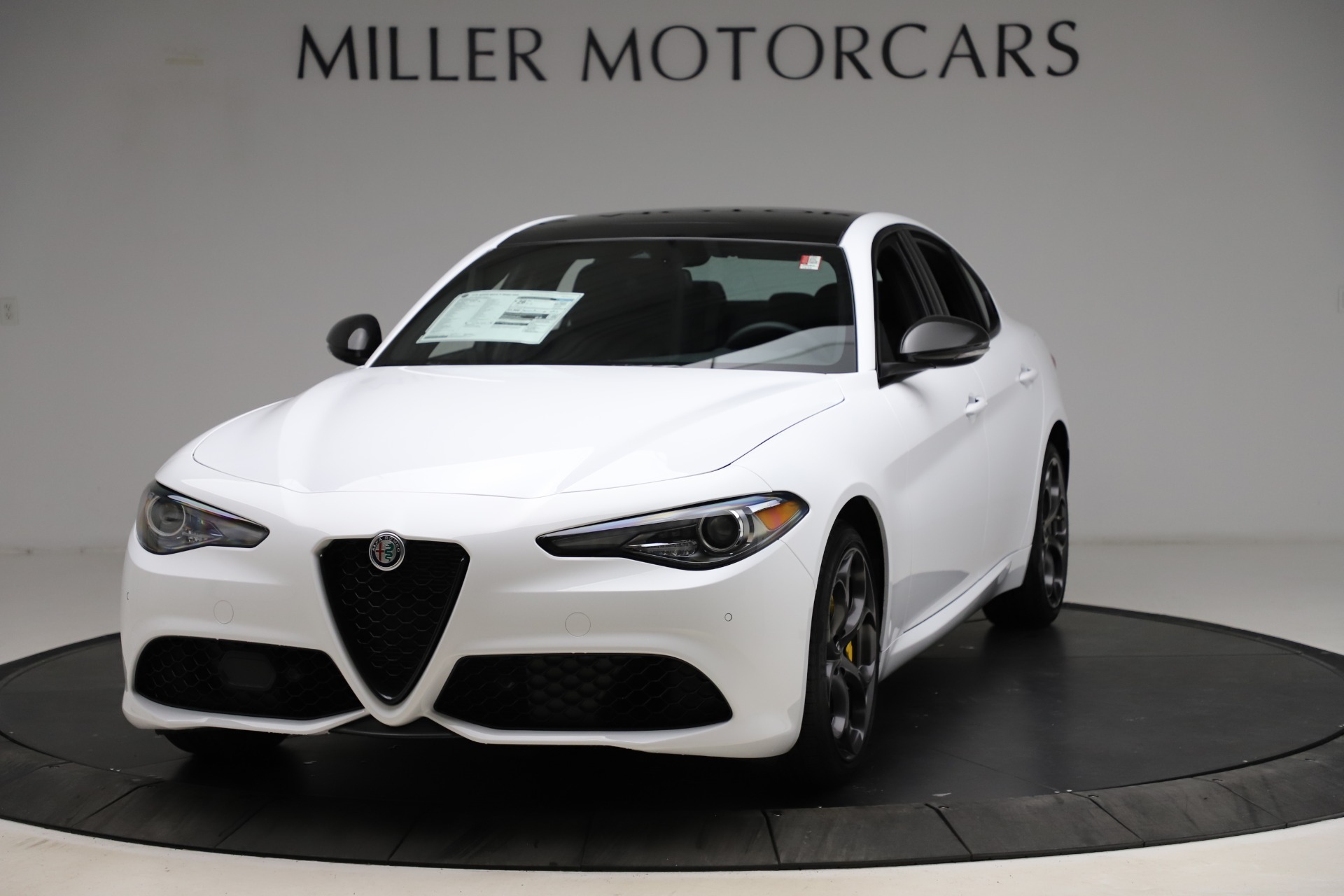
The 2021 Alfa Romeo Giulia Ti Sport bridges the gap between everyday luxury and Italian sports car passion, offering an energetic 280-horsepower turbocharged inline-four engine, rear-wheel or all-wheel-drive configurations, and a driver-focused cabin that elevates it among compact luxury sport sedans.
Evaluating a pre-owned or established luxury sport sedan requires a clear understanding of what makes a specific model year unique. The 2021 Alfa Romeo Giulia Ti Sport stands as a particularly compelling choice in the automotive market, arriving just before major cabin digitizations while benefiting from significant technological, safety, and infotainment updates introduced for the model year. For prospective buyers, automotive enthusiasts, and current owners looking for a deep dive into its specifications, driving dynamics, maintenance requirements, and market positioning, this comprehensive guide provides the necessary technical insights and practical details.
Identity, Scope, and Model Year Context for the Giulia Ti Sport
To understand the 2021 Alfa Romeo Giulia Ti Sport, one must first understand its position within the broader Giulia lineup. Positioned above the base Giulia and the luxury-oriented Ti trim, the Ti Sport adds distinct performance-inspired aesthetic enhancements and mechanical upgrades designed to sharpen the sedan's reflexes without sacrificing daily drivability.
For the 2021 model year, Alfa Romeo streamlined trim naming conventions and enhanced standard equipment. The Giulia received critical updates that addressed earlier criticisms, most notably a completely redesigned center console layout, upgraded rotary dial materials, and an improved 8.8-inch touchscreen infotainment system running updated software. These changes made the cabin feel more cohesive and responsive compared to earlier iterations, cementing the 2021 model as a mature, refined version of Giorgio platform engineering.
The "Ti" designation—historically standing for Turismo Internazionale—has always denoted Alfa Romeo models that blend long-distance touring comfort with sporting intent. Paired with the Sport package, the vehicle receives aggressive exterior bodywork, larger aluminum paddle shifters, sport seats, and enhanced suspension tuning depending on option packages.
Powertrain and Mechanical Specifications
At the heart of the 2021 Alfa Romeo Giulia Ti Sport is a potent aluminum powerplant mated to one of the finest automatic transmissions in the industry. The engineering philosophy prioritizes weight distribution, structural rigidity, and immediate throttle response.
Engine and Transmission Performance
The vehicle is powered by a 2.0-liter turbocharged all-aluminum inline-four engine that produces 280 horsepower at 5,200 rpm and 306 lb-ft of torque starting at a low 2,000 rpm. This torque curve ensures that power delivery is immediate, minimizing turbo lag and providing effortless passing power on the highway.
Power is routed through a ZF 8-speed automatic transmission. Widely regarded as an industry benchmark for shift speed and intelligence, the ZF unit responds instantly to driver inputs through the steering wheel-mounted aluminum paddle shifters—which are fixed to the steering column in true racing fashion, ensuring they can always be found regardless of steering angle.
Drivetrain Options: RWD vs. Q4 AWD
Buyers of the 2021 Giulia Ti Sport could choose between rear-wheel drive (RWD) and the Q4 all-wheel-drive system (AWD):
- Rear-Wheel Drive (RWD): Purists often gravitate toward the RWD configuration for its balanced handling, pure steering feel, and traditional sports car weight distribution (featuring a carbon fiber driveshaft).
- Q4 All-Wheel Drive (AWD): The rear-biased Q4 system can send up to 60% of torque to the front wheels when slippage is detected, providing exceptional all-weather capability while maintaining the playful driving dynamics of a rear-wheel-drive vehicle under normal conditions.
Driving Dynamics and Handling Characteristics
Alfa Romeo built its reputation on how its cars drive, and the Giulia Ti Sport is no exception. It is widely considered by automotive journalists to possess one of the sharpest, most communicative steering racks in any modern production vehicle, featuring a remarkably quick 11.8:1 steering ratio.
The suspension setup uses a double-wishbone design with a semi-virtual steering axis up front and an independent multi-link design in the rear. This geometry keeps the front tires flat against the pavement through aggressive cornering, virtually eliminating torque steer and providing precise feedback through the leather-wrapped steering wheel.
The driving experience is heavily influenced by the Alfa D.N.A. drive mode selector dial located on the center console:
- Dynamic (D): Sharpens throttle response, firms up the optional active suspension (if equipped), weights up the steering, and alters transmission shift points for aggressive driving.
- Natural (N): The default setting for daily commuting, balancing comfort, fuel efficiency, and smooth power delivery.
- Advanced Efficiency (A): Focuses on maximizing fuel economy with early upshifts and softer throttle mapping.
Interior Design, Comfort, and Technology
Stepping inside the 2021 Alfa Romeo Giulia Ti Sport reveals an interior that blends Italian flair with ergonomic functionality. The cabin design centers entirely around the driver, featuring high-grade materials, contrast stitching, and tactile aluminum or genuine wood trim options.
Cabin Ergonomics and Seating
The Ti Sport features heavily bolstered sport seats designed to keep occupants secure during high-lateral-G cornering while remaining comfortable on long road trips. Power-adjustable lumbar support, seat heating, and a heated steering wheel are typically standard or widely equipped on Ti Sport models in cold-weather markets. The driving position is low and purposeful, mimicking a true sports coupe rather than a typical executive sedan.
Infotainment and Electronics
The 2021 model year benefited significantly from upgraded interior electronics. The central 8.8-inch touchscreen is flanked by physical climate controls and sits flush within the dashboard. The interface supports Apple CarPlay and Android Auto integration. Ahead of the driver sits a 7-inch TFT cluster display nestled between two analog-style gauges, providing vital vehicle telemetry, navigation prompts, and driver-assistance status updates.
| Feature / Specification | 2021 Alfa Romeo Giulia Ti Sport Details |
|---|---|
| Engine Type | 2.0L Turbocharged Inline-4 (Aluminum block and head) |
| Horsepower | 280 hp @ 5,200 rpm |
| Torque | 306 lb-ft @ 2,000 – 4,800 rpm |
| Transmission | ZF 8-speed automatic with aluminum paddle shifters |
| Drivetrain | Rear-Wheel Drive (RWD) or Q4 All-Wheel Drive (AWD) |
| 0–60 mph Acceleration | ~5.1 seconds (RWD) / ~5.2 seconds (AWD) |
| Steering Ratio | 11.8:1 (Class-leading quickness) |
| Infotainment Screen | 8.8-inch touchscreen with Apple CarPlay and Android Auto |
Exterior Styling and Aesthetic Packages
The exterior design of the Giulia is often cited as one of its strongest selling points. The Ti Sport package amplifies the vehicle's athletic stance with distinct design cues that set it apart from standard luxury offerings.
Up front, the iconic Trilobo grille dominates the fascia, flanked by aggressive lower air intakes. The Ti Sport adds unique front and rear fascias, gloss-black window surrounds, body-color side sills, and larger alloy wheel options ranging from 19 to 20 inches wrapped in performance rubber. Available brake caliper finishes—often painted red, yellow, or black with Alfa Romeo script—peek through the wheel spokes, hinting at the braking performance provided by the standard four-wheel disc brakes with Brembo front calipers.
Maintenance, Reliability, and Ownership Considerations
Owning an Italian luxury performance car requires adherence to specific maintenance schedules and an understanding of its mechanical temperament. While older Alfa Romeos carried reputations for electrical fragility, modern Giulias built on the Giorgio platform have proven to be significantly more robust, though they still demand attentive care.
Routine Maintenance Requirements
- Oil Changes: High-output turbocharged engines require strict adherence to synthetic oil change intervals—typically every 10,000 miles or 12 months, though many enthusiasts prefer a 5,000-mile interval for preventative care.
- Battery Health: Modern Giulias are heavily reliant on stable electrical voltage. A weak battery can trigger a cascade of false dashboard warning lights. Ensuring the battery is kept in optimal health (and using a trickle charger if the car sits for extended periods) prevents many common electronic quirks.
- Brake Maintenance: The Brembo braking system provides exceptional stopping power, but pad and rotor replacement costs reflect its high-performance nature.
Common Misconceptions
A common concern among prospective buyers is long-term reliability. Consumer reports and owner communities generally note that routine mechanical issues on 2021 models are rare, provided the vehicle has not been modified improperly and has a documented service history from certified dealerships or specialist mechanics.
Comparing the Ti Sport to Competitors
When evaluating the compact luxury sport sedan segment, the Giulia Ti Sport competes directly with established German and Japanese rivals. Understanding how it stacks up highlights its unique value proposition.
- BMW 330i M Sport: The 3 Series offers more interior rear legroom and a heavily digitalized cabin, but many driving enthusiasts argue the Giulia surpasses it in pure steering feedback, chassis balance, and emotional exterior styling.
- Audi A4 S Line: The A4 is renowned for its interior build quality and standard Quattro system, but its driving dynamics lean more toward comfort and understeer compared to the rear-biased, agile handling of the Giulia.
- Mercedes-Benz C 300 AMG Line: The C-Class prioritizes plush, high-tech interior luxury that mimics the S-Class, whereas the Alfa Romeo remains focused on the visceral driving experience and mechanical connection between car and driver.
Frequently Asked Questions
What makes the Ti Sport different from the standard Ti trim?
The Ti Sport adds aggressive exterior styling elements (such as unique front and rear fascias, gloss-black trim, and larger wheels), interior upgrades including heavily bolstered sport seats, aluminum sport pedals, and oversized aluminum column-mounted paddle shifters, and often features stiffer suspension tuning options.
Is the 2021 Alfa Romeo Giulia Ti Sport reliable?
Yes, the 2021 model benefits from years of incremental updates following the Giulia's initial launch. Major mechanical issues are uncommon when the vehicle is properly maintained with factory-specified fluids and serviced by knowledgeable technicians. However, keeping the battery healthy is critical to prevent erratic electrical warnings.
Should I choose RWD or Q4 All-Wheel Drive?
The choice depends heavily on your geographic location and driving preferences. Rear-wheel drive offers a lighter curb weight, pure uncompromised steering feel, and traditional sports car dynamics. Q4 All-Wheel Drive provides superior traction in heavy rain, snow, and cold climates while retaining a rear-wheel-drive bias during normal driving conditions.
What kind of fuel economy does the Giulia Ti Sport get?
The 2.0-liter turbocharged engine is relatively efficient for its performance class. EPA estimates typically hover around 24 mpg city and 33 mpg highway for rear-wheel-drive models, with all-wheel-drive variants seeing a minor reduction of roughly 1 to 2 mpg on the highway.
Does the 2021 model have Apple CarPlay and Android Auto?
Yes. The 2021 model year features a completely revised and updated 8.8-inch touchscreen infotainment system that includes standard, responsive integration for both Apple CarPlay and Android Auto.
Conclusion and Next Actions
The 2021 Alfa Romeo Giulia Ti Sport is a rewarding choice for drivers who prioritize steering precision, emotional design, and everyday performance over sterile appliance-like transportation. Its combination of Italian styling, a responsive turbocharged engine, and the updated interior technology of the 2021 model year makes it a standout option in the pre-owned luxury market.
For prospective buyers, the next crucial step is to inspect a target vehicle's service records thoroughly, verify that all software updates have been applied by an authorized service center, and schedule a comprehensive pre-purchase inspection (PPI) with a mechanic who specializes in Italian vehicles. Experiencing the Giulia Ti Sport on a winding stretch of road will quickly confirm whether its unique character aligns with your driving expectations.