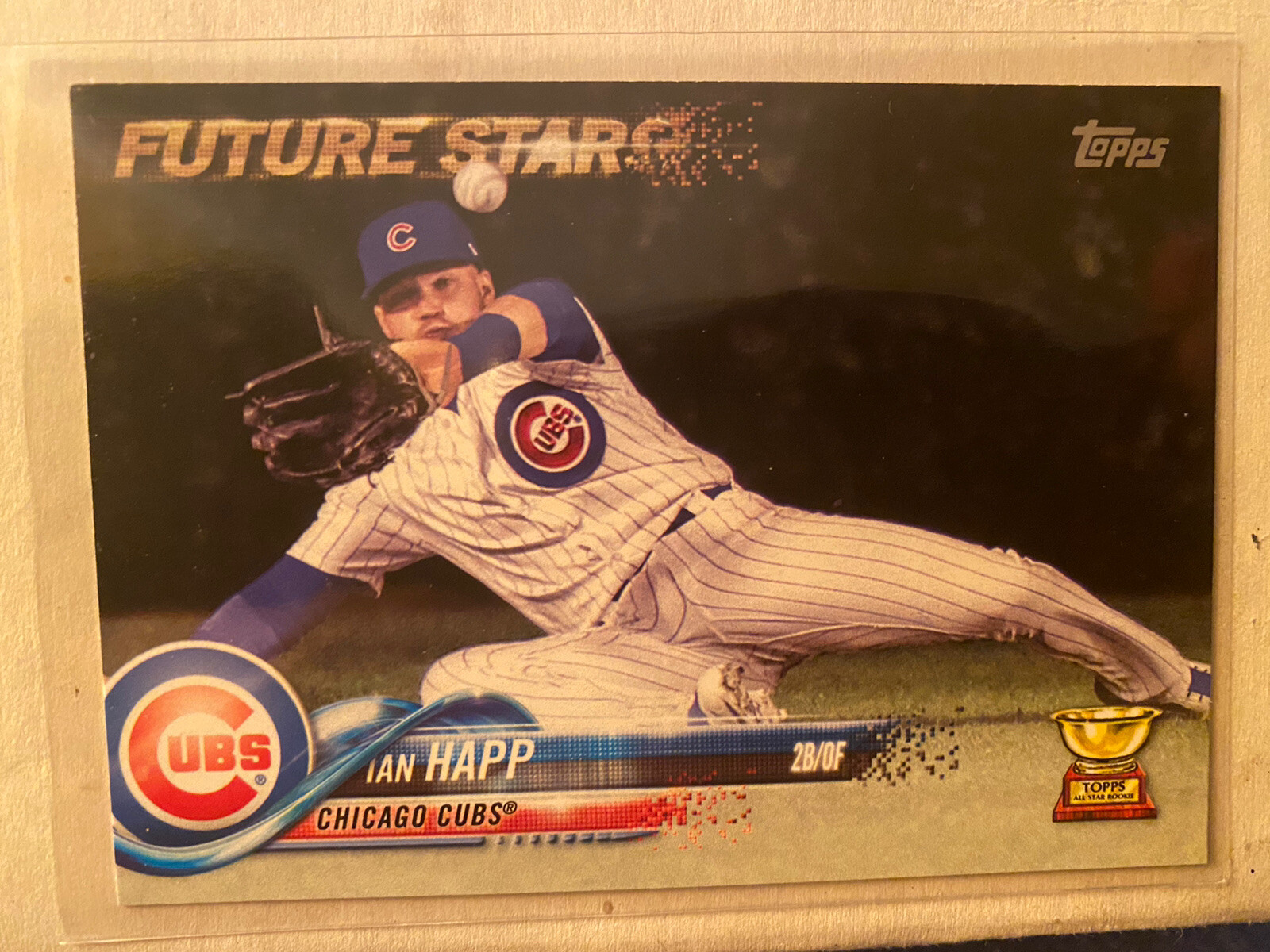
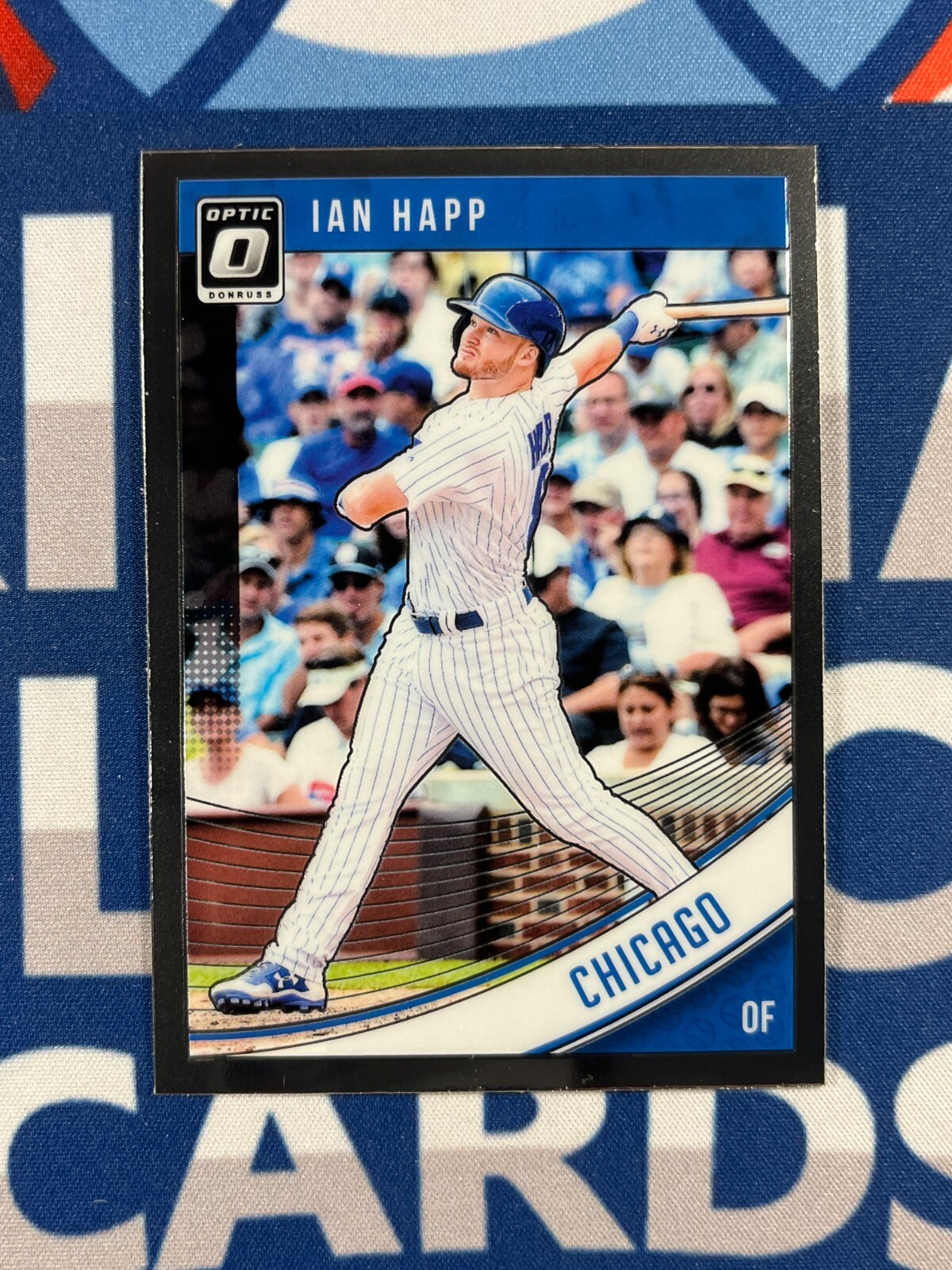
Ian Happ’s net worth in 2018 was primarily built upon his Major League Baseball rookie contract with the Chicago Cubs, featuring a standard major league minimum salary, a significant signing bonus, and early performance-based professional earnings. While exact private asset portfolios are not publicly disclosed, an overview of his financial standing during this era highlights the standard compensation structure for young MLB talents transitioning from top-tier draft prospects to established big-league contributors.
The financial ecosystem surrounding professional baseball players during their early career stages offers a fascinating glimpse into modern sports economics. For athletes like Ian Happ—who was selected ninth overall by the Chicago Cubs in the 2015 Major League Baseball Draft out of the University of Cincinnati—the journey to financial security involves navigating a tightly regulated compensation structure. Examining the financial landscape of Happ's career around 2018 requires a clear understanding of rookie salary scales, signing bonuses, endorsement opportunities, and the broader economic framework governing Major League Baseball players during their pre-arbitration years.
The Foundation of Professional Baseball Wealth: The 2015 Draft and Signing Bonus
To understand Ian Happ's financial standing in 2018, one must look back at the catalyst of his professional career: the 2015 MLB First-Year Player Draft. Selected in the first round as the ninth overall pick, Happ secured a substantial financial windfall before ever stepping onto a major league field.
Under Major League Baseball's collective bargaining agreement and slot value system, draft picks are assigned recommended bonus values. The slot value for the ninth pick in the 2015 draft was approximately $3.3 million. Happ ultimately signed with the Chicago Cubs for an agreed-upon bonus that closely aligned with this slot figure, providing him with immediate capital. This initial signing bonus serves as the bedrock for any young professional athlete's net worth, establishing a financial cushion that covers early-career living expenses, specialized training, and initial investments before major league salary earnings truly begin to accumulate.
Unlike players taken in later rounds who receive modest five-figure or even four-figure bonuses, a top-ten pick commands a multi-million-dollar commitment. This upfront asset allowed Happ to establish financial stability early on, separating his baseline net worth from the day-to-day fluctuations of minor league salaries.
Understanding Pre-Arbitration Salaries in 2018
By the 2018 Major League Baseball season, Ian Happ was a core component of the Chicago Cubs major league roster, having made his big-league debut in May 2017. However, during the 2018 season, Happ was classified as a pre-arbitration player.
In MLB, players with less than three years of major league service time (and those who do not qualify for the elite tier of the "Super Two" cutoff) are typically compensated at or near the major league minimum salary. In 2018, the MLB minimum salary was $545,000.
While half a million dollars annually represents an extraordinary income compared to the general population, a player's net worth does not simply equal their gross salary. Several vital financial obligations reduce take-home pay during a player's pre-arbitration years:
- Agent Fees and Representation: Professional baseball agents typically charge between 3% and 5% of a player's contract earnings.
- Federal, State, and Local Taxes: Professional athletes pay "jock taxes," meaning they are taxed based on the specific states and cities where they play their games throughout a grueling 162-game schedule.
- Union Dues: Contributions to the Major League Baseball Players Association (MLBPA) support collective bargaining and player benefits.
- Training and Nutritional Expenses: Maintaining elite physical condition requires year-round investments in private trainers, physical therapists, and specialized nutrition.
Consequently, while Happ earned a major league salary in 2018, his net worth growth was a steady accumulation rather than an overnight explosion, heavily anchored by his 2015 signing bonus and careful financial management.
Minor League Earnings Versus Major League Realities
A critical component of evaluating a player's early career finances is understanding the stark contrast between minor league compensation and major league earnings. Prior to his promotion in 2017 and his subsequent full season in the majors in 2018, Happ spent time in the Chicago Cubs minor league system, playing for teams like the Myrtle Beach Pelicans, Tennessee Smokies, and Iowa Cubs.
During his time in the minor leagues, monthly salaries were notoriously modest, often ranging from $1,500 to $3,000 per month only during the active season. Players historically received no compensation for spring training or the lengthy offseason. Therefore, the vast majority of Happ's liquid capital leading into 2018 stemmed entirely from his 2015 signing bonus rather than his minor league paychecks.
The 2018 season marked Happ's first full year of earning a full major league salary, drastically altering his cash flow trajectory and accelerating his net worth accumulation.
Endorsements, Memorabilia, and Ancillary Revenue Streams
In addition to base salaries and signing bonuses, modern professional athletes often supplement their income through commercial partnerships, equipment sponsorships, and memorabilia authentication.
As a prominent young player on a high-profile, large-market franchise like the Chicago Cubs—who played before packed crowds at Wrigley Field and a national television audience—Happ attracted attention from major sporting goods manufacturers. Equipment contracts, particularly with glove and bat brands, typically provide players with free gear and, in some cases, modest financial compensation or performance bonuses.
Furthermore, authentic memorabilia contracts through companies like Topps and Fanatics allow players to earn royalties from autographed baseball cards, game-used jerseys, and licensed merchandise. While these secondary streams of income are relatively modest for pre-arbitration players compared to veteran superstars, they still contribute incrementally to a player's total net worth profile during their breakout years.
Financial Comparison: Pre-Arbitration vs. Established Veterans
To contextualize Ian Happ's financial standing in 2018, it is helpful to examine the financial tiers within Major League Baseball during that specific era.
| Career Phase | Typical Service Time | Estimated 2018 Earnings Range | Primary Wealth Driver |
|---|---|---|---|
| Top Draft Prospect | 0 Years (Draft Year) | $2.5M – $5.0M+ | Initial Signing Bonus |
| Pre-Arbitration Player | 0 to 3 Years | $500K – $600K annually | MLB Minimum Salary |
| Arbitration-Eligible Player | 3 to 6 Years | $2.0M – $15.0M+ annually | Performance-Based Salary Arbitration |
| Veteran Free Agent | 6+ Years | $10.0M – $35.0M+ annually | Open Market Multi-Year Contracts |
As demonstrated in the table, Happ was positioned securely in the second tier in 2018. While his earnings were substantial, he was still years away from the lucrative arbitration and free-agent markets that ultimately define major multi-million-dollar sports fortunes.
Frequently Asked Questions
What was Ian Happ's signing bonus when he entered professional baseball?
Ian Happ signed with the Chicago Cubs in 2015 after being selected ninth overall in the MLB Draft. His signing bonus was aligned with the assigned slot value for that pick, which was approximately $3.3 million, providing the primary foundation for his early net worth.
Why were Ian Happ's earnings in 2018 lower than veteran players?
In 2018, Happ was classified as a pre-arbitration player because he had fewer than three years of major league service time. Consequently, he was compensated at or near the major league minimum salary of $545,000, whereas veteran players with service time in arbitration or free agency earned significantly higher salaries.
Did Ian Happ earn money from minor league contracts before 2018?
Yes, but minor league salaries during that era were relatively low, typically providing a few thousand dollars per month only during the active season. His substantial financial foundation coming into 2018 was derived almost entirely from his 2015 draft signing bonus.
How do taxes affect a professional baseball player's net worth?
Professional baseball players pay "jock taxes," meaning federal, state, and local income taxes are calculated based on the specific states and cities where they play games throughout the season. This significantly reduces a player's gross salary compared to their actual net take-home pay.
What factors contributed most to Ian Happ's net worth growth after 2018?
Following the 2018 season, Happ's net worth grew through continued major league service time, progression into salary arbitration, eventual multi-year contract extensions with the Chicago Cubs, and potential endorsement opportunities as an established veteran player and MLB All-Star.
Conclusion and Future Financial Outlook
Evaluating Ian Happ's net worth in 2018 reveals the disciplined financial transition typical of a high-draft-pick major leaguer. Balancing a multi-million-dollar initial signing bonus with a standard major league minimum salary, Happ navigated his early career within a tightly structured economic system. For fans and analysts studying sports finance, examining these formative years underscores how early draft position and steady major league roster retention lay the groundwork for long-term athletic wealth before arbitration and free agency unlock exponential earnings.