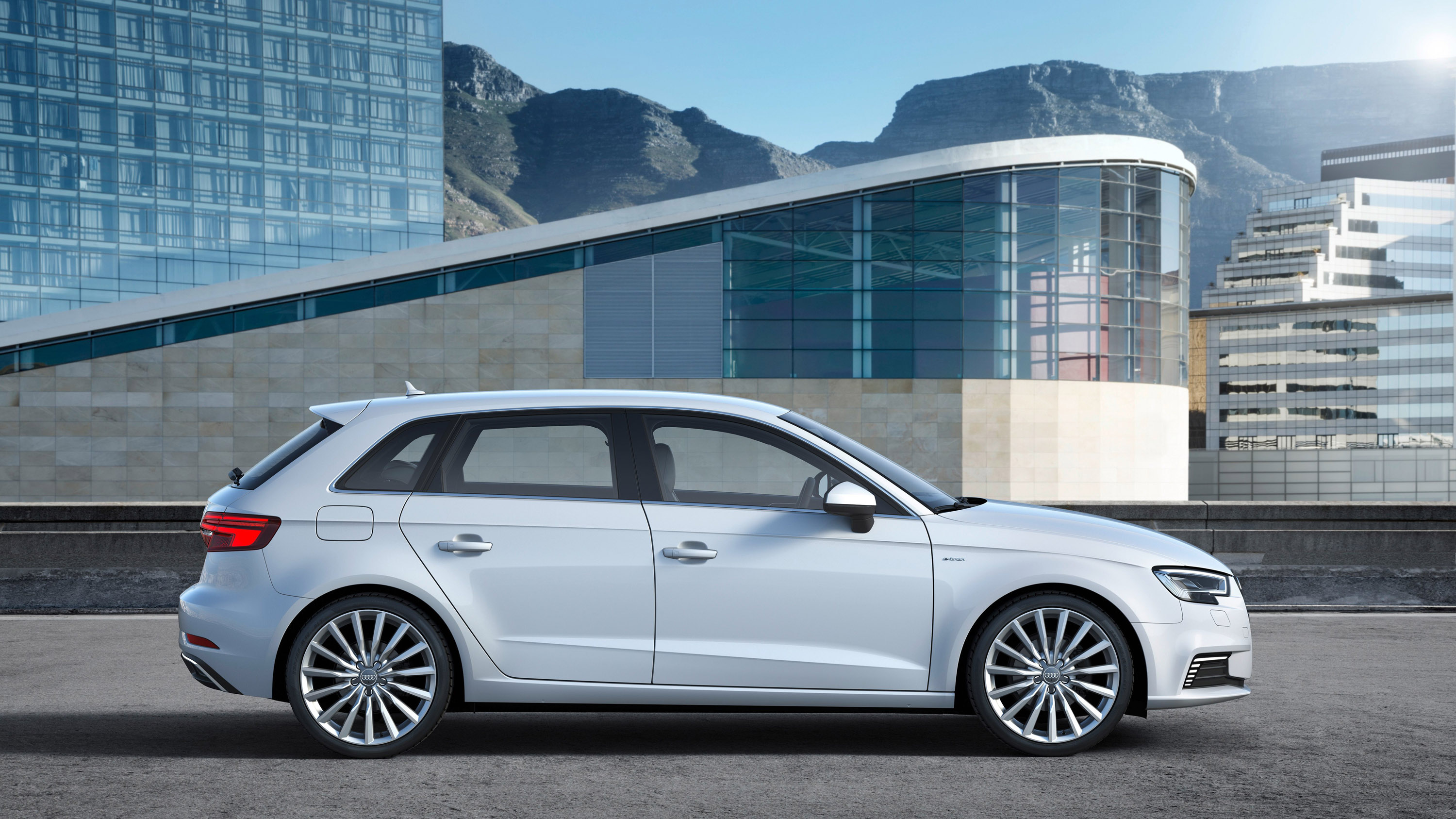
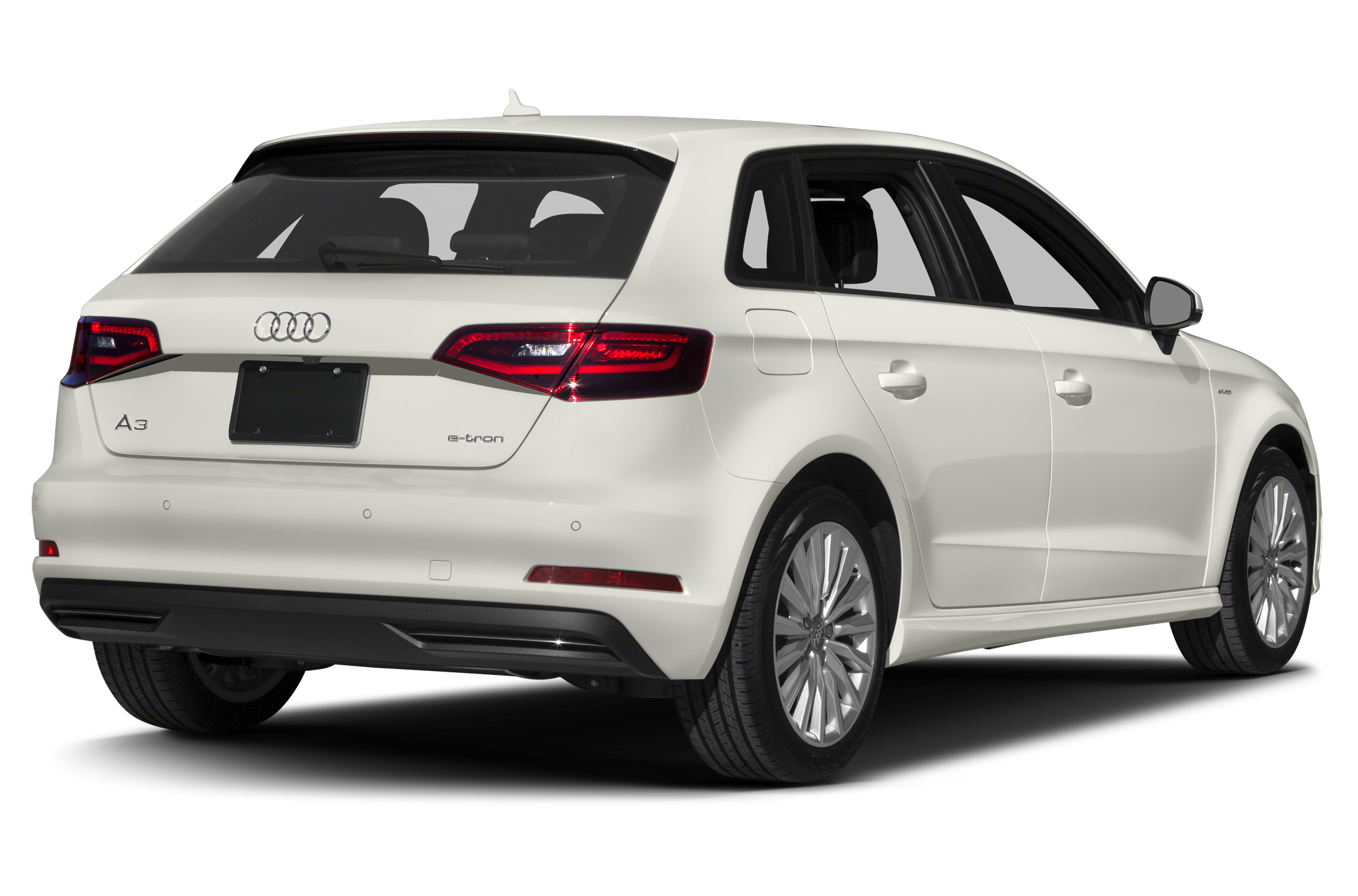
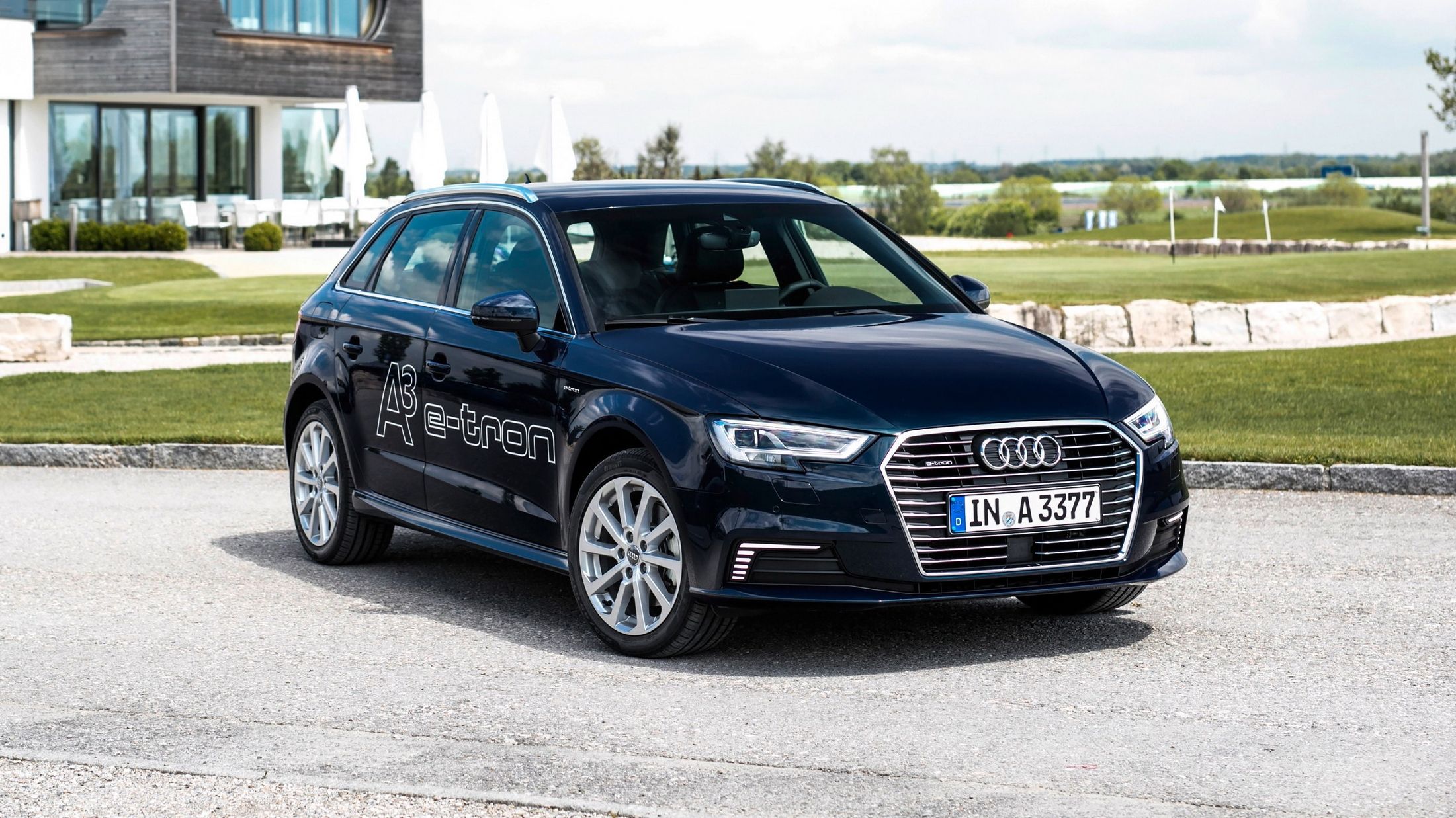
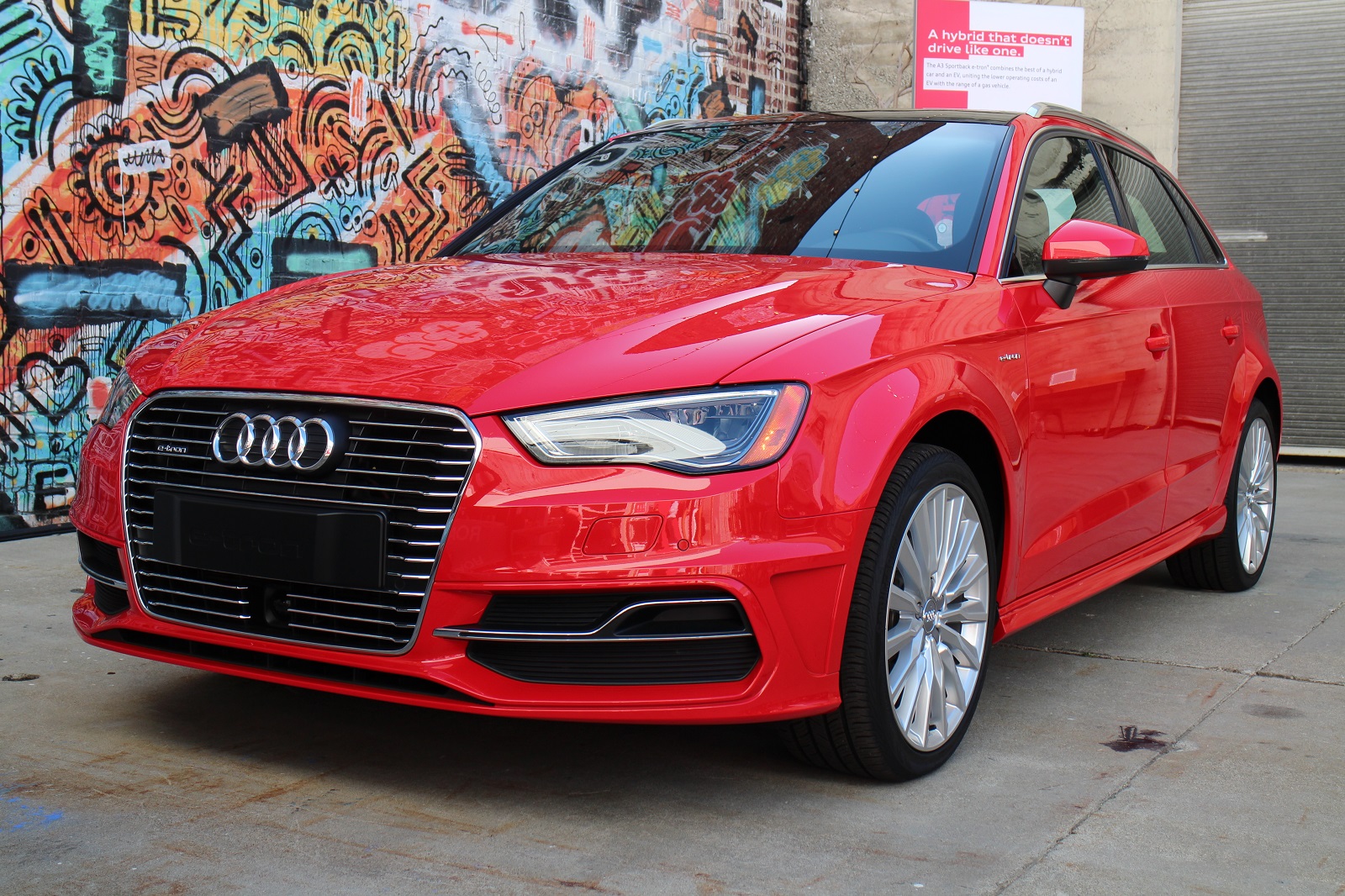
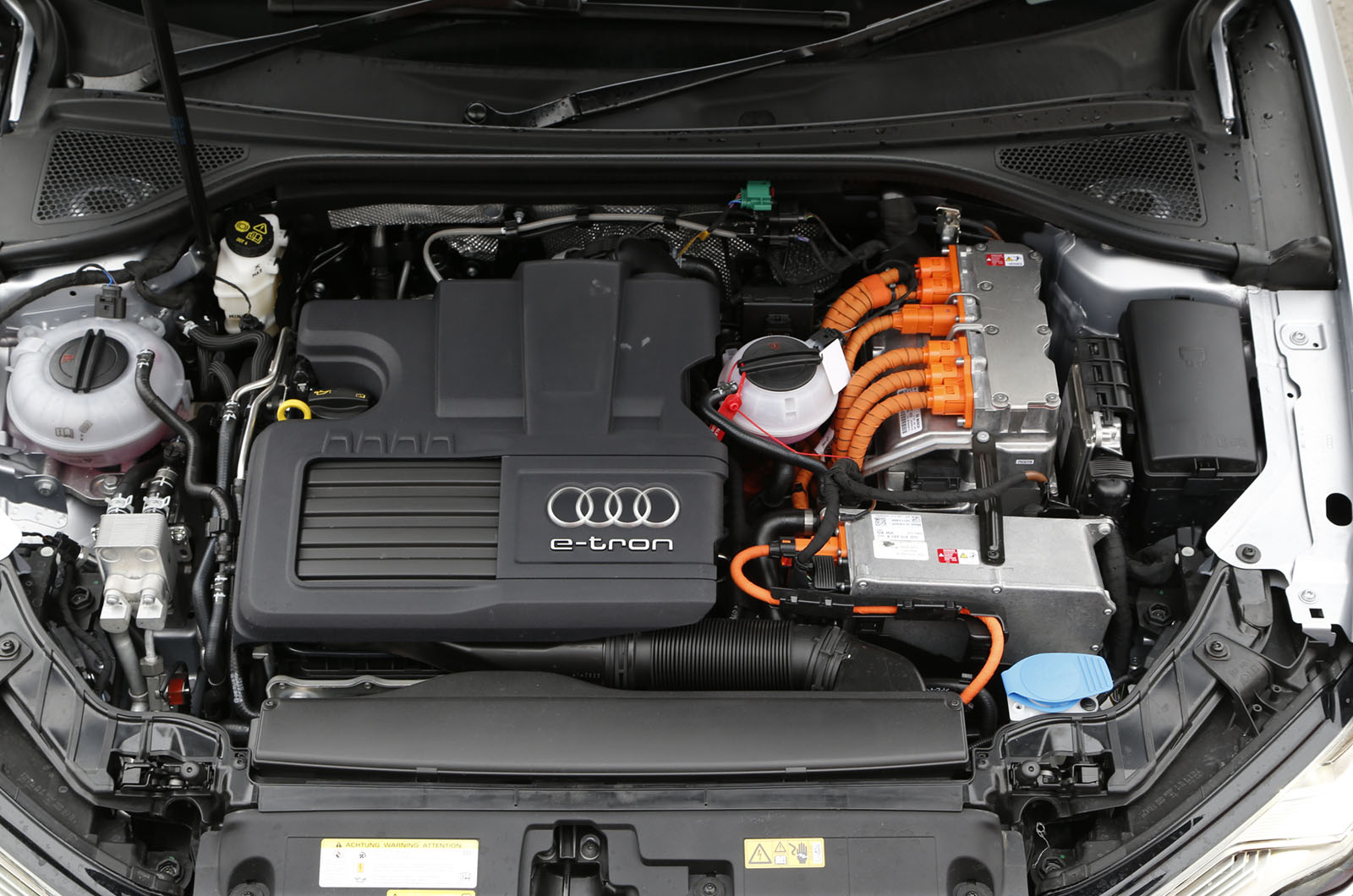
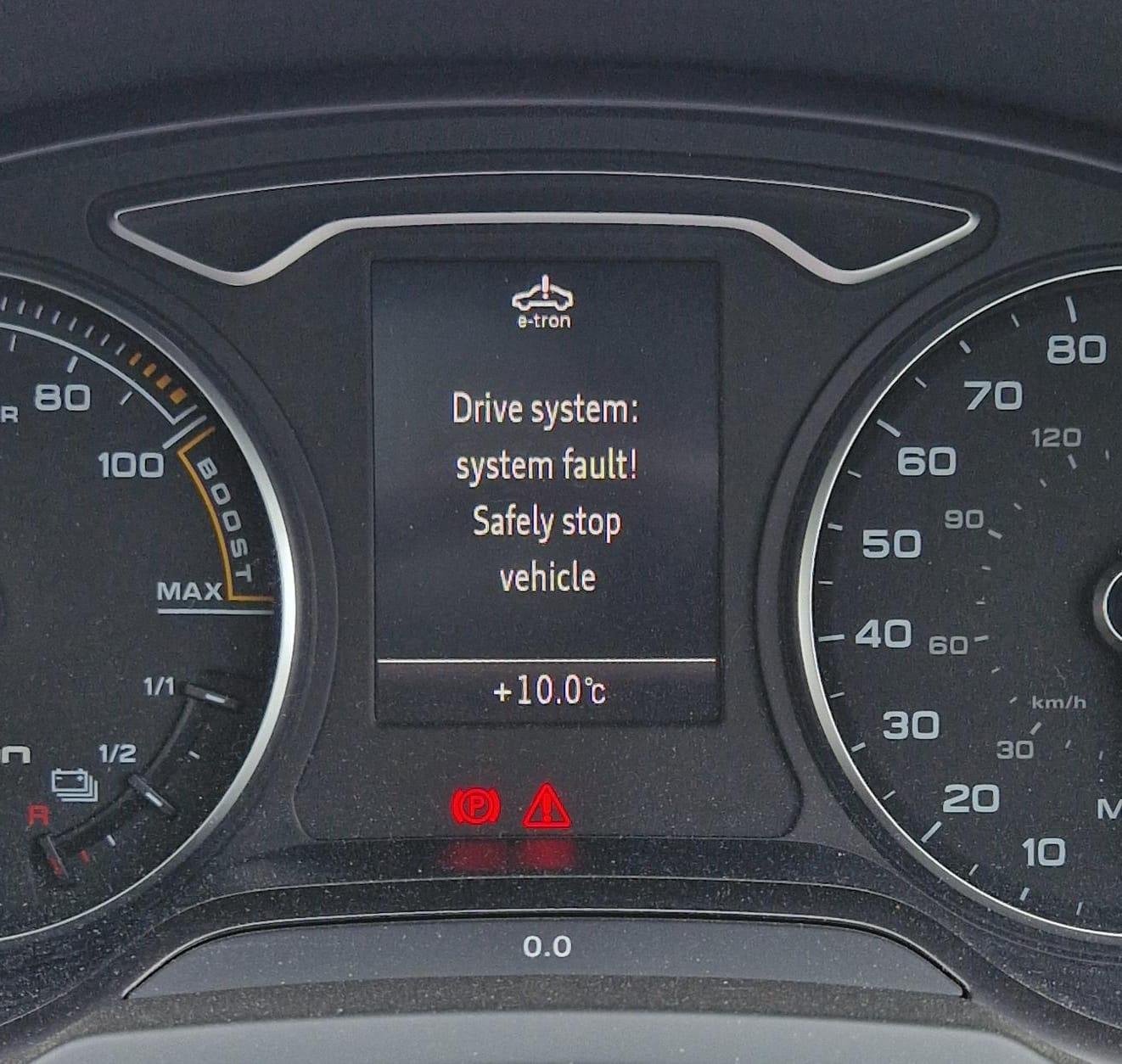
The 2016 Audi A3 Sportback e-tron represents a significant milestone as Audi’s first plug-in hybrid (PHEV) in the North American market. While it offers a premium interior and a versatile hatchback design, owners frequently encounter issues regarding high-voltage battery safety recalls, mechatronic unit failures in the dual-clutch transmission, and mechanical malfunctions of the front-mounted charging port.
As of 2026, many 2016 Audi A3 e-tron models have surpassed the decade mark, placing them in a critical period for long-term reliability. Understanding these common pitfalls is essential for current owners and those looking at the used market, where prices have become attractive but maintenance requirements remain sophisticated.
High-Voltage Battery Concerns and Recalls
The most pressing issue for the 2016 A3 e-tron involves its 8.8 kWh lithium-ion battery pack. Because this was Audi’s first-generation PHEV system, it has faced several significant challenges related to environmental sealing and internal safety.
The Battery Seal Fire Risk (Recall 80L1)
One of the most critical issues associated with this model year is the potential for moisture to enter the high-voltage battery housing. In various climates, particularly those with high humidity or heavy rainfall, the seals on the battery housing can degrade. If moisture enters the battery compartment, it can lead to an electrical short circuit, which significantly increases the risk of a fire.
Audi issued several recalls (notably the 80L1 campaign) to address this. The remedy typically involves technicians inspecting the battery for moisture and applying a specialized sealant. In some cases, if damage is already detected, the entire battery module or housing must be replaced. By 2026, most vehicles should have had this performed, but any prospective buyer must verify the service history through an authorized Audi dealer.
Battery Capacity Degradation
By 2026, a 2016 model has likely undergone thousands of charge-discharge cycles. Originally rated for approximately 16 to 22 miles of all-electric range by the EPA, many owners now report a "real-world" range of 10 to 14 miles. This degradation is a natural chemical process, but it can be accelerated by frequent "Level 2" fast charging and exposure to extreme temperatures. If the EV range drops below 50% of its original capacity, it may indicate a failing cell rather than standard wear, necessitating a complex and expensive diagnostic process.
Transmission and Drivetrain Issues
The 2016 Audi A3 e-tron uses a specialized version of the 6-speed S-tronic dual-clutch transmission (the DQ400e). Unlike standard gasoline A3 models, this unit integrates the electric motor between the engine and the gearbox, adding a layer of mechanical complexity.
Mechatronic Unit Failures
The mechatronic unit is the "brain" of the transmission, using hydraulic fluid and electronic sensors to manage gear shifts. Owners often report a "shuddering" sensation when the car transitions from electric to gasoline power. In more severe cases, the transmission may enter "limp mode," where it refuses to shift into certain gears or loses drive entirely. Replacing a mechatronic unit is a high-cost repair, often exceeding $3,000 in current 2026 labor and parts markets.
Disconnect Clutch Malfunctions
The A3 e-tron features a third clutch, known as the "K0" or disconnect clutch, which allows the gasoline engine to decouple from the drivetrain during EV-only driving. If this clutch fails or experiences software synchronization issues, the transition between power sources becomes jarring. Owners may hear a "clunk" or feel a significant lurch when the 1.4L TFSI engine kicks in. This is often resolved through a "basic settings" adaptation via diagnostic software (like VCDS or ODIS), but physical wear on the clutch pack requires a full transmission teardown.
Charging Port and Electrical System Malfunctions
The design of the 2016 A3 e-tron features a charging port hidden behind the four-ring Audi emblem on the front grille. While aesthetically pleasing, this mechanical setup is a frequent point of failure.
Charging Door Seizure
The motorized latch and spring-loaded mechanism for the charging door are prone to seizing, especially in regions that experience freezing winters or high salt exposure. The plastic gears inside the mechanism can strip, or the locking pin can become stuck. If the door does not open, the vehicle cannot be charged, essentially turning it into a heavy, less efficient conventional hybrid. Regular lubrication of the hinge and pin is a necessary but often overlooked maintenance task.
Charging Cable Communication Errors
A common frustration for owners is the "Yellow Glow" or "Red Glow" light on the charging port. This often indicates a communication error between the car and the Electric Vehicle Service Equipment (EVSE). While sometimes caused by a faulty charging cable, it is frequently traced back to the onboard charger (OBC) module. Replacing the OBC is a specialized task that involves draining the high-voltage cooling system, making it a labor-intensive repair.
The 1.4L TFSI Engine: Common Mechanical Problems
While much focus is on the hybrid system, the internal combustion engine (ICE) has its own set of requirements. The 2016 e-tron uses the EA211 1.4-liter turbocharged engine.
Carbon Buildup on Intake Valves
Like most direct-injection engines, the 1.4L TFSI is susceptible to carbon deposits forming on the intake valves. Because the e-tron often runs for short bursts or may not reach full operating temperature during short commutes, carbon buildup can occur more rapidly than in a standard gasoline car. Symptoms include rough idling, reduced fuel economy, and occasional misfires. A professional "walnut blasting" cleaning is typically recommended every 60,000 to 80,000 miles.
Timing Belt Maintenance
Unlike the larger 2.0L engines found in standard A3s of this era, which use timing chains, the 1.4L engine in the e-tron uses a timing belt. By 2026, almost every 2016 e-tron should have had this belt replaced. Failure to replace the belt can lead to catastrophic engine failure if it snaps. Owners should verify the water pump and tensioners were replaced simultaneously, as these are common leak points.
Interior, Infotainment, and Body Issues
The A3 e-tron shares many components with the standard 8V-generation A3, inheriting several known "platform" issues.
- MMI Screen Motor Failure: The retractable MMI (Multi-Media Interface) screen is a signature Audi feature, but the plastic gears that raise and lower the screen frequently break. This leaves the screen stuck in the "down" or "half-way" position.
- Sunroof Leaks: The panoramic sunroof drains can become clogged with debris. If not cleared, water backs up and leaks into the headliner, potentially damaging sensitive electronics or causing mold.
- Wheel Bearing Wear: Owners often report premature humming or growling noises from the front wheel bearings. The added weight of the e-tron's battery pack (approximately 300 lbs) puts additional stress on the suspension and hub assemblies compared to the base A3.
Summary of Major Issues and Estimated Repair Costs (2026 Pricing)
The following table outlines the most common problems encountered with the 2016 Audi A3 e-tron, their symptoms, and the typical costs associated with addressing them in the current market.
| Component | Common Issue | Primary Symptoms | Estimated Cost (Labor + Parts) |
|---|---|---|---|
| High-Voltage Battery | Moisture Ingress / Fire Risk | Recall alert; loss of EV range; warning lights. | $0 (if under recall) / $8,000+ (replacement) |
| S-tronic Transmission | Mechatronic Unit Failure | Harsh shifting; limp mode; gear engagement delay. | $2,800 – $4,500 |
| Charging Port | Mechanical Latch Seizure | Door won't open; charging cable won't lock. | $400 – $750 |
| 1.4L TFSI Engine | Carbon Buildup | Rough idle; check engine light; poor MPG. | $600 – $900 |
| MMI System | Retractable Screen Failure | Screen stuck; grinding noise from dashboard. | $500 – $1,200 |
| Cooling System | Battery Coolant Leak | "Coolant Low" warning; pink crust on hoses. | $350 – $1,100 |
Maintenance Strategies for Long-Term Reliability
To mitigate these problems, owners must adhere to a more stringent maintenance schedule than a standard vehicle.
- Flush the Hybrid Cooling System: The e-tron has two separate cooling loops—one for the engine and one for the high-voltage electronics and battery. The hybrid coolant must be kept clean to prevent the high-voltage inverter from overheating, which can be a terminal failure for the vehicle.
- Exercise the Engine: PHEV owners often try to drive exclusively on electricity. However, the 1.4L engine needs to run periodically to circulate oil and prevent the fuel from going stale. Using "Hold" mode once a week for at least 15 minutes of highway driving is recommended.
- Inspect Sunroof Drains: Annually clear the drains to prevent cabin flooding. This is a simple DIY task using a flexible cable or compressed air.
- Software Updates: Ensure the vehicle has the latest "Target Management" software. Audi released several updates that improved how the car handles the transition between gas and electric, which can reduce wear on the transmission clutches.
Frequently Asked Questions
Is the 2016 Audi A3 e-tron battery covered by a warranty in 2026?
In most cases, no. The original federal mandate for hybrid battery warranties in the U.S. was 8 years or 80,000 miles (10 years or 150,000 miles in California Air Resources Board states). Since it is now 2026, most 2016 models are outside this window unless they were sold very late in the model year or are in a specific CARB state. You must check your VIN with a dealer to confirm the specific expiration date of your coverage.
Can I still drive the car if the high-voltage battery fails?
Generally, no. In the 2016 A3 e-tron, the high-voltage battery is responsible for starting the gasoline engine (as there is no traditional 12V starter motor). If the high-voltage system detects a critical fault or "isolation error," the vehicle will usually refuse to enter "Ready" mode, meaning the car cannot be driven at all, even on gasoline.
How much does it cost to replace the 2016 A3 e-tron battery?
As of 2026, a brand-new battery pack from Audi can cost between $10,000 and $12,000 including labor. However, the secondary market for refurbished battery modules has grown. Specialized hybrid shops can often replace individual faulty cells or modules for $3,000 to $5,000, which is a more viable option for a car of this age.
Why does my car lurch when the gas engine starts?
This is typically due to a synchronization issue between the electric motor and the 1.4L TFSI engine. It can be caused by worn motor mounts, a failing K0 disconnect clutch, or simply outdated transmission software. A "DSG Adaptation" performed by a mechanic is the first and most cost-effective step to resolve this.
Is the 2016 Audi A3 e-tron reliable for high-mileage driving?
The gasoline engine is quite robust, but the peripheral hybrid components are the weak link. If you are buying a high-mileage e-tron (over 120,000 miles), ensure that the mechatronic unit and the timing belt have been replaced. Without those two service items, the risk of a high-cost failure is substantial.
Final Recommendation
The 2016 Audi A3 e-tron remains an attractive entry point into the world of premium plug-in hybrids, offering a level of interior refinement that few modern economy PHEVs can match. However, it is not a "low-maintenance" vehicle. To avoid the most common problems, prioritize vehicles with a documented history of recall compliance—specifically the 80L1 battery seal recall. If you encounter transmission shuddering or charging port resistance, address these early to prevent them from cascading into more expensive mechanical failures. For those who do not have access to a specialized Audi technician or a hybrid-certified shop, the complexity of this first-generation system may outweigh the fuel savings.