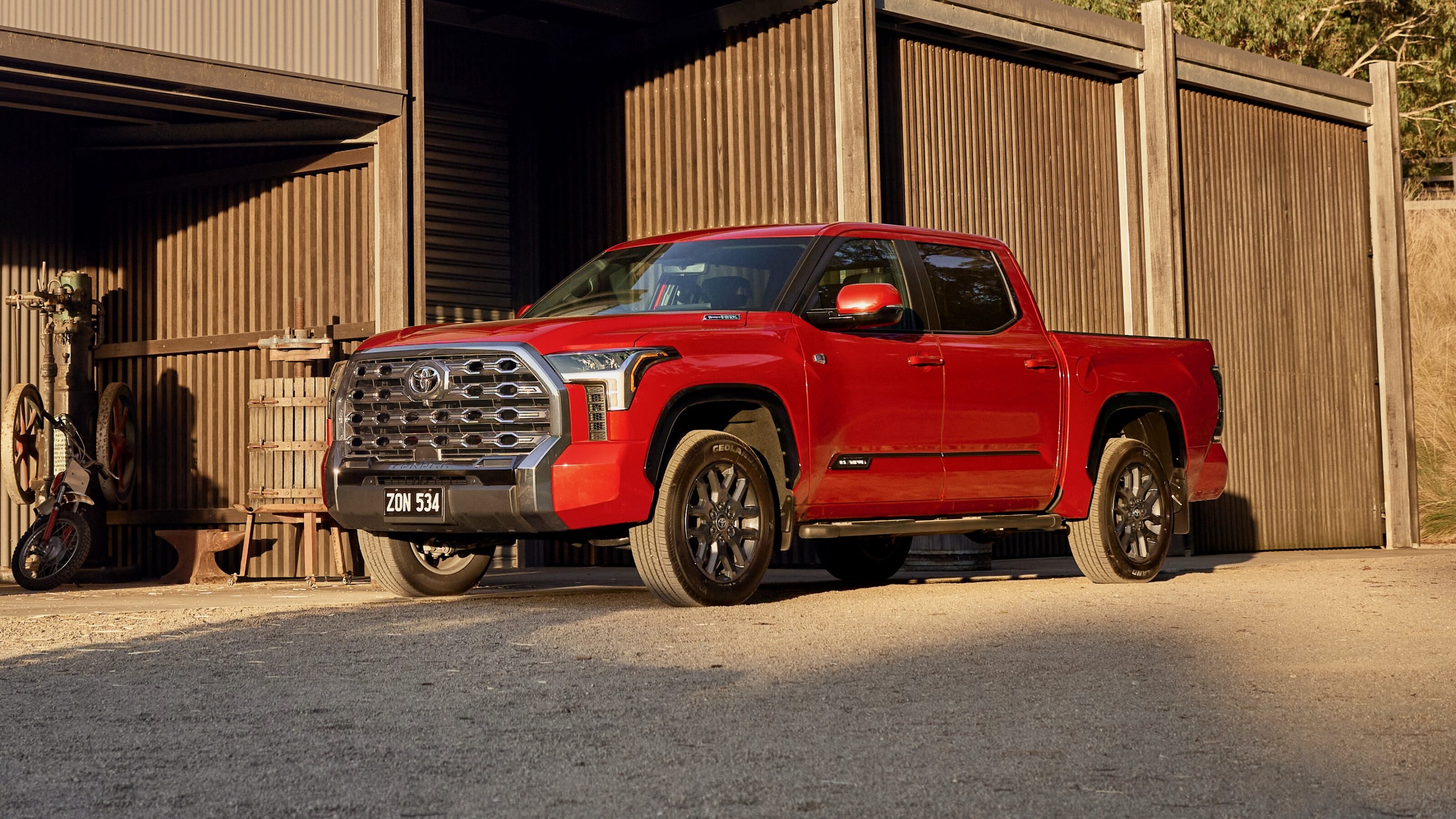
The 2014 Toyota Tundra V8 represents a major watershed moment in the full-size pickup truck's history, marked by a comprehensive exterior restyling, a radically redesigned interior, and the continuation of its robust 4.6-liter and 5.7-liter i-FORCE V8 engines. This timeline explores the background, release milestones, trim-level structures, mechanical configurations, and long-term standing of the 2014 model year within the broader generation span of the second-generation Toyota Tundra.
Introduction to the 2014 Tundra Generation Shift
When Toyota introduced the second-generation Tundra for the 2007 model year, it established the Japanese automaker as a serious contender in the North American full-size truck market. By 2014, however, fierce competition from Detroit manufacturers prompted Toyota to execute a major mid-cycle refresh rather than an entirely new ground-up redesign.
The 2014 refresh focused heavily on addressing consumer feedback regarding interior utility, exterior styling presence, and trim-level differentiation. While the heavy-duty 4.6L and 5.7L V8 engines and underlying frame carried over from the previous iteration, the sheet metal, cabin architecture, dashboard layout, and suspension tuning underwent a thorough transformation. This timeline-oriented examination details how the 2014 model came to be, its specific launch milestones, and its lasting operational framework.
Pre-Release Development and Historical Context (2011–2013)
Before the 2014 Tundra hit dealership lots, several structural and market pressures shaped its development timeline:
- Market Pressure (2011–2012): Competitors like Ford, Chevrolet, and Ram continuously updated their powertrains, cabin technology, and towing capabilities. Toyota recognized that the second-generation Tundra's interior—criticized for hard plastics and a utilitarian layout—needed a complete overhaul to compete with luxury-oriented trims from American manufacturers.
- Design Concept and Styling Phase (2012–Early 2013): Toyota's Calty Design Research centers in California and Michigan led the aesthetic redirection. The goal was to give the Tundra a “chiseled, muscular, and athletic” look, featuring a taller grille, a higher beltline, and a more integrated bumper structure.
- Official Unveiling (February 2013): Toyota officially debuted the redesigned 2014 Tundra at the Chicago Auto Show on February 7, 2013. The debut showcased the new exterior styling, the revised trim lineup, and the revamped interior cabins designed specifically around American truck owner preferences.
Production and Market Launch Timeline (Late 2013–2014)
The manufacturing and distribution of the 2014 model followed a structured timeline aligned with production schedules at Toyota Motor Manufacturing Texas (TMMTX) in San Antonio, Texas.
| Milestone Phase | Date / Period | Key Highlights |
|---|---|---|
| Production Launch | Summer 2013 | Assembly lines at TMMTX began rolling out early production units of the 2014 Tundra. |
| Dealership Arrival | Fall 2013 | Vehicles arrived at North American dealerships as early September/October 2013 models. |
| Full Model Year Cycle | Calendar Year 2014 | The official sales year for the 2014 model year, spanning standard production runs and mid-year adjustments. |
| Subsequent Updates | 2015–2016 | Minor feature reallocations and safety standard additions followed the major 2014 structural baseline. |
Trim-Level Evolution and Structural Changes in 2014
One of the most notable changes introduced for the 2014 model year was the reorganization of the trim-level hierarchy. Toyota streamlined lower-tier models while introducing ultra-premium trims to capture higher-margin consumer segments.
The Standard and Utility Trims
- SR (Work Truck): Replaced the older base configurations, featuring heavy-duty vinyl or cloth seating, a black grille, and standard work-oriented appointments. The 4.6L V8 was standard on many double-cab SR models, with the 5.7L available.
- SR5: Aimed at the volume-selling sweet spot, adding chrome bumpers, upgraded audio touchscreens, and more versatile interior storage options.
The Lifestyle and Premium Trims
- Limited: Positioned as a luxury-leaning option with standard leather-trimmed seating, dual-zone automatic climate control, 20-inch alloy wheels, and a premium navigation system.
- Platinum: Replaced previous luxury packages to become a top-tier urban cruiser, featuring premium perforated leather, heated and ventilated front seats, a JBL audio system, and brushed-aluminum interior accents.
- 1794 Edition: Introduced in 2014 as a Western-themed luxury trim named after the founding year of the Texas ranch on which the San Antonio assembly plant sits. It featured exclusive saddle-brown premium leather, suede accents, and unique exterior badging.
V8 Engine Specifications and Powertrain Architecture
The 2014 Tundra leaned heavily on its proven V8 engine lineup, discontinuing the older 4.0-liter V6 for base configurations in certain markets and making V8 power more central to the truck's identity.
4.6-Liter i-FORCE V8
- Displacement: 4,608 cc (4.6 liters)
- Valvetrain: 32-valve DOHC with Dual Independent Variable Valve Timing with intelligence (VVT-i)
- Output: 310 horsepower at 5,600 rpm and 327 lb-ft of torque at 3,400 rpm
- Transmission: 6-speed Electronically Controlled Automatic with intelligence (ECT-i)
5.7-Liter i-FORCE V8
- Displacement: 5,663 cc (5.7 liters)
- Valvetrain: 32-valve DOHC with Dual Independent VVT-i
- Output: 381 horsepower at 5,600 rpm and 401 lb-ft of torque at 3,600 rpm
- Transmission: 6-speed ECT-i with sequential shift mode and uphill/downhill shift logic
- Towing Capacity: Properly equipped 5.7L V8 models achieved maximum towing ratings exceeding 10,000 pounds, supported by an integrated trailer brake controller standard on higher trims.
Exterior Design and Aerodynamic Refinements
The 2014 redesign brought a distinct visual identity to the Tundra. The front fascia featured a bold, blocky grille that blended directly into the hood line, moving away from the more rounded aesthetic of the 2007–2013 models.
Engineers also redesigned the bed, incorporating a more integrated tailgate spoiler that slightly improved aerodynamic efficiency at highway speeds. Sheet metal stamping lines were deepened to create a more rugged, squared-off appearance, aligning with buyer expectations in the full-size pickup segment.
Interior Redesign and Ergonomic Overhaul
Perhaps the most praised aspect of the 2014 Tundra timeline was the total redesign of the dashboard and center console.
- Driver-Centric Layout: The center stack was brought closer to the driver by roughly 2.5 inches, making climate and audio controls easier to reach without leaning forward.
- Infotainment Upgrades: Integration of the Entune audio system, featuring touchscreen interfaces ranging from 6.1 inches to 7 inches, depending on the trim level.
- Material Quality: Upgraded soft-touch surfaces, improved stitching detail on upper trims, and revised seat foams designed to reduce fatigue on long-haul drives.
Safety and Structural Enhancements
Safety was a primary focal point during the 2014 update. While the high-strength steel frame carried over, Toyota integrated standard safety technologies mandated or expected by modern standards:
- Star Safety System: Included Vehicle Stability Control (VSC), Traction Control (TRAC), Anti-lock Brake System (ABS), Electronic Brake-force Distribution (EBD), Brake Assist, and Smart Stop Technology.
- Blind Spot Monitor (BSM) and Rear Cross-Traffic Alert (RCTA): Made available on upper trim levels like the Limited, Platinum, and 1794 Edition.
- Airbag Count: Equipped with eight standard airbags, including driver and front passenger knee airbags and roll-sensing side curtain airbags for all seating rows.
Frequently Asked Questions
What major changes were made to the Toyota Tundra in 2014?
The 2014 Tundra received a comprehensive exterior restyling, a completely redesigned interior dashboard and cabin layout, revised trim levels (including the introduction of the Platinum and 1794 Edition), and enhanced safety equipment while retaining its proven 4.6L and 5.7L V8 engines.
Which V8 engines were available in the 2014 Toyota Tundra?
Toyota offered two V8 options for the 2014 model year: a 4.6-liter i-FORCE V8 producing 310 horsepower and 327 lb-ft of torque, and a larger 5.7-liter i-FORCE V8 producing 381 horsepower and 401 lb-ft of torque. Both paired with a 6-speed automatic transmission.
What is the 1794 Edition Tundra introduced in 2014?
The 1794 Edition was a new, premium Western-themed luxury trim level introduced for the 2014 model year. Named after the founding year of the ranch in San Antonio where the Tundra assembly plant is located, it featured unique saddle-brown leather seating, suede inserts, and specialized badging.
How much can a 2014 Toyota Tundra V8 tow?
When properly equipped with the 5.7-liter i-FORCE V8 engine and the appropriate tow package, the 2014 Toyota Tundra could achieve maximum towing capacities in excess of 10,000 pounds, supported by standard trailer sway control and an available integrated trailer brake controller.
Did the 2014 Tundra get a new chassis?
No. The 2014 model utilized a heavily updated version of the second-generation box-section ladder frame introduced in 2007. The updates for 2014 focused on body panels, interior architecture, suspension tuning, and styling rather than a brand-new platform architecture.
Practical Recommendations for Prospective Buyers and Enthusiasts
For buyers exploring or maintaining a 2014 Toyota Tundra V8, prioritizing vehicle inspection over model-year changes is essential. Because the mechanical components—specifically the 5.7L V8 engine and 6-speed transmission—are widely regarded for mechanical longevity, focus verification efforts on routine maintenance records, frame inspection for rust in salt-belt regions, and verification of suspension components. Ensure that any vehicle under consideration has had its fluid changes documented regularly, particularly if used for heavy towing or commercial workloads.