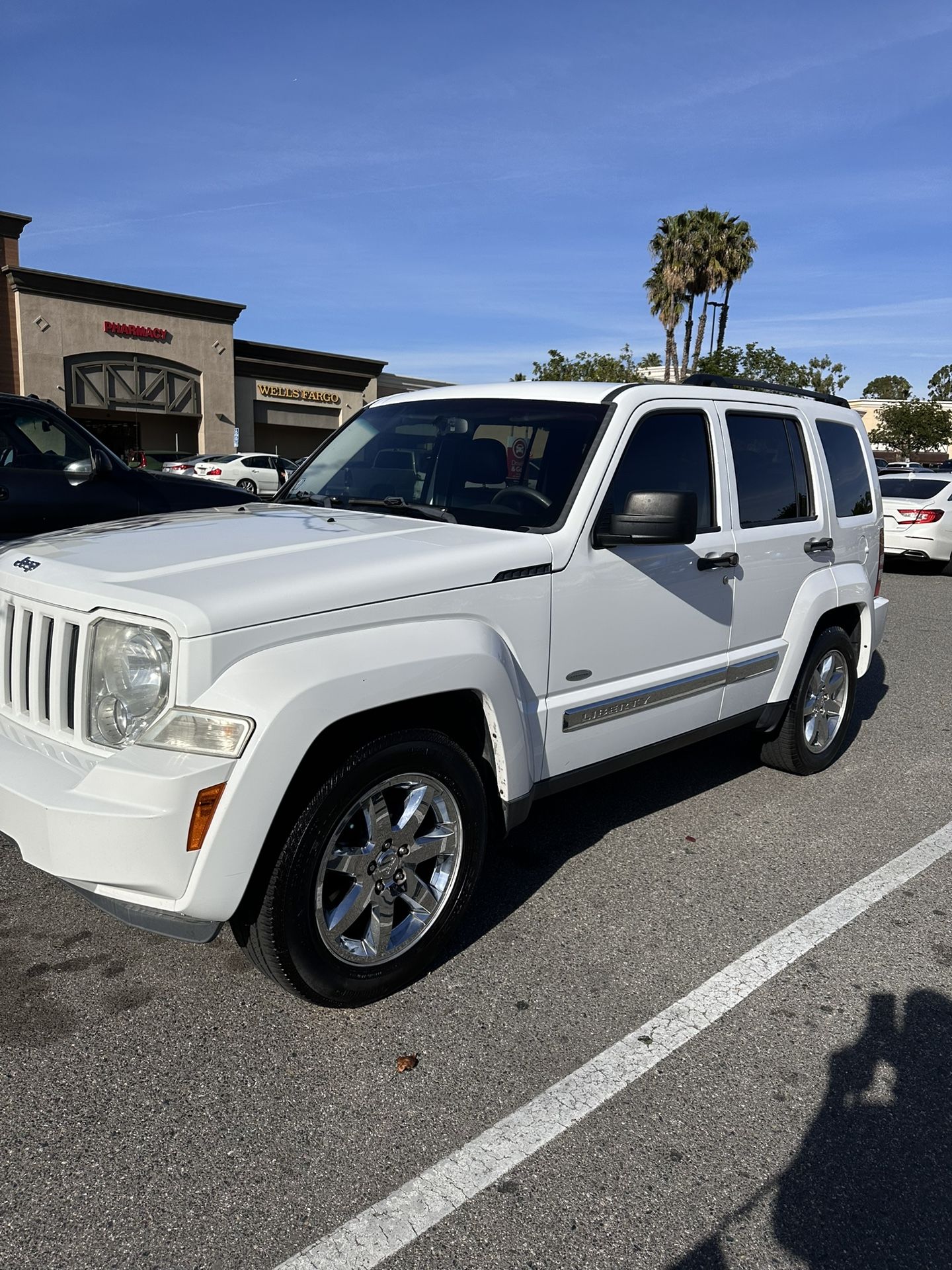
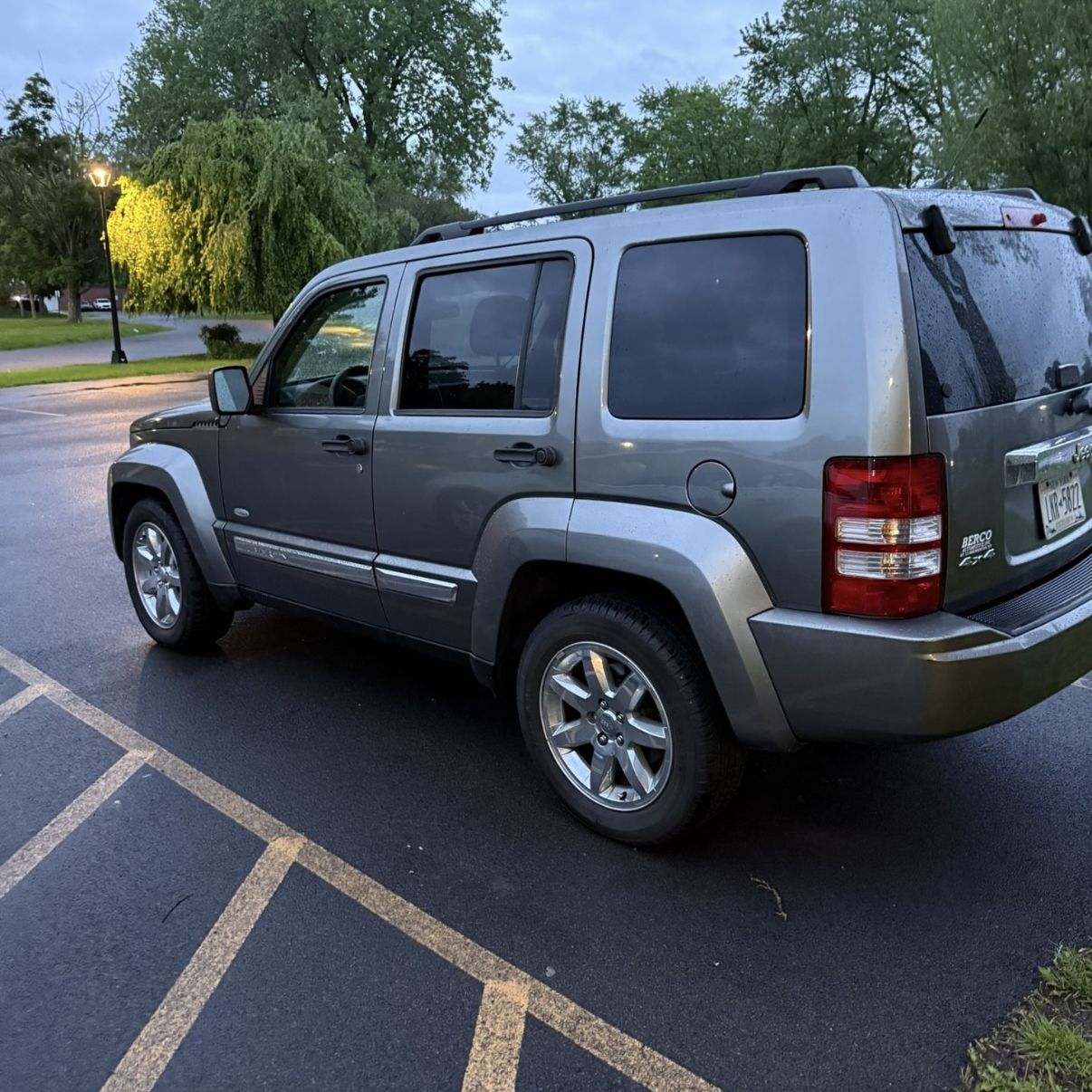
The 2012 Jeep Liberty has a curb weight that typically ranges between 3,985 and 4,290 pounds, depending on the drivetrain (2WD vs. 4WD) and trim level (Sport, Latitude, or Limited). Its Gross Vehicle Weight Rating (GVWR) is approximately 5,600 to 5,675 pounds, allowing for a payload capacity of roughly 1,150 pounds.
As we look back from 2026, the 2012 Jeep Liberty (the final year of the "KK" generation) remains a popular choice for budget-conscious off-road enthusiasts and those needing a rugged, compact SUV. Understanding the various weight specifications of this vehicle is critical for safe operation, whether you are calculating towing limits, replacing suspension components, or ensuring you aren't overloading the chassis during a cross-country move.
Understanding the Weight Class of the 2012 Jeep Liberty
The 2012 Jeep Liberty sits in a unique position in automotive history. Unlike many of its contemporaries from the early 2010s that moved toward lighter, car-based unibody platforms (like the Honda CR-V or Toyota RAV4), the Liberty maintained a "UniFrame" construction. This design integrated a traditional ladder frame into a unibody structure, providing the rigidity needed for off-roading but contributing to a higher overall mass compared to its rivals.
Curb Weight vs. Gross Vehicle Weight Rating (GVWR)
To accurately discuss the weight of the 2012 Jeep Liberty, one must distinguish between several technical terms:
- Curb Weight: This is the weight of the vehicle with all standard equipment and a full tank of fuel, but without any passengers or cargo. It is the baseline "empty" weight.
- GVWR (Gross Vehicle Weight Rating): This is the maximum allowable weight of the vehicle when fully loaded. It includes the curb weight plus the weight of the driver, passengers, cargo, and the tongue weight of any trailer being towed.
- Payload Capacity: Calculated by subtracting the curb weight from the GVWR. This is the amount of "stuff" (people and gear) you can legally and safely put inside the vehicle.
For the 2012 Liberty, the curb weight is relatively high for a compact SUV, reflecting its heavy-duty mechanical components, such as the cast-iron block of the 3.7L V6 engine and the robust four-wheel-drive transfer cases.
2012 Jeep Liberty Curb Weight by Trim and Drivetrain
The weight of the Liberty varies based on the equipment installed. The addition of a 4WD system, luxury interior features, and larger wheels all add up on the scale.
Sport Trim (Base Model)
The Sport trim was the entry-level offering. In its 2WD configuration, it is the lightest version of the 2012 Liberty, weighing in at approximately 3,985 lbs. When equipped with the Command-Trac II 4WD system, the weight jumps to roughly 4,222 lbs. The weight increase is attributed to the front differential, half-shafts, and the transfer case.
Latitude and Limited Trims
The Latitude and Limited trims added creature comforts such as power-adjustable leather seats, premium sound systems, and additional sound-deadening materials. A 2012 Jeep Liberty Limited with 4WD and the Selec-Trac II full-time 4WD system is the heaviest configuration, reaching approximately 4,290 lbs.
While 100 to 300 pounds may not seem significant, this extra weight impacts the vehicle's power-to-weight ratio, especially since all 2012 models utilized the same 210-horsepower 3.7L V6 engine.
The Impact of 4WD Systems on Vehicle Mass
One of the primary reasons for weight variance in the 2012 Liberty is the choice of 4WD systems. Jeep offered two distinct setups:
- Command-Trac II (Part-Time 4WD): This is a traditional shift-on-the-fly system. It uses a manual or electronic transfer case to lock the front and rear driveshafts together. The hardware required—including the transfer case, front driveshaft, and front axle assembly—adds nearly 240 pounds to the vehicle’s base weight.
- Selec-Trac II (Full-Time 4WD): Available primarily on the Limited trim, this system uses an electronically controlled clutch pack in the transfer case to allow for full-time use on dry pavement. The sophisticated sensors and clutch mechanisms make this slightly heavier than the part-time system.
In 2026, many owners who modify these vehicles for trail use find that adding skid plates (which were optional or standard on the Renegade/Arctic editions) adds another 60 to 100 pounds of low-slung protection, further increasing the curb weight but improving the center of gravity.
2012 Jeep Liberty Weight Specifications Table
The following table provides a detailed breakdown of the weight ratings for the 2012 Jeep Liberty across its most common configurations.
| Specification | 2WD Models (Sport/Limited) | 4WD Models (Sport/Limited) |
|---|---|---|
| Curb Weight | 3,985 lbs – 4,075 lbs | 4,222 lbs – 4,290 lbs |
| GVWR | 5,600 lbs | 5,675 lbs |
| Payload Capacity | ~1,150 lbs | ~1,150 lbs |
| Max Towing Capacity | 2,000 lbs (Standard) | 5,000 lbs (with Class III) |
| Front GAWR | 2,750 lbs | 2,850 lbs |
| Rear GAWR | 3,150 lbs | 3,250 lbs |
| Fuel Tank Capacity | 19.5 Gallons (~120 lbs) | 19.5 Gallons (~120 lbs) |
Note: GAWR stands for Gross Axle Weight Rating, representing the maximum weight that can be placed on the front or rear axles individually.
Payload and Loading Considerations
The payload capacity of the 2012 Jeep Liberty is consistently cited around 1,150 lbs. This figure is vital for safety. If you have four adult passengers weighing an average of 200 lbs each, you have already used 800 lbs of your payload capacity. This leaves only 350 lbs for luggage, fuel, and aftermarket accessories.
Why You Shouldn't Exceed the GVWR
Exceeding the 5,675-lb GVWR of the 4WD Liberty carries several risks:
- Braking Performance: The Liberty uses four-wheel disc brakes, but they are sized for the vehicle's rated capacity. Overloading increases the kinetic energy the brakes must dissipate, leading to longer stopping distances and potential brake fade.
- Suspension Wear: Constant overloading stresses the coil springs and shocks. By 2026, many 2012 models are likely on their second or third set of shocks; overloading will accelerate the failure of these components.
- Tire Integrity: Every tire has a load index. Exceeding the GVWR can put individual tires past their safe operating limit, increasing the risk of a high-speed blowout.
Towing Capacity and GCWR
The weight of the vehicle itself dictates how much it can safely tow. The Gross Combined Weight Rating (GCWR) for a 2012 Jeep Liberty equipped with the optional Trailer Tow Class III Group is approximately 10,175 lbs.
Standard vs. Max Towing
Out of the box, the 2012 Liberty is rated to tow 2,000 lbs. This is a "bumper pull" limit suitable for small utility trailers or jet skis. To reach the 5,000-lb maximum towing capacity, the vehicle must be equipped with the factory towing package, which includes:
- A heavy-duty engine cooling system.
- A power steering oil cooler.
- A Class III hitch receiver.
- A 7-pin wiring harness.
When towing near the 5,000-lb limit, the weight of the trailer significantly influences the Liberty's handling. Because the Liberty has a relatively short wheelbase (106.1 inches), a heavy trailer can cause "the tail to wag the dog" if not properly balanced. Using a weight-distributing hitch is highly recommended for any trailer over 3,500 lbs to ensure weight is distributed across both axles of the Jeep.
How Weight Affects Performance and Fuel Economy
The 2012 Jeep Liberty is often criticized for its fuel economy, and its weight is a primary culprit. Weighing over two tons while powered by an older-generation 3.7L SOHC V6 and a 4-speed automatic transmission (the 42RLE), the vehicle requires significant energy to overcome inertia.
Fuel Economy (MPG)
The EPA ratings for the 2012 Liberty were 16 city / 22 highway for 2WD and 15 city / 21 highway for 4WD. The roughly 240-lb penalty for the 4WD system results in a noticeable drop in efficiency. In 2026, as fuel efficiency standards for modern vehicles have soared, the Liberty’s weight-to-efficiency ratio makes it a specialized vehicle rather than a daily commuter for most.
Acceleration and Braking
With a power-to-weight ratio of about 20 lbs per horsepower, the Liberty is not built for speed. The weight ensures a planted feel on the highway and stability in heavy winds, but it also means that 0-60 mph times are in the 9-to-10-second range.
Maintaining a High-Weight Vehicle in 2026
If you are maintaining a 2012 Jeep Liberty today, you must account for its mass in your maintenance schedule. Heavy vehicles put more strain on consumables.
- Brake Pads and Rotors: Look for heavy-duty ceramic pads that can handle the heat generated by stopping a 4,300-lb SUV.
- Bushings and Ball Joints: The front independent suspension (IFS) of the Liberty carries a lot of weight. Check the lower ball joints and control arm bushings frequently for signs of tearing or play.
- Tire Pressure: Always maintain the manufacturer-recommended PSI (usually 33 PSI for stock tires). Under-inflated tires on a heavy vehicle generate excessive heat and reduce fuel economy even further.
Frequently Asked Questions
What is the tongue weight limit for a 2012 Jeep Liberty?
The maximum tongue weight is typically 10% of the maximum towing capacity, which is 500 lbs when equipped with the Class III tow package. It is vital to remember that tongue weight counts toward your total payload capacity. If your trailer puts 500 lbs on the hitch, you only have about 650 lbs left for passengers and interior cargo.
Is the 2012 Jeep Liberty too heavy to be flat-towed behind an RV?
With a curb weight of approximately 4,200 lbs, the 2012 Liberty is a popular "toad" (towed vehicle) because its 4WD system features a neutral position in the transfer case. However, you must ensure your RV's hitch and braking system are rated for at least 5,000 lbs to safely accommodate the Liberty's mass.
How much weight can the roof rack on a 2012 Liberty hold?
The factory-installed roof side rails are generally rated for a maximum capacity of 150 lbs. This includes the weight of the crossbars and the cargo itself. Exceeding this limit raises the vehicle's center of gravity, significantly increasing the risk of a rollover during emergency maneuvers.
Does the "Jet" or "Arctic" edition weigh more?
These special editions primarily consist of aesthetic upgrades, larger wheels (20-inch wheels on the Jet edition), and specific trim. The 20-inch wheels and tires are heavier than the standard 16-inch or 17-inch versions, adding roughly 5 to 10 lbs per corner of unsprung weight, which can slightly affect ride quality but does not significantly change the GVWR.
How does the weight of the 2012 Liberty compare to the Jeep Wrangler of the same year?
The 2012 Jeep Wrangler (JK) 4-door Unlimited has a curb weight of roughly 4,075 to 4,300 lbs, making it very similar to the Liberty. However, the Wrangler uses a full body-on-frame construction and solid front axles, whereas the Liberty uses the UniFrame and IFS. Despite the weight similarities, the Liberty's design offers slightly better on-road stability but less extreme off-road articulation.
Practical Recommendation for Owners
If you own or are looking to purchase a 2012 Jeep Liberty in 2026, the most important action you can take regarding its weight is to verify the presence of a transmission cooler.
The Liberty's 4,000-lb+ weight puts constant strain on the 42RLE automatic transmission. If you plan on utilizing the 1,150-lb payload or 5,000-lb towing capacity, heat is your primary enemy. Ensure your transmission fluid is bright red and consider an aftermarket auxiliary cooler if your vehicle was not equipped with the factory tow package. Additionally, always weigh your vehicle at a commercial scale (like a CAT scale) if you are unsure about your total load before a long trip. Staying within the 5,675-lb GVWR is the single best way to ensure the longevity of your engine, transmission, and brakes.