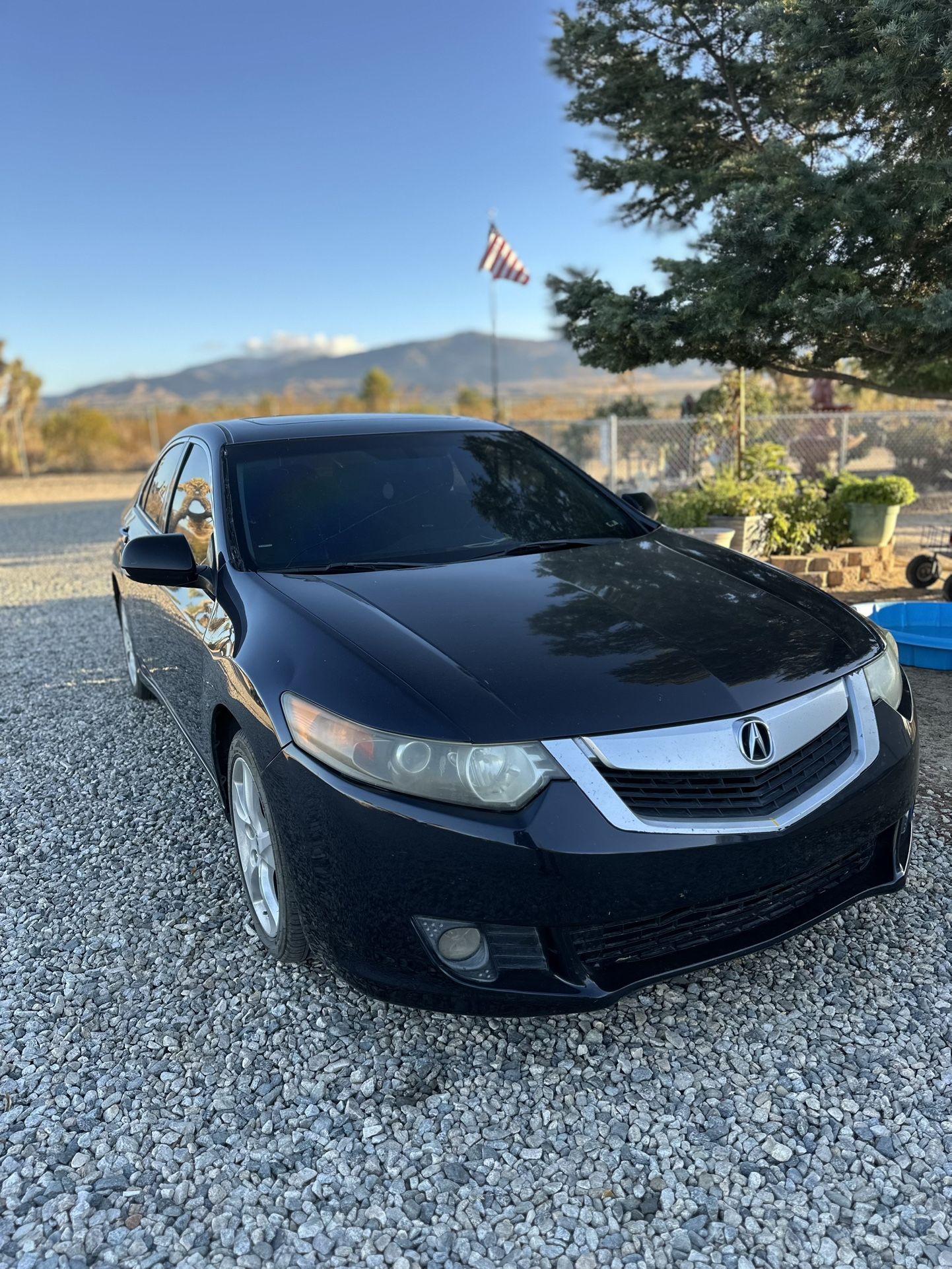
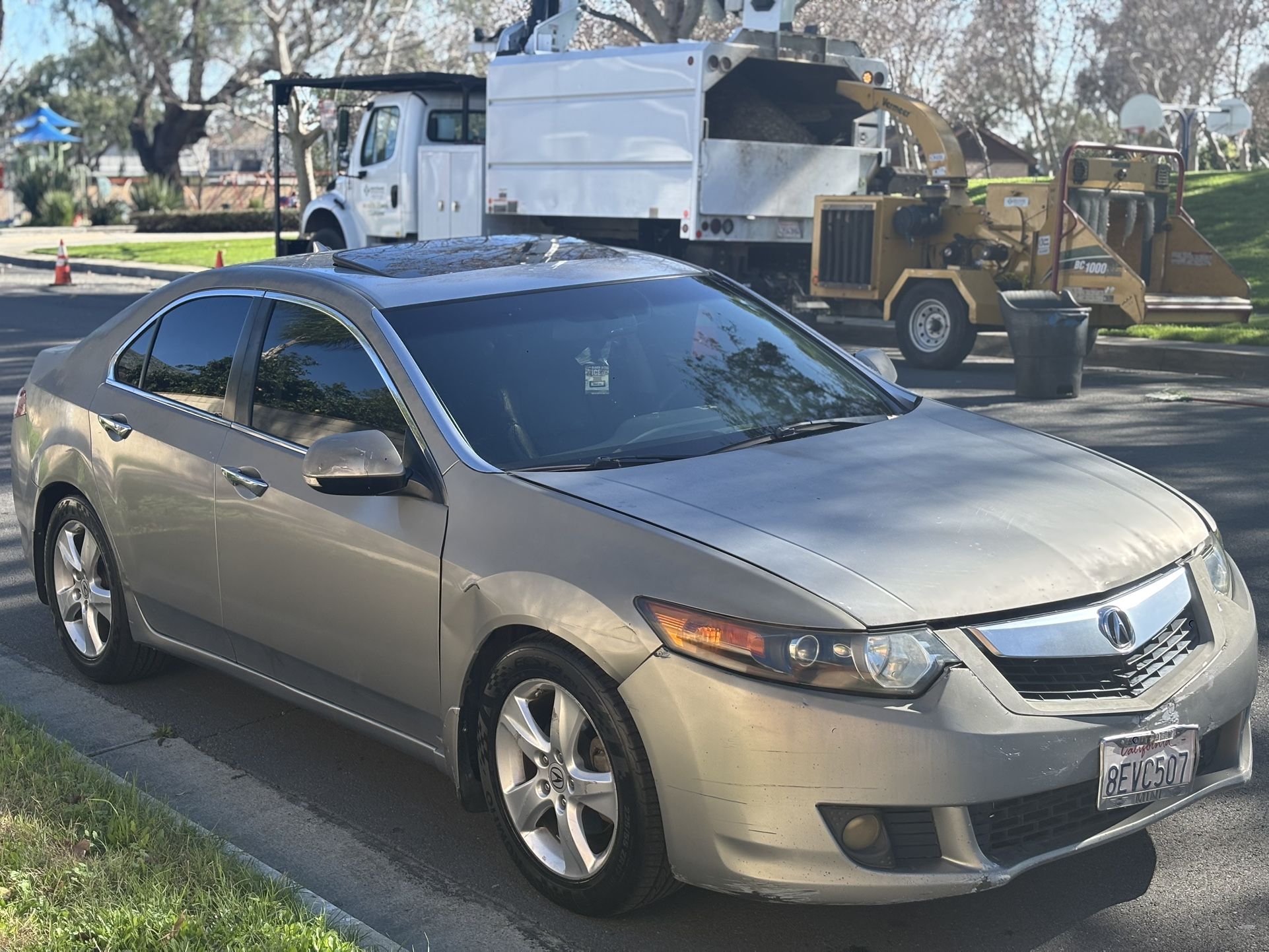
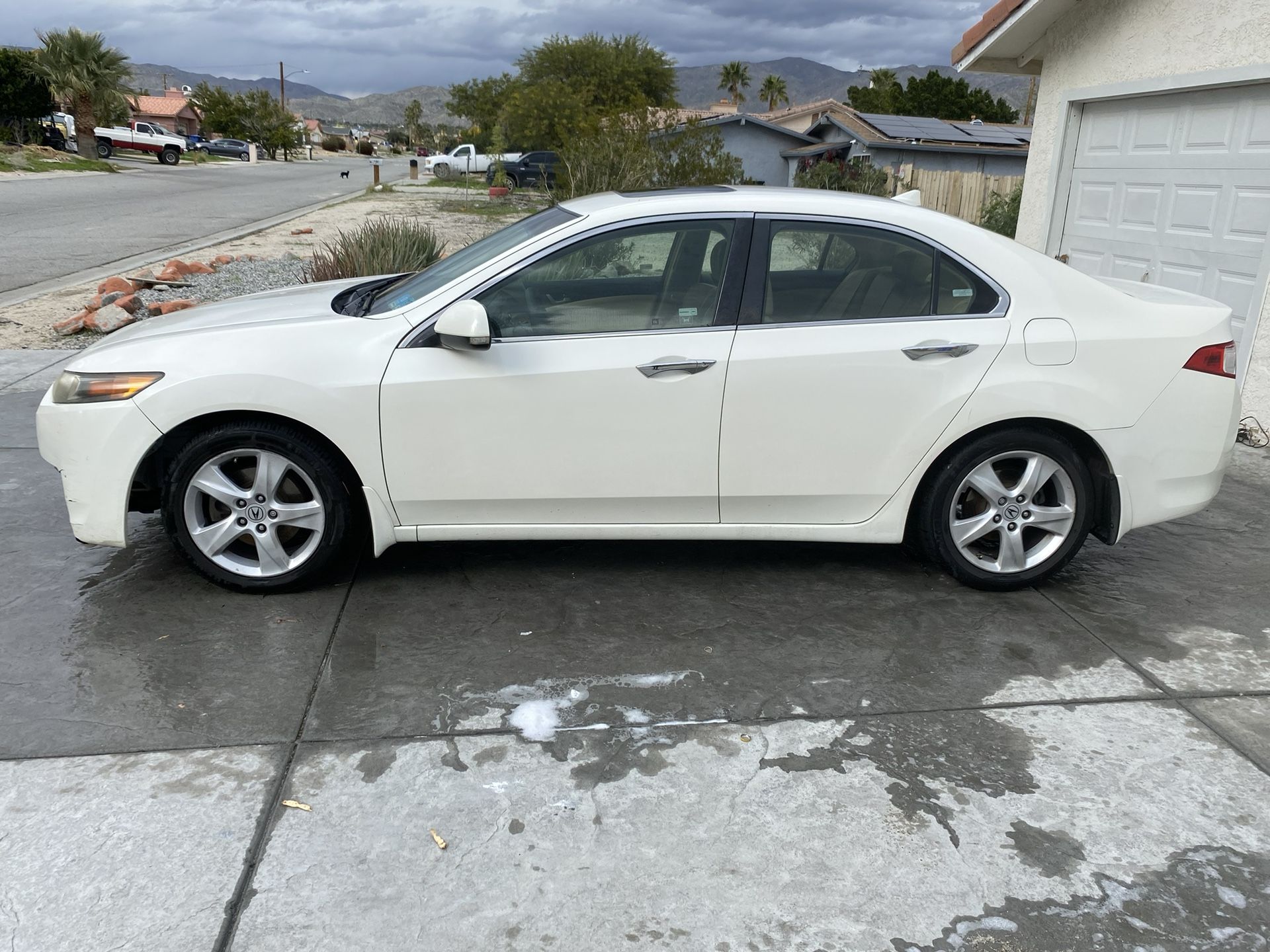
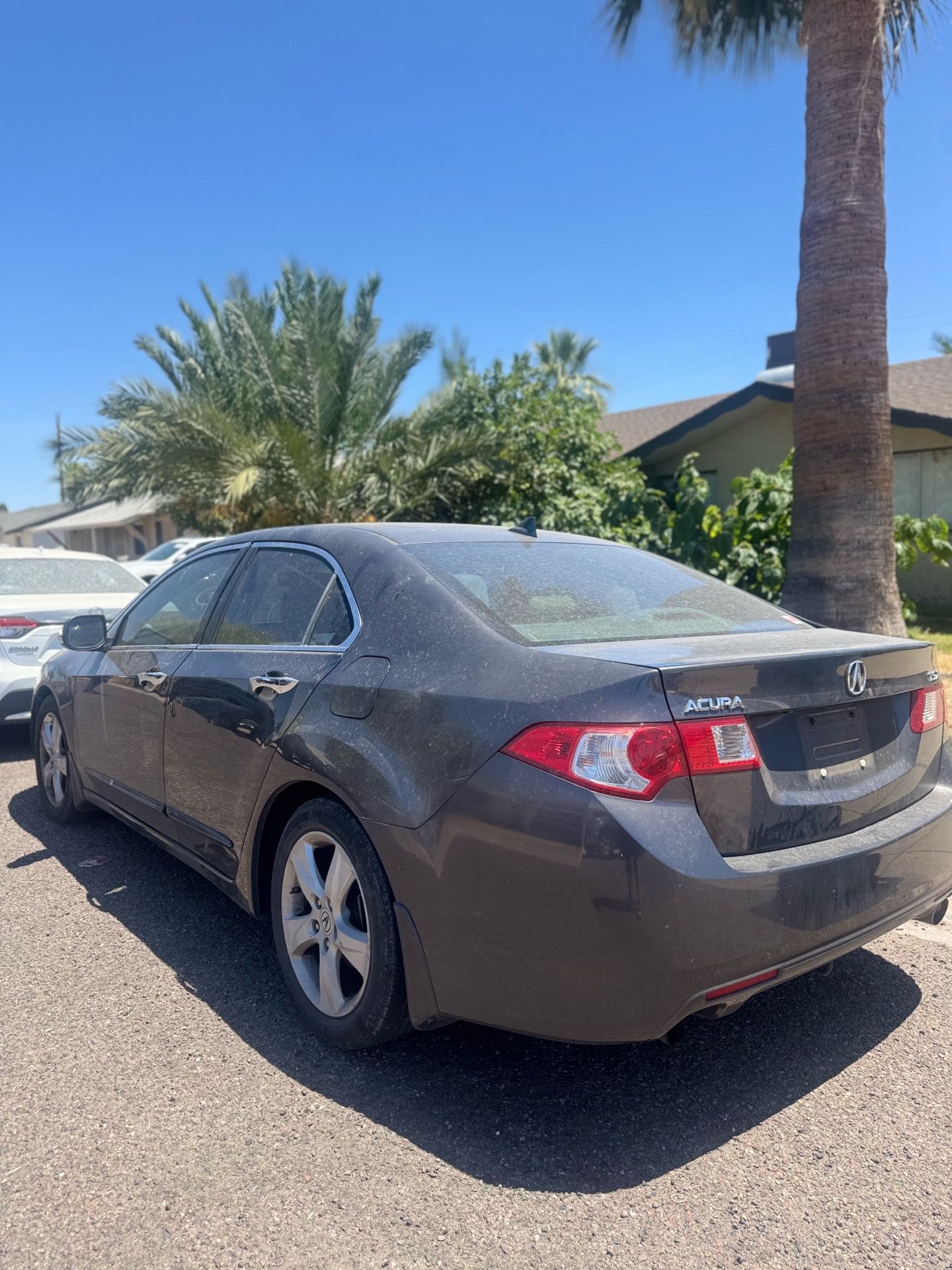
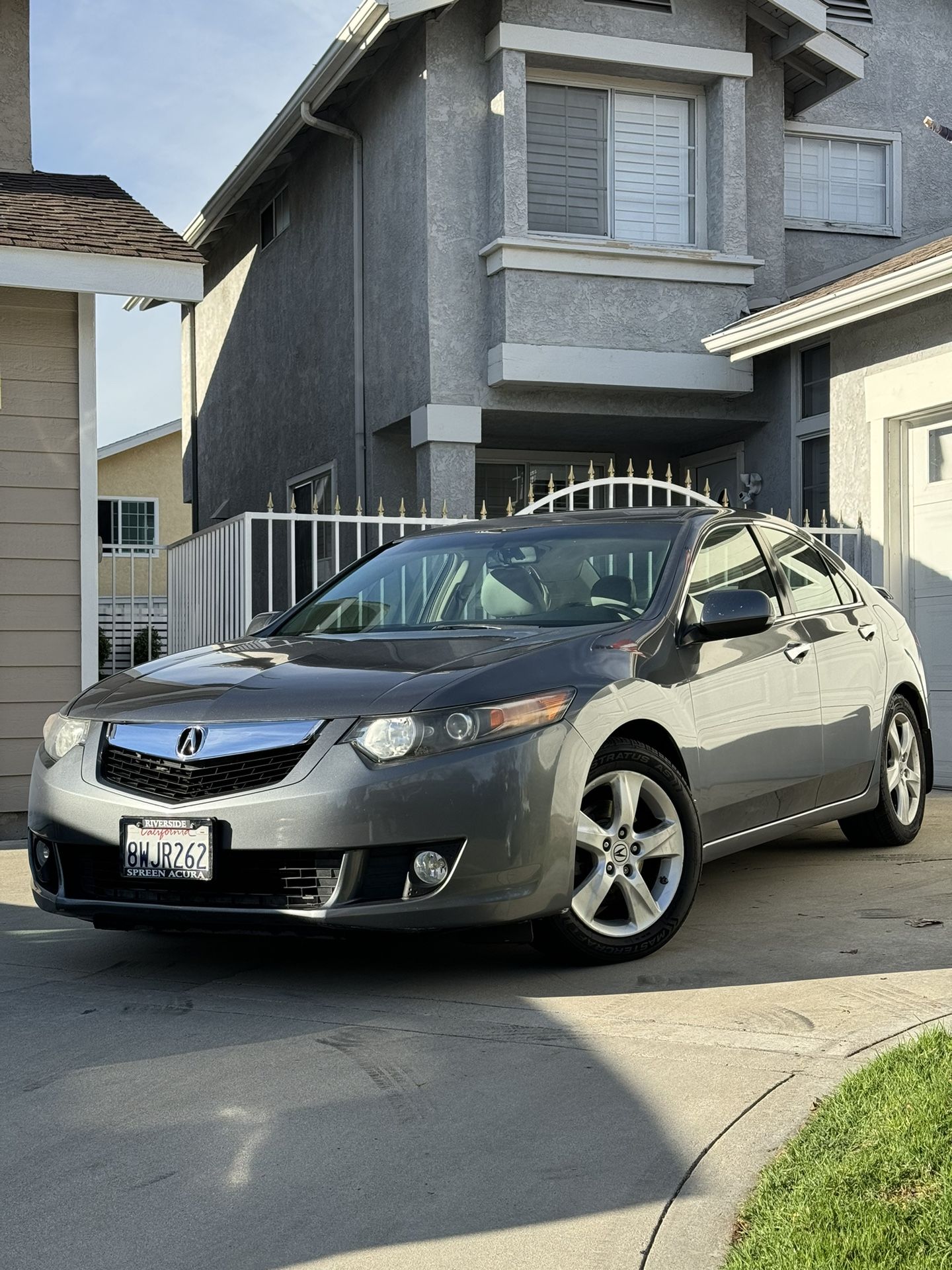
The factory tire size for a 2009 Acura TSX depends primarily on its original factory wheel diameter, which came in either 17-inch or 18-inch configurations depending on the specific trim level and optional packages. The base model and standard Technology Package utilize P225/50R17 tires fitted on 17x7.5-inch rims, while upgraded sports packages or dealer accessories often feature P235/45R18 tires mounted on 18x8-inch wheels. Drivers must always verify their vehicle's specific placard located on the driver-side door jamb to ensure exact matches for load capacity, speed ratings, and pressure specifications.
Selecting the correct tire size is vital for maintaining vehicle safety, fuel efficiency, speedometer accuracy, and proper electronic stability control functionality in the second-generation Acura TSX. Because modern front-wheel-drive sedans rely heavily on precise rolling diameters and suspension geometry, deviating from factory-recommended specifications can compromise handling dynamics and prematurely wear out steering and braking components. This comprehensive technical guide details everything an owner, driver, or technician needs to know about identifying, replacing, and optimizing tires for the 2009 Acura TSX.
Understanding the 2009 Acura TSX Wheel and Tire Ecosystem
When the second-generation Acura TSX debuted for the 2009 model year, Honda's luxury division engineered the chassis to bridge the gap between nimble sport sedan handling and long-distance highway comfort. To achieve this balance, Acura equipped the vehicle with specific tire and wheel combinations designed to complement the vehicle's independent double-wishbone front and multi-link rear suspension systems.
The vehicle left the factory floor with two primary original equipment manufacturer (OEM) tire sizes, categorized by trim level:
- Base and Tech Package Trims: Equipped with 17-inch alloy wheels. The factory tire size is P225/50R17 93V.
- Upgraded / Accessory Trims: Frequently outfitted with 18-inch accessory alloy wheels. The factory tire size is P235/45R18 94V.
Understanding these numbers requires breaking down standard tire nomenclature. For example, in the sizing code P225/50R17:
- P: Stands for P-Metric, indicating the tire is designed primarily for passenger vehicles.
- 225: Denotes the nominal section width of the tire in millimeters, measured from sidewall to sidewall.
- 50: Represents the aspect ratio—the height of the tire's sidewall expressed as a percentage of its section width (in this case, 50% of 225 mm).
- R: Signifies Radial tire construction, the industry standard for modern passenger vehicles.
- 17: Indicates the diameter of the wheel rim in inches that the tire is designed to fit.
Factory Specifications and Trim Variations
Before purchasing replacement rubber, drivers must confirm their exact trim configuration. The 2009 Acura TSX was offered with a 2.4-liter inline-four engine paired with either a 5-speed automatic or a 6-speed manual transmission, as well as a subsequent 3.5-liter V6 variant introduced later in the production lifecycle. Wheel widths, offsets, and suspension tuning varied slightly across these models, directly influencing clearance and handling characteristics.
| Trim Level / Package | Factory Tire Size | Rim Size & Width | OE Speed/Load Rating | Recommended Cold PSI |
|---|---|---|---|---|
| Base Model (I4) | P225/50R17 | 17 x 7.5J (Offset +55) | 93V | 32 PSI (Front / Rear) |
| Technology Package (I4) | P225/50R17 | 17 x 7.5J (Offset +55) | 93V | 32 PSI (Front / Rear) |
| V6 Model | P235/45R18 | 18 x 8.0J (Offset +55) | 94V | 33 PSI (Front / Rear) |
| Dealer Accessory Wheel | P235/45R18 | 18 x 8.0J (Offset +55) | 94V | 33 PSI (Front / Rear) |
Drivers should note that the load index (e.g., 93 or 94) and speed rating (e.g., V up to 149 mph) are critical safety metrics. Installing tires with lower load indices can lead to structural sidewall failure under heavy loads or high-speed cornering, while lower speed ratings can degrade high-speed stability.
Verifying Your Tire Size: Where to Look
Relying solely on general online forums or generic lookup tools can sometimes lead to purchasing errors, especially if a previous owner altered the vehicle's wheels or suspension. Drivers can definitively verify their required tire size through three primary methods:
1. The Driver-Side Door Jamb Placard
The most accurate and legally mandated source of information is the tire and loading information placard affixed to the B-pillar inside the driver's door opening. Opening the driver's door and looking at the white and yellow federal certification label reveals:
- The exact original equipment tire size for front and rear axles.
- The manufacturer's recommended cold tire inflation pressure.
- The maximum vehicle capacity weight, including occupants and cargo.
2. Sidewall Inspection of Current Tires
Walking out to the vehicle and reading the sidewall of the currently installed tires provides an immediate reference. The complete alphanumeric string (such as 225/50R17) is embossed directly into the rubber near the outer rim edge. If the current tires match the door placard, they represent the baseline specification approved by Acura engineers.
3. Visual Confirmation of Wheel Diameter
If uncertainty remains regarding whether a vehicle rides on 17-inch or 18-inch rims, inspect the final digits following the letter "R" on the tire sidewall. A designation ending in R17 requires a 17-inch tire, whereas an R18 designation requires an 18-inch tire. Attempting to mount a 17-inch tire on an 18-inch rim—or vice versa—is physically impossible and dangerous.
Selecting the Right Tire Category for Driving Conditions
Once the correct size is established, drivers must select a tire category that matches their regional climate, driving style, and performance expectations. The 2009 Acura TSX is a front-wheel-drive sedan that benefits significantly from high-quality rubber capable of transmitting power and steering input efficiently to the pavement.
All-Season Tires
For the vast majority of drivers, Grand Touring All-Season or High-Performance All-Season tires provide the ideal compromise.
- Characteristics: Designed to deliver a quiet, comfortable ride, dependable wet and dry traction, and light snow capabilities.
- Treadwear: Typically offers higher treadwear warranties (50,000 to 80,000 miles).
- Ideal Use: Commuting, highway driving, and temperate climates with mild winters.
Summer Tires
Drivers living in warm climates or those who prioritize maximum cornering grip, braking performance, and steering response may opt for summer or ultra-high-performance (UHP) summer tires.
- Characteristics: Specialized rubber compounds remain pliable in warm temperatures and feature aggressive tread patterns designed to evacuate water rapidly.
- Limitations: Rubber compounds harden significantly in temperatures below 40°F (4°C), resulting in cracking and severely reduced traction in snow or ice.
- Ideal Use: Enthusiast driving in southern or coastal regions where freezing temperatures are rare.
Winter / Snow Tires
In regions experiencing heavy snowfall and sustained sub-freezing temperatures, dedicated winter tires are essential for safe operation.
- Characteristics: Deep tread voids, high siping density, and specialized silica compounds that maintain flexibility in freezing weather.
- Sizing Note: Some drivers choose to "plus-minus down" to a slightly narrower tire size (e.g., utilizing 16-inch steel wheels with higher sidewalls, provided they clear the brake calipers) to cut through snow more effectively, though standard 17-inch winter sizes remain widely available.
Common Pitfalls and Fitment Mistakes to Avoid
Modifying wheel and tire configurations is a common practice among enthusiast owners, but improper modifications can introduce mechanical problems, electronic faults, and safety hazards.
- Incorrect Overall Rolling Diameter: When changing tire aspect ratios or widths (known as "plus sizing"), the overall diameter of the tire must remain within 3% of the factory specification. Altering the rolling diameter significantly throws off the speedometer and odometer, and can confuse the Anti-lock Braking System (ABS) and Vehicle Stability Assist (VSA) computers.
- Ignoring Load and Speed Ratings: Installing passenger tires with a lower load index than specified increases the risk of heat buildup and tire failure when carrying passengers or luggage.
- Incorrect Wheel Offsets and Rubbing: Aftermarket wheels with aggressive offsets (too low or too negative) can cause the outer tire edge to rub against the fender liner during hard turns or suspension compression. The factory offset for the 2009 Acura TSX is +55mm, and staying close to this specification prevents inner suspension contact and outer fender damage.
- Neglecting Tire Pressure Monitoring Systems (TPMS): The 2009 Acura TSX is equipped with a direct TPMS system featuring sensors mounted inside each wheel. When replacing tires or wheels, technicians must ensure these sensors are undamaged and properly calibrated to avoid persistent dashboard warning lights.
Frequently Asked Questions
Can I put 225/45R17 tires on my 2009 Acura TSX instead of 225/50R17?
Yes, but it is not recommended for standard driving. A 225/45R17 tire has a shorter sidewall, which reduces the overall rolling diameter by approximately 3.4%. This will cause your speedometer to read faster than your actual speed, increase the visible gap in the wheel well, and result in a slightly stiffer, harsher ride quality due to reduced sidewall compliance.
What is the widest tire I can fit on a stock 2009 Acura TSX 17-inch wheel?
The factory 17x7.5-inch wheel safely accommodates a maximum tire width of 235 mm without excessive sidewall bulge or handling instability. Many drivers successfully install 235/45R17 tires on stock 17-inch wheels to gain a slightly wider contact patch and sportier appearance while maintaining a correct overall diameter.
Do I need an alignment after replacing my tires?
While a wheel alignment is not strictly mandatory every time you buy new tires, it is highly recommended if your old tires exhibit uneven wear patterns (such as feathering, cupping, or excessive inner/outer shoulder wear). Regular alignments protect your investment in new rubber by ensuring optimal contact patches and preventing premature tread degradation.
How often should I check the tire pressure on my 2009 Acura TSX?
You should check your cold tire pressure at least once a month and before any long road trips. Ambient temperature fluctuations directly affect tire pressure—losing or gaining approximately 1 to 2 PSI for every 10°F change in outside temperature. Maintaining correct pressure ensures even treadwear, optimal fuel economy, and safe handling.
Practical Next Actions and Maintenance
Once you have identified the correct tire size—P225/50R17 for base models or P235/45R18 for upgraded packages—proceed by consulting reputable tire retailers or local service centers to evaluate tread warranties, seasonal performance ratings, and total installation costs. Always ensure that the mounting service includes new valve stems (or TPMS service kits), computerized wheel balancing, and professional torque application to factory specifications. Regular tire rotations every 5,000 to 7,500 miles will maximize the lifespan of your investment and keep your 2009 Acura TSX performing at its absolute best.