The 2006 Yamaha Vino, specifically the XC50 model, remains a sought-after scooter for urban commuters and vintage-styled enthusiasts. Featuring a reliable 49cc liquid-cooled four-stroke engine, it offers an efficient, user-friendly experience for short-distance travel. Maintaining this scooter requires understanding its specific technical specifications, adherence to a strict service interval, and careful attention to its unique, retro-inspired aesthetic components.
Overview of the 2006 Yamaha Vino (XC50)
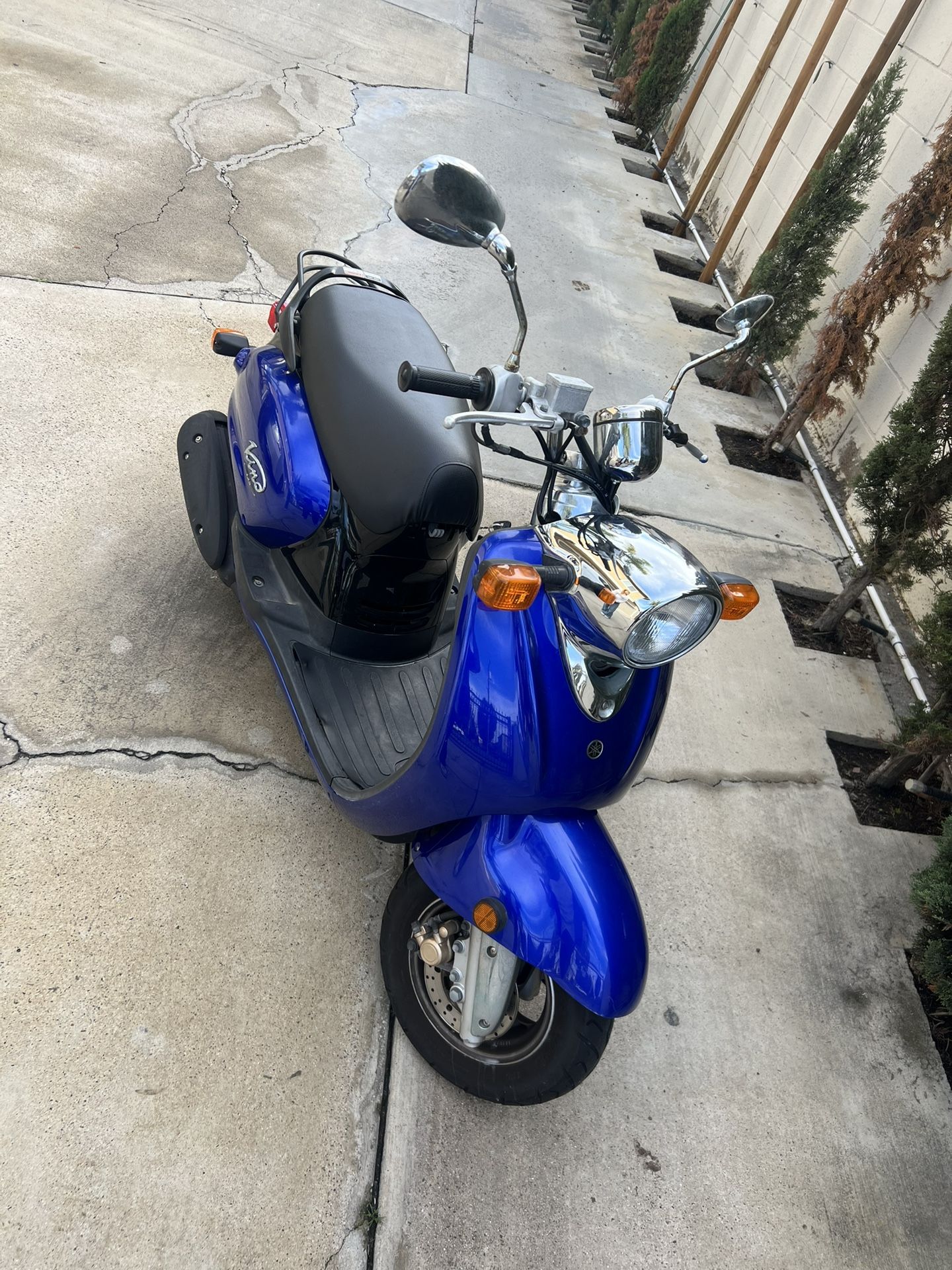
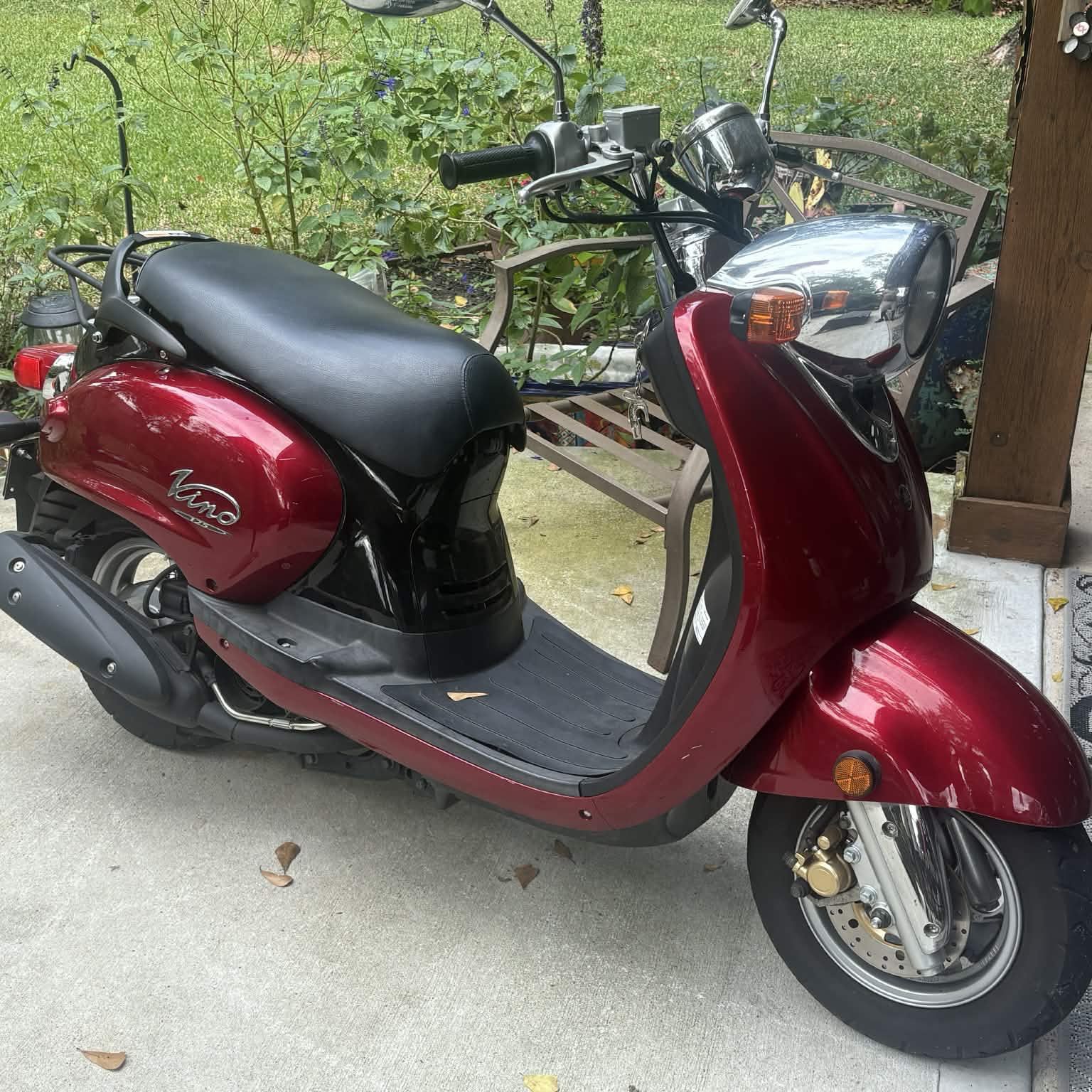
The 2006 Yamaha Vino marked a significant period for Yamaha’s small-displacement scooter lineup. Unlike its two-stroke predecessors, this model utilized a 49cc liquid-cooled, four-stroke, single-cylinder engine designed for cleaner emissions and better fuel economy. Its design aesthetic draws heavily from mid-century European scooters, featuring a rounded body, chrome accents, and an exposed handlebar configuration that separates it from more modern, angular sport scooters of the same era.
For potential owners or collectors in 2026, the 2006 Vino is often chosen for its simplicity and the availability of parts, as the engine design was shared across several Yamaha models for many years. However, its age means that rubber components, fuel lines, and cooling system seals are likely at or near the end of their service lives, necessitating a proactive approach to mechanical restoration.
Technical Specifications and Performance
Understanding the technical foundation of the 2006 Yamaha Vino is essential for effective maintenance and troubleshooting. The engine is a "Minarelli-style" derivative that emphasizes reliability over high-speed performance.
- Engine Type: 49cc, liquid-cooled, 4-stroke, SOHC, 3-valve.
- Transmission: Automatic V-Belt (CVT).
- Fuel System: Carburetor (Mikuni).
- Starting System: Electric and Kick Starter.
- Weight (Wet): Approximately 179 lbs.
- Fuel Capacity: 1.2 gallons (4.5 liters).
The liquid-cooling system is the most critical technical aspect of this model. Unlike air-cooled scooters, the 2006 Vino requires a dedicated coolant reservoir and radiator. If the coolant is not flushed and replaced periodically, corrosion can develop within the aluminum radiator, leading to overheating and potential head gasket failure.
Maintenance Requirements for Longevity
To keep a 2006 Yamaha Vino running reliably twenty years after its manufacture, a disciplined maintenance schedule is required. Most owners find that the following tasks must be performed every 2,000 to 3,000 miles, or annually, whichever comes first.
Engine and Drivetrain
The CVT (Continuously Variable Transmission) is the heart of the scooter’s acceleration. Over time, the drive belt will wear and thin, while the rollers inside the variator will develop flat spots. If you experience a loss of top speed or erratic acceleration, these two components should be the first to be inspected. Ensure the CVT housing is cleaned of belt dust, which can act as an abrasive on the transmission components.
Cooling System
Because this is a liquid-cooled engine, the water pump and coolant hoses are vital. Inspect the hoses for dry rot or cracks—common issues on a 2006 model. If you notice white residue around the water pump housing, it is a sign that the mechanical seal is beginning to weep, and a pump rebuild will be necessary to prevent coolant from mixing with the engine oil.
Fuel System Management
The 2006 Vino uses a carbureted fuel system. Modern gasoline, especially blends containing ethanol, can be detrimental to the rubber diaphragms inside the carburetor if the scooter sits for extended periods. If the scooter has been in storage, the carburetor will likely require a full teardown and ultrasonic cleaning. Replacing the fuel lines and the vacuum-operated petcock (the fuel valve) is highly recommended for any unit purchased in 2026 to avoid fuel starvation or leakage.
Common Repairs and Troubleshooting
When troubleshooting a 2006 Yamaha Vino, follow a logical progression: Air, Fuel, and Spark.
- Hard Starting: This is almost always fuel-related. Check the fuel filter first, then verify the function of the automatic choke (bystarter). A faulty bystarter will prevent the engine from receiving the correct fuel-air mixture during cold starts.
- Overheating: Check the coolant level in the expansion tank. If the level is full but the scooter still overheats, verify that the radiator fan is engaging when the engine reaches operating temperature.
- Electrical Issues: Dim headlights or a failing electric start are often symptoms of a weak battery or a corroded ground connection. The Vino’s electrical system is relatively simple, but ensure the battery terminals are free of sulfate buildup, which is common in older scooters.
Comparison of Key Scooter Features
| Feature | 2006 Yamaha Vino (XC50) | Modern Entry-Level Scooter |
|---|---|---|
| Engine | 49cc 4-Stroke Liquid Cooled | 49cc-125cc 4-Stroke Fuel Injected |
| Cooling | Liquid | Air or Liquid |
| Fuel Delivery | Carburetor | Electronic Fuel Injection (EFI) |
| Braking | Front Drum / Rear Drum | Front Disc / Rear Drum or ABS |
| Weight | Lightweight (approx. 179 lbs) | Variable (180–250 lbs) |
Safety and Legal Considerations
When operating a 2006 Yamaha Vino, keep in mind that its top speed is typically restricted to approximately 30–35 mph. This makes it suitable for residential streets and campus environments but generally unsuitable for high-speed arterial roads. Always verify your local state or municipal regulations regarding 50cc scooters. In many jurisdictions, scooters under 50cc have different registration and licensing requirements than motorcycles, but this varies significantly by region.
Regardless of local laws, never ride without a DOT-approved helmet, eye protection, and gloves. The Vino’s small wheels (10-inch) provide excellent maneuverability, but they are also more susceptible to road hazards like potholes and gravel than larger-diameter motorcycle wheels. Always maintain a buffer zone between yourself and larger vehicles, as the 2006 Vino lacks the acceleration needed to quickly exit dangerous situations in heavy traffic.
Frequently Asked Questions
Is the 2006 Yamaha Vino considered a "moped" or a "motorcycle"?
It is legally classified as a "scooter" or "moped" in most jurisdictions due to its 49cc engine displacement and automatic transmission. However, you must check your local Department of Motor Vehicles or equivalent authority for specific licensing requirements, as some states require a specific scooter endorsement or a standard driver's license.
Where can I find parts for a 2006 Yamaha Vino?
OEM parts are still available through Yamaha dealers or online parts fiche websites. Additionally, because the Minarelli-style engine was widely used, many aftermarket performance and maintenance parts (such as belts, rollers, and brake shoes) are readily available from reputable scooter supply shops.
How do I derestrict a 2006 Yamaha Vino?
"Derestricting" involves modifying the transmission, carburetor, or exhaust to increase top speed. However, this is not recommended. The engine and braking system were engineered for specific performance limits. Modifying these components can cause premature engine failure and may make the vehicle illegal to operate in your jurisdiction.
What type of oil does the 2006 Yamaha Vino take?
It requires a high-quality 4-stroke motorcycle oil, typically 10W-40. Refer to your owner’s manual for the specific JASO MA-certified rating, which is essential for scooters with wet-clutch systems. Using automotive oil can cause clutch slippage.
Can the 2006 Yamaha Vino carry a passenger?
The 2006 XC50 model is designed for a single rider. The seat and suspension are not configured for a passenger, and the engine lacks the power to safely transport two adults. Do not attempt to carry a passenger, as this poses significant safety risks and can damage the frame and suspension.
Next Steps for Owners
If you currently own or are considering the purchase of a 2006 Yamaha Vino, your first step should be to acquire a service manual. Unlike modern vehicles with digital diagnostic ports, the 2006 Vino requires manual inspection and adjustment. Start by changing the engine oil, gear oil, and coolant, and replace the fuel filter and spark plug. These initial steps, combined with a check of the tire pressure and brake function, will establish a baseline for a reliable and enjoyable riding experience.