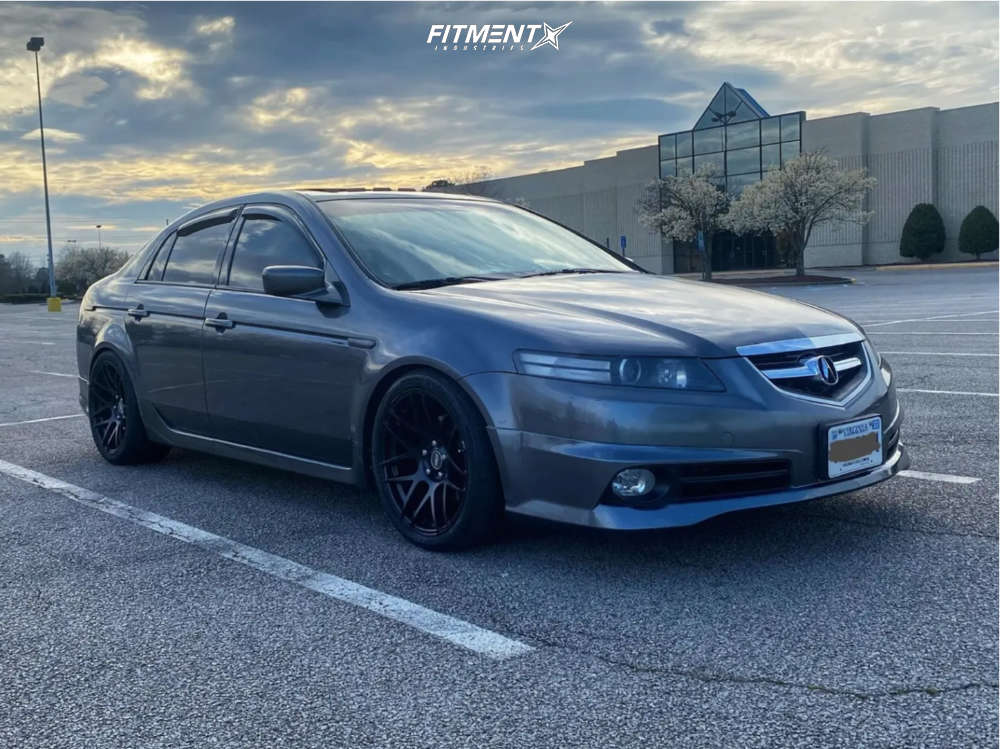
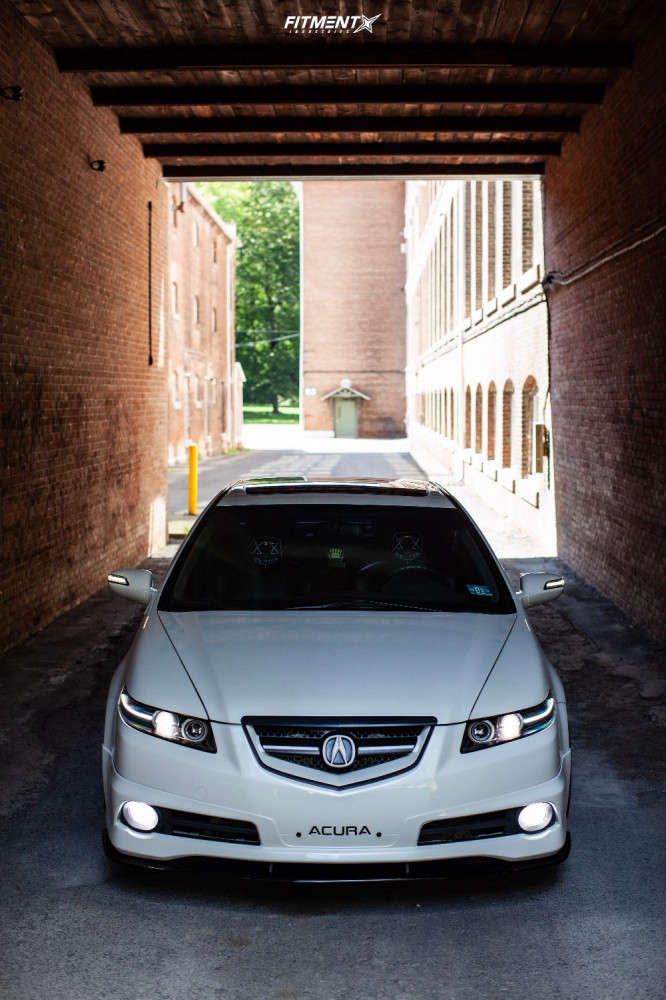
The 2006 Acura TL is widely regarded as one of the most reliable entry-level luxury sedans from the mid-2000s, offering a strong balance of performance, cabin comfort, and long-term durability. While it is generally dependable, prospective owners must account for specific aging-related mechanical issues—most notably transmission health, electrical dashboard components, and suspension wear—that are common in a vehicle of this vintage.
Understanding the 2006 Acura TL Legacy
The third generation of the Acura TL, which includes the 2006 model year, represents a high-water mark for the brand in terms of design and engineering. Built on the Honda Accord platform but refined with more aggressive tuning and premium materials, the 2006 TL was designed to bridge the gap between a mainstream sedan and a true performance machine. In 2026, two decades after its debut, the vehicle has transitioned from a modern luxury car to a "modern classic."
Reliability in a 20-year-old vehicle is defined differently than in a new car. While modern vehicles focus on the longevity of software and integrated sensors, the 2006 Acura TL’s reliability centers on mechanical robustness. The J32A3 3.2-liter V6 engine is highly regarded for its longevity, provided the timing belt intervals are strictly observed. However, the transmission—specifically the automatic variant—and the complexity of the interior electronics are the primary areas where maintenance history becomes more critical than the model's reputation alone.
Engine and Powertrain Performance
The 3.2-liter V6 engine used in the 2006 TL is a masterpiece of early 2000s Japanese engineering. It utilizes the VTEC (Variable Valve Timing and Lift Electronic Control) system, which provides a smooth power delivery across the RPM range.
The Timing Belt Requirement
A critical factor in the engine's reliability is the timing belt. Unlike engines that use a timing chain designed for the life of the vehicle, the J32A3 requires a timing belt replacement every 105,000 miles or seven years, whichever comes first. Because the engine is an interference design, a belt failure will result in catastrophic piston-to-valve contact, effectively destroying the engine. When evaluating a used 2006 TL, prioritize any example that has verified documentation of this service.
Transmission Considerations
The automatic transmission in the 2006 TL is a significant improvement over the problematic units found in the 1999–2003 models, but it remains a point of scrutiny. The 5-speed automatic in the 2006 model is generally durable if the transmission fluid is changed regularly. Owners often recommend a "drain and fill" approach every 30,000 miles to flush out suspended metal particles that can cause shift solenoids to stick. If the transmission exhibits harsh shifting or a delay when engaging into "Drive" or "Reverse," it may indicate an impending failure of the clutch packs or the torque converter.
Interior Electronics and Cabin Features
The 2006 Acura TL was ahead of its time with features like the DVD-Audio surround sound system, Bluetooth integration (HandsFreeLink), and an available navigation system. However, these features are now the most common sources of "nuisance" reliability issues.
The Bluetooth HandsFreeLink Battery Drain
A well-documented issue with the 2006 TL is the HandsFreeLink (HFL) module located in the overhead console. Over time, the module can fail in a way that causes it to continuously draw power even when the ignition is off. This leads to a persistent parasitic draw, resulting in a dead battery after the car sits for a few days. Many owners choose to simply disconnect the module if they do not intend to use the legacy Bluetooth system, which effectively eliminates the battery drain without requiring an expensive replacement part.
Dashboard and Navigation Glitches
The navigation screen is prone to "white screen" or "flickering" issues as the internal circuitry ages. Similarly, the soft-touch plastics on the dashboard and center console are notorious for melting or becoming sticky in hot climates. While these issues do not impact the vehicle's ability to drive, they represent a significant hit to the interior's aesthetic reliability.
Suspension and Chassis
The 2006 Acura TL features a sophisticated double-wishbone front suspension and a multi-link rear setup, which provides excellent handling for a front-wheel-drive sedan. However, these complex systems have multiple pivot points that eventually wear out.
- Compliance Bushings: The front compliance bushings are the most common suspension failure point. When they tear, the driver may experience a clunking noise when driving over bumps or uneven road surfaces.
- Ball Joints: Aging ball joints can lead to uneven tire wear and a "loose" steering feel.
- Engine Mounts: The engine uses liquid-filled mounts to absorb vibrations. Over time, these mounts can leak or collapse, causing excessive vibration in the cabin, particularly at idle.
Comparative Reliability Analysis
To determine if a 2006 Acura TL is a suitable purchase, it is helpful to compare its common issues against other luxury sedans of the same era.
| Component | Common Issue | Severity | Fix/Maintenance |
|---|---|---|---|
| Engine (J32A3) | Timing Belt failure | High | Replace every 105k miles |
| Transmission | Fluid degradation/Solenoids | Medium | Drain/fill every 30k miles |
| Bluetooth (HFL) | Parasitic battery drain | Low | Disconnect module |
| Suspension | Compliance bushing wear | Medium | Replace bushings/arms |
| Interior | Sticky dashboard plastics | Low (Aesthetic) | Professional refinishing |
Maintenance Guidelines for Long-Term Ownership
The "reliability" of a 2006 Acura TL is arguably 80% dependent on how the previous owner handled the maintenance schedule. When you acquire one, your first priority should be to establish a baseline.
- Fluids Flush: Immediately change the engine oil, transmission fluid, brake fluid, and coolant. This provides a clean slate for tracking future consumption and degradation.
- Inspect the Timing Belt: If the seller cannot produce a receipt for the timing belt/water pump service, assume it has not been done. Do not trust a visual inspection; the belt may look fine but still be past its structural service life.
- Battery and Charging System: Have the alternator and starter tested. The TL's electrical system is sensitive to voltage fluctuations, which can trigger phantom "Check Engine" or "VSA" (Vehicle Stability Assist) lights.
- Tire Selection: Given the front-wheel-drive nature and the torque of the V6 engine, choose high-quality tires. Poor-quality tires will exacerbate steering feel issues and lead to premature wear of the suspension components.
Frequently Asked Questions
Is the 2006 Acura TL expensive to maintain? Generally, no. Because the TL shares many components with the Honda Accord, parts are widely available and relatively affordable. The main cost driver is the labor required for specialized work, such as the timing belt replacement or the replacement of complex suspension bushings.
What is the most common reason the 2006 TL check engine light comes on? The most common triggers are related to the emissions system, specifically the EGR (Exhaust Gas Recirculation) ports becoming clogged with carbon deposits or a failing O2 sensor. These are standard maintenance items for high-mileage V6 engines and are not usually indicative of a terminal mechanical failure.
Does the 2006 TL require premium fuel? Yes, the 3.2-liter V6 engine is tuned to run on 91-octane gasoline or higher. Running lower-octane fuel can lead to engine knocking (pre-ignition) and may cause the Engine Control Unit (ECU) to retard timing, which reduces fuel efficiency and power.
Are there known safety-related recalls? The 2006 TL was subject to the widespread Takata airbag inflator recall. Before purchasing any 2006 TL, it is mandatory to run the Vehicle Identification Number (VIN) through the official NHTSA website to ensure that all safety recalls have been addressed by an authorized Acura dealer.
Is the 2006 TL transmission better than the 2004-2005? Yes. While the 2004 and 2005 models had a higher incidence of transmission failure, the 2006 model benefited from updated internal components and improved fluid cooling pathways. It is considered one of the more stable years for the automatic transmission in the third-generation TL.
Final Recommendation
The 2006 Acura TL remains an exceptional value for those who appreciate a driver-focused sedan with a comfortable, well-appointed cabin. It is a highly reliable vehicle, provided you look past the minor electrical quirks and prioritize the non-negotiable timing belt service. If you are inspecting a vehicle for purchase, prioritize cars with detailed service records and pay close attention to transmission shift quality. With proactive maintenance, it is entirely realistic for a 2006 Acura TL to serve as a dependable daily driver even with over 200,000 miles on the odometer. Always ensure the Takata airbag recall has been cleared, and be prepared to set aside a budget for initial fluid and belt servicing to ensure long-term peace of mind.