Upgrading the exterior of a 2004 Volvo S60 requires balancing distinctive styling goals with practical considerations like paint matching, fitment tolerances, ground clearance, and long-term part durability. Choosing the right body kit transforms the sedan's executive appearance into a more aggressive or refined sports stance, but success depends heavily on material selection, professional installation, and understanding historical market availability.
Introduction to the 2004 Volvo S60 Platform
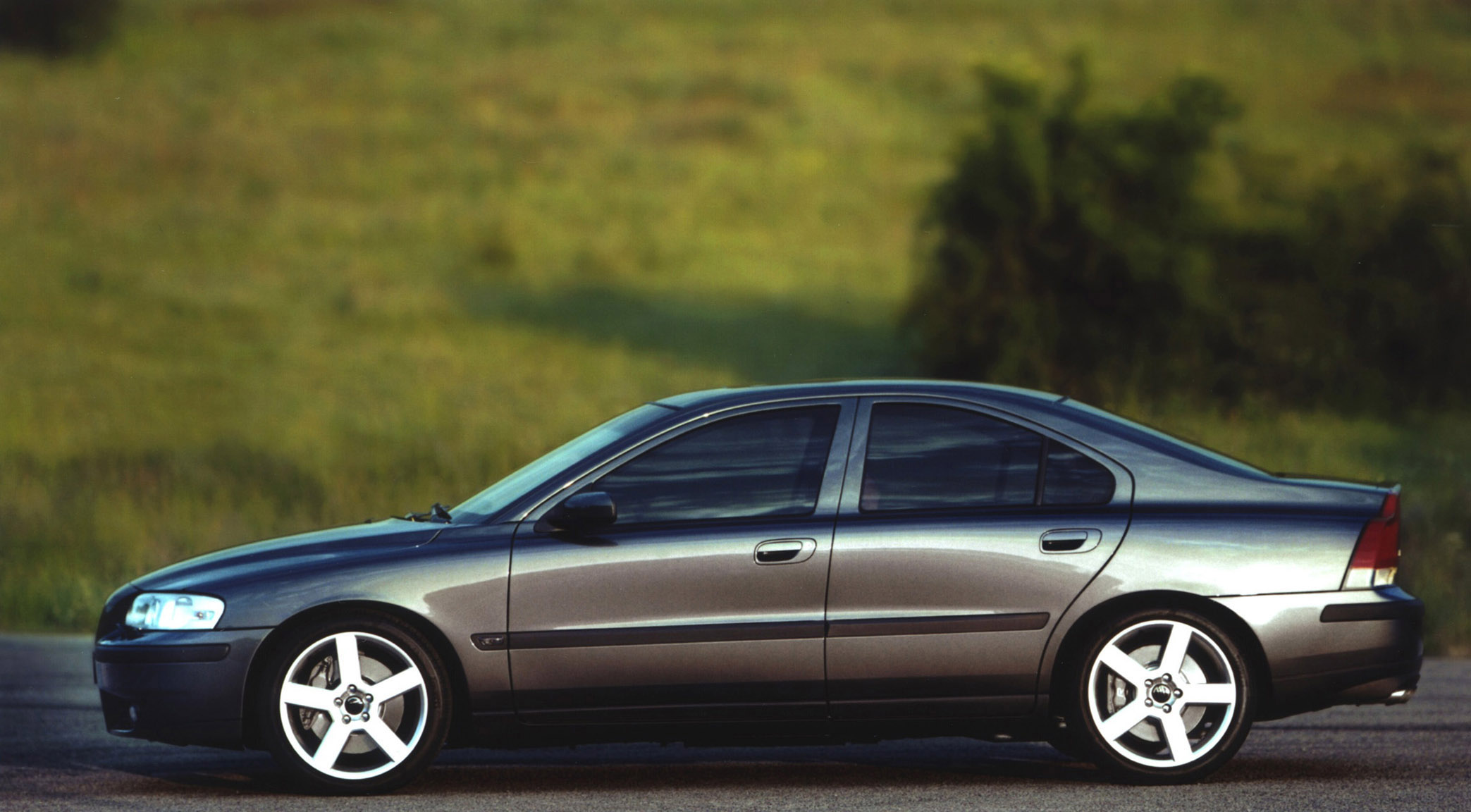
The first-generation Volvo S60, produced from 2001 through 2009 with a major refresh occurring in 2005, remains a popular platform for enthusiasts seeking a blend of turbocharged performance and understated Scandinavian design. Specifically, the 2004 model year occupies a unique sweet spot: it retains the classic pre-facelift lines while benefiting from mature mechanical engineering. However, the factory exterior styling can appear somewhat conservative to modern eyes, prompting many owners to explore aftermarket or OEM-plus body kit options.
Upgrading the bodywork of a P2-platform S60 involves more than simply bolting on plastic components. Because these vehicles often serve as daily drivers or cherished project cars, modifications must account for winter weather, road debris, and the natural aging of urethane and fiberglass components. Whether you are aiming for the subtle elegance of the factory accessory kit or the aggressive track-inspired lines of aftermarket alternatives, careful planning prevents costly mistakes in painting, mounting, and alignment.
Factory OEM vs. Aftermarket Body Kit Options
When researching body kits for the 2004 Volvo S60, the market generally divides into two primary categories: Genuine OEM accessory parts and aftermarket alternatives. Each path presents distinct advantages and drawbacks concerning cost, availability, and aesthetic integration.
OEM Accessory (Sport Styling Kit)
Volvo offered an official exterior styling kit during the production run of the P2 S60. This kit typically included front bumper splitters or a lower spoiler extension, side skirts, and a subtle rear trunk spoiler or lower bumper valance.
- Pros: Exceptional fitment because the components were molded from factory specifications; high-quality flexible polyurethane construction; seamlessly blends with existing body lines without looking overdone.
- Cons: Genuine OEM parts are increasingly rare and often require extensive searching through salvage yards, specialized Volvo forums, or remaining dealer inventory at premium prices.
Aftermarket Urethane Kits
Several prominent European tuning brands and reproduction manufacturers produce polyurethane front lips, side skirts, and rear diffusers for the 2004 S60.
- Pros: Polyurethane offers high impact resistance, flexing rather than cracking when scraping against steep driveways or parking blocks. It is generally more affordable than rare OEM pieces.
- Cons: Fitment can occasionally require minor heat-gun shaping or custom bracket adjustments. Quality varies significantly between reputable manufacturers and budget knockoffs.
Fiberglass and Composite Kits
Less common for street-driven S60s, fiberglass kits are occasionally found through niche custom distributors.
- Pros: Can be easily repaired by a skilled body shop if cracked; often features deeply aggressive styling cues inspired by touring cars.
- Cons: Extremely rigid and unforgiving; prone to cracking upon minor impacts or temperature fluctuations; fitment gaps are frequently pronounced, demanding extensive labor hours from a body technician.
| Kit Type | Material | Typical Fitment | Durability | Cost Level |
|---|---|---|---|---|
| OEM Sport Kit | Polyurethane / ABS | Factory-Perfect | High | High (Rare) |
| Aftermarket Lip/Skirt | Polyurethane | Good to Moderate | High | Moderate |
| Custom Fiberglass | Fiberglass Composite | Variable / Poor | Low | Moderate to High |
Key Considerations Before Purchasing
Before committing capital to an exterior makeover for your 2004 S60, several technical and financial realities must be addressed. Overlooking these factors frequently leads to project delays, ballooning budgets, and compromised cosmetic results.
Material Selection: Polyurethane versus Fiberglass
Material choice dictates both the longevity of the kit and the complexity of the installation. Polyurethane is universally recommended for street-driven P2 Volvos. It absorbs minor impacts from speed bumps and steep inclines without shattering. Fiberglass, while cheaper upfront, requires meticulous trimming and fiberglass-reinforcement work to achieve acceptable shut lines, and a single careless parking maneuver can destroy the piece entirely.
Painting and Color Matching
Factory Volvo paint codes (such as 426 Silver, 452 Black Sapphire, or 019 Black) age over time due to UV exposure. A brand-new body kit painted to factory specifications straight out of a can may exhibit noticeable shade variance when mounted next to twenty-year-old body panels. A professional body shop must perform a spray-out card test, blending the paint into adjacent fenders and doors if a seamless factory appearance is desired. Furthermore, raw polyurethane and ABS plastics require specialized plastic adhesion promoters and flexible primers to prevent paint flaking down the road.
Ground Clearance and Drivetrain Variants
The 2004 S60 came in various trims, ranging from the standard front-wheel-drive normally aspirated models to the high-performance all-wheel-drive S60 R. Front bumper geometry differs between standard models and the R variant. Ensure that any selected front lip or replacement bumper cover is explicitly rated for the standard 2004 S60 fascia rather than the R model, unless you are undertaking a complete front-end conversion. Additionally, lowering springs or coilover suspensions combined with a lower body kit will severely reduce ground clearance, making steep driveways and parking curbs hazardous to your investment.
Installation Logistics and Hardware Requirements
Executing a clean installation requires patience and the correct mounting hardware. Most body kits rely on a combination of heavy-duty automotive mounting tape (such as 3M VHB), mechanical fasteners, and specialized brackets.
- Dry Fitting: Never paint a body kit before test-fitting it to the vehicle. Raw polyurethane or fiberglass components must be clamped and aligned against the body to check for warping or edge gaps. Minor adjustments using heat guns or custom mounting tabs should be completed during this phase.
- Surface Preparation: The mounting surfaces on the car must be thoroughly washed, clay-barred, and wiped down with a wax-and-grease remover to ensure maximum adhesion for double-sided tape and urethane structural adhesives.
- Hardware Selection: Utilize stainless steel screws and self-tapping fasteners in hidden areas (such as inside the wheel wells and along the underside of the rocker panels) to prevent rust staining. Avoid relying solely on adhesive tape for high-stress areas facing high-speed wind resistance.
Frequently Asked Questions
Will a body kit from a 2005-2009 Volvo S60 fit my 2004 model?
No, direct front-end body kit components are generally not interchangeable without modification. The 2005 model year introduced a mid-cycle refresh that altered the front bumper shape, grille surround, and lower valance contours. Rear bumpers and side skirts share closer compatibility across the P2 lifespan, but front-end components must be verified specifically for pre-facelift 2001–2004 models.
How much should professional paint and installation cost?
Professional painting and fitting typically cost more than the raw purchase price of the body kit itself. Depending on regional labor rates and the amount of prep work required to achieve straight lines on aftermarket parts, expect to invest anywhere from several hundred to over a thousand dollars for quality body shop services.
Can I install a body kit myself at home?
Basic front lips or side skirt extensions can be installed at home with basic hand tools, a jack, jack stands, and a helper. However, parts requiring fiberglass shaping, extensive trimming, professional priming, and color-matched spraying are best left to professional automotive paint and body technicians.
How do I protect a lowered front bumper lip from scraping?
Installing a flexible rubber splitter protector (often marketed under brand names like Scrape Armor or universal bumper lips) along the bottom edge of your front spoiler provides a sacrificial barrier against steep driveways and concrete parking blocks, preventing expensive paint damage.
Conclusion and Next Actions
Upgrading a 2004 Volvo S60 with a body kit is a rewarding project that revitalizes the classic P2 silhouette. To ensure success, prioritize flexible polyurethane materials, verify part compatibility with the pre-facelift front fascia, and budget adequately for professional paint matching and installation. Begin your project by inspecting your S60's current ride height and suspension condition, then source parts from reputable suppliers known for accurate fitment.