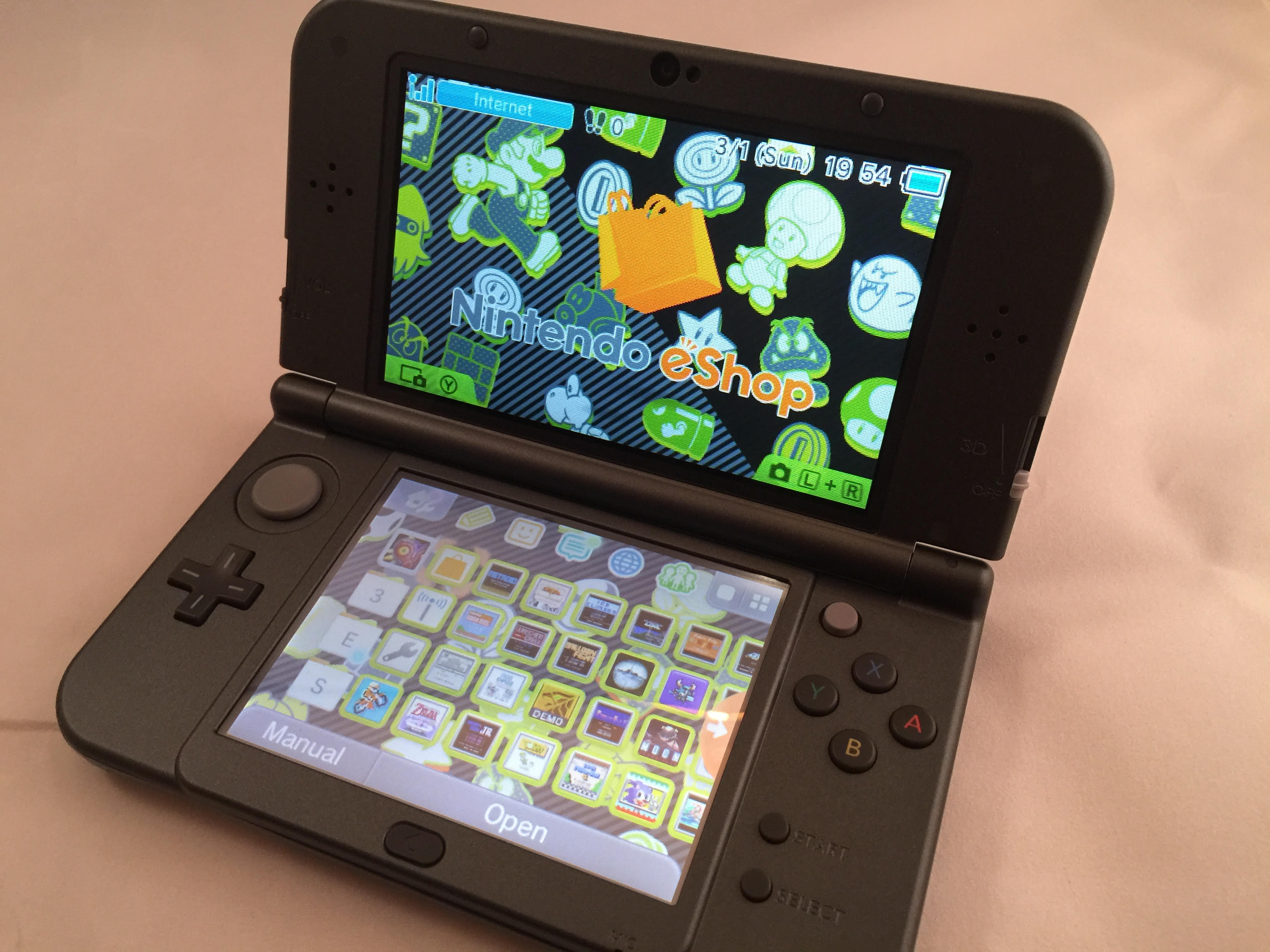
After two years of consistent daily use leading into 2026, the New Nintendo 3DS (Regular Edition) remains the most balanced handheld in the 3DS family. Its unique combination of portability, interchangeable faceplates, and superior pixel density offers a premium retro-gaming experience that later, larger models and the 2DS line fail to replicate.
Understanding the New Nintendo 3DS (Regular Edition) in 2026
The New Nintendo 3DS (Regular Edition), technically known by the model number KTR-001, represents the peak of Nintendo’s dedicated dual-screen era. While the gaming landscape in 2026 is dominated by powerful hybrid consoles and high-end mobile gaming, the "New" 3DS family—specifically the smaller, non-XL variant—has carved out a significant niche among enthusiasts.
This review comes after twenty-four months of testing a standard white unit, evaluating its durability, screen quality, and library performance in an era where the Nintendo eShop has long been shuttered. The Regular Edition was always the "middle child" of the family, launched after the original 3DS but often overshadowed by the New 3DS XL (LL in Japan). However, for the dedicated collector or the gamer who values ergonomics, this specific model offers a distinct set of advantages that have only become more apparent over time.
To understand the value of this device today, one must recognize that it was not just a minor refresh. It introduced a faster ARM11 MPCore processor, increased RAM from 128MB to 256MB, and added a secondary "C-Stick" nub along with ZL and ZR shoulder buttons. These hardware upgrades were essential for a handful of "New" exclusive titles and improved the overall system navigation and loading times for the entire 3DS library.
The Design Philosophy: Portability and Personalization
The standout feature of the New 3DS Regular Edition is its size. Measuring approximately 80.6mm x 142mm x 21.6mm when closed, it is significantly more pocketable than the XL variant. This portability is the primary reason many users return to this model. In a world of increasingly large devices, the "Regular" size feels like a true handheld meant for travel.
The Kisekae Plate System
The defining characteristic of the regular model is the Kisekae (interchangeable) faceplate system. Unlike the XL or the 2DS, the top and bottom plates of the regular New 3DS can be swapped out. This allowed Nintendo to release dozens of themed plates, ranging from simple matte colors to intricate wood-grain textures and embossed character art.
After two years of use, the utility of this system has proven itself. If the exterior of the console becomes scratched or scuffed, a simple plate swap restores the device to a "like-new" aesthetic. In the 2026 secondary market, these plates have become highly collectible, with rare plates like the "Glow-in-the-Dark Boo" or "Majora's Mask" editions fetching high prices. The ability to customize the texture of the device—switching from a smooth plastic to a felt-like or wood finish—provides a tactile satisfaction that modern, unibody consoles lack.
Ergonomics for Adult Hands
A common concern with the smaller model is hand cramping. Over a two-year period, the experience is nuanced. For sessions under an hour, the device is comfortable. However, the smaller footprint requires a more "claw-like" grip compared to the XL. For users with larger hands, third-party grips (which often clip onto the bottom plate) are a necessary accessory for extended play. The weight, at roughly 253 grams, is light enough to prevent wrist fatigue, making it an ideal companion for commutes.
Display Technology and the "Screen Lottery"
The New Nintendo 3DS Regular Edition features a 3.88-inch top screen and a 3.33-inch bottom touchscreen. While these sizes are smaller than the 4.88-inch top screen of the XL, they offer a significant technical advantage: Pixel Density.
The PPI Advantage
The resolution of all 3DS models is fixed at 400x240 pixels (per eye in 3D mode). Because the Regular Edition has a smaller physical screen area, the pixels are packed more tightly together. This results in a higher Pixels Per Inch (PPI) count, making images appear sharper and less "pixelated" than on the XL. Text is crisper, and the aliasing (jagged edges) common in 3DS games is much less noticeable.
IPS vs. TN Panels
Any deep-dive review must address the infamous "screen lottery." Nintendo used two types of panels: IPS (In-Plane Switching) and TN (Twisted Nematic).
- IPS panels offer superior color reproduction and much wider viewing angles. Even when tilted, the colors remain vibrant.
- TN panels are more common, especially on the regular model. They tend to look "washed out" when viewed from an angle and have lower contrast ratios.
After two years with a dual-TN unit, the experience remains functional, but side-by-side comparisons with an IPS unit reveal a clear winner. In 2026, finding a "dual IPS" regular New 3DS is considered the "holy grail" for collectors, though for actual gameplay, the TN panels are perfectly adequate and actually have a slightly faster response time, which some argue reduces ghosting in fast-paced titles.
Performance and Technical Specifications
The "New" branding wasn't just marketing; it signified a genuine leap in hardware capability. The upgraded CPU clock speed (from 268MHz to 804MHz) and the inclusion of a dedicated L2 cache changed how the system handled demanding tasks.
| Feature | Original 3DS | New 3DS (Regular) |
|---|---|---|
| CPU | 2x ARM11 @ 268MHz | 4x ARM11 @ 804MHz |
| RAM | 128MB | 256MB |
| VRAM | 6MB | 10MB |
| 3D Technology | Fixed Parallax Barrier | Super-Stable (Face-Tracking) |
| Storage | SD Card (External Slot) | MicroSD (Internal - behind plate) |
| Additional Inputs | None | C-Stick, ZL, ZR Buttons |
Super-Stable 3D
The most impactful technical upgrade is the Super-Stable 3D. The original 3DS required the user to hold the device in a very specific "sweet spot" to maintain the 3D effect. The New 3DS uses the front-facing camera and an infrared LED to track the user's eyes and head position. It then adjusts the parallax barrier in real-time to match the viewing angle.
Over two years, this feature has proven to be the only way to play 3D games comfortably. It works even in low-light conditions thanks to the IR sensor. In titles like The Legend of Zelda: A Link Between Worlds, the depth adds a layer of gameplay clarity that is lost on the 2DS or when the 3D is toggled off.
Battery Life and Longevity
The Regular New 3DS uses the KTR-003 battery, a 1400mAh cell. In 2026, many original batteries are beginning to show their age. In my testing, a fresh battery provides roughly 3.5 to 5 hours of gameplay depending on brightness and 3D settings. It is highly recommended that owners check for battery swelling (pillowing) every six months, as the enclosed nature of the battery compartment can lead to damage if a failing battery expands.
Software Ecosystem and the 2026 Reality
The primary hurdle for the New 3DS in 2026 is the state of the digital ecosystem. Nintendo officially closed the 3DS eShop for new purchases in March 2023.
Physical Media vs. Digital Archives
Because new digital purchases are impossible, the value of physical cartridges has skyrocketed. The New 3DS remains fully backward compatible with almost all Nintendo DS games. On the smaller screen of the regular model, DS games look remarkably good when launched in their original resolution (holding Start or Select while booting), as the smaller screen minimizes the blurriness caused by upscaling.
The Homebrew Scene
It would be an incomplete review not to mention that the 2026 user base largely relies on homebrew software to maintain their devices. With official servers offline for many functions, the community has developed tools to back up save files, install custom themes, and even run fan-made patches for games. This has extended the life of the New 3DS significantly, allowing it to function as a versatile retro-emulation machine for NES, SNES, and GBA titles through "Virtual Console" injection.
Comparison: Regular vs. XL vs. 2DS XL
Choosing the Regular edition over its siblings is a matter of prioritizing specific features.
- Vs. New 3DS XL: The XL has larger screens and a slightly longer battery life. However, it uses a fingerprint-prone glossy finish and lacks interchangeable plates. The XL's screens also make the low resolution of 3DS games more apparent.
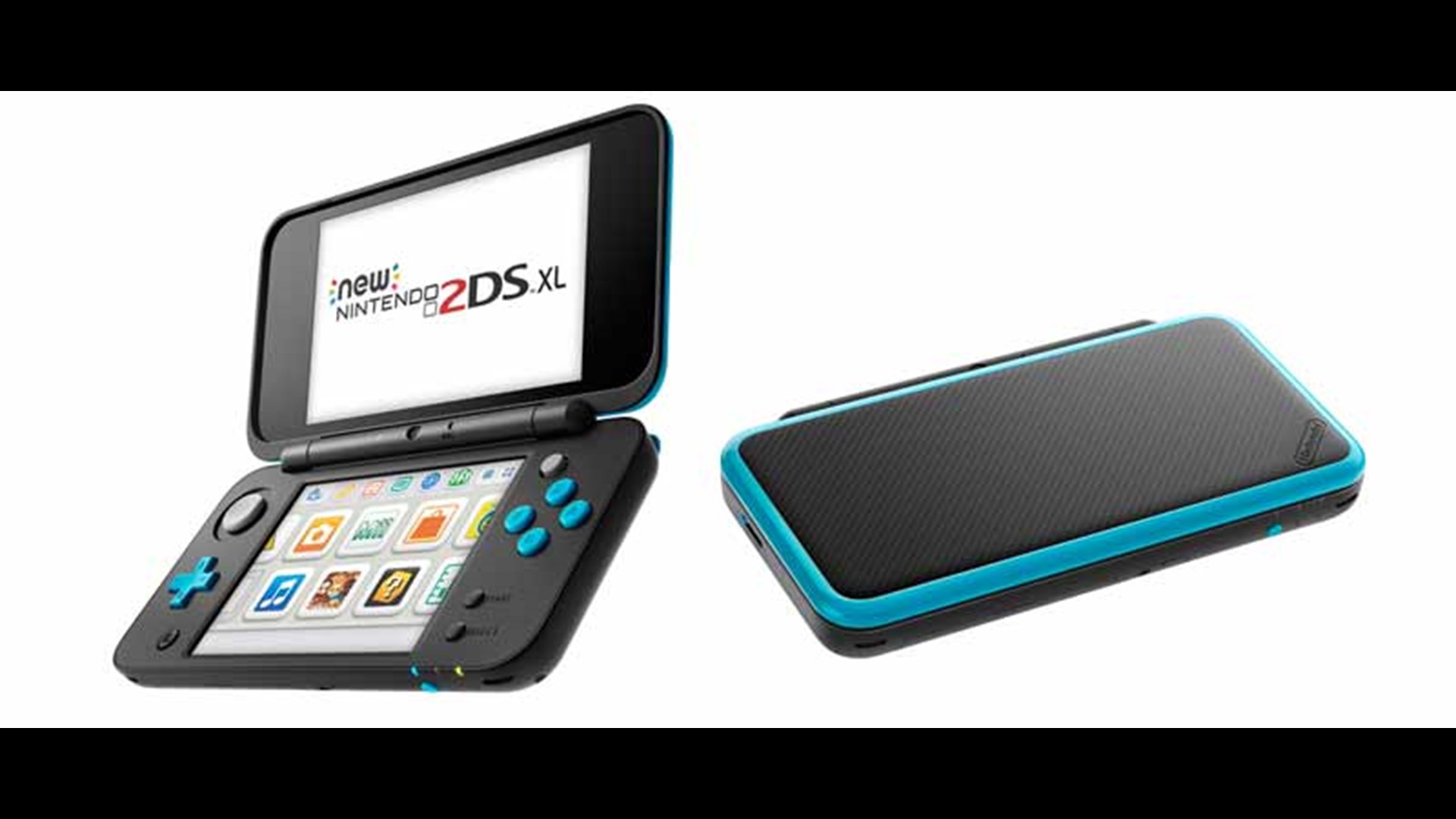
- Vs. New 2DS XL: The 2DS XL is lighter but feels "cheaper" due to its thin plastic construction. It lacks the 3D feature entirely and has the speakers positioned in a way that your palms often muffle the sound.
- Vs. Original 3DS: The New 3DS is superior in every technical aspect, including loading times and the stability of the 3D effect.
The Regular New 3DS is the only model that offers the combination of the most powerful hardware, the best pixel density, and the highest level of physical customization.
Common Issues and Maintenance After Two Years
Ownership of a legacy device requires proactive maintenance. Here are the issues encountered during the 24-month review period:
- C-Stick Degradation: The rubberized C-Stick nub can become slick or even tear over time. Many enthusiasts replace this with a PSP-1000 joystick cap, which fits the peg perfectly and offers much better grip for games like Monster Hunter 4 Ultimate.
- MicroSD Accessibility: Unlike the original 3DS, the New 3DS hides the MicroSD slot behind the back faceplate, which is held on by two Phillips #00 screws. Frequent removal of the plate can lead to stripping these small screws. It is better to use wireless file transfer methods or a high-capacity card (up to 128GB or 256GB formatted to FAT32) to minimize the need to open the device.
- Shoulder Button Failure: The ZL and ZR buttons are more robust than the original L/R buttons, but they can still collect dust. Periodic cleaning with high-percentage isopropyl alcohol and compressed air is recommended.
- Hinge Wobble: All 3DS "clamshell" designs have a slight "give" in the hinge to prevent the plastic from cracking under tension. This is normal and has not worsened over two years of use.
Final Verdict: Is it Worth It in 2026?
The New Nintendo 3DS (Regular Edition) is a masterpiece of industrial design that feels more relevant in 2026 than it did at launch. As modern gaming trends toward massive file sizes and constant internet connectivity, the 3DS offers a self-contained, tactile, and highly personal gaming experience.
It is the definitive way to play the 3DS library for those who value visual clarity and portability. While the prices for "New" models have risen significantly on the used market, the durability and "repairability" (thanks to the plate system and modular parts) make it a sound investment for any handheld gaming fan.
Recommendation
- Buy it if: You want the sharpest possible image for 3DS games, you enjoy customizing your hardware, and you have medium-to-small hands.
- Skip it if: You have very large hands and don't plan on using a grip, or if you primarily want a large-screen "theatrical" experience.
Frequently Asked Questions
Can I still use the internet on my New 3DS in 2026?
Yes, the local Wi-Fi functionality remains intact for local multiplayer (Download Play) and system-to-system transfers. However, official online matchmaking and the eShop are discontinued. You will need a WPA2-compatible 2.4GHz router to connect the device to your home network.
How do I know if I have an IPS or TN screen?
The easiest way is the "angle test." Hold the console at a 160-degree angle. If the colors remain vibrant and the blacks stay deep, it is likely an IPS screen. If the colors shift toward white and look "faded," it is a TN panel. There is also homebrew software (3DSident) that can confirm the panel type via software.
What size MicroSD card should I use?
While Nintendo officially supported up to 32GB, the system can handle up to 256GB if formatted to FAT32 with a 32kb or 64kb cluster size. For the best performance and shortest boot times, a 64GB or 128GB card is the "sweet spot."
Are faceplates still being manufactured?
Official Nintendo faceplates have been out of production for years. However, a thriving third-party market on sites like AliExpress and Etsy provides high-quality replicas and custom 3D-printed or wood-carved plates, ensuring the customization aspect of the console remains alive in 2026.
Is the New 3DS region-locked?
Yes, all 3DS consoles are region-locked (e.g., a North American console cannot play Japanese cartridges). However, many users in 2026 use custom firmware to remove this restriction, allowing the console to become region-free.