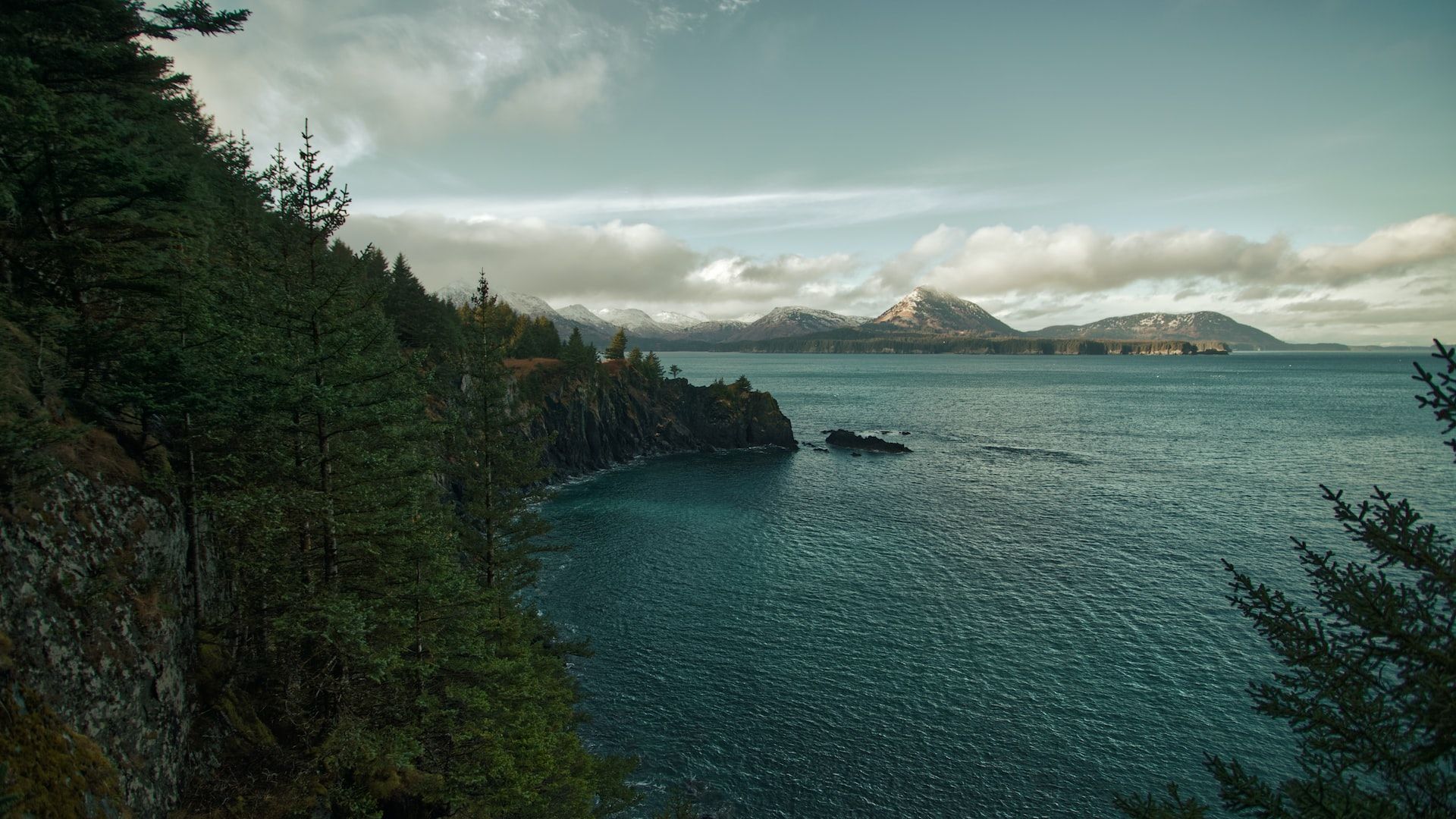
Kodiak Island, Alaska’s Emerald Isle, offers travelers a raw, remote Pacific wilderness experience defined by rugged mountains, dense spruce forests, deep fjords, and world-renowned wildlife viewing opportunities. Planning a trip here requires balancing outdoor exploration, logistical preparation, and a healthy respect for unpredictable maritime weather.
Understanding Kodiak Island: Geography, Logistics, and Preparation
Before diving into specific activities, understanding the landscape and logistics of Kodiak Island is vital for a smooth trip. Located in the Gulf of Alaska off the southern coast of the Alaska Peninsula, Kodiak is the second-largest island in the United States. Despite its vast size, the road system is relatively limited, stretching only about 60 miles south and a few miles north of the city of Kodiak. Much of the island’s interior and coastline can only be accessed by floatplane, boat, or all-terrain vehicle (ATV).
Most travelers arrive via Kodiak Airport (ADQ) through scheduled commercial flights from Anchorage or by taking the Alaska Marine Highway ferry system from Homer. Renting a reliable vehicle—preferably a four-wheel-drive SUV or truck—is essential for navigating the gravel roads and changing weather conditions.
1. Track and Photograph the Legendary Kodiak Bears
The island’s most famous resident is the Kodiak bear (Ursus arctos middendorffi), a distinct subspecies of the brown bear isolated from mainland populations for over 10,000 years. These massive carnivores thrive in Kodiak’s rich ecosystems, which are packed with salmon runs, berries, and lush vegetation.
- Guided Viewing Tours: To safely and legally observe Kodiak bears, book a trip with a certified air taxi and bear-viewing guide. Floatplanes transport visitors from Kodiak city to remote drainages in the Kodiak National Wildlife Refuge, such as Frazer Lake or Olga Bay.
- Safety and Ethics: Always maintain a safe distance and follow your guide's instructions. Bringing bear spray, knowing how to use it, and making plenty of noise while hiking on foot are mandatory wilderness safety practices.
2. Cast a Line in World-Class Salmon and Halibut Fisheries
Kodiak is a paradise for sport anglers. The island’s rivers and marine waters support all five species of Pacific salmon—Chinook (king), Coho (silver), Sockeye (red), Chum (dog), and Pink (humpback)—as well as massive Pacific halibut, lingcod, and rockfish.
- Freshwater Fishing: Local rivers like the Buskin River, located just minutes from town, offer accessible roadside fishing for pinks and silvers depending on the season. For remote experiences, fly-in stream fishing yields incredible catches of Dolly Varden and steelhead.
- Saltwater Charter Fishing: Charter boats launch regularly from the Kodiak Small Boat Harbor. Targeting Pacific halibut often yields fish weighing over 100 pounds, while offshore jigging brings up colorful rockfish.
3. Explore the Kodiak National Wildlife Refuge
Spanning nearly 2 million acres, the Kodiak National Wildlife Refuge covers about two-thirds of the island. It was established in 1941 primarily to protect the natural habitat of the Kodiak bear, but it also supports millions of migratory birds, red foxes, and Sitka black-tailed deer.
- Hiking Trails: The refuge features several hiking trails accessible from the road system, ranging from easy coastal walks to strenuous mountain climbs. The Barometer Mountain trail provides sweeping views of the archipelago for conditioned hikers.
- Public Recreation Cabins: The U.S. Fish and Wildlife Service maintains several remote public use cabins scattered across the refuge lakes and coastlines. These cabins must be reserved in advance through recreation.gov and are typically accessed via floatplane.
4. Dive into Local History at the Alutiiq Museum
To understand the human history of the archipelago, visit the Alutiiq Museum in downtown Kodiak. The museum preserves and shares the cultural traditions, language, and art of the Alutiiq (Sugpiaq) people, who have inhabited the region for over 7,500 years.
- Exhibits: Permanent displays feature traditional skin-sewing, carved wooden visors, ancient stone tools, and contemporary artwork.
- Cultural Programs: The museum offers hands-on workshops, language learning tools, and community events that provide deep context regarding Alaska Native heritage before European contact and through the Russian colonial era.
5. Hike the Fort Abercrombie State Historical Park
Located just four miles north of downtown Kodiak, Fort Abercrombie State Historical Park combines dramatic coastal scenery with World War II military history. This 182-acre park was once a secret coastal defense fortification.
- WWII Ruins: Visitors can explore concrete bunkers, command posts, and rusted anti-aircraft gun emplacements nestled among Sitka spruce trees and sword ferns.
- Coastal Trails: Trails wind down to rugged black-sand beaches, rocky headlands overlooking Miller Island, and clam-digging flats at Sandy Beach. It is also an exceptional spot for watching sea otters, harbor seals, and migrating gray whales.
6. Paddle the Waters via Sea Kayak
Kodiak’s intricate coastline, sheltered bays, and narrow straits make it a premier destination for sea kayaking. Gliding quietly across the water offers a unique perspective of the island's steep cliffs and marine life.
- Paddling Destinations: Monashka Bay and Anton Larson Bay offer protected waters suitable for intermediate paddlers. For multi-day expeditions, experienced kayakers often explore the remote fjords of the west side of the island.
- Marine Wildlife: Kayakers frequently encounter sea otters floating on their backs, bald eagles soaring overhead, and curious harbor seals investigating watercraft. Always monitor marine weather forecasts, as tidal currents and winds can shift rapidly.
7. Discover Russian-American History at the Holy Resurrection Orthodox Cathedral
Kodiak holds a pivotal place in Russian-American history as the first capital of Russian America, established in 1784 by explorer Grigory Shelikhov. Russian Orthodox Christianity remains deeply rooted in the community today.
- The Cathedral: The Holy Resurrection Orthodox Cathedral houses the incorrupt relics of St. Herman of Alaska, a Russian monk who advocated for the rights of Alaska Natives in the late 18th and early 19th centuries.
- Architectural Significance: The striking blue domes and white structure stand as a prominent landmark in downtown Kodiak, reflecting centuries of cross-cultural exchange between Russian missionaries and the indigenous population.
8. Surf the Breaks at Fossil Beach and Pasagshak
Surfing in Alaska is a growing adventure sport, and Kodiak offers some of the most consistent and dramatic cold-water surf breaks in the state.
- Pasagshak and Fossil Beach: Located at the end of the paved and gravel road system (about a 45-to-60-minute drive from town), Pasagshak Bay and Fossil Beach pull in ocean swells from the Pacific.
- Preparation: Wetsuits (at least 5/4mm thick with booties, gloves, and a hood) are mandatory year-round due to frigid water temperatures. Checking local surf forecasts and respecting rip currents is essential for safety.
9. Scavenge for Prehistoric Fossils
Kodiak Island’s geological formations hold secrets from millions of years ago. Amateur geologists and families frequently hunt for fossils along specific coastal exposures.
- Fossil Locations: Areas around Kalsin Bay and parts of the southern road system feature sedimentary rock layers containing marine fossils, including ancient ammonites and plant impressions dating back to the Cretaceous period.
- Collecting Guidelines: Visitors are generally permitted to collect small quantities of common invertebrate fossils for personal use on public lands, but commercial collection, disturbance of cultural artifacts, or removal of vertebrate fossils is strictly regulated.
10. Sample Fresh Seafood at Local Eateries
After exploring the trails and waters, experiencing Kodiak’s culinary scene is a must. As one of the top commercial fishing ports in the United States, Kodiak delivers exceptionally fresh seafood directly to local docks and restaurants.
- Local Catch: Look for menus featuring pan-seared Kodiak scallops, wild king salmon, fresh halibut fish and chips, and locally caught spot prawns.
- Dining Spots: Casual dockside cafes, local breweries, and family-owned restaurants in downtown Kodiak provide a welcoming atmosphere to share stories with local fishermen and fellow travelers.
Quick Comparison of Popular Kodiak Activities
| Activity Category | Best Season | Required Gear / Prep | Primary Location |
|---|---|---|---|
| Bear Viewing | June – September | Floatplane booking, guide | Kodiak National Wildlife Refuge |
| Salmon Fishing | May – October | Fishing license, waders | Buskin River / Saltwater charters |
| Fort Abercrombie Hiking | Year-round | Sturdy boots, rain gear | 4 miles north of Kodiak city |
| Sea Kayaking | June – August | Kayak rental, PFD, drysuit | Monashka Bay / Anton Larson Bay |
Frequently Asked Questions
When is the best time to visit Kodiak Island?
The peak tourism season runs from June through September. During these months, weather is relatively mild, salmon runs are active, bear viewing is optimal, and all seasonal tour operators and charter services are fully operational. July and August are particularly popular for warmer weather and peak fishing.
Do I need a rental car on Kodiak Island?
Yes. Public transportation on Kodiak is extremely limited, and a vehicle is necessary to reach trailheads, historical sites, and outer-road destinations like Pasagshak. Renting a 4WD vehicle is strongly recommended because many scenic roads are unpaved gravel tracks subject to potholes and mud.
Can I see Kodiak bears without booking a guided tour?
While bears occasionally wander near the road system—particularly during pink salmon runs in July and August—relying on roadside sightings is unpredictable and potentially dangerous. Booking a certified flight-seeing and bear-viewing tour is the safest, most reliable way to experience bears in their natural backcountry habitat.
What kind of weather should I pack for?
Kodiak has a maritime climate characterized by cool temperatures, frequent rain, and heavy winds. Pack layers made of synthetic or wool materials, a waterproof and windproof outer shell, sturdy waterproof hiking boots, and warm accessories like hats and gloves regardless of the summer season.
How do I get to Kodiak Island if I don't fly?
You can take the Alaska Marine Highway ferry system from Homer, Alaska. The ferry accommodates passengers and vehicles, making it an option for travelers road-tripping through mainland Alaska who want to bring their own vehicle across the Gulf of Alaska. However, sailings can be infrequent and weather-dependent.
Final Recommendation
To make the most of your trip to Kodiak Island, book your accommodations, rental vehicle, and charter flights or excursions several months in advance, as infrastructure in this remote community fills up quickly during the summer. Spend your first day getting your bearings at the Alutiiq Museum and Fort Abercrombie, then venture out onto the water or into the backcountry with a licensed guide to experience the wild, untamed heart of Alaska's Emerald Isle.