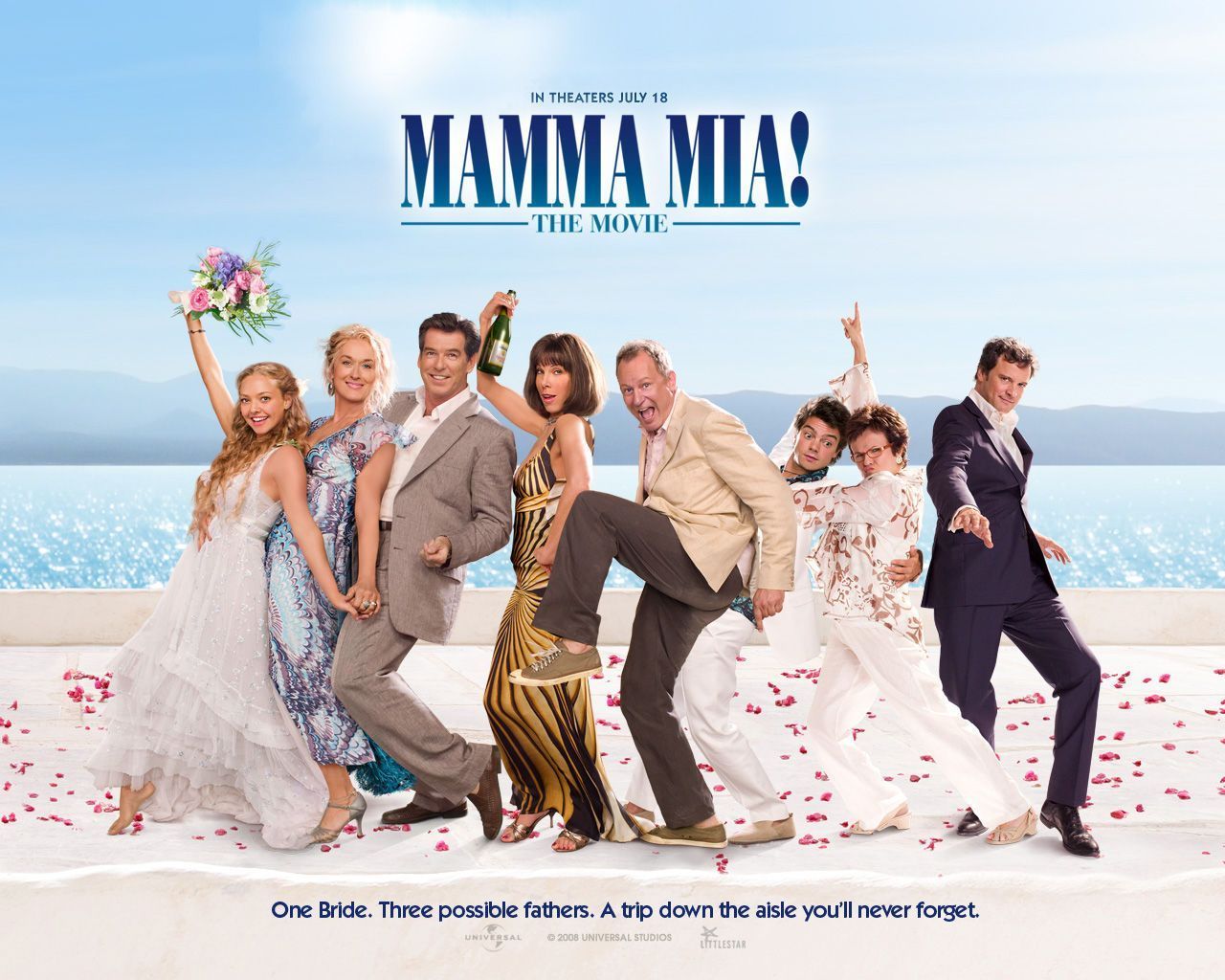
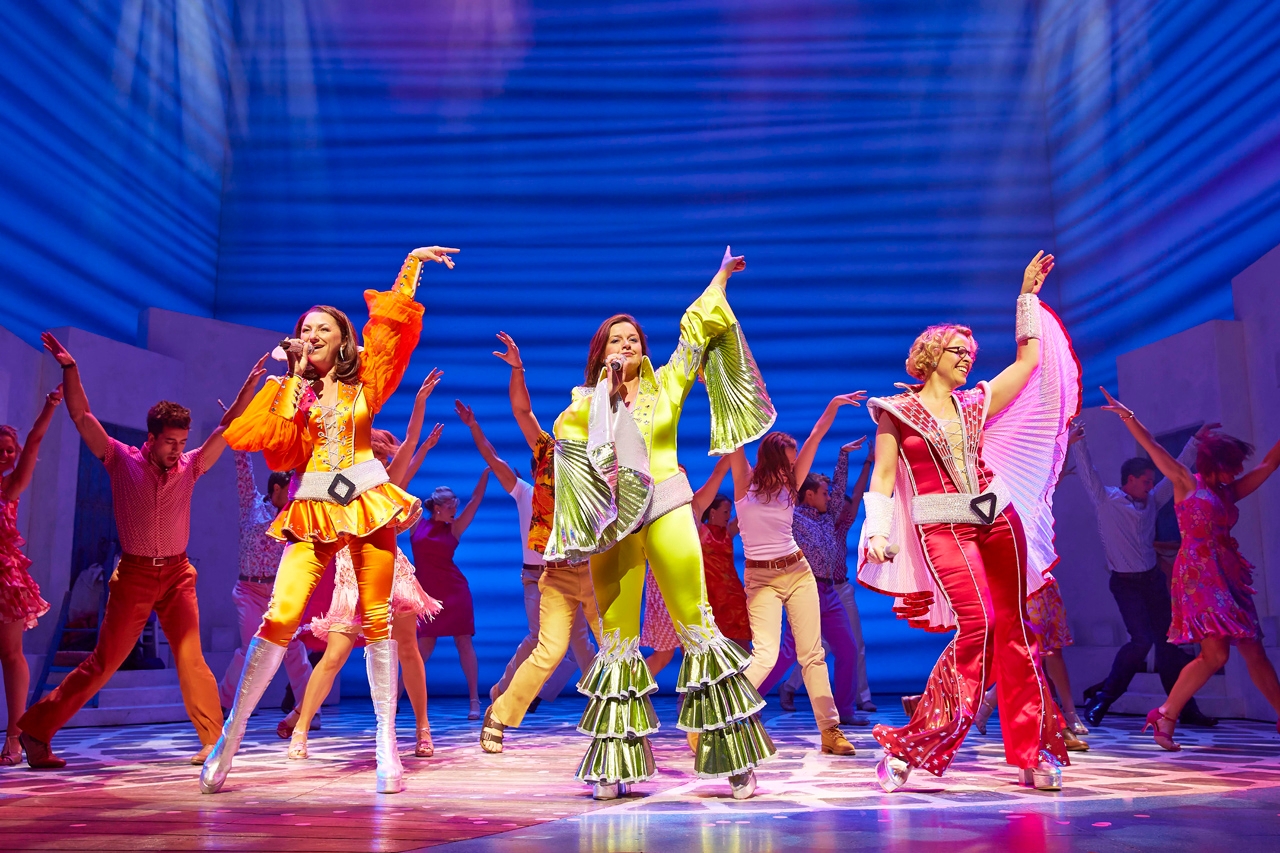
The Mamma Mia! film franchise consists of two cinematic jukebox musicals based on the music of ABBA: the original 2008 film and its 2018 prequel-sequel, Mamma Mia! Here We Go Again. These films follow Sophie Sheridan’s quest to identify her biological father and, later, her journey to honor her mother Donna’s legacy on the Greek island of Kalokairi.
Summary of Mamma Mia! (2008)
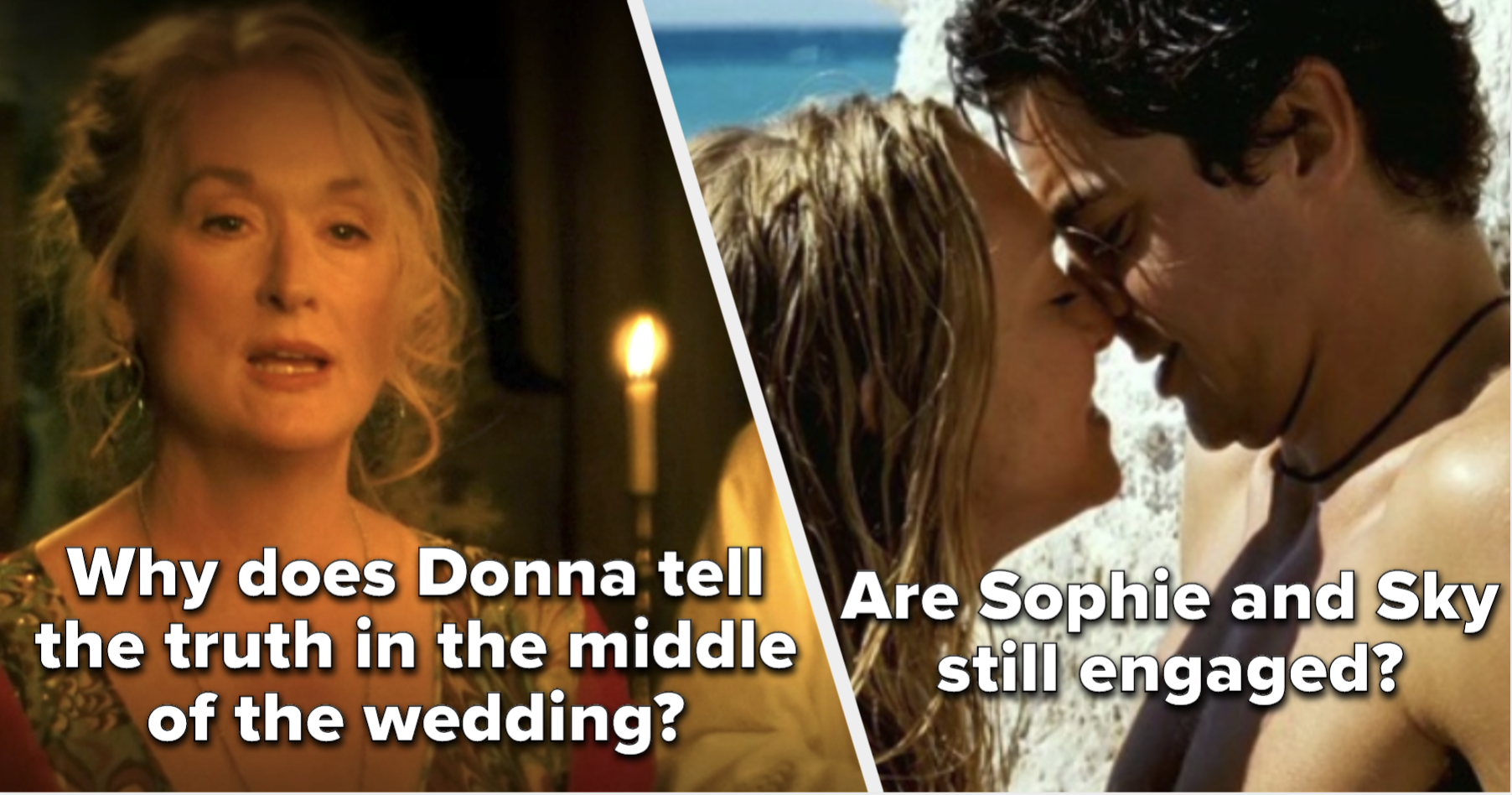
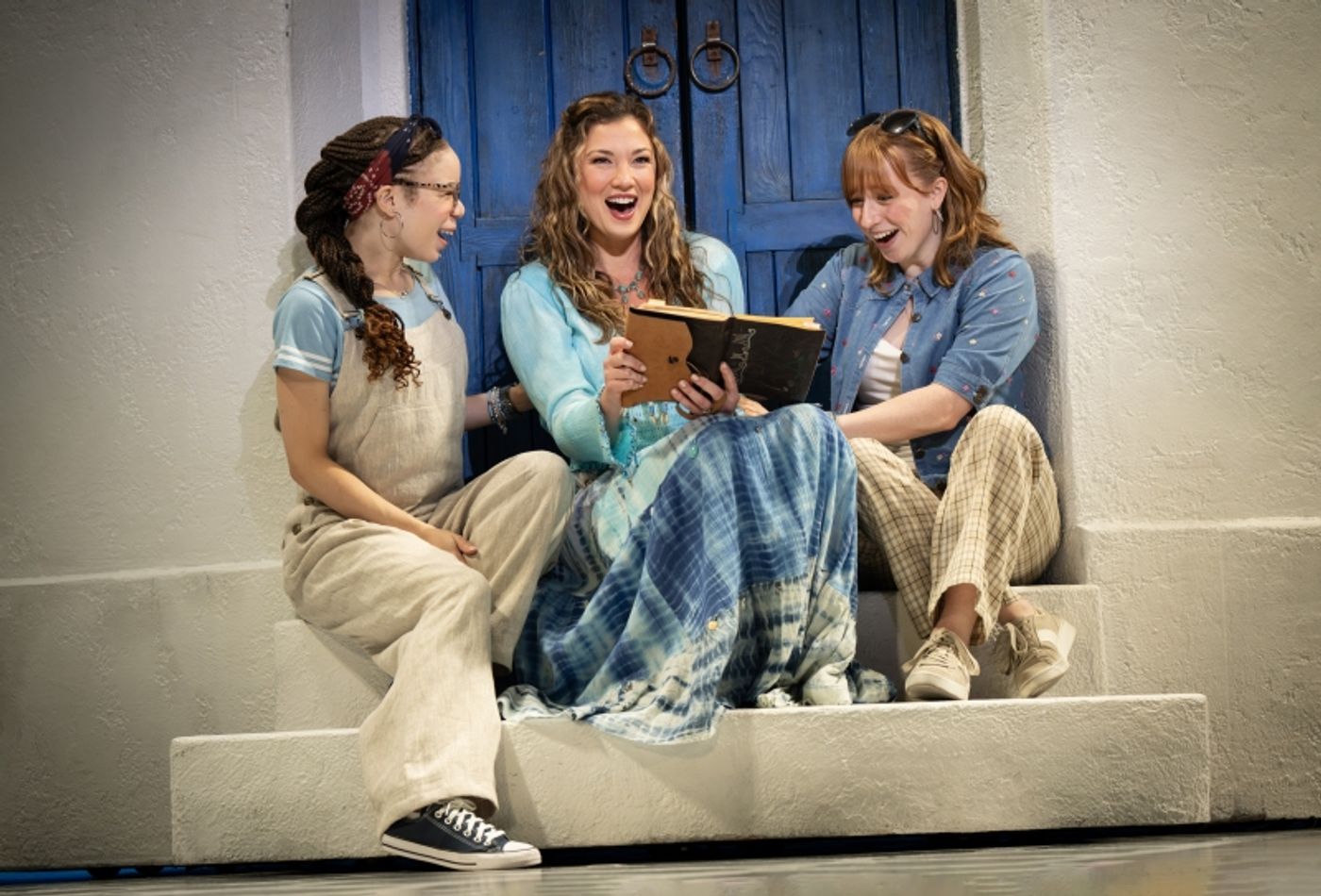
The first installment, released in 2008, introduces us to Sophie Sheridan (Amanda Seyfried), a 20-year-old living on the fictional Greek island of Kalokairi. Sophie is preparing for her wedding to her fiancé, Sky (Dominic Cooper). However, she harbors a secret: she has never known who her father is. After discovering her mother Donna’s (Meryl Streep) old diary from the year she was conceived, Sophie identifies three potential candidates: Sam Carmichael (Pierce Brosnan), Bill Anderson (Stellan Skarsgård), and Harry Bright (Colin Firth).
Sophie invites all three men to the wedding without telling Donna, believing she will recognize her father the moment she sees him. When the men arrive, Donna is shocked and distressed, leading to a series of comedic and emotional confrontations. Donna’s best friends and former bandmates from "Donna and the Dynamos," Tanya (Christine Baranski) and Rosie (Julie Walters), arrive to provide support, leading to iconic musical numbers like "Dancing Queen" and "Super Trouper."
As the wedding festivities progress, all three men realize why they were invited and each comes to believe he is Sophie's father. Sophie eventually realizes that she doesn't need to know which man is her biological father because she loves all three, and they all agree to be one-third of a father to her. In a surprise twist, Sophie and Sky decide not to get married and instead choose to travel the world. To ensure the wedding preparations don't go to waste, Sam confesses his lifelong love for Donna and proposes. They marry on the spot, and the film concludes with a joyous celebration of music and reclaimed love.
Summary of Mamma Mia! Here We Go Again (2018)
Set five years after the events of the first film (and also decades in the past), Mamma Mia! Here We Go Again serves as both a sequel and a prequel. In the present day (set roughly around 2013-2014 in the film's timeline), it is revealed that Donna Sheridan has passed away. Sophie is working tirelessly to fulfill her mother's dream of renovating the "Villa Donna" into the "Hotel Bella Donna."
The narrative structure alternates between Sophie’s present-day struggles—including a strained relationship with Sky and the stress of the hotel’s grand opening—and the story of a young Donna (Lily James) in 1979. We follow young Donna as she graduates from Oxford and embarks on a journey across Europe. During her travels, she meets the three men:
- Harry Bright: A shy Brit she meets in Paris.
- Bill Anderson: A Swedish sailor who gives her a lift to Kalokairi.
- Sam Carmichael: An American architect who she falls deeply in love with on the island, only to discover he is engaged to someone else back home.
In the past timeline, Donna discovers she is pregnant and decides to raise her child on the island, finding a home in a dilapidated farmhouse that would eventually become her villa.
In the present timeline, a massive storm threatens the hotel's opening. However, the event is saved when Bill, Harry, and Sky arrive with a fleet of boats. The celebration is further elevated by the unexpected arrival of Sophie’s grandmother, Ruby Sheridan (Cher), who had been estranged from Donna. Sophie reveals she is pregnant, and the film culminates in a poignant moment at the local chapel where the spirit of Donna (Meryl Streep) appears during the christening of Sophie’s child, symbolizing the eternal bond between mother and daughter.
Key Characters and Casting Evolution
The strength of the Mamma Mia! franchise lies in its ensemble cast, which bridged two generations of actors to portray the same characters at different stages of life.
The Sheridans
- Donna Sheridan: Portrayed by Meryl Streep as the fiercely independent, hardworking mother in the first film. In the sequel, Lily James takes on the role of Young Donna, capturing the character's infectious energy, optimism, and vulnerability.
- Sophie Sheridan: Played by Amanda Seyfried, Sophie is the emotional core of both films. Her journey evolves from a girl seeking her identity to a woman establishing her own legacy while honoring her mother’s.
- Ruby Sheridan: Introduced in the second film, played by Cher. Ruby is Donna’s mother and a famous singer, adding a layer of "diva" energy and a storyline about family reconciliation.
The Dynamos
- Tanya: Christine Baranski plays the wealthy, multiple-times-divorced friend. In the prequel segments, she is played by Jessica Keenan Wynn.
- Rosie: Julie Walters plays the fun-loving, pragmatic author. In the prequel segments, she is played by Alexa Davies.
The Three Fathers
- Sam Carmichael: Pierce Brosnan (Present) and Jeremy Irvine (Young). Sam is the "architect" and Donna’s true love.
- Bill Anderson: Stellan Skarsgård (Present) and Josh Dylan (Young). Bill is the adventurous travel writer and sailor.
- Harry Bright: Colin Firth (Present) and Hugh Skinner (Young). Harry is the "Head Banger" turned respectable businessman.
Comparison of the Two Films
While both films share the same setting and musical DNA, they differ significantly in tone and structure.
| Feature | Mamma Mia! (2008) | Mamma Mia! Here We Go Again (2018) |
|---|---|---|
| Primary Theme | Identity and reconciliation. | Legacy, motherhood, and cycles of life. |
| Narrative Structure | Linear timeline over a few days. | Dual timeline (1979 and Present Day). |
| Director | Phyllida Lloyd | Ol Parker |
| Donna's Status | Protagonist (Alive) | Central Figure (Deceased/Flashbacks) |
| Soundtrack Focus | ABBA’s greatest hits (Dancing Queen, SOS). | Lesser-known ABBA tracks and reprises. |
| Setting | Skopelos and Damouchari, Greece. | Vis, Croatia (standing in for Kalokairi). |
The Role of ABBA’s Music
The music of ABBA is not merely a background for the films; it drives the plot. In the first film, the songs are used to express the immediate emotions of the characters—fear of the past ("Mamma Mia"), the joy of friendship ("Dancing Queen"), and the pain of lost love ("The Winner Takes It All").
In the sequel, the music takes on a more reflective quality. Songs like "My Love, My Life" and "I’ve Been Waiting for You" are used to bridge the gap between Sophie and Donna across time. The second film also successfully integrated "B-side" tracks like "When I Kissed the Teacher" and "Andante, Andante," which allowed for a fresher narrative that didn't just repeat the hits of the first movie.
Production and Cultural Impact
The first Mamma Mia! was a massive commercial success, grossing over $600 million worldwide. It proved the viability of jukebox musicals in the 21st century and turned the island of Skopelos into a major tourist destination.
By the time the sequel arrived in 2018, the franchise had achieved "cult classic" status. Here We Go Again was praised by critics for its improved technical direction and the performance of Lily James, who many felt successfully carried the mantle of Meryl Streep. As of 2026, the films remain staples of streaming platforms and are frequently celebrated for their "feel-good" atmosphere and celebration of female friendship.
Navigating the Timeline: A Detailed Chronology
For viewers trying to piece together the history of Donna Sheridan, the timeline is essential to understanding the emotional stakes of the second film.
- 1979 (The Prequel Era): Donna graduates from New College, Oxford. She travels to Paris, then to Greece. She meets Harry in Paris, Bill on his boat, and Sam on the island. After Sam departs to return to his fiancée, Donna realizes she is pregnant. She moves into the farmhouse with the help of the local tavern owner.
- Early 1980s: Sophie is born. The Dynamos visit Donna on the island to support her as a new mother.
- 2008 (The First Film): Sophie’s wedding. The three fathers arrive. Donna and Sam marry.
- 2008–2013: Donna manages the villa. At some point during this period, Donna passes away (the specific cause is never stated, emphasizing the thematic focus on her life rather than her death).
- 2014 (The Second Film): Sophie completes the renovation of the hotel. The grand opening serves as a tribute to Donna’s spirit.
Frequently Asked Questions
Why is Meryl Streep barely in Mamma Mia 2?
Meryl Streep appears primarily in a cameo role at the end of the second film because her character, Donna, has passed away in the present-day timeline. The film focuses on the younger version of her character (played by Lily James) to tell the story of how she arrived on the island and met the three fathers.
Who is Sophie's real father?
The films never officially reveal which of the three men is Sophie's biological father. This is a deliberate narrative choice to emphasize that family is built on love and choice rather than just genetics. All three men—Sam, Bill, and Harry—accept Sophie as their daughter.
Where were the Mamma Mia movies filmed?
The first movie was filmed largely on the Greek island of Skopelos. However, for the second movie, the production moved to the island of Vis in Croatia, which was used to represent the fictional Greek island of Kalokairi.
Did the actors really sing in the movies?
Yes, the main cast members performed their own vocals for the films. While the tracks were recorded in a studio (as is standard for film musicals), the actors' actual voices are what you hear in the final versions of the songs.
Is there a third Mamma Mia movie coming?
As of 2026, rumors of a third film have circulated for years, fueled by comments from producer Judy Craymer and cast members like Amanda Seyfried and Stellan Skarsgård. While no official release date has been set, the creators have expressed interest if a compelling script and song selection can be finalized.
Conclusion and Final Recommendations
The Mamma Mia! films offer more than just catchy tunes; they are a celebration of resilience, the complexities of motherhood, and the enduring power of friendship. If you are planning a marathon, it is recommended to watch them in release order (1 then 2) rather than chronological order. The emotional payoff of the sequel's ending relies heavily on the connection established with the characters in the first film.
For those interested in the music, the soundtracks are available on all major streaming platforms. They serve as an excellent companion to the films, showcasing the timeless songwriting of Benny Andersson and Björn Ulvaeus. Whether you are a lifelong ABBA fan or a newcomer to the sun-drenched world of Kalokairi, the Mamma Mia! franchise remains a landmark of modern musical cinema.